


Single patient record: what benefits could it have for patients?

Estimated reading time: 8 minutes
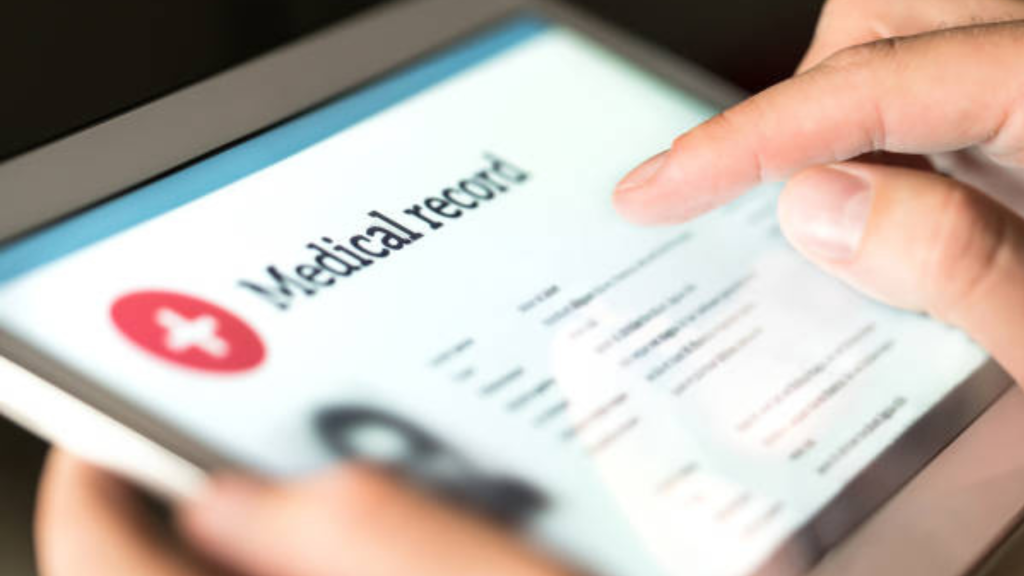
Digital tools and technology are driving changes in healthcare. One digital initiative which has been hailed as something which could transform patient care is the NHS single patient record. But what are the benefits it could bring—particularly for those with rare and chronic conditions?
Navigating a system where the information dots don’t quite join up could become a thing of the past under single patient record plans for England. It is part of the NHS modernisation bill which was brought forward on 14 May this year.
When the bill was introduced, the Department of Health and Social Care (DHSC) said a single patient record would mean NHS providers sharing data across England in a coordinated manner, something which, due to the existing patchwork of systems, has been woefully lacking until now. The change will mean the right doctors, nurses and specialists across England can securely see a patient’s full medical history at the right time.¹
MPs debated the plan in the House of Commons recently during the bill’s second reading with many comments focused around the benefits it could have with regard to accessing up-to-date information. An example mentioned during the debate focused on the experiences of those with rare conditions who had found it problematic when taken to unfamiliar hospital or healthcare settings, where doctors were unable to access the records of their specialist treatment.2
However, concerns over privacy and data use were also raised. In response, the Minister of State for Health and Secondary Care Karin Smyth said personal data would be protected by “default”. She said only the right people would be able to access the information, with robust audit trails in place to show who had accessed a patient’s data.3
It is expected that patients will be able to view their own single patient record securely on the NHS App by 2028.
So how will this innovation help transform patient care? And what role does digital transformation have to play in changing the healthcare experience for patients?
Bringing information together to support clinical decisions
The DHSC has said the single patient record could save the taxpayer more than £20 million per year in unnecessary medicines expenditure, as well as saving doctors around 500,000 hours a year.4
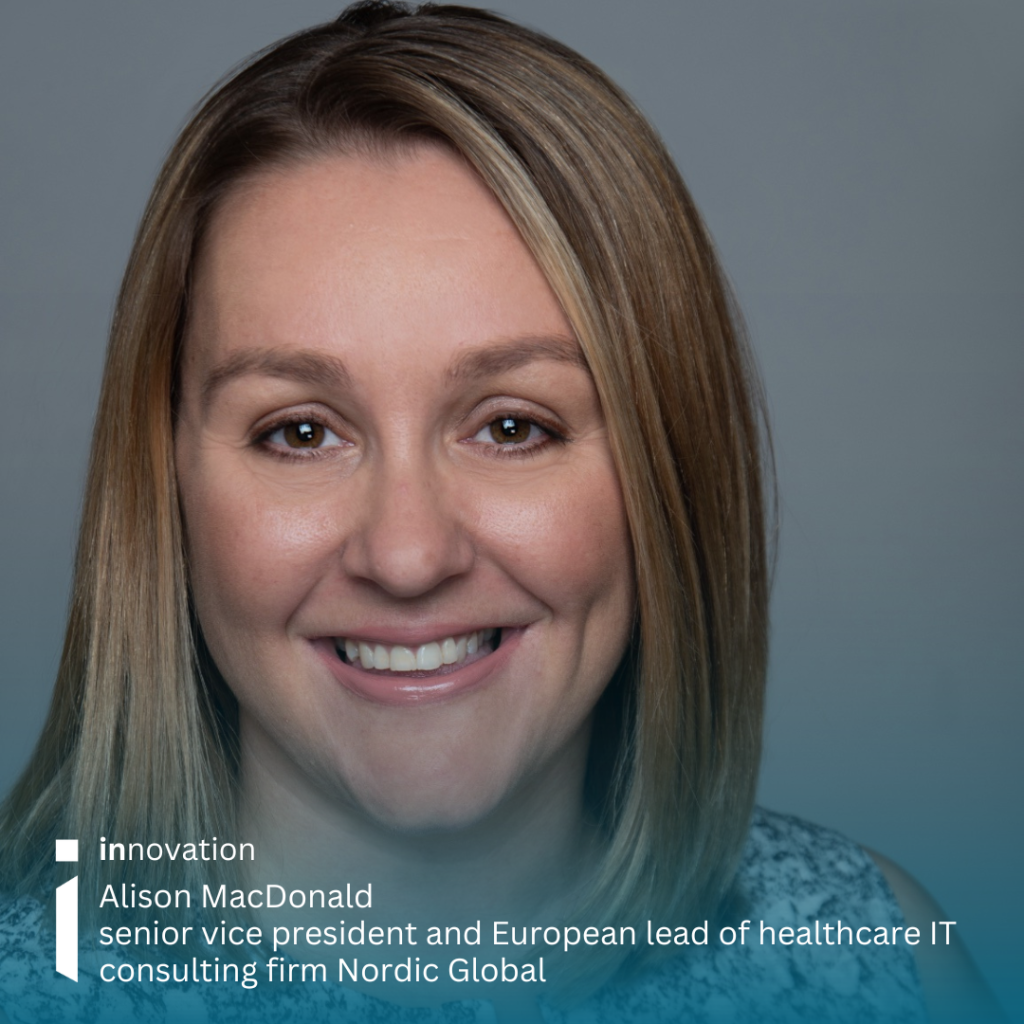
Alison MacDonald, senior vice president and European lead of healthcare IT consulting firm Nordic Global, shares her thoughts about the impact the single patient record could have. Alison, who is a registered nurse, has more than 20 years of healthcare and leadership experience spanning informatics, professional practice and programme management.
One of the benefits a single patient record could have is the potential to reduce administrative burden as well as cutting down on duplication. Alison shares, “it would give clinicians faster access to information, meaning there’s more time to spend delivering care.
She added: “For any of us who have been in the healthcare realm for any amount of time, we know about the fragmentation and that broken patient story. Patients don’t receive care in one single spot over and over again. In terms of primary care services they receive this via their family physician or other practitioners in-situ and in the community.
“They will have encounters from acute care, and then when you’re talking about the number of services, particularly for patients with rare and chronic disease, they often have multiple specialist touchpoints throughout their lives.”
Having a fuller view of a patient’s history helps support the decision-making process. Alison underlines the advantages it could have for medical staff: “A single patient record brings all of that information together, so the clinician has the full story of the patient and not a partial story.
“Having that data and information at your fingertips from a clinician perspective certainly will reduce some of that patient fragmentation. More importantly, what it does is provide you with the information to make good clinical decisions, so there’s no gap or missing information in terms of that patient history and story.”

Helping the journey to diagnosis
While the single patient record would mean access to more complete and joined up information about the patient, beyond this, broader digital initiatives such as national and international databases could also aid the journey to diagnosis for those with rare conditions.
Alison explains that some healthcare software vendors, health information exchange organisations and health networks are building platforms that allow healthcare organisations to share clinical information across multiple providers, care settings and even countries.
She highlights the benefits when dealing with rare diseases: “You can do that search in terms of my patient has x, y and z symptoms, has this been seen elsewhere? You can query databases, and it certainly helps. One, it can help in terms of earlier diagnosis, but it also connects clinicians and in some cases families together with those rare diseases across the globe.”
Planning in a complex environment
The Secretary of State for Health and Social Care, James Murray, has said the single patient record will not move data from one system to another, but rather preserve it where it is and build links between systems so a person can see all the data at once.
He said during the debate that it would be delivered through a range of different contracts to ensure the system works in the interests of clinicians and patients.5
For over a decade Alison, originally from Toronto, has led large-scale electronic health record implementations and advised healthcare organisations worldwide on electronic health record (EHR) and electronic patient record (EPR) strategy and deployment. Implementation of any large-scale digital project has challenges and Alison says the amount of change required from a healthcare and organisational perspective shouldn’t be underestimated.
She adds “I’ve done a number of implementations myself over the years. It’s certainly transformative, and with any large transformation project, the amount of change that has to happen is definitely significant. With that often comes challenges, because it does change the way you work as a clinician, more of this is about people and process than it is about the technology. When you’re making changes, particularly in a complex environment like healthcare, that takes a fair bit of planning, and it takes a fair bit of doing as you’re implementing.”
Digital tools are already being used in healthcare to help improve patient access as well as increasing efficiency and cutting down waiting times. Alison shares an example of some work Nordic Global carried out for an NHS trust. This saw the introduction of patient self-scheduling and automated earlier appointment offers after cancellations.
Digital transformation helping drive efficiency
Speaking about the results from the first two implementation waves, Alison said more than 20,000 patients successfully self-scheduled appointments, while the ‘did not attend rate’ was halved for self-scheduled appointments. Over 3,000 patients accepted earlier appointment offers, and on average, appointments were brought forward by 16 days.
She said: “It provided some efficiency for the administrative teams—from a scheduling perspective, they saved about 10 minutes per patient, where the patient was self-booking those appointments. It made a significant difference in terms of patients being able to be seen earlier and freed up time in terms of the wait lists.”
Electronic patient records and data is “foundational”, says Alison, and something which can be used in addition to technologies such as AI to enhance patient safety and efficiency.
She adds: “There’s a lot more AI could be used for from a scheduling perspective. Again, that would have a significant impact in terms of wait lists.”
Information is vital when it comes to healthcare. For those who have been on a diagnostic odyssey, transforming the digital landscape in health and the single patient record could make a huge difference to their care and shorten what is often a lengthy journey. It could also significantly reduce the burden on rare disease patients, who, to date, carry the responsibility for being the information conduit between fragmented healthcare systems.
Connect with Alison
References
[1]https://www.gov.uk/government/news/better-patient-care-as-nhs-set-to-introduce-single-patient-record
[2]https://hansard.parliament.uk/Commons/2026-06-01/debates/A2EAF490-72AB-4F7E-998F-3108BD40F89A/HealthBill(column 944)
[3]https://hansard.parliament.uk/Commons/2026-06-01/debates/A2EAF490-72AB-4F7E-998F-3108BD40F89A/HealthBill(column 955)
[4]https://www.gov.uk/government/news/20000-fewer-ae-visits-a-year-thanks-to-single-patient-record
[5]https://hansard.parliament.uk/Commons/2026-06-01/debates/A2EAF490-72AB-4F7E-998F-3108BD40F89A/HealthBill (column 892)
innovation spotlights the future of RARE through a technological lens. To access more innovation articles click below.