Hugo Fellows: securing the future of rare diagnostics

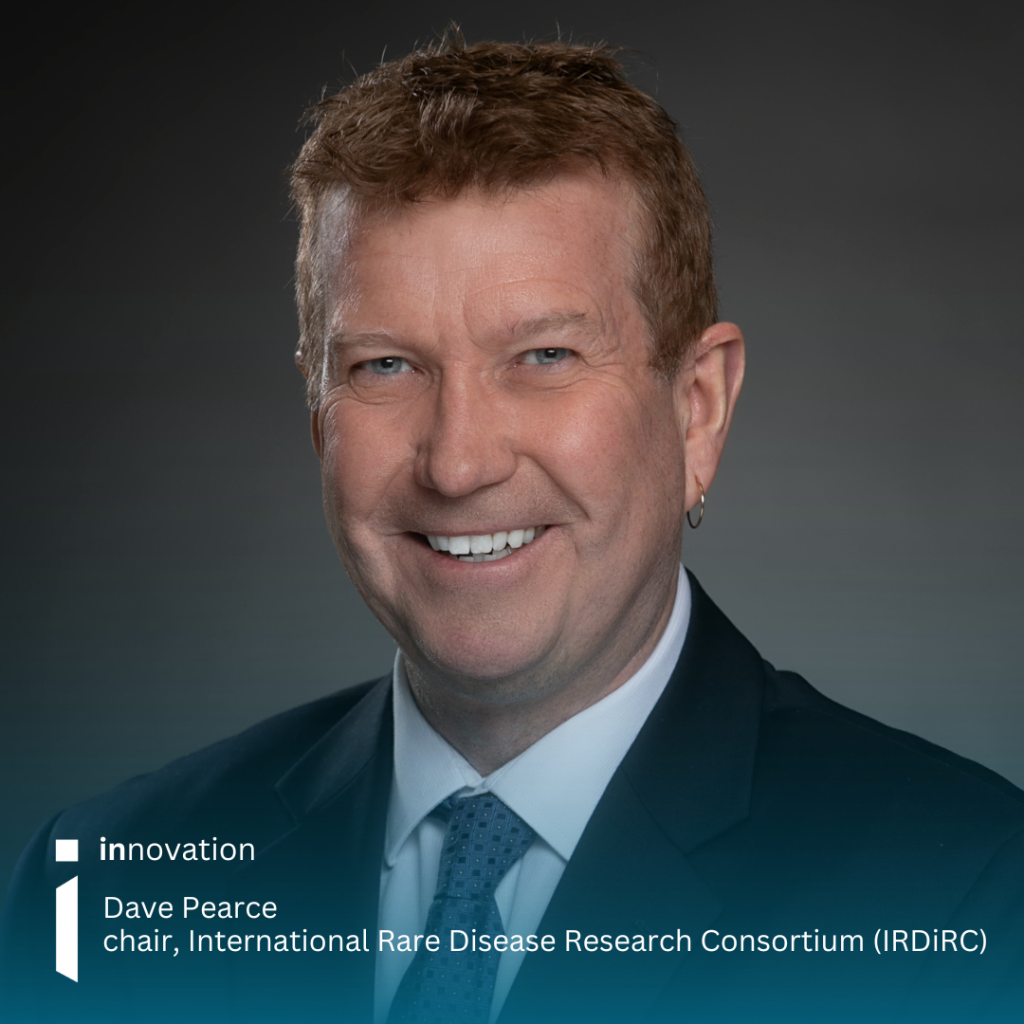
Interview with Dave Pearce, chair, International Rare Disease Research Consortium (IRDiRC)
Estimated reading time: 9 minutes
RARE Revolution first featured the Wilhelm Foundation’s Undiagnosed Hackathon in June 2025, and since the initiative has rapidly evolved. Involving more collaborators and more families from around the world, it serves as a global training ground for rare and undiagnosed diagnostics. To ensure the progress continues and to nurture the next generation of expertise, IRDiRC chair, Dave Pearce, explains the newest evolution of the programme—the Hugo Fellows
Dave Pearce trained as a biochemist in the UK, before moving to the US to study molecular genetics. He established a research programme for Batten disease, was recruited to direct a children’s research centre and led the research for an entire health system from bench science to clinical trials. He is chair of the International Rare Disease Research Consortium (IRDiRC), and advisory board member for the Wilhelm Foundation and for the Undiagnosed Diseases Network International (UDNI). Describing himself now as more of strategist he is committed to addressing undiagnosed rare diseases.
Dave first met Helene and Mikk Cedderoth, founders of the Wilhelm Foundation, at IRDiRC’s international congress. Having lost three children to a still unknown rare disease, Helene and Mikk have dedicated their lives to finding answers for those living with undiagnosed diseases. When the three met, Helene and Mikk were just launching their first Undiagnosed Hackathon—an initiative gathering together clinicians, bioinformaticians, geneticists and molecular biologists to solve real life undiagnosed cases in just 48 hours. Attending the first Undiagnosed Hackathon in Stockholm and the second in Nijmegen, Dave gained a deeper understanding of the hackathon model and its diagnostic impact. As his own career shifted, he progressively took on a more active advisory role at the foundation, helping with subsequent hackathons and brokering new collaborations.
The Undiagnosed Hackathon: innovation in diagnostics
Dave views the Undiagnosed Hackathon model to be effective for a number of reasons. Firstly, it brings together all disciplines in the chain, from phenotype right down to pathway: clinicians, bioinformaticians, genetic counsellors, AI experts and biochemists.
As he explains: “You’re bringing all of the pieces together from the clinical phenotype all the way down to the most pure piece of chemistry we have, our genomes. And then we’re asking, ‘what does that actually mean in a cell and why is that person manifesting that clinical phenotype’. You don’t always get that in this day and age.”
This new expression of collaborative working counters the fragmentation of traditional, siloed meetings.
Dave believes the Undiagnosed Hackathon restores the lost art of phenotyping. Advanced genomics alone is not enough without careful clinical observation and dysmorphology, and the Undiagnosed Hackathons expertly blend these nuanced skills with the latest technological advancements. He recalls a story from the Stockholm hackathon: Dr Gareth Baynam, clinical geneticist and medical director of the Rare Care Centre in Australia, “asked if he could take the socks off a child to look at her feet, which had never been done before. And at the Undiagnosed Hackathon in Nijmegen, parents sent a photo to the group during the Hackathon, of their child, who was not present, which showed that their toes were overlapped. Putting this together with what was found in the genomic analysis, a pathway was then identified.” In recognition of the value of phenotyping, the next Undiagnosed Hackathon in Singapore, in September 2026, will feature a phenotyping course.
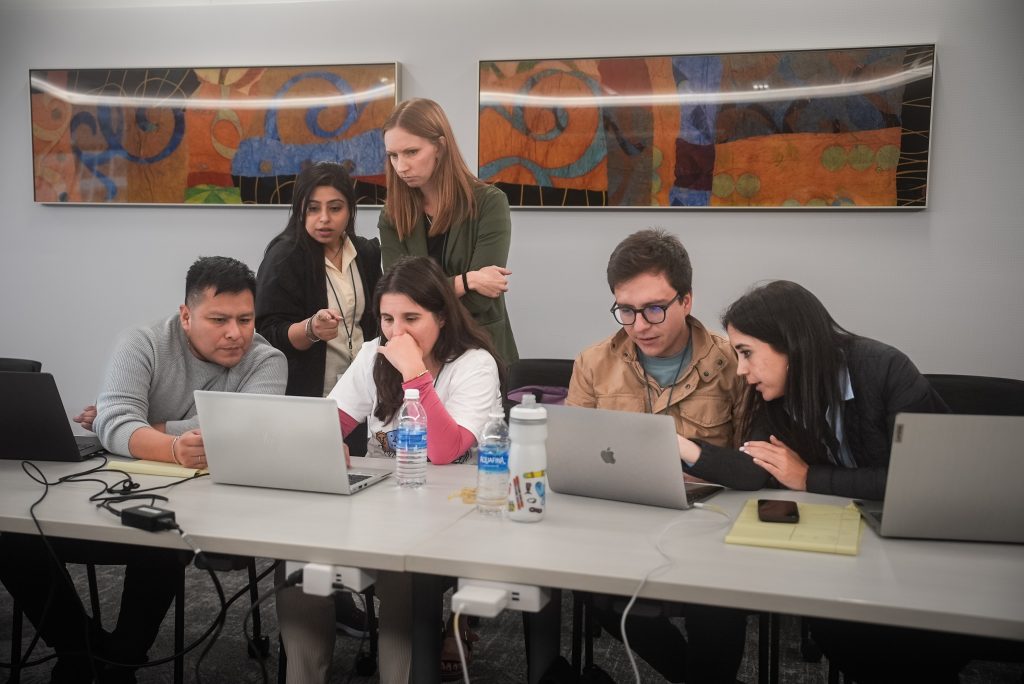
The face-to-face contact with families also changes how data specialists see their work. “I think most of us in rare diseases know the power of relating it to the patients and the families,” shares Dave. But for those who are primarily in the lab or analysing data, this may be their first time meeting rare disease families—the people they are working so hard to help—and it can suddenly make the work ‘very real’, strengthening their commitment to finding answers.
The Hugo Fellows: nurturing the next generation
It was after the success of the Undiagnosed Hackathon in India, in February 2026, where experts were bought in to teach the Indian physicians and scientists the way of the hackathon, that Dave began to consider the sustainability of this growing initiative. As he explains, “I thought, how are we going to make this sustainable if we don’t have the next generation locked in? There’s going to be more and more data, and we need enough people who’ve seen how to analyse it and put two and two together and work in these teams. That’s the long-term strategy.”
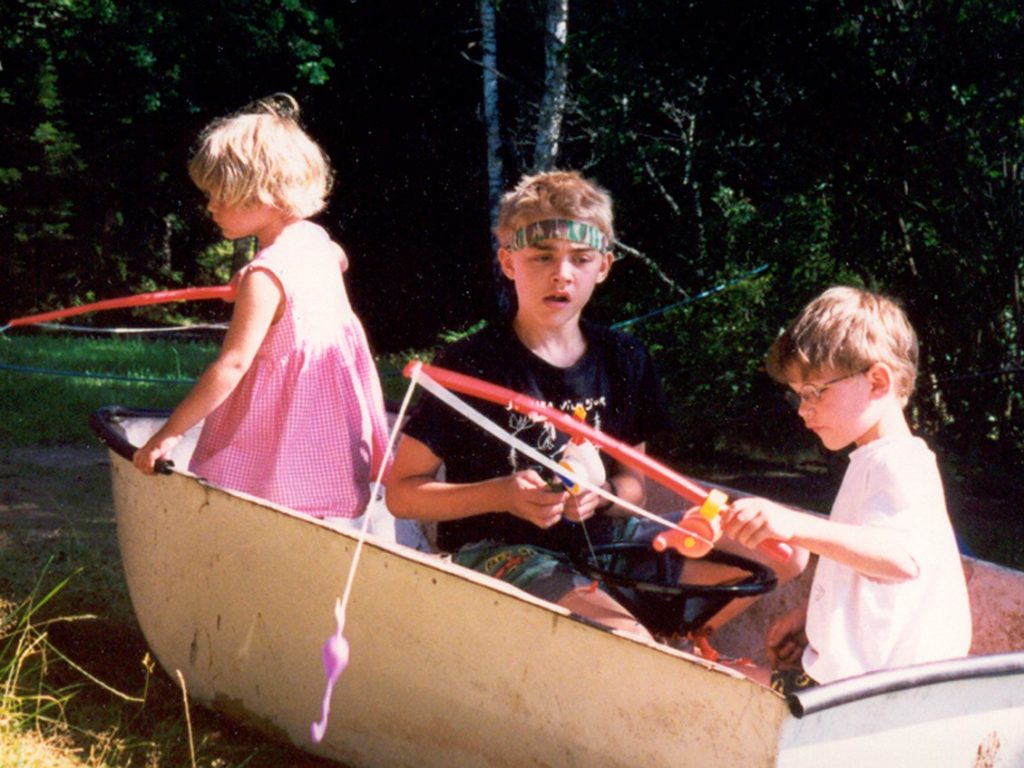
This was the genesis of the Hugo Fellows. Named after Helene and Mikk’s second son who died from an undiagnosed disease, it represents sustainability and legacy. 11 early-career professionals from across the globe, who had attended previous Undiagnosed Hackathons, were selected as the first Hugo Fellows.
“I wanted to guarantee we had some of the best, most talented minds at each hackathon,” notes Dave.
The primary commitment for the Hugo Fellows is to attend the Undiagnosed Hackathons and become recognised leaders and role models. The consistency of the Fellows means they can help build capacity, share methodologies and train and support newer members in diagnostics and teamwork. They will also be expected to represent the programme at meetings and conferences.
For the Hugo Fellows, they will receive mentorship training from Dr Paul Lasko, director of programmes at the Wilhelm Foundation. They will gain access to datasets very few people have and secure first-hand experience of this collaborative, innovative way of working, offering significant career development. “People will look up to them because the Wilhelm Foundation has a lot of credibility. The validation and expertise of these people, who have been selected by the Foundation, and are trendsetters in this field, will mean people will aspire to their role. Hopefully it will create other opportunities for them, and as they progress, they will have more influence and carry the message further.”
The mission of the Fellows
Dave highlights how with all new technologies, there are limitations, which he hopes the Hugo Fellows can begin to address. Exome sequencing, long read genome sequencing, methylation analysis and RNA sequencing all have constraints and need to be interrogated, tested and refined as tools for undiagnosed diseases. “That will be one of the agenda items when I meet with the fellows–how do we get past that?” outlines Dave.
Dave would like to rethink data storage, eliminating the need to store every dataset, at considerable cost, and advocates instead for preserving DNA which can be re-sequenced as technologies improve. “Just keep the DNA and resequence it every few years. In five years’ time, the accuracy of the sequence will be different. It’d be naive of us to think that we’re getting it right all the time right now.”
The team are also planning to pilot proteomic testing with a small number of patients in Singapore (Proteomic analysis is the large-scale, systematic identification and quantification of the complete set of proteins in a cell, tissue or biological fluid.) “Technically it’s one of the hardest things to do—not just to look at the proteins but the transportation of that sample because as soon as you take plasma out of a human being, it’s changing, it’s still a biologically active fluid, and very susceptible to temperature and light.”
With a team of young, early-career professionals, it is Dave’s hope that these new technologies and forward-looking strategies can be fully explored and integrated into the diagnostics process.
Why trust and data sharing must sit at the heart of research
Dave would like to see more Undiagnosed Hackathons take place around the world, not just as events in themselves, but to serve as hands-on training environments. He also hopes that their long-term impact will be to shift attitudes to data sharing and spread a culture of more open and collaborative partnerships. “That’s one of the biggest rate-limiting steps, not just in undiagnosed but in rare diseases right now. There’s too much ego from the academics who don’t want to share, and too much bureaucracy across borders or across health systems in terms of sharing. The bottom line is this: why do we have to get 150 people in the same location to look at 25 data sets when this information can be shared?” He would like to see the hackathons normalise trusted, cross-border access.
The team are already planning to use the hackathon model as a training workshop at the American Society of Human Genetics (ASHG), where they will teach the process of the hackathons and share datasets that they are yet to find answers for. For Dave the core legacy is not just technical but cultural, changing the way people view research, data sharing and collaborations.
“The most valuable commodity in rare diseases is a single word—trust. I think the hackathon programme will help create trust in terms of data sharing because that’s definitely one of the rate-limiting steps right now.”
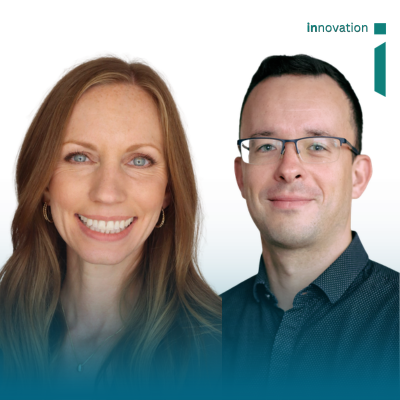
Coming next week: hear from two of the first Hugo Fellows
For more information, please visit; wilhelmfoundation.org/undiagnosed-hackathon
Connect with Dave
innovation spotlights the future of RARE through a technological lens. To access more innovation articles click below.