Introducing the Hugo Fellows: insights from the frontline of rare disease research

Estimated reading time: 10 minutes
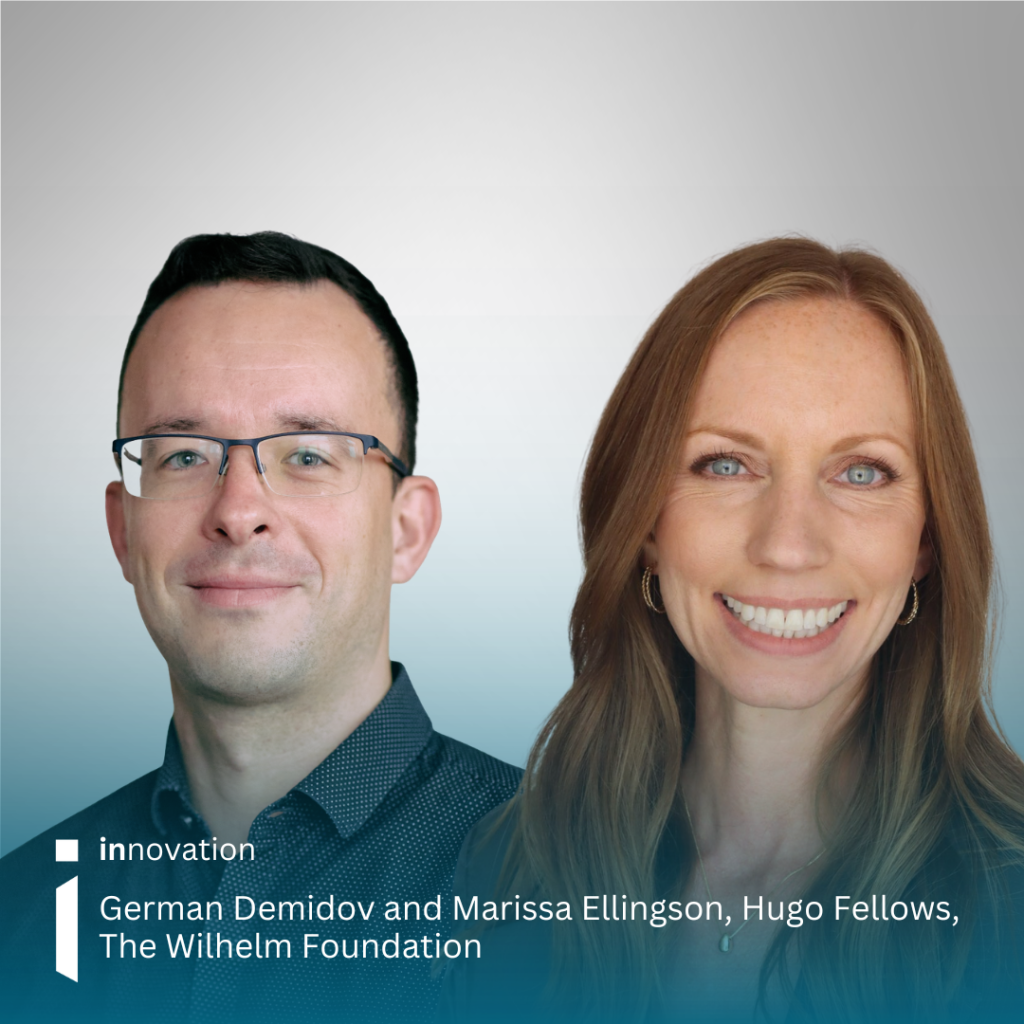
The Wilhelm Foundation’s Hugo Fellows initiative brings sustainability to the Undiagnosed Hackathons. Here, Fellows, German Demidov and Marissa Ellingson share their motivations and the innovative methodologies they apply to rare disease diagnostics
The Wilhelm Foundation, led by Helene and Mikk Cederroth, launched the first Undiagnosed Hackathon in 2023—an initiative bringing together experts in the rare disease space to work together to solve real undiagnosed cases. With a further three Hackathons held since then, and more planned, the initiative is going from strength to strength.
In 2026, the Foundation launched the Hugo Fellows, a group of 11 experts who will attend each Undiagnosed Hackathon, bringing increased sustainability to the programme and building capacity. Led by Paul Lasko, director of programmes at the Wilhelm Foundation and
Dave Pearce, chair, International Rare Disease Research Consortium (IRDiRC), the Fellows will serve as role models for newer members to the programme, sharing their knowledge and methodologies.
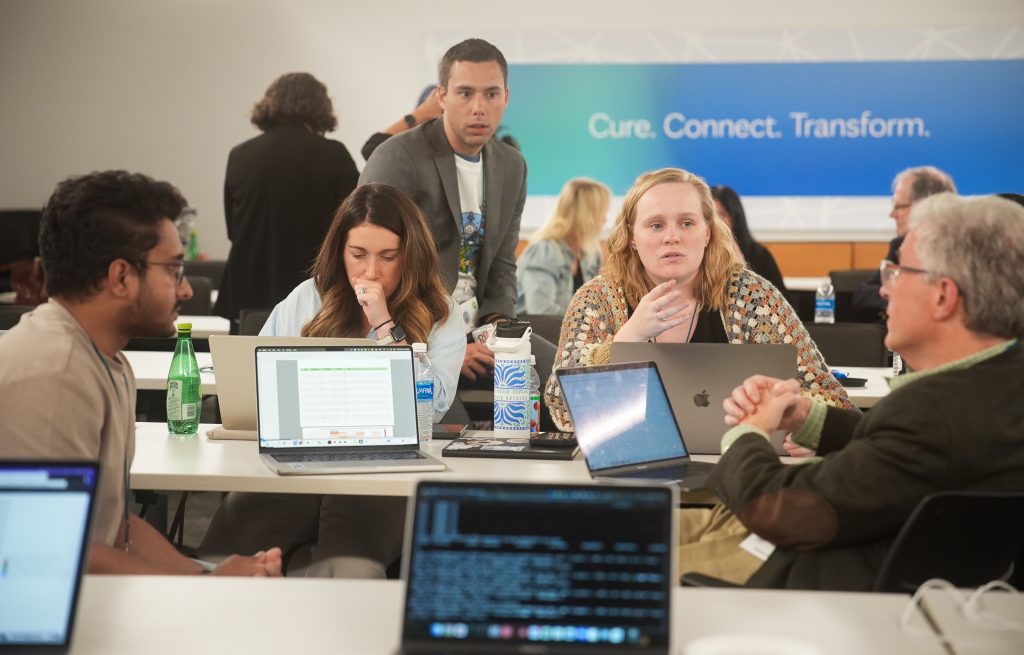
German Demidov and Marissa Ellingson are two of the first 11 Hugo Fellows. German, from Heidelberg, Germany, has a PhD in biomedicine and has been involved in three previous Undiagnosed Hackathons. Marissa is a genetic counsellor and assistant professor of Laboratory Medicine and Pathology at Mayo Clinic in the US and attended the Undiagnosed Hackathons in the US and India. They share their insights into the value of the Hackathons and their hopes for the Hugo Fellows programme.
1. What is your motivation for taking part in the Undiagnosed Hackathons and what do you hope to gain from becoming a Hugo Fellow?
German: I have been involved in initiatives solving undiagnosed rare genetic diseases since 2020, when I started work with Solve-RD consortium as a bioinformatician, and so participation in the Undiagnosed Hackathon was very natural for me.
Being a Hugo Fellow will allow me to attend the future Undiagnosed Hackathons, wherever they happen. I have already learnt a lot from the opportunity to work with the best of the best during the Undiagnosed Hackathons in Stockholm, Nijmegen and Hyderabad. Now it’s my time to give, not to get, so I will endeavour to be more involved in the raw data analysis and in educating more junior colleagues.
I also have a personal motivation—I am a rare disease patient myself and I was able to save my own life by doing my own genome analysis just for fun, discovering a tumour syndrome and a subsequent tumour in a matter of months. I want everyone else with a genetic disease to have the same chances as me. My relationship with patients is defined by the principle: treating another’s pain as my own.
Marissa: I hope to help bring answers and improved care to individuals and families living with undiagnosed diseases. Many individuals with rare diseases endure lengthy diagnostic odysseys filled with uncertainty, and I want to help find ways to end that journey. The Undiagnosed Hackathons provide a unique opportunity to contribute to solving some of the most challenging cases for individuals who have not found answers through standard clinical testing.
Becoming a Hugo Fellow is incredibly meaningful because it allows me to continue engaging with the Wilhelm Foundation and the Undiagnosed Hackathon community. The fellowship will deepen collaborations, foster knowledge sharing and provide ongoing opportunities to learn from leaders across diverse disciplines. I am excited to expand my knowledge of advanced genomic technologies, as well as approaches and tools used to interpret genomic data. I hope to then apply those insights not only to individual cases, but also to improving diagnostic systems more broadly. I also hope to help expand the reach and impact of the Hackathons within the global rare disease community, particularly in underserved regions where access to specialised expertise and genomic resources may be limited.
2. What unique value do you feel you bring to rare disease research?
German: My profile is technical; I understand how the diagnostic software tools work and why they may generate false positive or false negative results. I have considerable experience of exploring really complex structural variants using very different methodologies—short, long read sequencing or optical genome mapping. My unique value is to help medical geneticists to understand the hidden technical complexity of the data.
Marissa: As a genetic counsellor with experience in clinical care, research and laboratory diagnostics, I bring a perspective that spans the entire rare disease journey. I understand both the human impact of living without answers and the technical challenges of uncovering them. My expertise is in interpreting exome and genome sequencing data and identifying genetic variants that explain an individual’s clinical features. What I value most is connecting those two worlds, combining scientific rigour with an understanding of the patient experience.
3. What have you taken from the Undiagnosed Hackathons that you have incorporated into your everyday work?
German: I have absorbed the way medical geneticists from around the world approach their patients and the way they try to look for a diagnosis. I have adapted the way I generate and present my bioinformatic results to medical personnel.
Marissa: As an individual who works on the front line of clinical genomic testing on a daily basis, it is humbling to know that there are many previously negative cases that can be solved by bringing together teams of experts and giving them access to the latest technologies and tools at the Undiagnosed Hackathons.
With that, one of the most important lessons I have taken from the Hackathons is being persistent and not losing hope. Genomics is evolving incredibly quickly, and while we may not have an answer for a family today, that answer could emerge tomorrow. New technologies, analytical approaches and gene-disease associations are being discovered every day, continuously expanding our ability to solve previously unsolved cases.
The Hackathons have reinforced the importance of never giving up. In my daily work, I recognise that a negative result means the answer may not be easy to find, but we should never stop looking.
4. How does collaborating with experts and patients across different countries and healthcare systems shape your approach to a problem?
German: The main thing I discovered at the Undiagnosed Hackathon is that there are thousands of ways to approach the diagnosis. Even two people working next to each other can start from a different place. So, as a bioinformatician, I learn to quickly adapt to the person I am working with.
Marissa: Working with experts and patients from different countries has taught me to listen first, ask thoughtful questions and avoid making assumptions. Healthcare systems vary widely in terms of available resources, diagnostic pathways and clinical practices, so understanding those differences is critical when approaching a complex case.
5. As a next-generation innovator, what emerging technology or methodology are you most excited to apply to undiagnosed cases?
German: Currently it is pan-genome bioinformatic approach, which is more of a methodology than a single biotechnology—genomic regions previously inaccessible since they were not represented in the single human reference genome are now available for the analysis because we have started to use not a single reference genome, but collections of hundreds of genomes from different ancestries. For now, it improves the common polymorphic frequent ancestry-specific variants, but we are already starting to understand the disease-causing variants located in such regions.
Marissa: I am particularly excited about the clinical adoption of long-read genome sequencing. This technology has the potential to overcome many of the limitations of traditional short-read sequencing, allowing us to detect genetic variation that may have previously been missed. As this technology becomes more accessible and integrated into clinical practice, I believe it will play a significant role in improving diagnostic rates for individuals with rare and undiagnosed conditions.
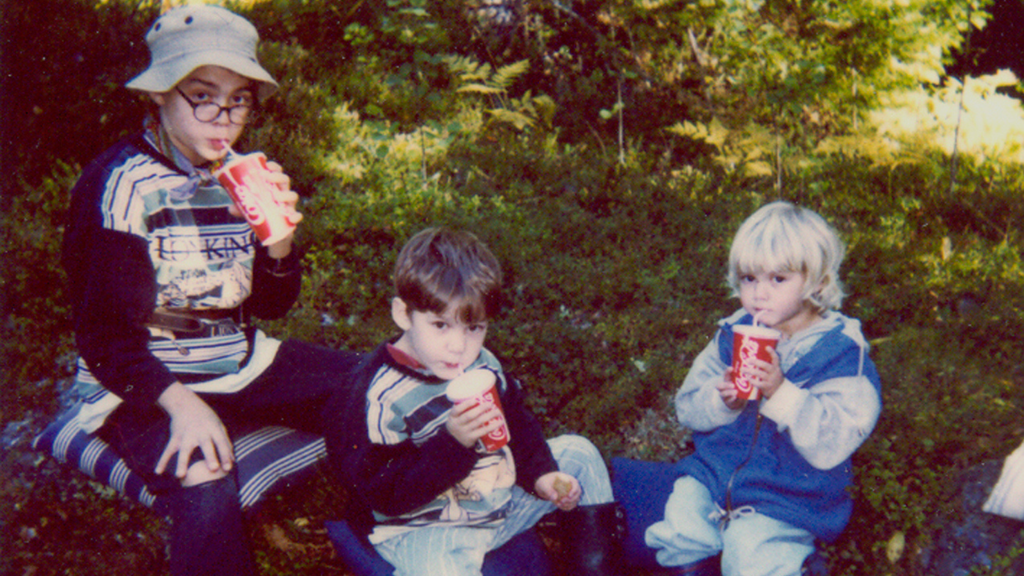
6. The Hugo Fellows programme is named in memory of Hugo Cederroth. How does his story influence your daily work and your connection to the Wilhelm Foundation?
German: The story of Hugo Cederroth, as well as Wilhelm and Emma, is very emotional to everyone who hears it, me included. Helene and Mikk are a true inspiration for the way they transformed their story in such a meaningful way. But overall, it is difficult to voice all the emotions one experiences while thinking about Hugo, Wilhelm and Emma’s story. I can only say that we will try to help other people with genetic diseases, children, their parents, young adults, elderly people—who want answers—as much as we can.
Marissa: Hugo’s story is a powerful reminder of why this work matters. His story demonstrates the importance of continued collaboration, research and innovation, and serves as an ongoing source of motivation to find answers for people living with undiagnosed diseases.
Hugo’s legacy is also reflected in the remarkable work of his parents, Mikk and Helene, whose vision, determination and unwavering commitment to the rare disease community have inspired countless individuals around the world. Seeing the impact they have made, it is easy to imagine what an extraordinary person Hugo must have been.
7. What difference does it make to actually meet undiagnosed children and families and how does that influence your work?
German: Meeting the undiagnosed patients lies outside of the professional scope and more in the emotional space. Seeing them gives me the confidence that we are doing the right thing, we are putting efforts in the right place and we should run the extra mile if we can to provide them with a diagnosis.
In modern medicine, a healthy pragmaticism, cost-efficiency analysis is something which is necessary to keep the system working. But during the Undiagnosed Hackathons we are not limited by that, we have almost all the data one can imagine and we can go way beyond the standard battery of genetic tests.
Seeing the patients gives us strength to explore the data deeper, even if we see nothing at the first, second and even the third sight. It becomes personal, which is advised against during the standard clinical routine, but is one of the goals of the Undiagnosed Hackathons.
Marissa: Meeting undiagnosed children and their families transforms what could otherwise feel like an abstract scientific challenge into something deeply human and personal. Connecting directly with Hackathon participants helps keep their needs at the centre of our minds, even when we are performing highly technical tasks.
These conversations are also valuable from a clinical perspective. Families can share details about their experiences, symptoms and diagnostic journeys that may not be fully captured in the medical record. Those insights can provide important context and generate new ideas that help move a case closer to a diagnosis.
To learn more about the Wilhelm Foundation and the Undiagnosed Hackathons, please visit:wilhelmfoundation.org
Read more about theUndiagnosed Hackathonsand theHugo Fellows.
Connect with German
Connect with Marissa
innovation spotlights the future of RARE through a technological lens. To access more innovation articles click below.