
Drug repurposing: translating optimism into action for rare diseases
Estimated reading time: 8 minutes
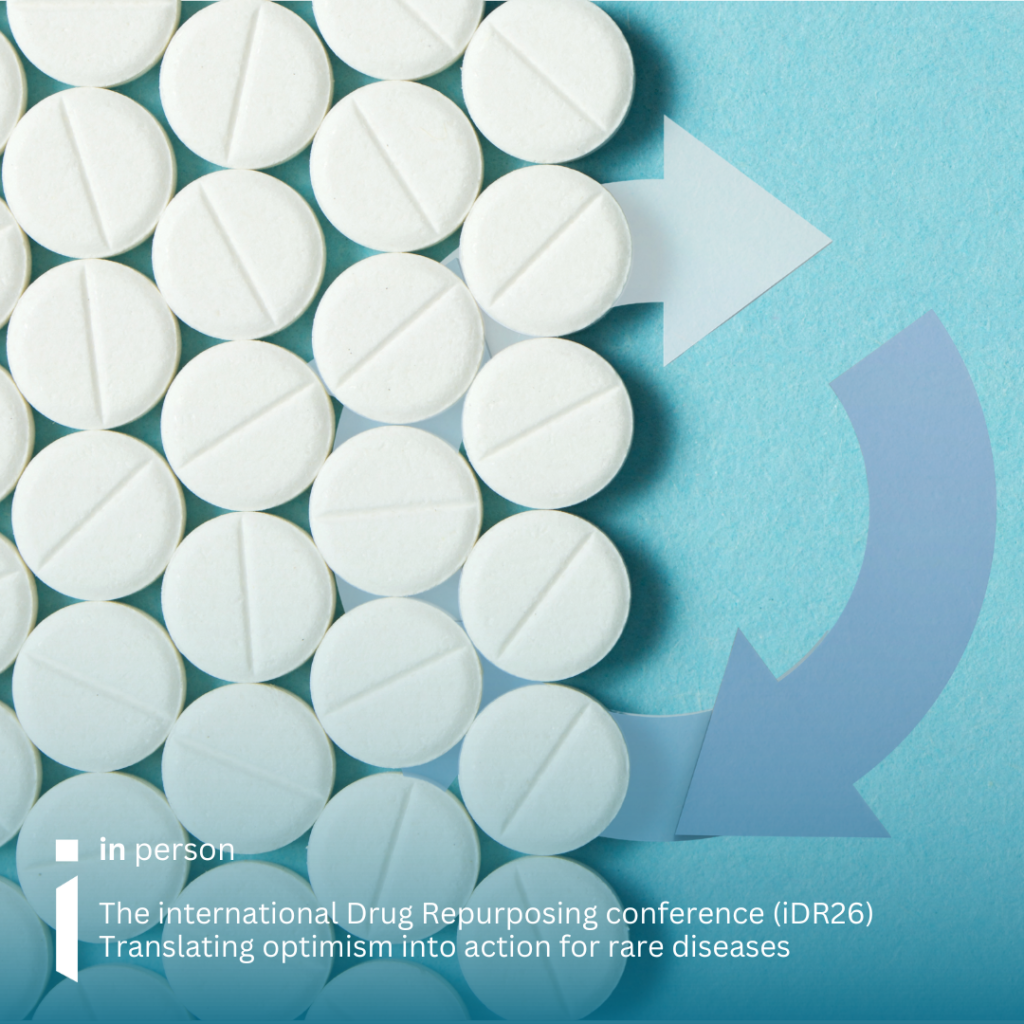
Day one of the international Drug Repurposing conference highlighted the immense political will and potential for faster, cheaper treatments for rare diseases. Yet attendees urged caution: systemic challenges—from financing and IP incentives to centring the patient experience—must be resolved to move beyond PR and achieve clear, timely patient benefit
Navigating the future of drug repurposing
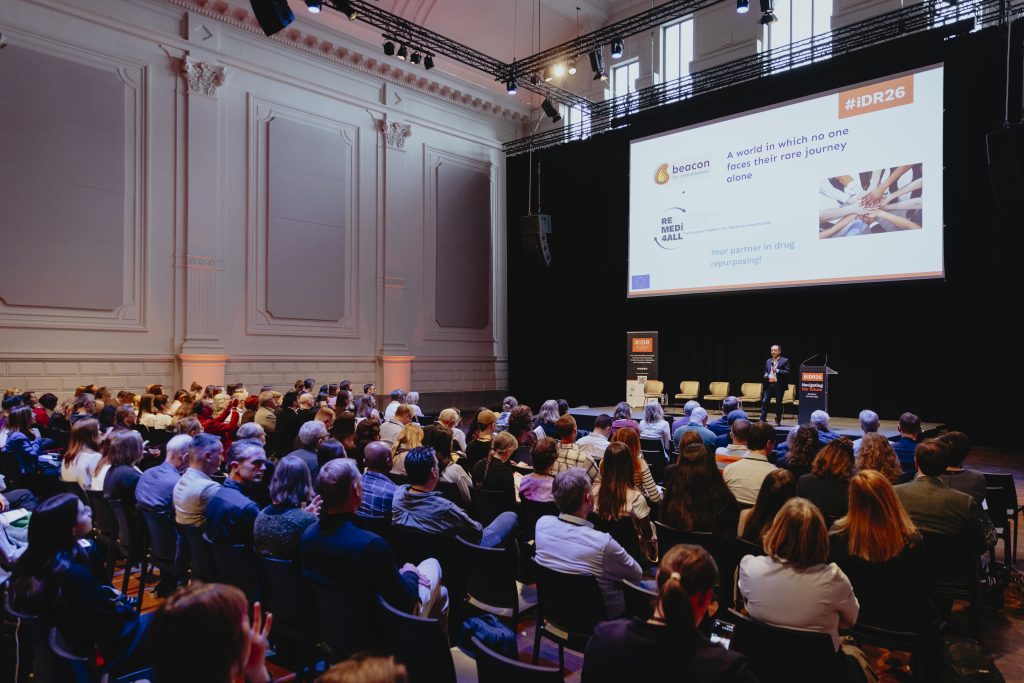
The international Drug Repurposing conference (iDR26) hosted byREMEDi4ALL and Beacon, in Brussels, kicked off with a palpable sense of optimism. Running over two days and two tracks there was a terrific line-up of speakers and content. As a first-time attendee of the event, I came with the question: is drug repurposing a viable option for treatment development for rare diseases?
REMEDi4ALL is an EU-funded research initiative to drive forward the repurposing of medicines in Europe of which Beacon for rare diseases is a founding partner. The REMEDi4ALL consortium brings together a unique combination of expertise to address the complexities of drug repurposing. Under the leadership ofEATRIS,the European infrastructure for translational medicine, 26 organisations in the fields of clinical and translational research, clinical operations, patient engagement and education, regulatory framework, funding, governance, Health Technology Assessment (HTA) and pricing and reimbursement will closely collaborate to make drug repurposing mainstream.
In an age where the rate of new rare diseases being discovered constantly challenges our capacity, repurposing existing therapies promises a path to faster, cheaper and safer drug development. But are we in a position to say this yet?
The promise: efficiency, affordability and political will
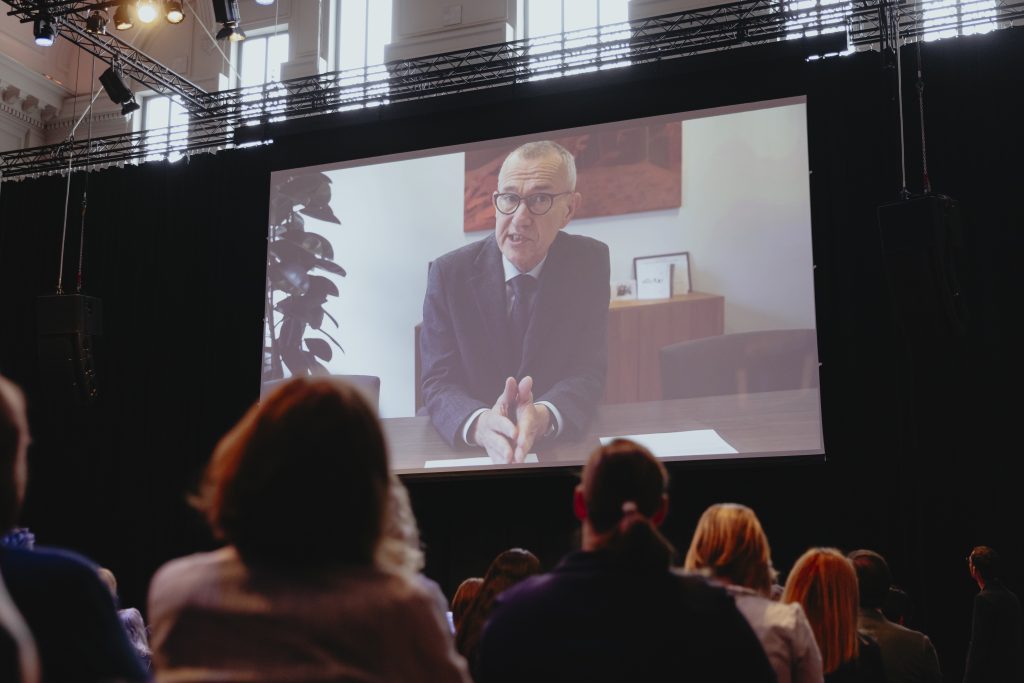
The core appeal of drug repurposing lies in its potential for efficiency, strong safety profile and affordability. The Health Minister of Belgium, Frank Vandenbroucke, via video recording, described drug repurposing as sitting uniquely between “innovation and pragmatism”, with Belgium actively financing and supporting its development.
“The fact we are discussing drug repurposing over two days is in itself stunning” he noted.
In her talk, global health researcher, advisor and advocate, Els Torreele, advocated for a future focused on increasing public health outcomes at an affordable price, arguing for publicly funded clinical trials and a rebalancing of public need against private sector and commercial interests. Spanish Minister of Health, César Hernández, delivered an interesting point: could drug repurposing be considered as the pharmaceutical sector’s contribution to the circular economy. And Nafeesa Mat Ali, clinical researcher, City of St George’s, University of London, outlined Malaysia’s strong commitment to building a repurposing strategy, aiming to position the nation as a regional hub and emphasising that system readiness is key to achieving this vision.
It was great to see the level of political will and funding initiatives to support this will and I hope this is echoed across other countries.
The patient at the centre: experience, value and data
Throughout the day, the necessity of centring patient experience was a recurring theme. The lived experience shared by Susan Morris-Wade, who was diagnosed with paroxysmal nocturnal hemoglobinuria (PNH) as a child, powerfully illustrated the personal toll of rare disease, including profound stigma, isolation and encountering misinformation. A clinical trial for a repurposed drug gave Susan a new lease of life, less hospital visits and the opportunity to meet another person with PNH for the first time, but Susan still faces barriers in the workplace because of her condition.
Daniel Lewi, co-founder and CEO, Cure and Action for Tay-Sachs (CATS) Foundation, was able to provide the audience with two case studies. One where the partnering process had gone well and another where it hadn’t. In the second case the sponsor abruptly halted the trial, making a strategic pivot.
This shows that drug repurposing still holds similar risks to those of novel drug discovery. It is at the mercy of company pivots, re-structures and financing decisions. For me, this opens up a broader issue into the role ethics should play in these situations and the need to ensure associated data and research is not lost, stored in a sponsor’s data vault. Despite these challenges, Daniel was pragmatic “you just have to hang in there”.
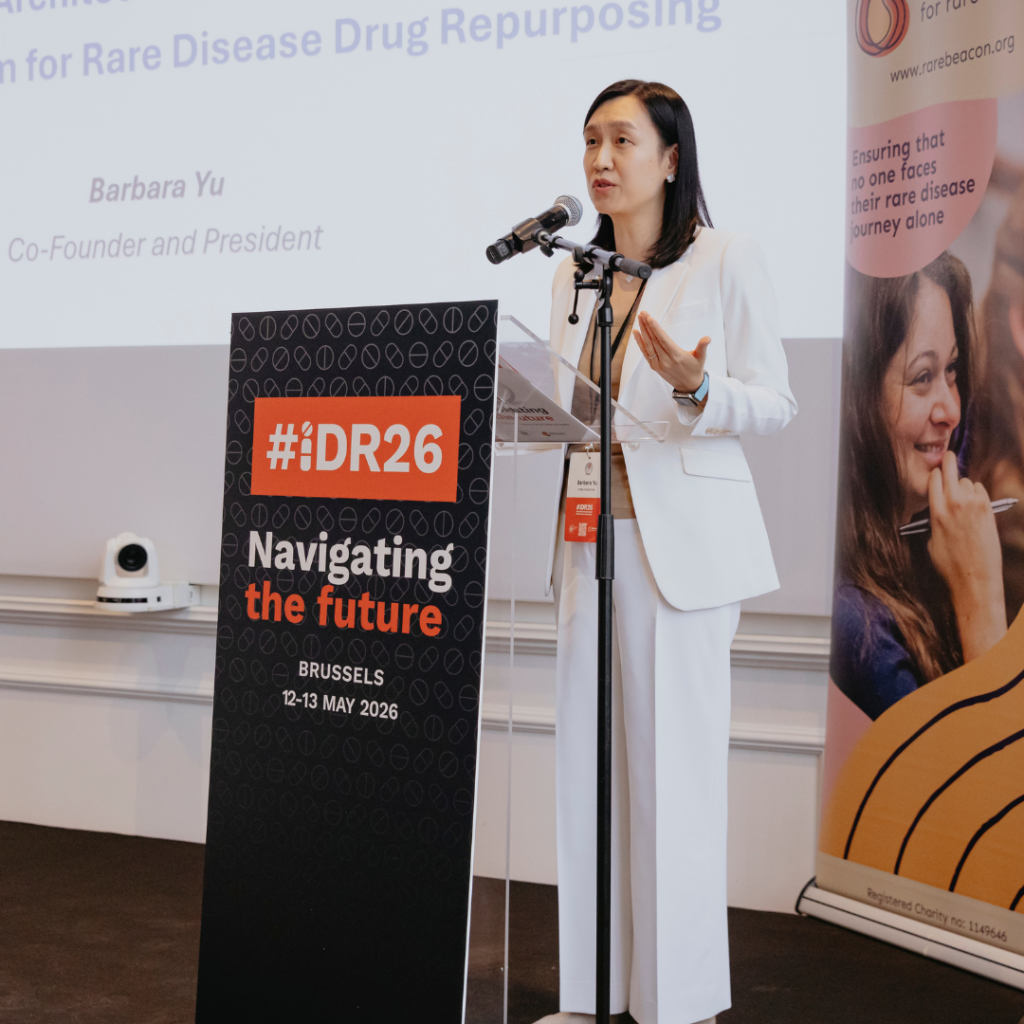
At a time when the pull of patient groups is already overburdened, I wonder how patient organisations are weighing up decisions of where to engage, where to drive and where to lead on another area of potential for their families. Barbara Yu, co-founder and president of the Citrin Foundation, touched on this with her call for long-term funding of 10 years for patient groups to stop the constant fundraising cycle and allow “advocates to become architects”.
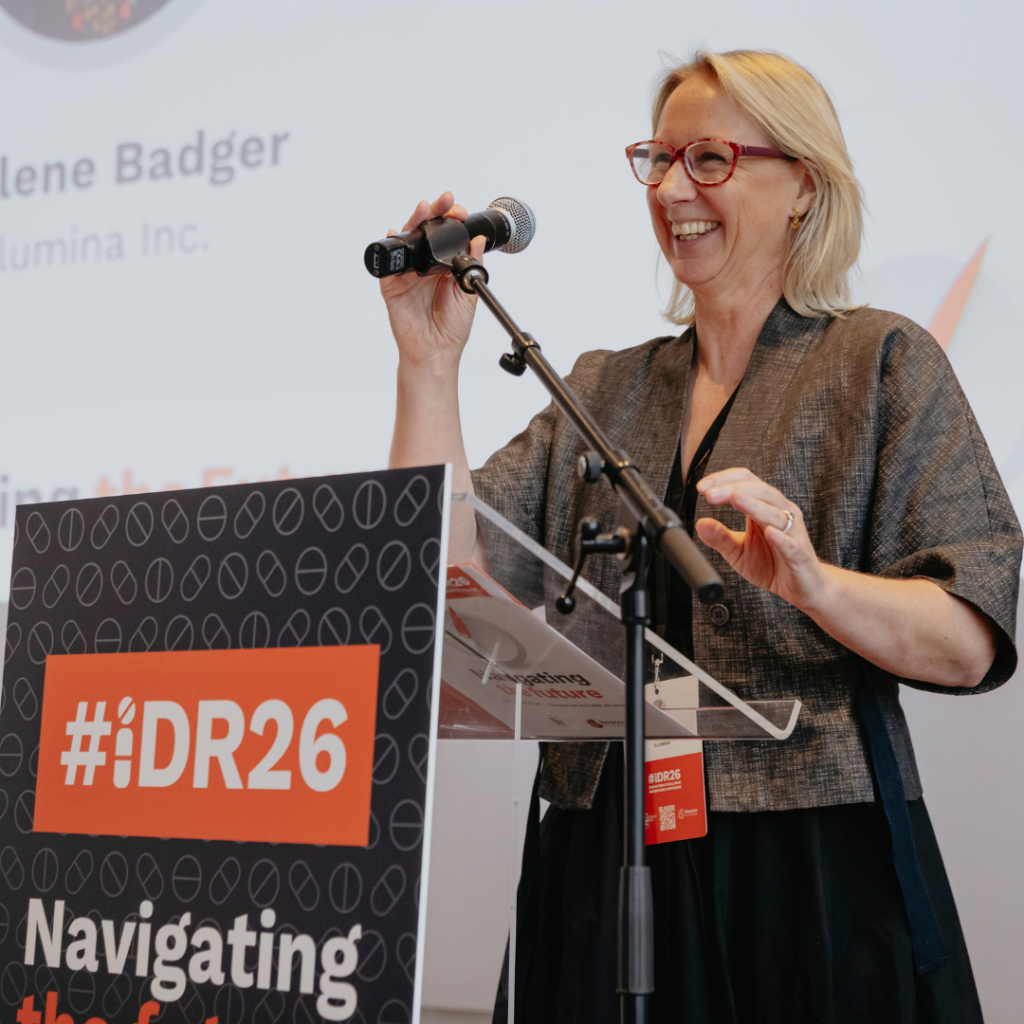
Shirlene Badger, global patient advocacy lead at Illumina, delivered an incredibly thought provoking talk, asking, “What does it mean to care for the most vulnerable in the world?”
Shirlene looks at rare disease as pioneering with “patients taking us by the hand”. This necessitates renegotiating the value of a diagnosis and decoupling it from a specific therapy. Diagnosis can mean so much more and can open up access to essential support, care and community. Ultimately, as Barbar Yu noted, success must be measured by endpoints that truly matter to the patients themselves.
Key challenges to address
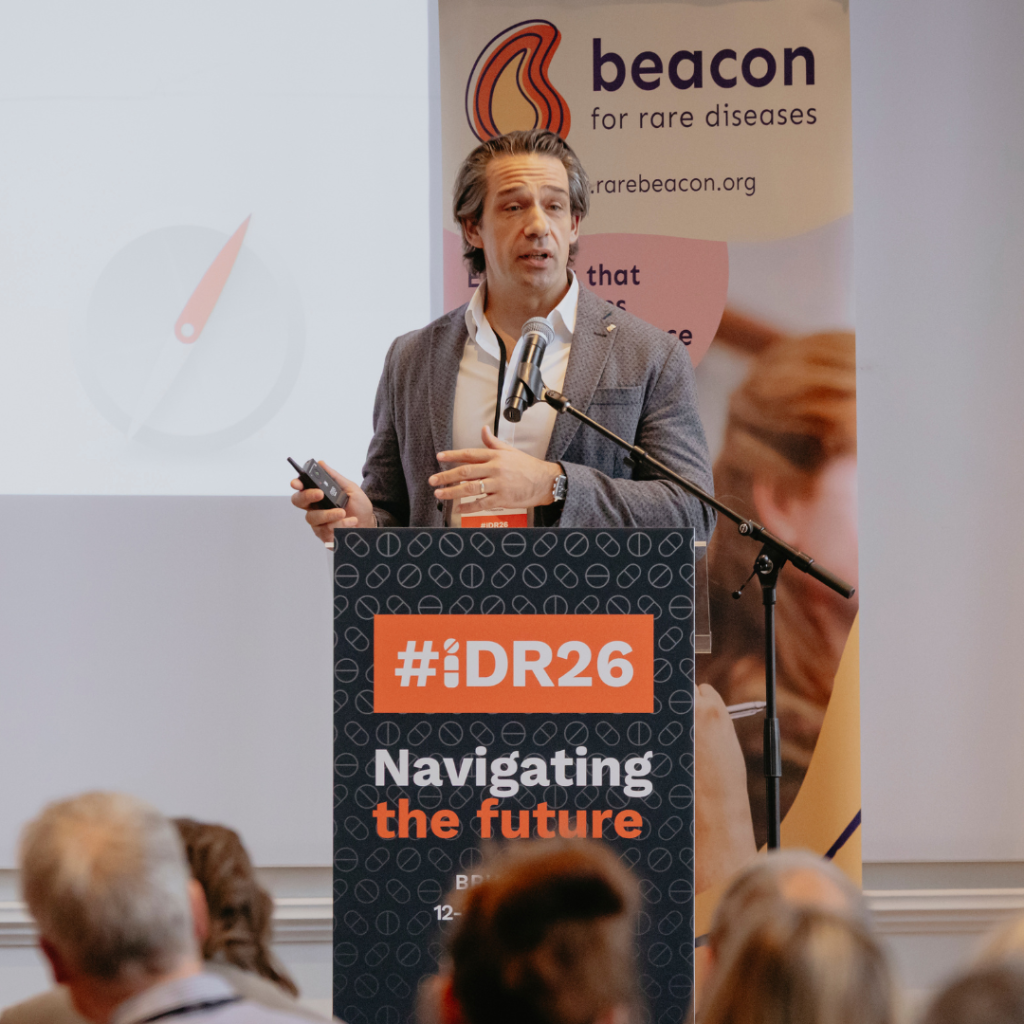
Despite the potential, significant systemic hurdles are yet to be addressed. Silos, data sharing, ethics, financing and, ultimately, access all need to be understood and addressed to ensure drug repurposing can move from promising research to patient benefit.
Julián Isla, founder of Foundation 29, stressed that while patients are the generators of invaluable data, they remain critically under-recognised as full partners in the development process.
The financial challenge was starkly illustrated by the case of a repurposed drug for Fanconi syndrome, where research is only made possible through collaboration with the candidate owner donating doses which carry a prohibitive $1 million price tag. And, from my conversations with attendees and speakers alike, many feel that incentives still predominantly flow only where intellectual property (IP) remains.
As a personal observation, many of the examples involved tumours and overgrowth anomalies, which leads me to ask, is there a reason, and is the hope of repurposing, available to all?
Conclusion: moving from optimism to action and transparency
The iDR26 event demonstrated a highly motivated and mobilised community. It was great to see a willingness for collaboration and as a viable option for new treatments, drug repurposing has undoubtedly found its place. Yet, a critical question hangs in the air: is it truly the faster, safer and cheaper option that it is heralded as?
Like all great conferences I came away inspired by the sheer human will, effort and talent but also with more questions than I went with, and a caution that the PR behind drug repurposing should be tempered to the reality not the potential. The good news is with organisations like REMEDi4ALL driving the conversation and collaboration, a vital focus on systems and a clear pathway to patient access will ensure drug repurposing moves beyond mere optimism to a place of clear timely benefit.
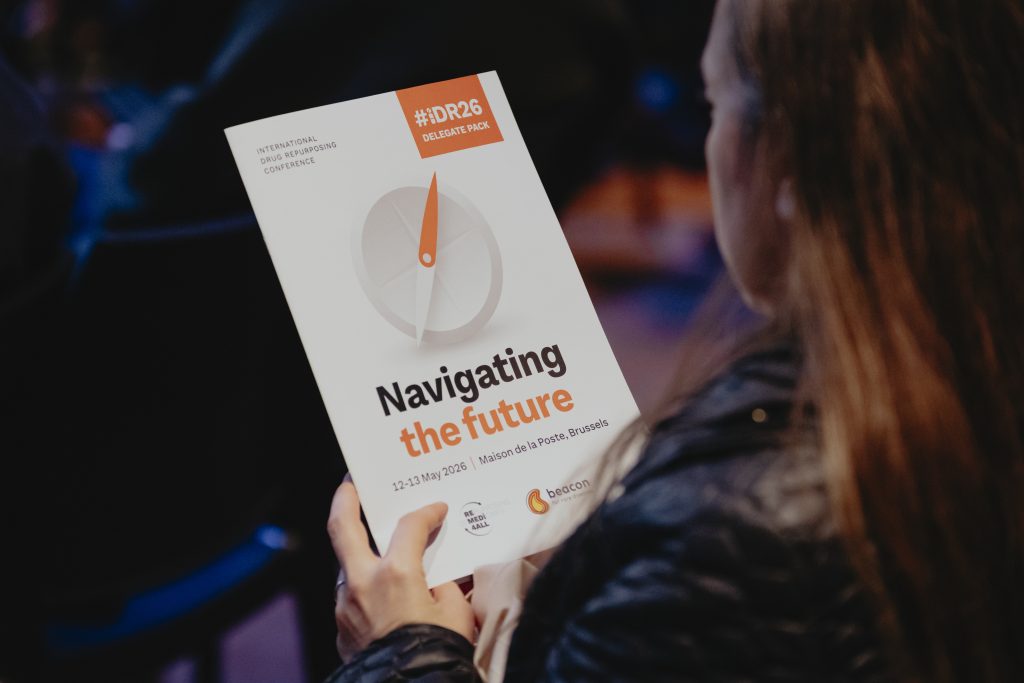
Photo credits: Joyce van Doorn, REMEDi4ALL
Connect with Rebecca
in person keeps you up to date with RARE conference insights. To access more in person articles click below.