
Fostering greater collaboration in rare disease research

Estimated reading time: 9 minutes
Collaboration lies at the heart of rare disease research because its unique challenges can only be overcome by working together. Many in the rare disease space are working hard to ensure the patient voice is central and funding and regulatory processes are reviewed to drive much needed progress in research and drug development. We look at some of the initiatives encouraging and cultivating global collaboration in rare disease
Challenges in rare disease research
Magda Chlebus, executive director of science policy and regulatory affairs at theEuropean Federation of Pharmaceutical Industries and Associations(EFPIA) explains some of the challenges in rare disease research.
She says small patient populations increase the complexity of running clinical trials and fragmented infrastructures often make it difficult to use the data that’s collected.
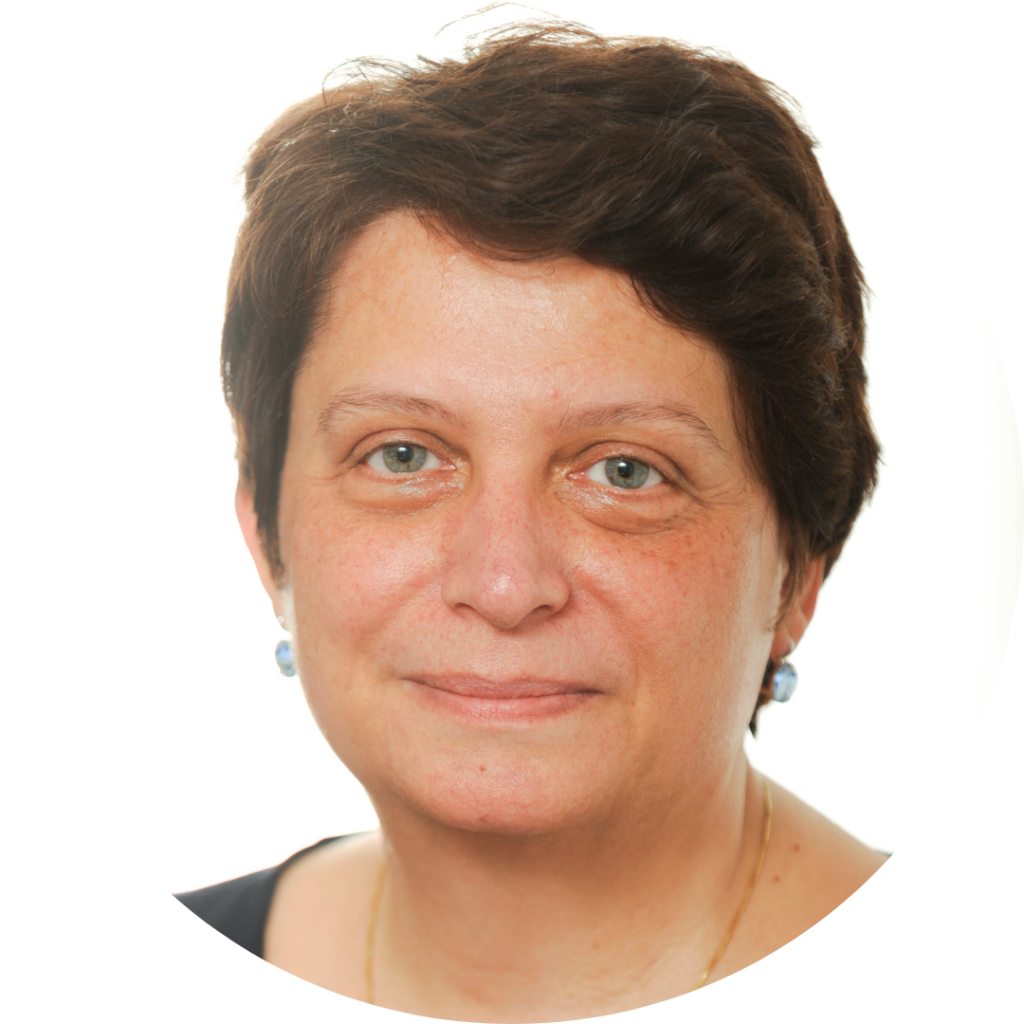
Sara Brambilla, global programme manager atRare Disease International(RDI), a global alliance of more than 100 patient organisations, says another challenge is an uneven distribution of expertise with some professionals never encountering a rare disease.
She explains that cross-sector collaboration is needed between researchers, clinicians, policy makers and industry. At RDI, Sara is leading a project called theGlobal Network for Rare Diseaseswhich aims to improve care for people with rare diseases. The project connects people living with rare diseases with experts, hospitals and various other stakeholders across different countries.
Collaborating better with people living with rare diseases
Collaboration with people living with rare diseases is something Dr Raymond A. Huml, MS, DVM, RAC, also advocates. He’s the vice president of Rare Disease Strategy at Sciensus a European life sciences company that works on getting life-changing therapies to patients faster.
He has worked in the biopharmaceutical industry for over 25 years and says: “My professional and personal worlds collided when my kids were diagnosed with a rare disease.” Raymond’s two children have facioscapulohumeral muscular dystrophy (FSHD), a progressive muscle degeneration disorder.

During his career, he estimates that he’s probably worked on over 250 drugs that have been approved for prevalent diseases and over 50 drugs that have been approved for rare diseases. But he says that over the years he’s gone from just being a proponent for drug approval to now focusing on access as well.
“I’ve seen a lot of drugs that get approved and people can’t afford them,” he says. Because of disparities in drug access, he’s previously advised families to relocate just so they can live somewhere where they can get the treatment their child needs.
His experience of working in pharmaceuticals as well as being a ‘rare parent’ led him to the realisation that drug companies don’t always understand what patients’ priorities are because they’re not talking to them enough.
As an example, he points to the numerous clinical trials investigating treatments for sickle cell anaemia. “On paper, we’re living in a golden age of new science for sickle cell,” he says. “In reality, most people still depend on older medicines and emergency care. And many people living with sickle cell simply can’t afford the new drugs that are coming to market.”
Raymond says: “I think we need to think about how we can help all the rare diseases, maybe with one initiative rather than keep thinking we need to just cure one particular disease.
“We all want a cure for each rare disease—but until the cures come, we still have to care for our loved ones.”
Tackling fatigue and taking into consideration the mental health burden of living with a rare disease are some ways of having a widespread impact. To capture patients’ needs Raymond says they need to be involved earlier when designing clinical trials, for example. And when studying children their caregivers need to be involved.
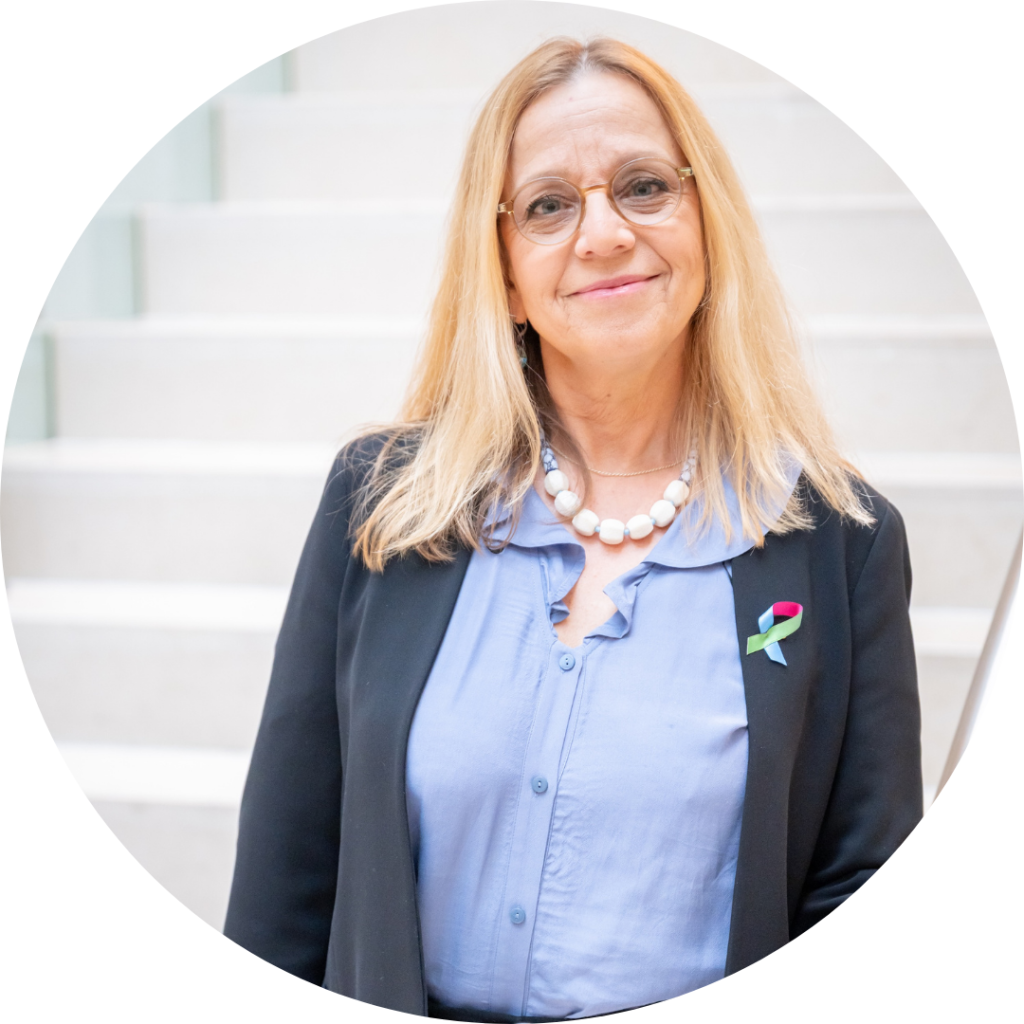
Capturing the real-life impact of living with a rare disease is somethingOrphanetan international knowledge base for rare diseases is working on. Their director, Dr Ana Rath, says: “We’re building a structured description of the functional impacts on the daily lives of people with rare diseases. And because there is very little literature on that, we are working with patient organisations and with medical experts to capture the expertise of the patients, the real impact on their lives and to make this knowledge structured and reusable for research.
“We need to understand the main things that change daily lives and we need to measure how the treatments can improve those.”
(Credit Margot Fayol for Groupama)
Producing interoperable data
Another area Orphanet is looking at is improving data interoperability. Ana says: “We produce the only specific rare disease nomenclature for coding called theORPHAcodeswhich are unique in the world. They allow for data harmonisation and interoperability and are recommended both in the European Health Data Space and by the World Health Assembly resolution, alongside other terminologies in use.”
Small data sets that are not interoperable slows progress when studying rare diseases which is why Dr Monica Drum, senior global programme manager at RDI, says the same ontologies must be used. These express concepts in standardised terms, so data stored in different systems can be linked up and cross-compared.
To supplement the small data sets, Raymond advocates using real world data rather than only allowing data collected in a clinical trial setting. He says: “It’s not just for the totality of evidence for the regulators but it’s also for the payers because at the end of the day, who’s calling the shots and who’s making the decisions over your loved one and mine? It’s the payers. The payers drive the health care system in Europe and the United States.”
To make this a reality the public and private sectors need to work together to collect data in a fair and ethical manner. Raymond says the data we use must be diverse, equitable and inclusive.
Diversity is something RDI is tackling too. Monica says: “Another thing that RDI has really been focusing on is capacity in low- and middle-income countries, because they often get left behind and we know that the genomes and phenotypes of different conditions can vary by geographic area. So we’re trying to build their capacity to be able to participate both in registries and clinical research.”
Creating effective public private partnerships
The need for effective public private partnerships (PPPs) is another area that’s critical to progress in tackling rare diseases. PPPs can prioritise unmet needs by jointly identifying high-impact disease areas and pooling expertise, patients and funding.
Magda says this is being done through theInnovative Health Initiative(IHI) which brings industry, academia, regulators and patient groups together to develop shared tools such as biomarkers, clinical endpoints and trial methodologies that no single actor could create alone.
She says: “This allows research efforts to focus on areas where scientific uncertainty and commercial risk would otherwise prevent investment and it helps accelerate development pathways for rare disease treatments.”
According to areport from the International Rare Diseases Research Consortiumpublic private collaborations are sometimes perceived purely as a combination of private funding and academic knowledge. Instead, it says successful PPPs go far beyond transactional relationships and stresses they should only happen when they address an important challenge or unmet need collectively and make the whole greater than the sum of its parts.
TheRare Disease Moonshot partnerswhich works on scaling up PPPs to accelerate rare disease research identified the following three areas where such collaborations can add the most value:
- optimising the translational research ecosystem to accelerate translation
- modernising clinical trials to make them more suitable for very small populations
- supporting infrastructure to shorten the path to diagnosis and treatment
Sara says over the last year, there has been an increase in collaboration in rare diseases. One area of progress she highlights is the adoption of theWorld Health Assembly Resolution of Rare Diseasesin May 2025. She describes this as a milestone that increased the global political commitment to rare diseases and underlined that they are a priority.
Support from governments and regulations
But how do we turn this commitment into action?
Raymond believes we need continued regulatory support to make things happen. He says: “We need to put in the patient voice and provide expectations regarding diversity, equity and inclusion in the regulations, because if it’s not in regulations it’s not going to occur.
“We need to continue providing regulatory incentives to encourage engagement in this space. Priority review vouchers, reduced costs for regulatory interactions and regulatory exclusivities that function similarly to patent protection are all critical for incentivising drug developers.”
He goes on to say: “The US set the foundation for rare disease innovation 40 years ago with the Orphan Drug Act. However, it may be time to re-examine that framework in the context of today’s work environment. For instance, we’ve seen pauses in the continuity and transparency of programmes such as the Priority Review Voucher initiative. Similarly, the global community continued to seek clarity on ‘most-favoured nation’ policies and likely exhaled in relief when the proposed US tariffs were withdrawn following Supreme Court review.”
Monica at RDI also believes the regulatory process can be improved and says: “It could be streamlined and my dream would be that there is a global regulatory process because in reality many of the regulatory agencies use the same evidence. It doesn’t really change region to region.”
Magda also believes governments have a role to play by committing to healthcare expenditure and says: “When healthcare systems are built with rare in mind, given the complexity of the disease profiles, there is great potential for a positive impact on every other aspect.”
While collaboration is already a critical part of the rare community, more work needs to be done to view people with rare diseases as equal partners at all stages of research. The backing of governments through funding and regulatory reform is also needed to help strengthen rare disease initiatives.
in the loop lets you stay informed with all the latest issues from the world of RARE. To access more in the loop articles click below.