
Orphan drugs: what is needed to break down barriers to development?
Interview with Léon van Wouwe, clinical innovation director, Volv Global, Drive for Change, lead author and Bernd Rosenbichler, founder, brave2change, Drive for Change, advocacy contributor
Estimated reading time: 10 minutes
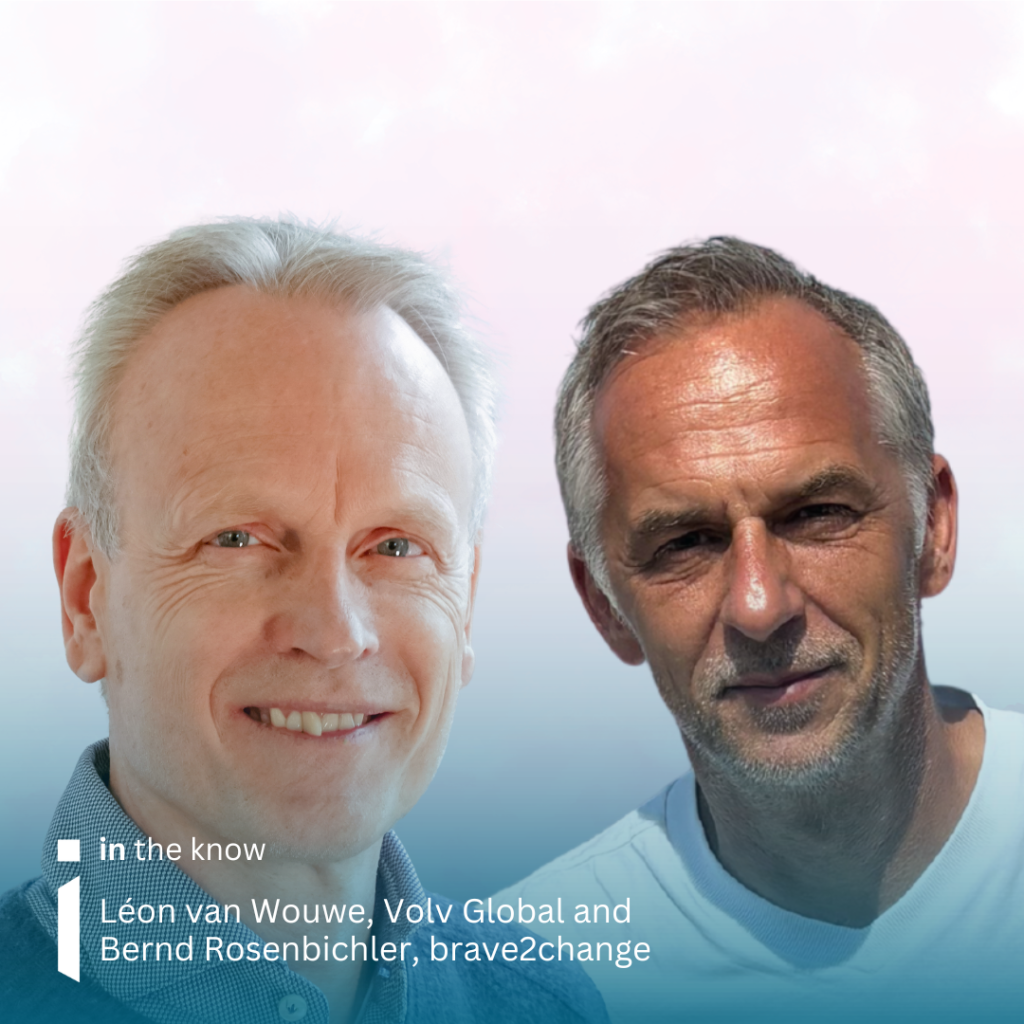
The majority of rare diseases have no approved treatment, yet development of orphan drugs to help treat these conditions faces significant barriers. A new white paper identified changes needed to close that gap. We spoke to the lead author and a contributing patient advocate of Drive for Change.
A white paper has outlined changes needed to drive development of orphan drugs for rare diseases.
It is well documented that around 400 million people worldwide are affected by rare diseases, and their diagnostic journey can take on average close to 5 years.1
Approximately 95% of identified rare diseases have no approved treatment and funding for research can be affected by financial restraints.2
Delayed diagnosis not only has a human cost, but an economic one too—in the United States, for example, a report by the Everylife Foundation for Rare Diseases estimated that cost to be between $86,000 to $517,000 per patient.3
While the National Economic Burden of Rare Disease Study carried out by the foundation estimated the annual economic impact of rare diseases at $997 billion in the United States.3
The white paper, Drive for Change, was published by Swiss healthcare AI company Volv Global, and the organisation’s clinical innovation director, Léon van Wouwe, was the lead author. Léon is a medical biologist and has spent most of his career working for the pharmaceutical industry in clinical drug development.
“What I noticed over time is a lot of the challenges were often born out of, [Pharma] as an industry, not really fully understanding the reality of patients in the real clinical world.”
Some of these challenges included not being able to recruit patients for clinical trials as real-world patients didn’t match the criteria set for the trial, or completing a trial only to realise the mixed subgroups of patients undermined the statistics of the trial.
As the availability of real-world data grew along with the techniques to leverage that, Léon became more interested in that space. He moved from working within a pharma company, to applying that expertise at Volv Global.
“What I’m doing here, is looking to build those bridges between the reality of the clinic and what patients truly look like and how enhancing knowledge about that can help strategically inform drug development approaches, as well as access to care for patients.”
Understanding patient journeys better
The white paper was anchored in the observations Léon had made earlier in his career—wondering if the industry understood patients better—would that influence drug development paradigms.
Léon shares: “In the past I’ve seen us not knowing in advance how variable disease expression was in the group of patients, and how variable the patients were that ended up in studies. If you could research that better through looking at what they look like in the real world and understand disease biology and patient journeys better and then build that into the design of studies—I felt that was an area to explore.”
From that initial spark, there were workshops and surveys conducted at the World Orphan Drug Congress in 2023 drawing on the perspectives of both industry professionals and patient representatives. Ultimately, this led to the white paper.
The white paper was grounded in collaboration with senior leaders from pharma, notably, Sanofi, Fondation Ipsen, Unitechpharma and patient advocacy organisation brave2change. It identifies inaccurate population size estimates, incomplete understanding of rare disease biology and narrow cost-burden frameworks as the three barriers to orphan drug development.
Among its recommendations are leveraging AI for diagnosis, the use of real-world data, strengthening collaboration between bodies such as biopharma companies and patient advocacy groups and expanding existing Health Technology Assessment (HTA) frameworks to expand how orphan drugs are assessed.
Identifying patient populations
The white paper uses two case studies to show how patient populations are undercounted. Both used Volv Global’s inTrigue technology, an AI/machine learning methodology used for detection; one of the examples flagged around 3.2 times the predicted neuroendocrine tumour cases found using current methods.2
Reflecting on the importance of identifying patient populations, Léon says:
“Often, it is the size of the problem that will compel anyone to do something about that problem. The moment you can show there’s two or three or four times as many patients with that disease, it changes the business case.”
Pipeline herding—where pharma and biotech firms rush to research and develop therapies in similar areas, meaning resources and investment are concentrated in one area, and the market becomes crowded—is among the issues discussed in the white paper.
Léon adds: “It’s not affecting just the world of rare, but pipeline herding is born out of a natural human tendency to avoid risk, so it’s easier to do something where you know what you’re doing. It’s easier to do something where you see somebody else is already quite successfully doing that.”
In terms of his hopes going forward for change, Léon says, “I think the first steps are in demonstrating that these paradigms can be shifted. It’s building the body of evidence that gives people reason to believe these things can be tackled.”
He stresses the multistakeholder environment in the healthcare sphere and the importance of different groups working together and aligning their needs in order to make changes.
“That’s the theme that runs through the white paper. If you desire to understand patients better, you need to involve the patients. You involve them through their healthcare data, which is collected at scale in routine clinical care and which can be leveraged for gaining new knowledge.”
One of the panel discussions that fed into the white paper led to a digital natural history study in a rare disease, conducted with Kristina An Haack from Sanofi. The study looked at the paradigm of understanding disease and what it does to patients and how AI and machine learning could be leveraged. This work led to a poster which they have since presented at ISPOR 2026.
Léon says: “Evidence generation in the rare disease space is key. That’s really been the call to action from the white paper—let’s chip away at this one problem at a time, one disease at a time. Don’t let it sit there, don’t pipeline herd, but take on a new disease where we know relatively little now, but make a start.”
Barriers to progress
Yet, beyond the policy debates, these systemic barriers translate into very real, daily challenges for families navigating the rare disease landscape.
The disconnect between development and the reality faced by patients is something one of the contributors to Drive for Change, Bernd Rosenbichler, knows only too well.
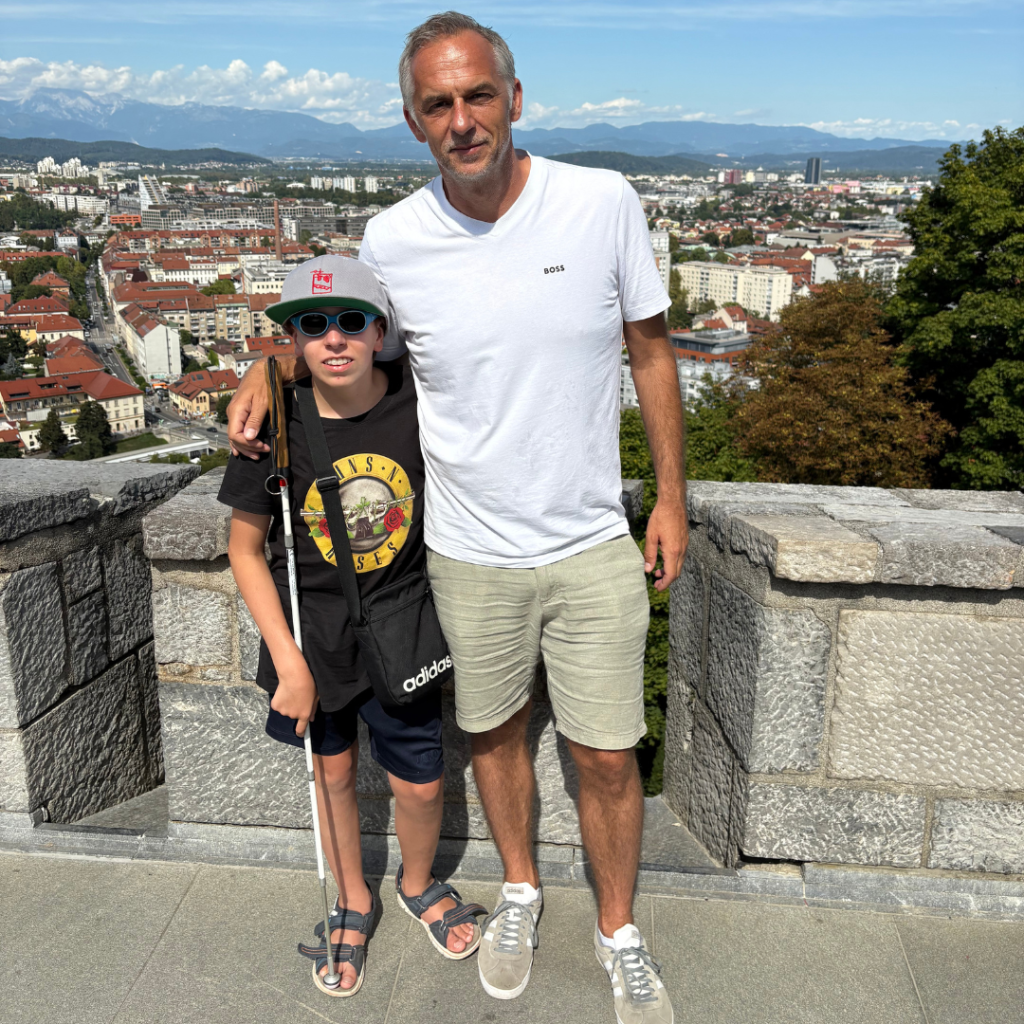
He founded brave2change, a patient advocate group, and is dad to 14-year-old Ben who has the ultra-rare condition, Alström syndrome. Ben was six months old when they realised he had an issue with his eyes. But it was another four years before they found out he had the condition. It affects around 1,000 people worldwide4 and Bernd says around “a handful” in Germany where they are from.
Alström syndrome causes vision and hearing loss as well as obesity and insulin resistance. It can affect the liver and kidneys as well as cardiac function along with type 2 diabetes in some cases.5
Ben has almost completely lost his vision; it is now around 1%. He had experienced some hearing loss but after surgery it was restored to 90% the remaining loss he managed with hearing aids. Injections, sports and healthy nutrition all form part of helping with weight management for him. Fibrosis has also started to become an issue for him, affecting his organs.
Ben loves art and painting, and dad, Bernd says, “He always impressed me with his absolutely positive attitude towards life, saying things like, I have the happiest life.”
Like many rare diseases there is no specific treatment for Alström’s and no cure, but instead treatments are centred around symptom management.
Bernd describes how there had been a clinical trial for a drug which they had applied to previously, ultimately it wasn’t approved for the condition but was for a similar disease.
In his experience, various complexities around cross-border research have been stumbling blocks and something that remains an obstacle to progression.
Bernd, who is also chairman of Alström Europe, and founder of the Alström Initiative, says, “If you start understanding certain mechanisms of a rare disease, it usually helps to solve or identify much bigger problems that are relevant for best case millions of other patients.”
“It’s an absolutely huge opportunity, because I haven’t yet met anybody from our community who has issues with giving away data or providing data. Everybody’s ready to do it because we’re waiting for somebody to help us, but it’s not yet happening because it’s way too complicated.”
Reducing diagnosis times
One of the reflections Bernd shared in the white paper was how pivotal early diagnosis is to progress. Speaking of the three main shifts identified in the white paper and what successful implementation would look like, Bernd pointed to diagnosis times and the need for a reduction in the average time taken.
He notes that bringing average diagnosis times down to one year would be “a huge success.” Adding, “Of course, you would have to agree on how to measure it, because nobody really knows how long it really takes on average, but we know it’s way too long.”
Bernd also highlighted discussions with Cristopher Rudolf, CEO and founder of Volv Global, regarding the creation of safe research spaces, particularly on a European level. He explains this would allow research to move forward without the legal restrictions that might usually be faced.
Reflecting on his journey, Bernd offered this advice to other patient advocates: “The best advice I can give is never give up and keep on searching. What I learned is if one door closes, another one opens. It’s unbelievable how many people, or organisations want to support. You should never be limited in your effort, if somebody declines or doesn’t share your vision, simply move on and find the next one.
“Keep on pushing, every day is getting better. The progress is there, it’s really worth fighting for. Technology is helping and there’s a good chance that we may fix things we couldn’t fix in the past.”
Connect with Leon
Connect with Bernd
References
[1] https://www.eurordis.org/rb-diagnosis-article/
[2] https://volv.global/pr-drive-for-change-unlocks-rare-drug-development/
[3] https://everylifefoundation.org/wp-content/uploads/2023/09/EveryLife-Cost-of-Delayed-Diagnosis-in-Rare-Disease_Final-Full-Study-Report_0914223.pdf
[4] https://www.alstrom.org.uk/what-is/
[5] https://link.springer.com/article/10.1186/s13023-025-04139-8
in the know brings you the latest conversations from the RARE think tank. To access more in the know articles click below.