
Parent-led: the FOXG1 Research Foundation’s path from diagnosis to drug development

Interview with Nicole Zeitzer Johnson, co-founder and executive director, FOXG1 Research Foundation
Estimated reading time: 8 minutes
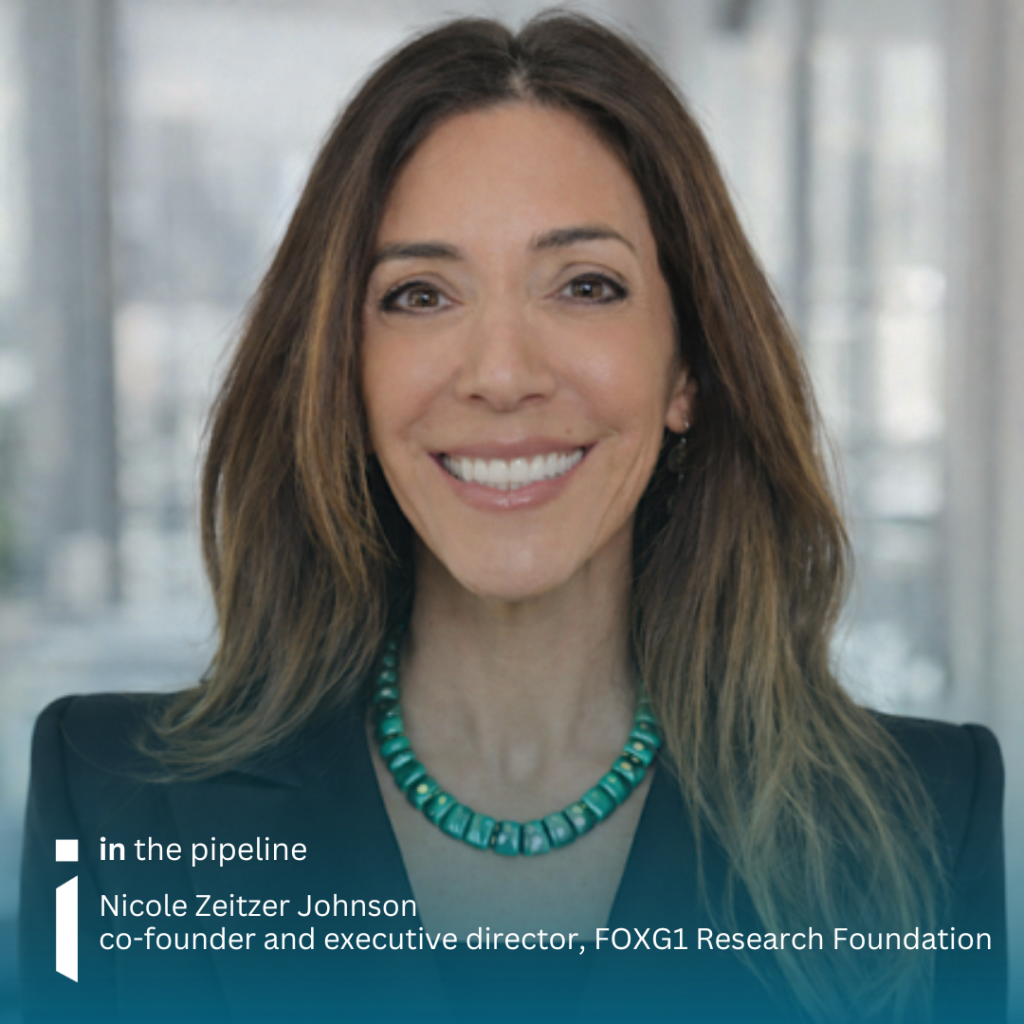
When Nicole Zeitzer Johnson’s daughter was diagnosed with FOXG1 syndrome in 2014, there were fewer than 100 known cases worldwide and no treatments in sight. Today, the foundation Nicole co-founded is independently sponsoring a multi-site international gene therapy trial, challenging the traditional biotech model and proving that parent-led organisations can drive their own drug development programmes. Nicole shares the story behind one of rare disease’s most striking acts of self-determination
Nicole Zeitzer Johnson came to rare disease drug development by an unconventional route. A former news producer at CNN Financial News, followed by a career as an entrepreneur in the music and technology industry, she brought a journalist’s resourcefulness and an entrepreneur’s instinct to a challenge she never anticipated: finding a treatment for her daughter’s condition.
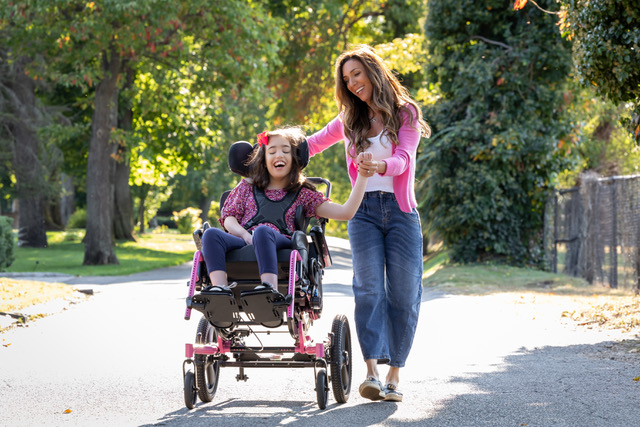
Josie was born in 2011. By four months, it was clear something was wrong. “She wasn’t tracking with her eyes. That was our first sign,” Nicole recalls. What followed was a two-year diagnostic odyssey, culminating in whole exome sequencing that delivered a result on 10 April 2014: FOXG1 syndrome. Josie was the 92nd person in the world to receive the diagnosis. The prognosis was stark: she would likely never walk, never talk, and the geneticist estimated a lifespan of “teens at best.”
Understanding FOXG1 syndrome
FOXG1 syndrome is caused by a mutation to the FOXG1 gene, a critical transcription factor in brain development previously known as Brain Factor 1. Because the gene regulates the downstream expression of many other genes, mutations lead to a spectrum of severity depending on the type of mutation. Children with nonsense mutations, like Josie, tend to be more severely affected and are unable to walk or sit independently. Those with missense mutations may walk and hold objects, though behavioural challenges are often more prominent.
The condition was historically misclassified as a congenital variant of Rett syndrome, a categorisation based on symptom overlap rather than genetic distinction. This grouping obscured the true nature and prevalence of FOXG1 syndrome. While approximately 1,900 patients have now been identified globally to date, the current estimated prevalence is around 1 in 30,000, though a recent epidemiology paper1 from the foundation suggests the true figure is likely considerably higher. Epilepsy is among the most prevalent symptoms.
From diagnosis to foundation
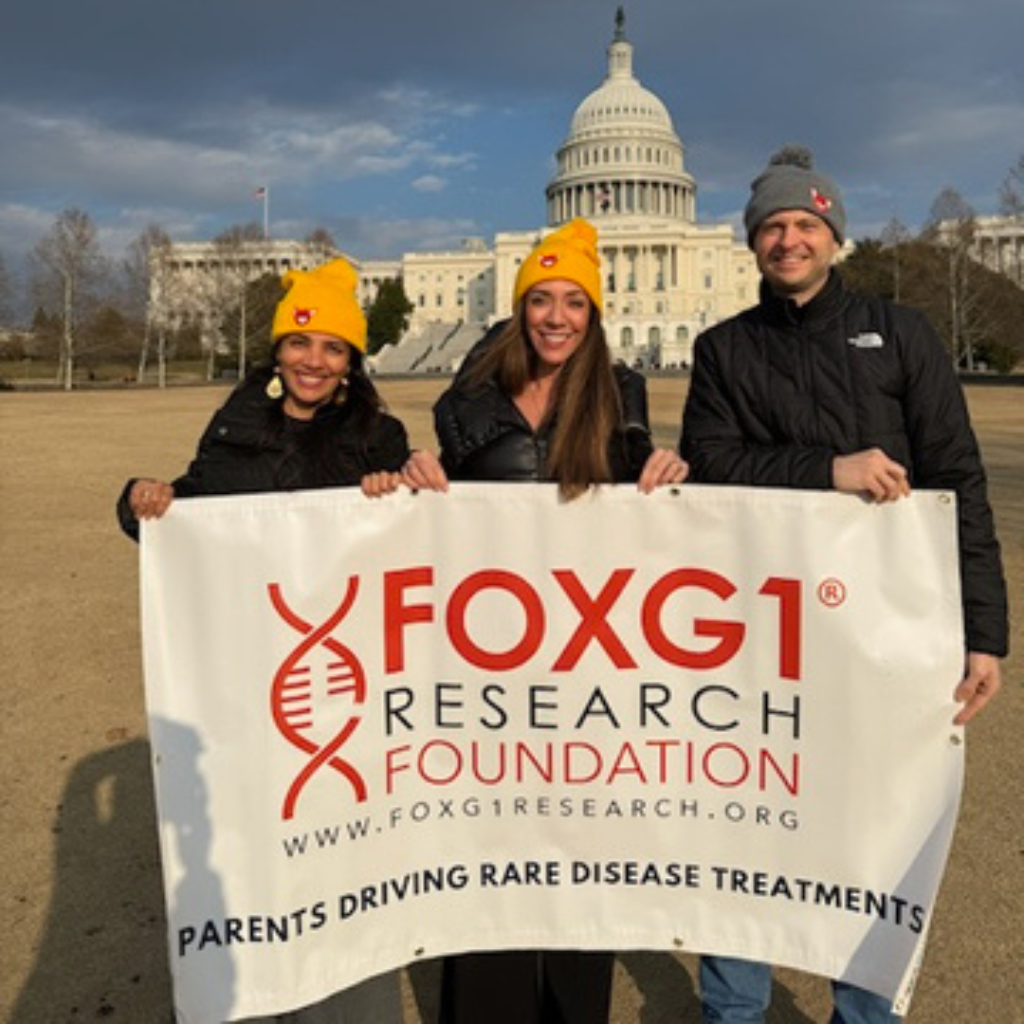
A few years after Josie’s diagnosis, Nicole received a call from Nasha Fitter, another mother whose daughter had just been diagnosed with FOXG1 syndrome. Both women were entrepreneurs, and their shared frustration quickly crystallised into a plan. The FOXG1 Research Foundation was formally established as a nonprofit in 2017, with work already underway from 2016.
From the outset, the foundation’s mission was treatment development, not solely patient support. “We began with the end goal in mind,” Nicole explains. The team adopted a work-back approach, consulting biotech CEOs about what they would need before investing in the space. The answer was clear: a patient registry, a natural history study, animal models, and foundational science to understand the gene.
A scientific advisory board was assembled early. Nicole recruited its first member from Josie’s hospital bedside, asking her daughter’s neurologist, Dr. Devinsky at NYU, to join. He listed every reason he should decline and then ultimately said yes.
One early scientific question was whether the FOXG1 gene remains active after birth. Had it completed its role during development, post-natal intervention would have been futile. The answer, discovered at the laboratory of Soo Kyung Lee and Jae Lee, was that it does persist. Again, science fuelled by parental drive—both scientists are also parents of a child with FOXG1 syndrome.
Rethinking the natural history model
One of the foundation’s most consequential decisions was to reject the traditional approach to natural history studies. In-clinic assessments, conducted a few times a year, offered limited and potentially unrepresentative data. “If I brought Josie into a clinical centre, she’s not in her environment. Who knows what kind of day she’s having?” Nicole reflects.
Instead, the foundation partnered with Citizen Health to build a platform that captures patients’ complete medical records and generates regulatory-grade, de-identified real-world data. The Chan Zuckerberg Initiative awarded the foundation a half-million-dollar grant to support the pilot. Within six months, 100 patients were enrolled, with approximately 1000 years’ worth of longitudinal data captured.
The platform has since been adopted by over 300 rare disease groups and the data it generates has supported multiple pharmaceutical sponsors in advancing their rare disease programs into clinical development. The impact on timelines and costs has been substantial.
A new economic model for drug development and sponsoring a global trial
Perhaps the most distinctive aspect of the FOXG1 story is what came next. After a biotech company that had initially taken on FOXG1 syndrome among a portfolio of rare diseases withdrew, the foundation resolved to sponsor its own clinical trial. “It lit a fire under us and made us realise we have to do this ourselves,” Nicole says. “We have to de-risk ourselves.”
FRF-001 is an AAV9 gene replacement therapy delivered via intracerebroventricular injection. In 2025, the FDA awarded the therapy both Rare Paediatric Disease Designation and Orphan Drug Designation. The IND application was submitted shortly before Christmas 2025, and approximately 30 days later, the FDA cleared it for first-in-human clinical trials.
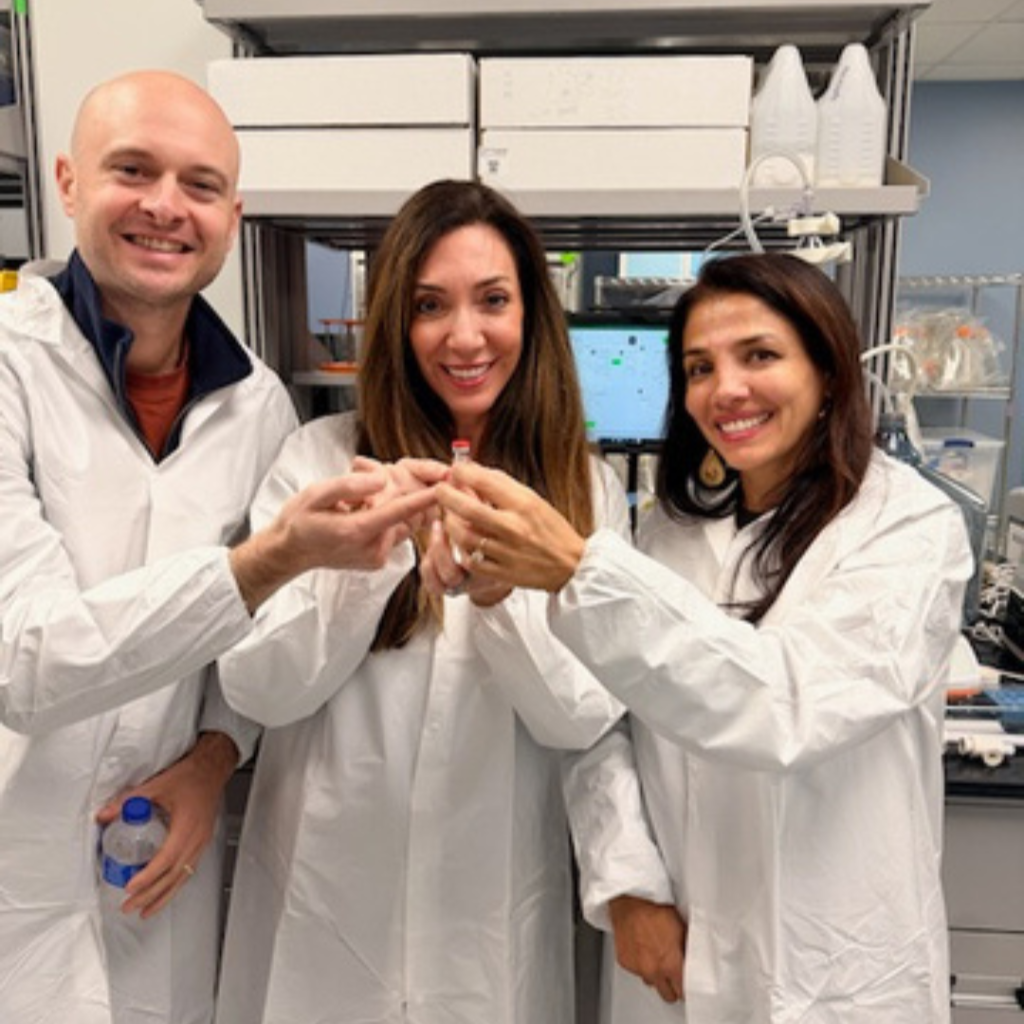
The FOXG1 Research Foundation is uniquely sponsoring its multi-site gene therapy trial- independently. This is only possible by private funding and by its new model that significantly cut the cost to a fraction. While traditional drug development is commonly cited as costing around $180 million over 30 years, the foundation estimates its pathway at $25 million over 12 years, with more than 8 years already completed.
“Those first three letters, FRF, that’s FOXG1 Research Foundation,” Nicole notes. “It’s not Praxis. It’s not Roche. That really says parent-led drug development right there.”
The trial is a simultaneous Phase 1/2 study, with enrolment expected to open imminently. A dedicated clinical development team, including a newly appointed chief medical officer and chief drug development officer, manages all trial operations. The founding parents have deliberately separated themselves from protocol decisions and clinical oversight. “We haven’t even read the protocol,” Nicole confirms. “It really does build a good separation, and that was important to us.”
Defining success
Nicole is measured in her expectations. “I limit the use of the word cure,” she says. “It’s a loaded word. In a best-case scenario, my hope is that children diagnosed early could receive the gene therapy and achieve typical brain development.” But she is clear about what would constitute meaningful progress.
“If Josie was sick less often, if she could clear her own mucus, if she could tell me what hurts, that would be success,” Nicole says. “If it’s 1% more, to help her, then we’ll take it.”
Looking ahead
The foundation’s ambitions extend beyond FOXG1 syndrome. Nicole and her co-founders are developing a replicable model for other rare disease organisations, drawing on their experience with lean drug development, AI-powered natural history data and nonprofit trial sponsorship. Global affiliate chapters now operate in several countries, with a UK chapter currently forming. The foundation’s first in-person Global Leadership Meeting was planned for March 2026 in Paris.
“We’re a story of parents who were told, you can’t do anything, your children will never, never, never,” Nicole reflects. “All of us individually have come together to collectively say, we’re not going to take no for an answer.”
What drives her is a specific image of the future: a mother, sitting in a geneticist’s office, being told her child has FOXG1 syndrome. “And in the next breath,” Nicole says, “there is a gene therapy.”
To learn more, please visit:foxg1research.org
Connect with Nicole
in the pipeline brings you the latest developments from the RARE pipeline. To access more in the pipeline articles click below.