Rare Revolution poll finds quality of life matters hugely for rare disease individuals and families, and industry could do more

By Julie Penfold and Nicola Miller, RARE Revolution
Estimated reading time: 6 minutes
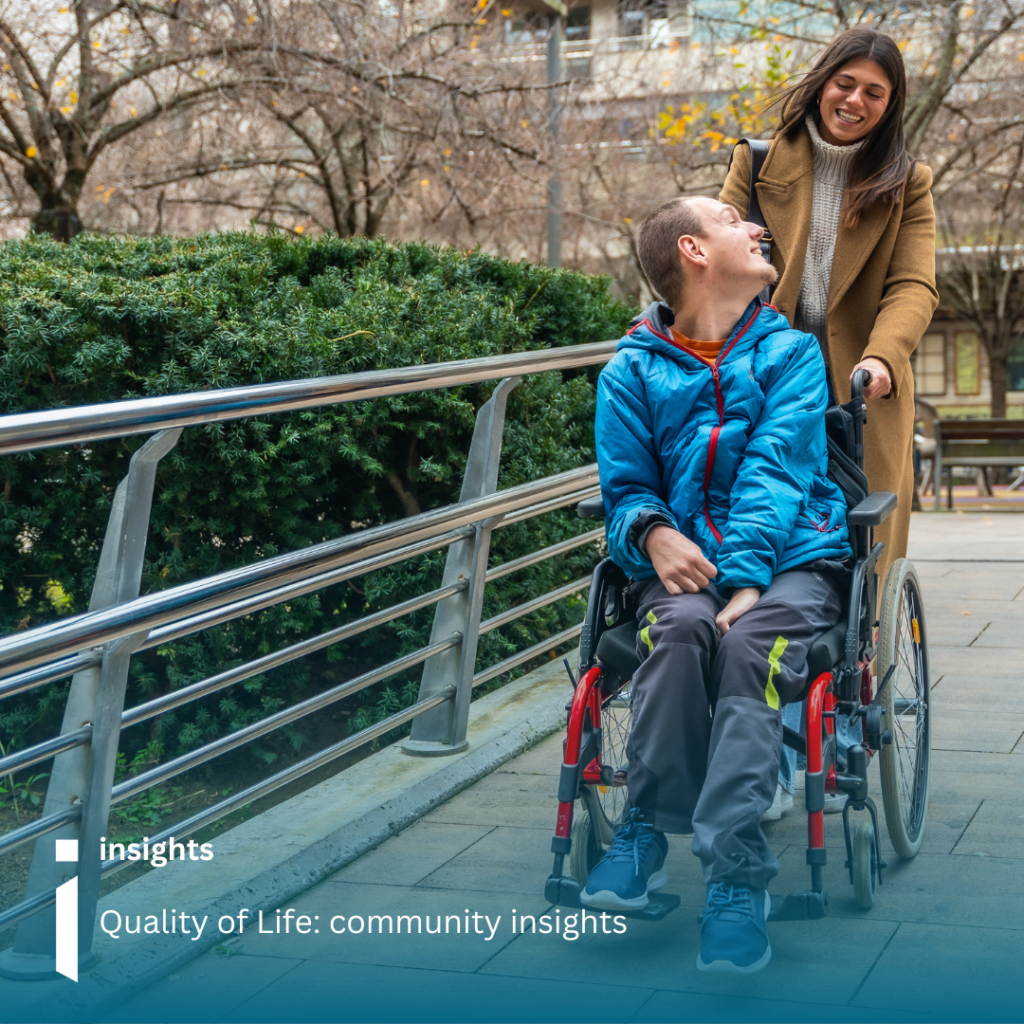
We all know that living well with rare disease is not without its challenges, but it can be possible with adequate support, prompt diagnosis, access to effective treatments and other targeted interventions. The difference living well with a rare condition can make is profound and means the difference between surviving and thriving. We asked our RARE Revolution community what quality of life means to them, and how well understood they consider this to be by professionals working in the field
The rare community told us that the financial impact of living with a rare condition has perhaps the biggest impact on their quality of life (QoL). Personal development in terms of how conditions impact education and employment opportunities, living independently and having autonomy over decisions, also mattered. Unsurprisingly, physical and mental health also ranked highly.
When these initial responses were followed up with a question on whether ‘how respondents opted to prioritise these factors would be likely to change over time’, this was met with a resounding yes.
“It really depends on what stage of illness I’m in, but the financial aspect, especially living in the United States, is a huge factor.”
Others said relapse-remission conditions would certainly cause fluctuations in how they would rate each factor.
“If I was currently in an episode, my responses might be different.”
Others underlined the importance of physical health and mental health, and how when these fluctuate, it can affect their ability to do things they enjoy. Another respondent outlined the co-factors that can affect how they view their QoL at any moment in time.
“They would fluctuate, depending on how good my health is at the current time, including whether my medication is increased/decreased, mental health issues and the amount of support or activities I have to focus on during that time.”
Quality of life picture
Respondents were asked to consider the limitations living with a rare condition can have and the impact of this on their QoL. Many also described what their optimum QoL would look like.
Some described being pain-free, stress free, emergency-free and receiving more support from others would make the greatest difference. Others focused on the freedom having a good quality of life would offer.
“Being able to sleep well, be active and enjoy social activities,” said one. Another valued the possibility of their child having “no seizures” and being able to “attend school regularly, be happy and content, and engaged in activities they enjoy”.
Another said it would mean “being able to live without the worry of healthcare costs and to have dignity”, while one respondent added it would mean “good health and happiness within our household”.
Being “financially free” and “able to continue to work at the job I love,” were also left as comments for this question.
For younger people, inclusion is vitally important.
“Being able to participate in everyday life activities like my peers,” and “attending a mainstream school and FINALLY being able to participate in a way that suits his needs that allows him to thrive in a sport he loves.”
The ability to travel and live in the moment features as a key quality of life component for this respondent.
“To be able to be spontaneous. To be able to eat whatever I fancy without fear that it will do me harm. To be able to travel abroad, which is impossible for me right now without serious planning. To wake up in the morning and not be faced with my situation, and to have an end in sight, without any aches or pains.”
Another simply added, they would love to have quality of life where they could enjoy a “silly inclusive social occasion where I have not had to negotiate my needs”.
Quality of life assessments
Next, we asked the rare community about their experiences of completing a QoL assessment assessment. Of those who had, it tended to be a doctor, mental health specialist or rare disease clinic that requested one to be filled in by the respondent.
The rare community were asked for their thoughts on whether the QoL questions were fit for purpose. Answers ranged but on balance the prevailing wind was that questions were “a bit tone deaf or very surface level,” And the range of responses limiting, with 50% feeling that the assessment didn’t allow them to adequately convey the full impact of their condition.
Encouragingly 75% of respondents said they were clear on the motivation for collecting information on their QoL, but some reflected that the questions didn’t fit their actual lived experience or personal concerns. One respondent said the assessment was described to them as being a “non-confrontational way to check their feelings” before they saw a doctor.
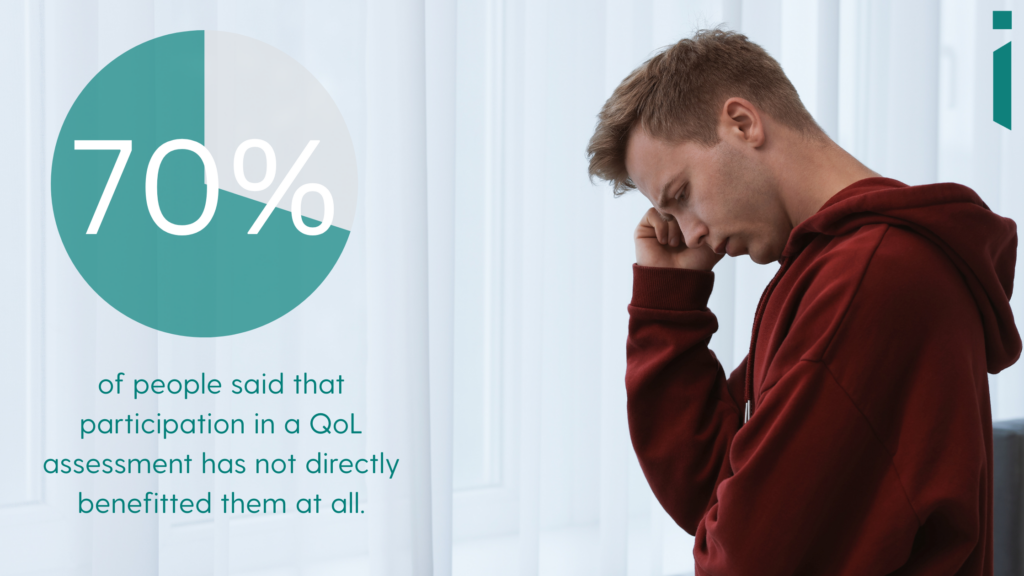
There were some positive outcomes as a result of completing a QoL assessment, the rare community told us. Counselling was offered and one respondent was assigned a social worker to help with finding a new therapist in response to their assessment. But disappointingly a staggering 70% said that participation in the assessment has not directly benefitted them at all.
For respondents who had not been invited to complete a QoL assessment, we asked whether they thought doing so would help to improve their care in the future. This provide a mixed response with only a third feeling that it would be of any value to them in their future care.
Industry and quality-of-life
Interestingly to note, only 8% of respondents felt that industry understood the true importance of QoL, which is a stark figure that needs reflection and shows a lack of connect between professionals and the communities they endeavour to serve.
With trust, or rather lack of, being such a perennial issue in pharma/community relations, this feels like another area where there is a perceived disconnect and misalignment, that further exacerbates tensions.
If communities are to lay their trust in innovative novel therapies and become active participants in research, trial design and ultimately trial participation, it is crucial that these communities feel that there is a deep understanding within industry as to what constitutes QoL and what priority problems the community value solutions for. Outside of the drug discovery arena, this understanding will also help industry make more effective decisions with regard to budget allocations for patient and advocacy programmes, ensuring the budgets are put in the areas of the greatest QoL need for individuals.
Living well with a rare condition, as our community has described, means opening the door to an enriched life full of fun, fulfilment, learning opportunities and new adventures. But it also means autonomy, independence, dignity and the ability to thrive optimally within the limitations of one’s disease. And in a community that is wildly diverse, it should be no surprise that QoL means different things to different people.
So, if industry is to better improve trust and communication within communities, perhaps investing more time in better understanding QoL is a good place to start.
You can learn more about living well via The Living Well Movement:
https://metabolicsupportuk.org/campaigns-and-insight-2/our-campaigns/living-well/
*Number of respondents varies (to a maximum of 49)
To view the insights from the diagnosis trial polls, click on the insights button below.
in the know brings you the latest conversations from the RARE think tank. To access more in the know articles click below.