RARE Revolution poll results reveal Rare Disease Day campaigns helped reach more people

Estimated reading time: 5 minutes
Rare Disease Day aims to raise awareness and drive change. But do the campaigns help organisations reach new audiences? We ran a number of polls to find out what response Rare Disease Day activities had and if they helped increase engagement
Rare Disease Day takes place on the last day of February every year with thousands of events organised to mark it.
It was launched by Eurordis Rare Diseases Europe and its Council of National Alliances in 2008.
The aim of the day is to raise awareness and advocate for change for those living with rare diseases as well as their families and carers.
There are more than 6,000 distinct rare diseases affecting around 300 million people globally.1
When Rare Disease Day was first launched, events were held in 18 countries; over the years, this has grown to more than 100. Among the events that took place was Light Up For Rare which saw buildings and monuments across the world illuminated in rare disease colours.
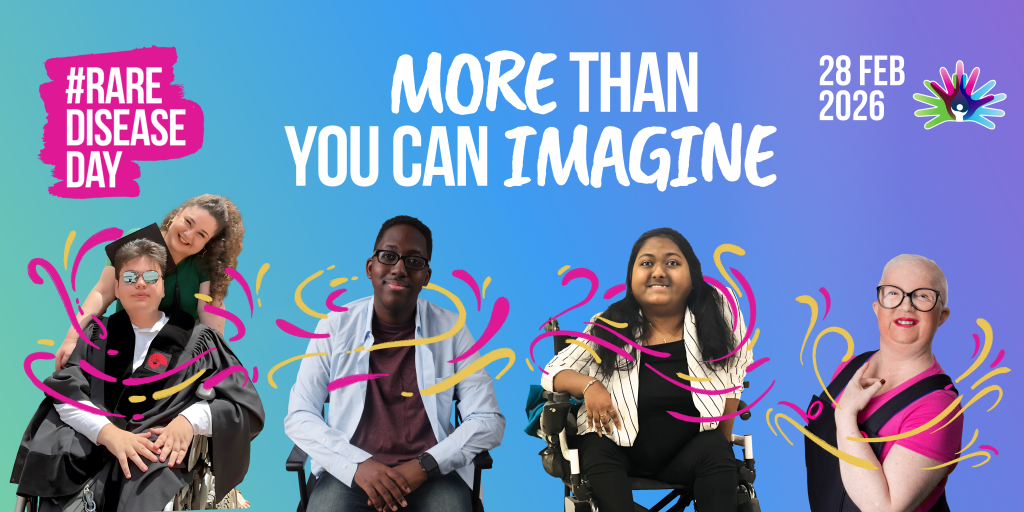
The message of this year’s campaign was More than you can imagine. It highlighted the scale of rare diseases and the progress possible when barriers to factors such as diagnosis and treatment are removed.1
The impact of Rare Disease Day activities
In order to discover how successful Rare Disease Day activities had been, we carried out a series of polls.
The six polls of advocates and healthcare professionals sought to discover what effect the day had, if new audiences had been reached and if metrics were used to define success.
Four of our polls were aimed at advocates and two at healthcare professionals.
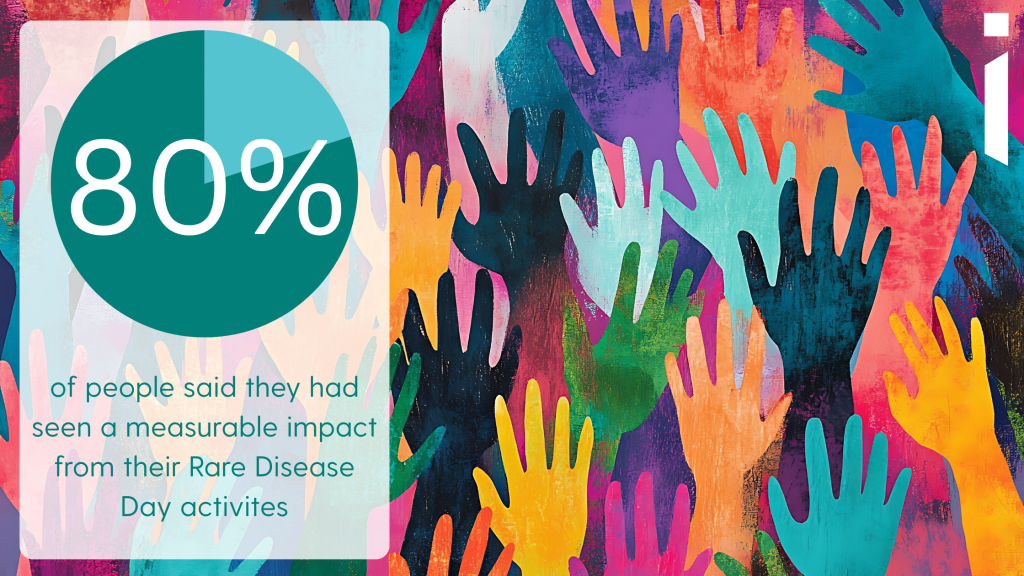
Firstly, we polled advocates asking if they had seen a measurable impact from their Rare Disease Day activities. Of those polled 80% said they had seen an impact, with one commenter saying:
“We have had a huge response to our campaign and reached the most amount of people we have ever reached, and discussions were started.”
In a separate poll we asked the same question of healthcare professionals, with 50% saying they had seen a measurable impact from their Rare Disease Day activities. A further 25% said they had seen some impact. However, 25% said they had not noticed any impact at all.
Reaching new audiences
A poll aimed at advocates asked the question: did your increased Rare Disease Day campaign engagement help you reach a different or new audience?
Of those who responded 62% said they reached more of the general public, and 37% said they reached more healthcare professionals with their Rare Disease Day activities.
One respondent said 178 people registered [for their Rare Disease Day activities] and most were medical professionals from various backgrounds.
There was a mixed response to the next poll asking: do you find you have better engagement/successful campaigns on Rare Disease Day or on your awareness day?
48% said they had better engagement on their individual awareness day. Just 10% said they had better success on Rare Disease Day, and 15% said the impact was much the same.
Of those polled 23% said they didn’t have an awareness day.
Do metrics help measure success?
Metrics can often be used as a benchmark of success, and we wanted to gauge if that was the case for Rare Disease Day.
We asked: how important are metrics when measuring the success of your Rare Disease Day activities?
More than half the respondents, 57%, said metrics are very important, while 29% said they are only somewhat important.
Just 14% said metrics are not important at all.
Our final poll also concentrated on metrics and asked the same question of healthcare professionals with 75% of the respondents saying metrics were very important.
For a community so often overlooked by society, having a dedicated annual Rare Disease Day gives people living with rare an opportunity to stand together as a collective force and elevate their voices. With many reporting measurable success from Rare Disease Day campaigns, it shows the reach this event has and the importance of it in the rare community’s calendar. Only by raising the profile of rare disease among the public, healthcare professionals and those in power, can people living with rare continue to effect change and improve understanding, awareness and health outcomes.
References
[1] https://www.rarediseaseday.org/news/rare-disease-day-2026/
*Number of respondents varies (to a maximum of 21)
To view the insights from the Rare Disease Day polls, click on the insights button below.
in the know brings you the latest conversations from the RARE think tank. To access more in the know articles click below.