

Putting you in the heart of the rare community – Immune Deficiencies Foundation Australia

Estimated reading time: 6 minutes
Patient advocacy groups deliver their top three unmet needs and main asks of industry to best serve their rare community. This week’s insights come from Carolyn Dews, CEO of Immune Deficiencies Foundation Australia
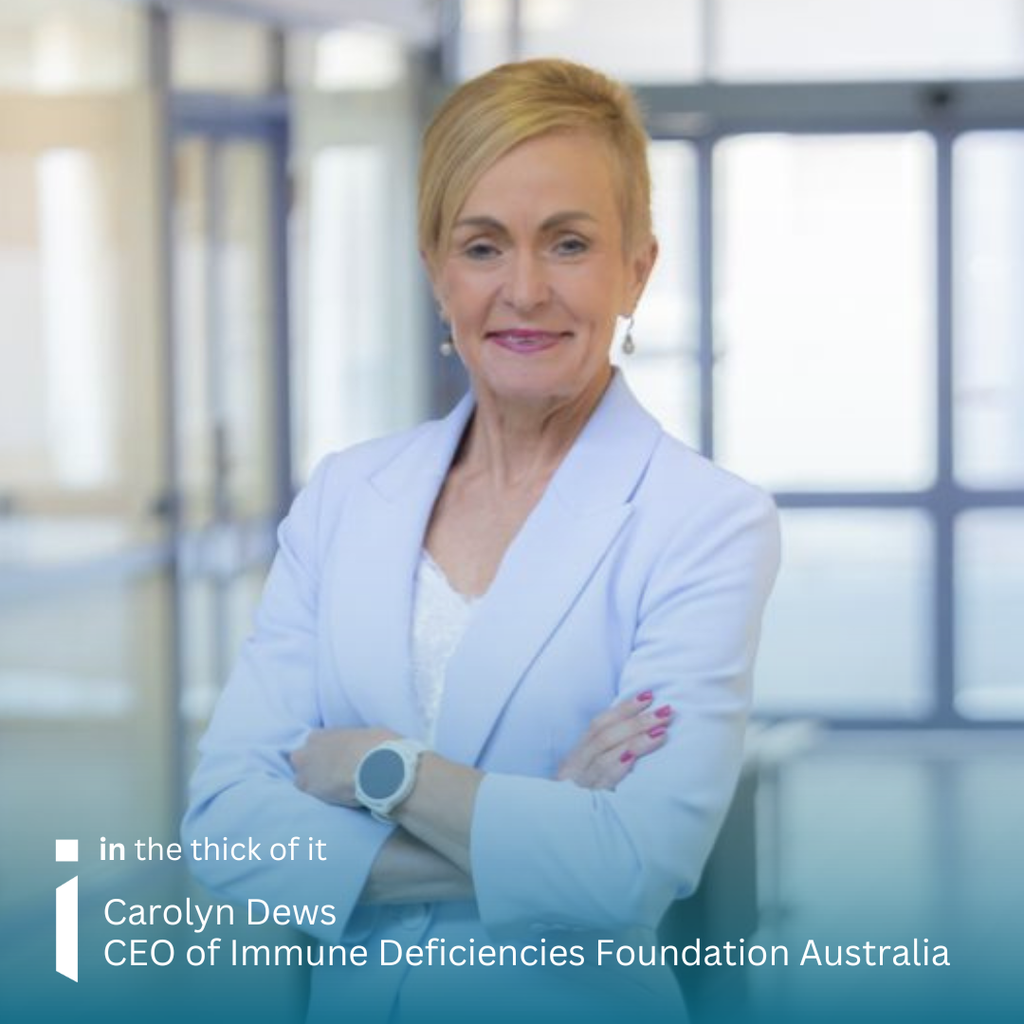
Immune Deficiencies Foundation Australia (IDFA) is a national not-for-profit and leading peak body offering education, advocacy and awareness for Australians living with an immunodeficiency.
Our mission: Creating awareness of all immunodeficiencies, supporting and advocating for improved outcomes for patients, carers and families.
Our Vision: A future where all immunodeficiencies are diagnosed, and treatment commenced early, enabling those impacted to lead productive and fulfilling lives.
Primary immunodeficiencies are disorders caused by defects in the immune system and are often genetic in origin. Secondary immunodeficiencies occur when the immune system is weakened by external factors, such as chemotherapy, certain medications, autoimmune disease or other medical conditions.
People living with immunodeficiencies can be more susceptible to infections and may experience health challenges, fatigue and complications. Many rely on plasma-derived immunoglobulin treatments to help prevent serious infections and maintain their health and quality of life. Immunodeficiencies are often invisible, and the impact can vary significantly from person to person, particularly when other health conditions or comorbidities are present.
What are your top three unmet needs or main asks of industry to best serve your rare ecosystem?
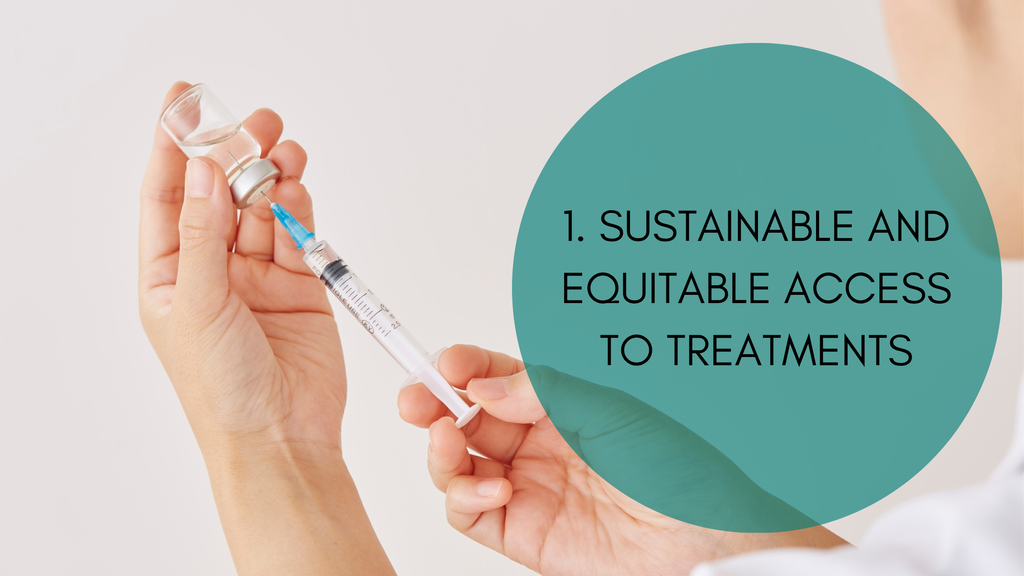
For many people living with primary and secondary immunodeficiencies, access to essential treatments such as immunoglobulin replacement therapy is fundamental to maintaining their health and quality of life. For some, treatment is lifelong and must be delivered regularly, making reliable access and continuity of care particularly important.
Our ask of industry is to continue working collaboratively with patients, patient organisations, clinicians and health systems to support sustainable access to essential therapies. This includes contributing to conversations around treatment pathways, supply resilience, treatment choice and models of care that reflect the diverse needs of people living with immunodeficiency.
Access is not simply about whether a treatment exists. It is also about whether people can receive the treatment they need, when they need it, in a way that is appropriate for their circumstances. As treatment options and models of care evolve, it is important that the patient experience remains central to those discussions. For IDFA, this means ensuring that the voices of people living with immunodeficiency are part of conversations about access, treatment and care. We see industry as an important partner in helping to build a sustainable ecosystem where innovation and treatment advances translate into meaningful benefits for patients, both now and into the future.

A key unmet need across the rare disease ecosystem is more meaningful and sustained involvement of people living with rare diseases in industry decision-making. People living with immunodeficiency have expertise that comes from navigating their condition, treatment and healthcare system every day. Their experiences can provide valuable insight that may not be captured through clinical data alone.
Our ask of industry is to engage patients and patient organisations as genuine partners, rather than primarily as recipients of information or participants at the end of a process. This means involving the patient community early when developing research priorities, educational resources, patient support initiatives and communications, and continuing that engagement throughout the process.
For IDFA, meaningful partnership also means recognising the role of patient organisations in reaching and supporting a diverse community. Patient organisations can help identify community priorities, facilitate appropriate engagement and ensure that initiatives are accessible, relevant and grounded in lived experience.
We would like to see more long-term relationships between industry and patient organisations, built around transparency, respect and shared objectives. This is particularly important in rare diseases, where patient populations are often small and lived experience can be highly varied.
Ultimately, our ask is simple: involve patients early, listen to their experiences and give their expertise a meaningful place in decision-making. Stronger patient partnerships can help ensure that research, treatments, resources and support programmes are designed with the people they aim to serve, rather than simply for them.
Significant gaps remain in the recognition and diagnosis of immunodeficiency. These conditions can be rare, complex and highly variable, and the symptoms may not always immediately point to an underlying immune disorder. Immunodeficiencies can also be invisible to others, which can add to the challenges people face in having their experiences understood and appropriately addressed.
Our ask of industry is to support efforts that improve awareness, earlier recognition and diagnosis, while continuing to invest in research that can build a stronger understanding of immunodeficiencies and improve treatment and care. This includes supporting healthcare professional education, research and data collection, and initiatives that increase understanding of these conditions more broadly.
Earlier diagnosis can provide an important pathway to appropriate treatment and support, while better research can help identify gaps in care, improve understanding of disease and contribute to future treatment options. For rare and often under-recognised conditions, building the evidence base is particularly important.
There is also an opportunity for industry to work collaboratively with patient organisations, clinicians and researchers to identify where the greatest gaps exist and support initiatives that address them.
For IDFA, strengthening the rare disease ecosystem is not only about developing new treatments. It is also about making sure people are recognised, diagnosed, informed and supported throughout their journey. Industry has an important role to play in helping build that broader ecosystem through investment, education, research and collaboration.
Connect with Carolyn
in the thick of it puts you in the heart of the RARE communities you serve. To connect with more RARE communities click below.