

Who are we not hearing from? Designing more inclusive research

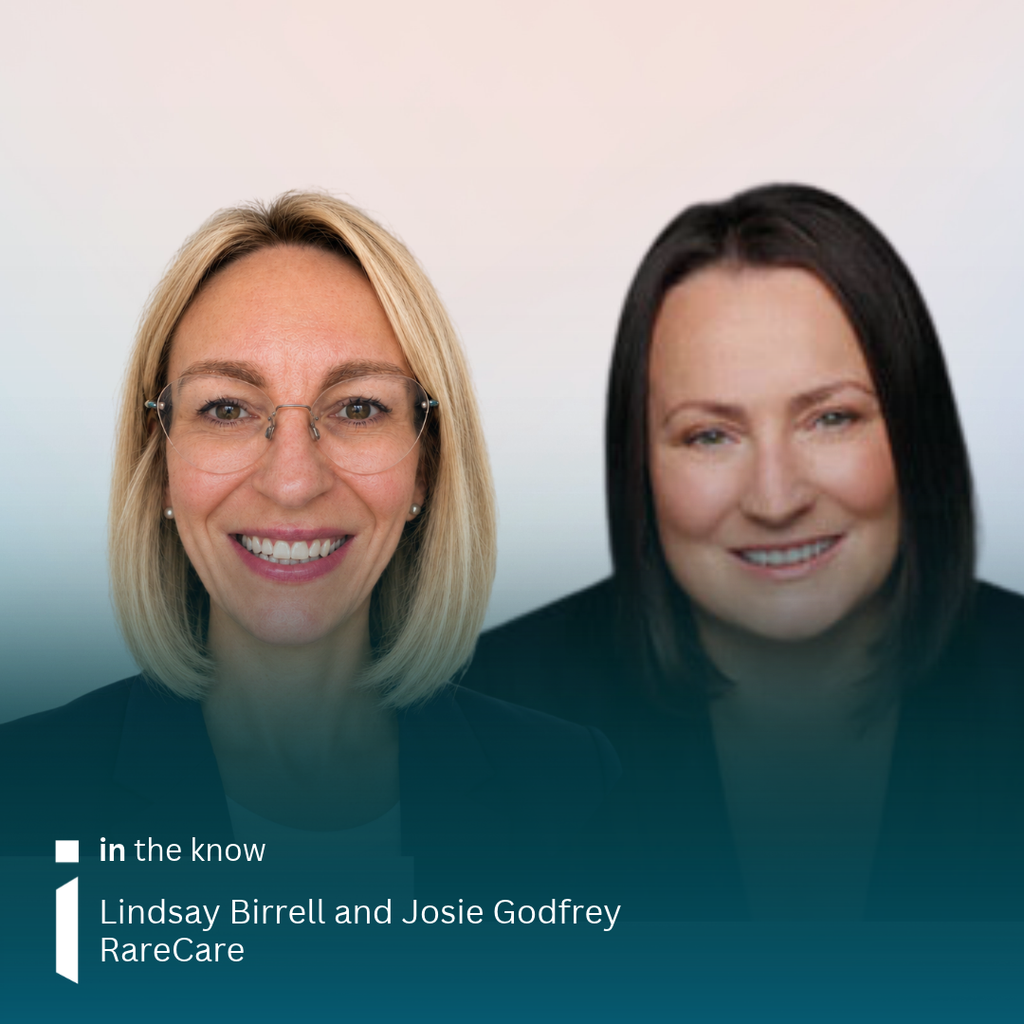
Written by Josie Godfrey and Lindsay Birrell
Estimated reading time: 8 minutes
Recruitment, retention and representation can look like separate problems. Often they point back to the same question: has participation been designed around the people the research actually needs? This is how we approach it, drawing on RareCare, the NIHR-funded evaluation of England’s rare disease policy
RareCare determined if the UK Rare Disease Framework is benefitting people affected by rare diseases across England and ran from May 2024 – June 2026.
A study can hit its recruitment target and still miss the people it most needed to hear from. In a clinical study, people may enrol but find it hard to stay involved. In qualitative research or patient engagement, certain groups may rarely appear in the evidence at all, even when the numbers look healthy.
Before assuming that people are difficult to recruit, difficult to retain or unwilling to engage, we ask a different question: how easy have we made it for the people we need to take part?
That matters well beyond inclusion. Poor participation can mean slower recruitment, extra cost, delays, incomplete evidence and less confidence that findings reflect the people a programme is meant to serve. In rare disease, where populations are small and experiences vary considerably, losing particular perspectives can change what the evidence appears to say.
Start with the decision
When we approach this kind of work, we try not to begin with recruitment tactics. We begin with the decision the organisation is trying to make. What are we trying to understand? What will this evidence inform? Whose experience is essential to answering that question, and who will the usual routes reach or never reach?
Those questions can change the design before recruitment starts. If a study wants to understand barriers to treatment access, recruiting mainly through services where people already receive treatment may miss those who never got that far. If research is exploring a diagnostic pathway, people who eventually reached specialist care may tell a very different story from those still moving between services, or who disengaged altogether.
The aim is not a perfect sample. It is to be deliberate about whose evidence is needed and honest about where the gaps may be.
Look at the whole journey to taking part
Recruitment is only one point in the process. It helps to follow the whole journey someone has to make. How do they first hear about the opportunity? Does it feel relevant? Can they practically take part, and what burden does it create? What happens if their circumstances change? And do they ever hear what happened because they contributed?
The barriers vary with the context. In clinical research they may be travel, appointment frequency, treatment burden or caring responsibilities. In interviews, surveys or patient engagement, a long online questionnaire may exclude some people, and a daytime workshop may suit one group and be impossible for another. Recruiting through established patient organisations can be highly effective but may not reach people who are not connected to those networks.
The principle is the same. Sometimes what looks like a recruitment or retention problem is partly a design problem, and the responsibility should not sit only with participants. People may be willing to contribute, but information may be inaccessible, the time required may be too much or earlier experiences may have left them unsure that contributing will make any difference. These issues are far easier to address early than once recruitment is already struggling.

Trusted relationships and peer research
RareCare was not a clinical trial, but it let us apply this thinking across a large national rare disease research programme. Inclusion was considered at the design stage. We developed a sampling framework aimed deliberately at people and communities often underrepresented in research, and our patient and public involvement group included people who worked with underserved communities, helping us challenge assumptions about who the usual routes would reach.
We also developed a Peer Researcher Programme. Twelve peer researchers, people with their own lived experience, led 70 interviews and focus groups. Their shared experience built trust and supported open conversations with people whose experiences might otherwise have been less visible. This qualitative work included younger people, geographically dispersed communities and participants from ethnic minority backgrounds (24% of those taking part).
Trusted patient and community organisations were part of the picture too, as genuine partners rather than a place to send another link. The lesson was not the percentage itself. It was that the final sample reflected decisions made much earlier about who we needed to hear from, how we would reach them and what support participation would need.
Why numbers alone can mislead
Headline recruitment figures tell you how many people took part. They do not tell you who was able to take part, who dropped out, who never entered the process or whether the people most affected by the question were represented at all. A project can reach its overall target and still discover that an important perspective is missing. Checking who is taking part while the work is under way gives a team the chance to change course, rather than simply acknowledging a limitation at the end.
The same applies to analysis. An overall finding can hide very different experiences between groups, so where the data allows it is worth looking at differences by age, ethnicity, sex, geography and deprivation. Where the evidence is too thin, saying so is more useful than implying one result applies to everyone.
For us, inclusion is therefore about evidence quality, not just representation. Missing voices lead to an incomplete understanding of the problem and if that evidence will shape a research programme, an access initiative or where significant funding goes, it needs to be good enough for the decision being asked of it.

What it takes to do this well
Inclusive research cannot be bolted on late. It needs to be designed, supported and properly resourced from the beginning. In RareCare, that meant putting our patient and public involvement group on an equal governance footing with the research advisory group, training and supporting peer researchers, and allowing time and budget for the relationship-building that trust depends on.
Done well, it should also leave something behind. Working properly with patient organisations and communities builds trust, helps research teams learn how people want to engage and helps organisations understand where they can meaningfully influence the process. The next project then does not have to start from zero.
For anyone working in rare or complex conditions over several years, that knowledge, capability and trust is worth building on and it is more valuable than a series of disconnected engagement exercises.
Questions to ask before your next project
We developed much of this thinking in rare disease research and policy but the questions apply more widely. Before significant money is committed, we would ask:
- What decision does this research ultimately need to inform?
- Which people and experiences are essential to answering that question well?
- Where might people struggle to enter or stay involved and what in the design could be causing that?
- Which relationships and routes already exist and which need to be built?
- How will we know during the project whether the approach is working?
- What will remain after the project besides the data?
None of these guarantees perfect recruitment, retention or representation, but they make those outcomes less likely to appear as surprises once a project is under way.
Inclusive research design is about designing research that more of the right people can realistically take part in, contribute to and stay connected with.
If this is a live question for your organisation, it is the kind of thing we would enjoy digging into before the research starts.
Josie Godfrey and Lindsay Birrell work together on rare disease policy, research and patient advocacy. They co-led RareCare, an NIHR-funded evaluation of the UK Rare Diseases Framework and England’s Rare Diseases Action Plans. Josie also leads JG Zebra Consulting. Lindsay works with organisations to involve people meaningfully and use lived experience to shape research, policy and practice.
RareCare is funded by the NIHR (NIHR205983). The views expressed are those of the authors and not necessarily those of the NIHR or the Department of Health and Social Care.
Connect with Josie
Connect with Lindsay
in the know brings you the latest conversations from the RARE think tank. To access more in the know articles click below.