
Accessing life-sustaining equipment: a silent systemic gap

Written by Stefan Živković, project coordinator at NORBS – National Organisation for Rare Diseases of Serbia
Estimated reading time: 7 minutes
While issues of access often refer to treatments, therapies and professional expertise, there is a growing unmet need for medical-technical equipment that is routinely “brushed aside” and left to families to address. Stefan Živković, project coordinator at NORBS – National Organisation for Rare Diseases of Serbia, outlines this increasing inequity and details the action his organisation has taken to aid families in need—action he feels shouldn’t be the responsibility of patient groups
In global rare disease policy discussions, progress is almost exclusively measured through the lens of pharmaceutical innovation. We celebrate reimbursement approvals, the opening of accelerated regulatory pathways and the arrival of groundbreaking therapies that promise to alter the natural history of rare conditions. Yet, for many families in Serbia, the true challenge of access does not end with a prescription. In reality, it begins there.
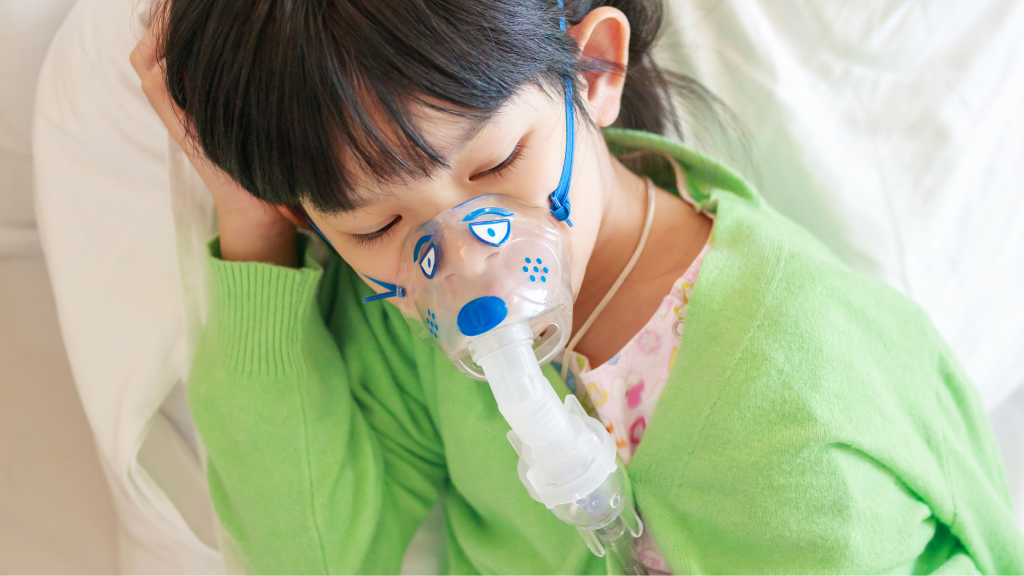
For children and adults living with rare diseases, survival and quality of life depend not only on pharmaceuticals, but on medical-technical equipment that enables breathing, ensures mobility and allows for safe monitoring within the home. When these essential devices are unavailable or unaffordable, the clinical promise of any treatment becomes conditional. This systemic gap, led to the creation ofFoundation NORBS Plus.
Foundation NORBS Plus was established in 2018 by the National Organisation for Rare Diseases of Serbia (NORBS)1, a national alliance of patient organisations advocating for improved policies in rare disease care. Through years of direct engagement with families, NORBS identified a recurring structural failure: while advocacy efforts were gradually improving access to medicines, families were still unable to obtain essential medical devices that were not covered by public health insurance.
For some rare disease patients, parents were routinely advised to procure aspirators, cough assist machines, non-invasive ventilation devices, anti-decubitus mattresses, specialised wheelchairs and patient monitors independently. For many households, the cost of a single device exceeded their monthly or even annual disposable income. At the same time, rare diseases already imposed significant out-of-pocket expenses through travel to specialist centres, nutritional supplements, diagnostics and supportive therapies. The cumulative financial strain was unsustainable.
Recognising that policy reform alone would not deliver immediate relief, NORBS created Foundation NORBS Plus as its humanitarian arm, designed to directly procure essential medical-technical equipment for individuals and health institutions. Shortly after its establishment, the Foundation conducted a needs assessment among member organisations, compiling a priority equipment list that continues to be updated today. Public campaigns were launched to convert donations directly into tangible support.
Since its establishment, the Foundation has carried out 112 procurements and provided more than 8,900 medical and technical aids, including consumables. Support has reached over 50 individuals, eight patient organisations and four healthcare institutions treating children with rare diseases. The total value of donated equipment exceeds €250,000. The devices provided range from non-invasive ventilation machines and cough assist systems to suction aspirators, electric wheelchairs and scooters, anti-decubitus mattresses, cardiopulmonary testing systems and polysomnography equipment.
These devices are not peripheral additions to care; they are prerequisites for stability. Without an aspirator, a child with neuromuscular disease faces preventable respiratory complications. Without appropriate positioning systems, physical deterioration accelerates. Without monitoring equipment, home-based management becomes clinically unsafe. The Foundation’s impact report documents how equipment provision reduces hospital admissions, stabilises home care and improves caregiver capacity.
Yet the need for such interventions highlights a silent systemic gap. When organisations like Foundation NORBS Plus do not exist, families face medical and financial freefall. They are discharged from hospital without essential devices or advised to procure equipment privately, with no clear funding pathway. They turn to informal fundraising, loans or the sale of personal assets. Some delay procurement, increasing the risk of complications and re-hospitalisation.
Caregiver financial impact
The economic dimension of this reality has been demonstrated by recent global research into the financial impact on caregivers of children living with rare diseases.1 The study underlines that families face substantial direct and indirect costs. Direct expenses include medical devices, consumables, supplements, private diagnostics and transport to tertiary centres. Indirect costs are often even more severe. In many households, one parent—most frequently the mother—leaves the workforce entirely to provide full-time care. This results not only in immediate income loss but long-term economic vulnerability and reduced pension contributions.
When the average monthly net income in Serbia is approximately €9502 a single non-invasive ventilation device costing several thousand euros represents catastrophic expenditure. Even smaller devices such as aspirators or specialised mattresses can equate to several months’ income. Caregivers describe the strain in stark terms: “The cost of equipment alone was higher than my monthly salary. I had to stop working to take care of my child, so it is impossible for us to buy it”. The study characterises this burden as severe financial strain with psychological consequences.
Beyond household economics, issues of access and equity further complicate the landscape. Across Europe, regulatory pathways for medical devices have become more harmonised, but reimbursement systems remain heterogeneous and often opaque. Time to access is primarily determined by reimbursement procedures rather than regulatory approval. In Serbia, the list of reimbursed medical-technical devices is periodically expanded, yet numerous devices critical for rare disease management remain absent or accessible only under restrictive criteria. The last time list was expanded was in late 2024, with minor changes.
This creates inequity between patients in Serbia and those in higher-income European countries, where supportive equipment is more routinely embedded within care pathways. Within Serbia itself, regional disparities add another layer of inequality. Families in rural or smaller urban areas encounter longer waiting times, fewer specialised services and limited maintenance support for complex devices. In practice, survival and quality of life may depend as much on postcode as on diagnosis.
Evolving beyond the molecule
For leaders in the pharmaceutical and MedTech sectors, these realities demand a shift in perspective. Rare disease innovation is a triumph of science, but a medicine does not function in isolation. It operates within an ecosystem that includes diagnostics, equipment, caregiver resilience and financial stability. When any part of that ecosystem is missing, the therapeutic potential of the innovation is compromised.
There is a compelling case for the industry to evolve beyond the molecule, pivoting toward comprehensive care solutions that address the full spectrum of patient needs. Structured partnerships with patient organisations, support for equipment access programmes, integration of supportive technologies into holistic treatment frameworks and investment in caregiver education and maintenance systems are all viable pathways. Foundation NORBS Plus offers a transparent, impact-driven platform for such engagement. Relatively modest investments in essential equipment can prevent deterioration of health status, reduce hospital admissions and mitigate financial collapse at household level.
The existence of Foundation NORBS Plus is both a testament to community resilience and a signal of systemic vulnerability. Families living with rare diseases in Serbia are not seeking extraordinary privileges. They are seeking the fundamental conditions necessary for their treatment to function. Survival should not depend on a successful fundraising campaign, and stability should not be bought with parental debt. Moving beyond the prescription means recognising that equitable care requires a coordinated, sustainable commitment to ensuring that life-sustaining equipment is never an afterthought, but an integral component of the patient journey.
Connect with Stefan
References
[1] National Organisation for Rare Diseases of Serbia (NORBS): https://norbs.rs/
[2] Florian Delval, James Levine, “Qualitative needs assessment of financial impact on caregivers of children living with rare diseases”, Rare, Volume 4, 2026, 100119, ISSN 2950-0087, https://doi.org/10.1016/j.rare.2026.100119. (https://www.sciencedirect.com/science/article/pii/S2950008726000037)
[3] Data from the Statistical Office of the Republic of Serbia for november 2025 (https://www.stat.gov.rs/sr-latn/vesti/statisticalrelease/?p=17755&a=24&s=2403?s=2403, website visited 18.02.2026.)
Headshot and logo photo credit: Miljan Živković
in the loop lets you stay informed with all the latest issues from the world of RARE. To access more in the loop articles click below.