

How real-time, real-world data unlocks precision in rare disease marketing

Interview with Hemal Somaiya, chief executive and strategy officer, PharmaForceIQ
Estimated reading time: 9 minutes
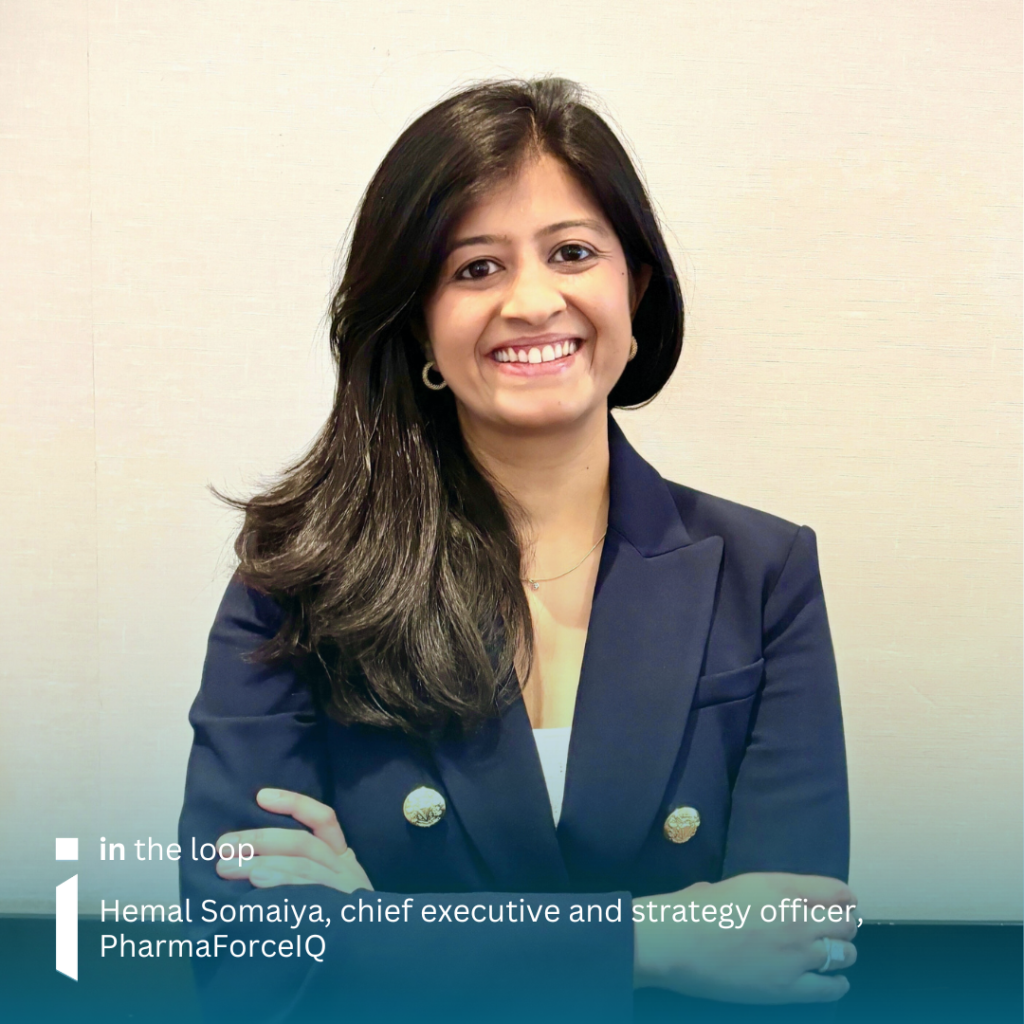

With rare disease treatments now increasingly reaching FDA approvals, the “spray-and-pray” marketing era is over. PharmaForceIQ’s Hemal Somaiya explores how real-time, real-world data is dismantling inefficient omnichannel models. By pivoting to optichannel strategies, brands can move beyond the noise, using trigger-based, hyper-personalised media to engage healthcare professionals exactly when it matters most. Discover how precision data minimises waste and accelerates adoption for the specialised therapies that patients urgently need
Specialty and rare disease therapeutics now dominate regulatory approvals. Of the FDA’s 46 novel drug approvals in 2025, more than half were rare disease treatments.1 But while rare disease is a growing area of clinical research, limited populations make it difficult for brands to pinpoint eligible patients and treating clinicians effectively to drive adoption quickly.
In this landscape, traditional ‘spray-and-pray’ approaches to marketing are inefficient and are becoming a costly liability. Nearly eight in 10 pharma leaders say omnichannel strategies have ‘little or no impact’ on customer engagement.2
Instead, brands today need to focus on marketing strategies which allow them to be precisely where and when it matters most. This paradigm shift can be enabled by optichannel strategies. Optichannel strategies harness the power of trigger-based, hyper-personalised media, empowering brands to meaningfully engage with healthcare professionals (HCPs) at exactly the right time. Instead of trying to be everywhere, this model uses data to focus resources on the most effective channels for each HCP to build disease state and product awareness efficiently without the waste of traditional media buying.
The challenges of rare disease marketing
Understanding several challenges specific to rare disease marketing helps clarify why traditional marketing approaches are falling short for so many brands, and how data-driven approaches can bridge gaps.
Rare disease patients can spend years waiting for a correct diagnosis.3 When a diagnosis is finally achieved, the window to start treatment is often understandably narrow. Yet HCP affinity preference and behaviour data is often assessed just once during planning in traditional campaigns. There is also a reliance on historical EHR and claims data which can be delayed by months and be unreliable due to diagnostic complexity. Combined, these limitations create a disconnect and mean campaigns are deployed long after treatment decisions are made.
This can be compounded by gaps in HCP knowledge of specific rare diseases and the treatment options available.4 Expertise is often concentrated in relatively few, dispersed specialist centers.5 A further challenge is that many brands have small sales teams covering large territories, making it impossible to cover every potential prescriber. Appropriate information, delivered at the right time via personal or nonpersonal channels, is vital to empower all clinicians to better support their patients.
A successful rare disease marketing strategy must therefore efficiently identify HCPs with eligible patients, empower them with credible, scientific information in a timely fashion and help ensure lean sales teams do not miss critical opportunities. Brands can now achieve this by pivoting from the use of passive, historical data to a proactive, real-time trigger model and embracing the opportunities of optichannel marketing.

An evolution to optichannel
Unlike traditional models, optichannel marketing focuses resources and shifts the focus from quantity to quality. Channel and tactic selection is based on real-world behaviour and preference data, with platform performance and dynamic affinity data layered in to create an optimal mix based on the intended audience and a brand’s strategic objectives. Optichannel allows marketers to connect the dots, informing personalised, hyper-targeted messaging at precisely the right moment to resonate with a specific HCP’s clinical and informational needs.
The cornerstone of this approach is actionable, highly accurate and in-depth, real-world data. Without the right data, any campaign will fail to deliver truly personalised engagement. In contrast, the right granular data empowers marketers to allocate resources to the optimal channels and platforms and maximize return on investment (ROI).
With the right data integrated, a trigger-based model can then directly connect a campaign’s digital exposure to Rx lift and revenue quickly, not months later. This provides the transparent, measurable ROI needed to justify investments. For example,a trigger-based, hyper-targeted campaignin an ultra-rare indication drove a 27% increase in market share. HCP engagement more tripled within one year and the 47% media savings were delivered compared to a previous campaign.
From passive data to proactive triggers
Real-world data points offer the earliest and most valuable signals of a patient or HCP journey. This allows brands to act on what is happening now, rather than reacting to what happened months beforehand. For example, lab data is often the most real-time data an HCP receives regarding a potential rare disease diagnosis. By leveraging this data as a primary trigger, a campaign can initiate HCP engagement within 24-48 hours of a test order or result. This ensures a brand’s message can be delivered to HCPs at precisely the time when they are considering treatment options.
However, to truly deliver results, marketing strategies need to move beyond any one real-world data source. Optichannel marketing strategies leverage multiple signals to identify the optimal channel mix and create a dynamic, holistic view of both HCP behavior and the patient journey. When lab testing or awareness is low or non-existent, alternative data from scripts, diagnostic procedures or infusions can be used instead.
Predictive models can also be used to generate triggers. For example, advanced analytics may be used to identify points in the patient journey when treatment is likely to change or use routine monitoring schedules to predict new diagnoses. This enables timely, proactive outreach. Behavioral signals can also be leveraged for effective optichannel marketing. Online search queries, publication downloads and congress information can all help to narrow down when an HCP is seeking relevant information and identify moments of high intent.
These trigger-based approaches can be particularly beneficial for small commercial teams because they extend reach beyond traditional, static target list media models. Triggers also empower marketers to uncover non-list HCPs, pull them into campaigns and flag them for either sales outreach or continued digital engagement.

Optichannel models in practice
The foundation of an optichannel, trigger-based model is a platform that seamlessly ingests real-time data and real-time behavior tracking to build a holistic view of the patient and provider journey. Once that has been achieved, the next step is to create personalised outreach journeys and automate orchestration. Once a trigger has been detected, hyper-personalised content should automatically deploy via the HCP’s preferred medium and vendor. This precise content delivery avoids media fatigue and increases the chance of meaningful interactions. It also removes the manual, time-consuming processes like agency handoffs or data scrubbing that can cause critical delays in current marketing campaigns.
Optimisation is then achieved by harnessing the power of machine learning (ML) to update journeys over time based on engagement, or non-engagement, data. This can happen at both the provider and campaign level, making it clear exactly what tactics are driving adoption and where there is a need to pivot if investments are not having the expected impact.
By adopting this type of data-driven approach, brands can ensure educational content and messaging reaches the right audience at precisely the right time. Transparent, up-to-date results tracking also ensures resources can be reallocated quickly and effectively rather than having to wait for months, or even a year, as in traditional media buying cycles.
Case study: Driving outsized impact for a lean team
A lean brand team needed to establish share of voice and market share among two specialties. There were no clear treatment guidelines and both approved and off-label competitors. An optichannel campaign harnessing real-world data was used to increase engagement and Rx lift within just six months.
Multiple mutation and lab claim triggers rapidly identified critical moments of diagnosis. This approach was supplemented with the use of a predictive model to identify when a patient would be eligible to switch therapies and symptomatic identifiers and a six-month MRI schedule to trigger personalised messaging for each HCP. To further optimise the campaign, messaging was deployed via automated next-best-action sequences on the channels most likely to engage clinicians. This included Veeva for field engagement, endemic display, emails and custom media.
As a result of adopting an optichannel approach, HCP engagement rates more than doubled compared to a prior disease state education (DSE) campaign. The NRx market share per month increased from 28% to 45% and the model drove 17% Rx lift, with 70% of scripts tracked back to the campaign triggers. More than 1,000 additional non-list HCPs were identified for engagement and around 13,000 brand touchpoints were delivered to both the target list and additional HCPs.
This example highlights how an approach driven by real-time data can empower a lean team – even in an unusually crowded rare indication.
Conclusion
Real-time, real-world data is vital for successful rare disease commercialisation. Optichannel, trigger-based approaches replace guesswork with data, delays with speed and inefficiencies with tangible ROI. By leveraging data, precision and agility, brands can move beyond the limitations of current marking models and ensure they are reaching the right patients and providers at exactly the right time. Ultimately, this results in an optimised user journey which maximises budgets while also driving education and action.
Connect with Hemal
Connect with PharmaForceIQ
References
[1] https://www.fiercepharma.com/pharma/2025-drug-approvals
[2] https://www.graphitedigital.com/insights/disconnected-pharma
[3] https://www.nature.com/articles/s41431-024-01604-z
[4] https://www.sciencedirect.com/science/article/pii/S2405844024147081
[5] https://amiculum.biz/insights/enhancing-the-patient-hcp-relationship-in-rare-diseases/
innovation spotlights the future of RARE through a technological lens. To access more in the loop articles click below.
