
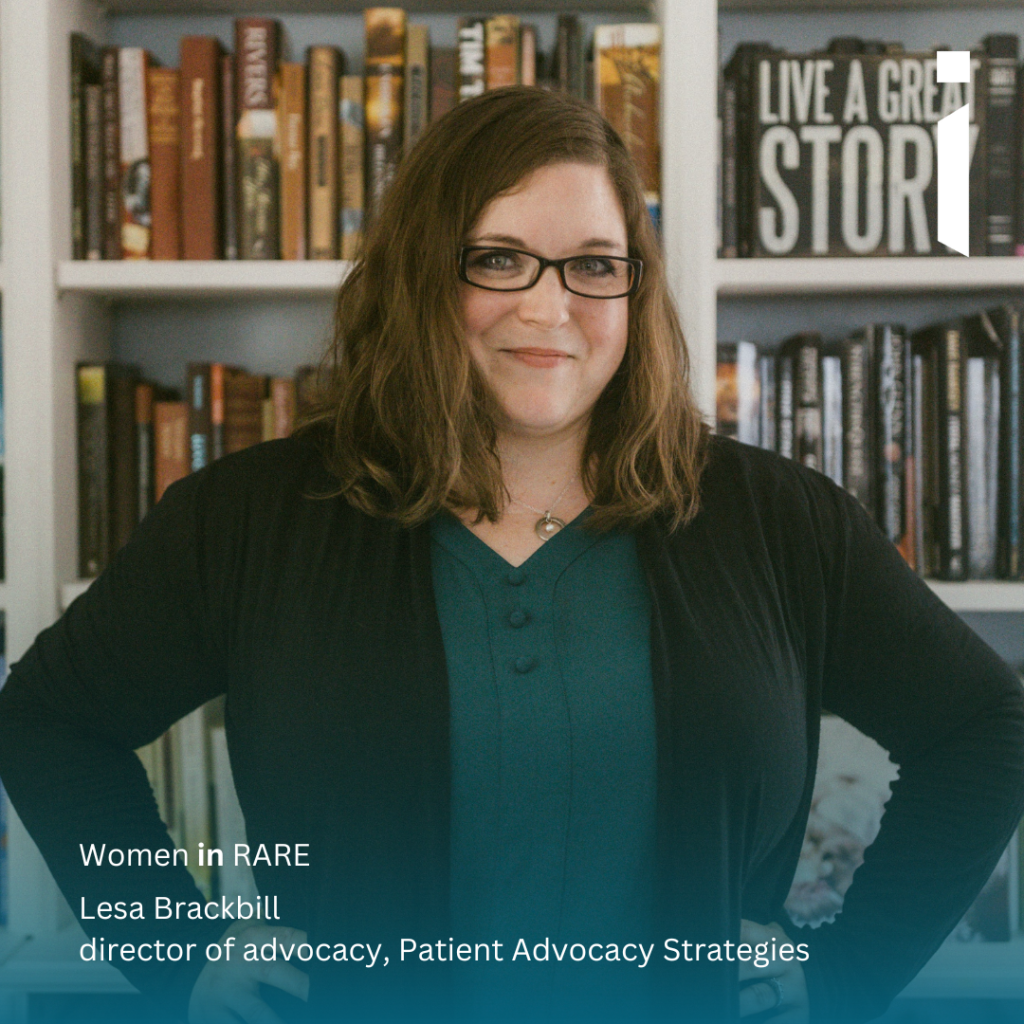
Lesa Brackbill, director of advocacy, Patient Advocacy Strategies

Estimated reading time: 7 minutes

“Professionally, I am motivated to move the needle from awareness to achievement. My work doesn’t directly erase my pain, but it erases it for others, which gives my life a profound sense of purpose. My work is Tori’s legacy.”
Like many in the rare disease community, my career path has been unexpected. Looking back, however, I see how my curious childhood, my political science degree, my love for helping others and my interest in lobbying all connect beautifully. This journey was always meant to be mine, even though I sometimes wish I could change the circumstances that set it in motion.
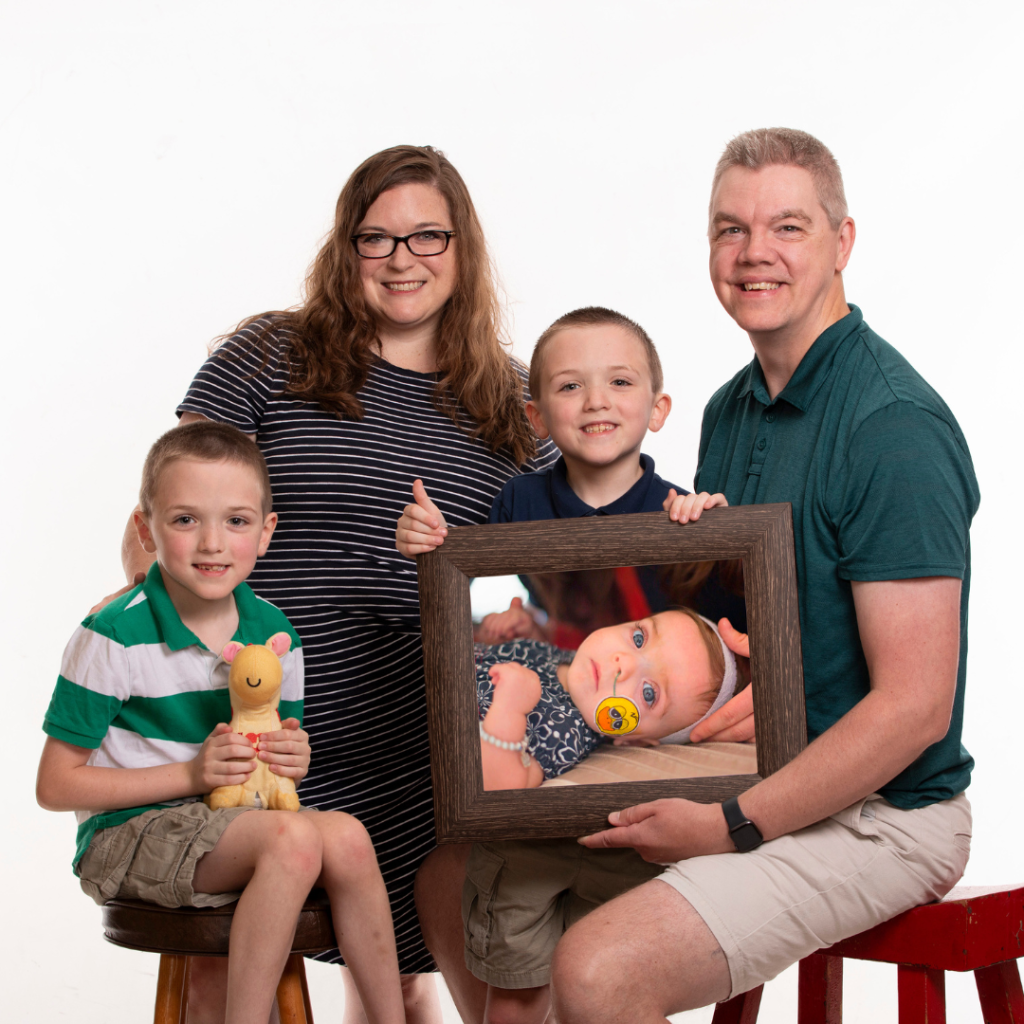
From navigating a diagnostic odyssey as a mother to becoming the director of advocacy for Patient Advocacy Strategies, my experiences have shaped my professional path. After my daughter Victoria’s diagnosis, I took on the challenge of reforming Pennsylvania’s newborn screening (NBS) system, leading two coalitions that successfully passed legislation. Now, I serve as a strategist, author, local school board member and board director for KrabbeConnect. Each of these roles is driven by a simple goal: to make others’ journeys easier by leading systemic achievements from the front.
What motivated you into your chosen career path?
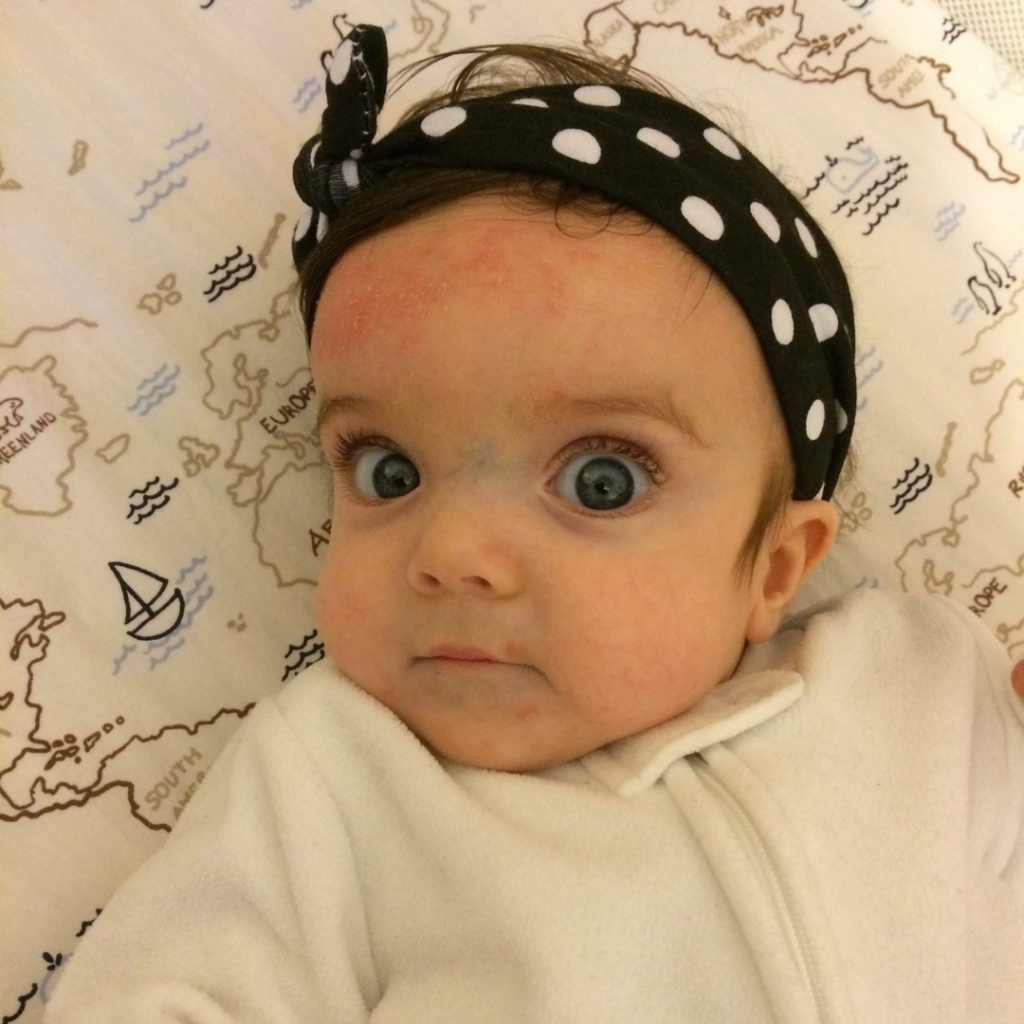
My daughter Tori’s diagnosis day changed everything. Being told that your six-month-old child is dying and that you could have tried treatment had she been screened at birth was earth-shattering. Yet, it brought total clarity to my purpose. I realised I couldn’t save Tori, but I could re-engineer the system that failed her.
I am motivated by the “Why” that sits at the intersection of beauty and pain. I know more about Krabbe disease than I do about my daughter; I will never hear her say “Mama,” and that loss drives me to ensure the “if only” is removed from the rare disease vocabulary.
Professionally, I am motivated to move the needle from awareness to achievement. My work doesn’t directly erase my pain, but it erases it for others, which gives my life a profound sense of purpose. My work is Tori’s legacy.
What do you see as some of the opportunities as a woman in your field?
Rare disease advocacy is one of the few sectors led predominantly by women, and I believe that is by design. Mothers are generally the primary caregivers, so we are the first to experience the “potholes” of the system. We know firsthand what it is like to struggle with a rare diagnosis while also scrambling to navigate a system that puts up barriers at every turn.
We have a profound opportunity to move from being stakeholders to becoming the primary architects of the ecosystem. The phrase “mama bear” exists for a reason: we get things done, especially when our children are impacted.
The unique opportunity now lies in professionalising that determination, because we aren’t just moms. By adopting a growth mindset, we can transition from storytellers to strategists, building the technical coalitions needed for drug development and screening reform. There is also a massive opportunity for women to take seats on boards and in C-suite advocacy roles to ensure corporate governance is rooted in patient reality. We understand that solutions are not partisan, allowing us to find common ground across political divides. By reclaiming our narrative with integrity, we aren’t just participating in the industry; we are redesigning it to be more equitable, ethical and effective for everyone.
What are some of the barriers to success as a woman in your field?
One of the most significant barriers I face as a parent advocate is the expectation of unpaid labour. Industry and policy leaders often invite us to “share our stories” or provide “expert lived experience” at tables where every other professional—the doctors, the lobbyists, the researchers—is being paid for their time. As a mother, taking that seat often means taking time off work, paying for specialised childcare and navigating the emotional toll of reliving my trauma, all without compensation. This “advocacy discount” assumes that our passion is enough to sustain us, but passion doesn’t pay the bills. It creates a barrier that excludes many talented voices who simply cannot afford to advocate for free.
Furthermore, there is the barrier of access vs inclusion. We are often given a seat at the table to provide “colour” or “heart” to a project, but we are rarely given a vote in the actual decision-making process. We are treated as the asset to be studied rather than the architects of the solution.
Finally, women in this space are frequently leading the charge for systemic change while simultaneously managing the 24/7 complex medical care of our children. The system doesn’t account for the fact that, even in the halls of the Capitol, we are still checking monitors and coordinating therapies. To succeed, we must move toward a model in which patient advocates are treated as professional consultants, with their time, expertise and “mind of an engineer” valued and compensated accordingly.
What is one piece of advice you would give your 10-year-old self?
You can’t imagine the road ahead, and I won’t promise it will be easy. But keep practicing your debate skills, your writing and your public speaking, because they’ll be the tools you use to save lives.
You’ll realise that the messiest parts of your life—the knots and loose ends—are the foundation of a masterpiece.
Every decision you make between now and then will make sense if you continue to love your neighbour and do the right thing. It may not make sense now, but trust the process; you are planting seeds in a garden you’ll one day see.
Can you tell us about your current work priorities and focus or a particular project you are working on?
At Patient Advocacy Strategies, I am bringing my expertise in newborn screening (NBS) to the forefront by consulting with condition groups and life science companies to guide them through the complexities of state-by-state condition addition. I have ten years of experience and knowledge in this area, and I want to mentor others so they can bring beauty out of their pain and navigate the “potholes” of public health policy with precision.
On March 27, 2026—the tenth anniversary of my daughter’s death—I am launching my second book,A Brighter Blueprint: The Twelve Threads of Effective Advocacy.This is the manual I wish I’d had when I first started. It moves beyond the why of advocacy and dives into the how, teaching advocates to weave their passion into a resilient strategy that holds. Most of us were not given a roadmap or a blueprint for becoming an advocate. This framework, comprised of twelve threads, fills that gap and helps advocates shift from merely fighting the system to re-engineering it.
In tandem with the book, Patient Advocacy Strategies is launching the ‘Brighter Blueprint Studio’ in 2026. This digital space will provide deep-dive training on the components of effective advocacy, from strategic communication to integrity. My focus is on ‘the interlock’—ensuring that the personal values of the advocate and the technical goals of the industry physically grip one another to create a lasting safety net.
I am weaving a world where “if only” doesn’t exist. By professionalising the way we approach policy and patient engagement, we ensure that every advocate has the strategy to turn their “why me?” into a professional “here’s how.” Our goal is to ensure that when the next family receives a diagnosis, they find a system that is already working for them, rather than a mountain they have to climb alone.
Connect with Lesa
Women in RARE is a celebration of women working in the RARE space in science, research, industry and advocacy. To access more Women in RARE articles click below.