
Nadine Großmann, vice chair FOP Germany, chair of the IFOPA’s board of directors, vice chair LOUDRARE e. V., PhD candidate rare diseases

Estimated reading time: 3 minutes
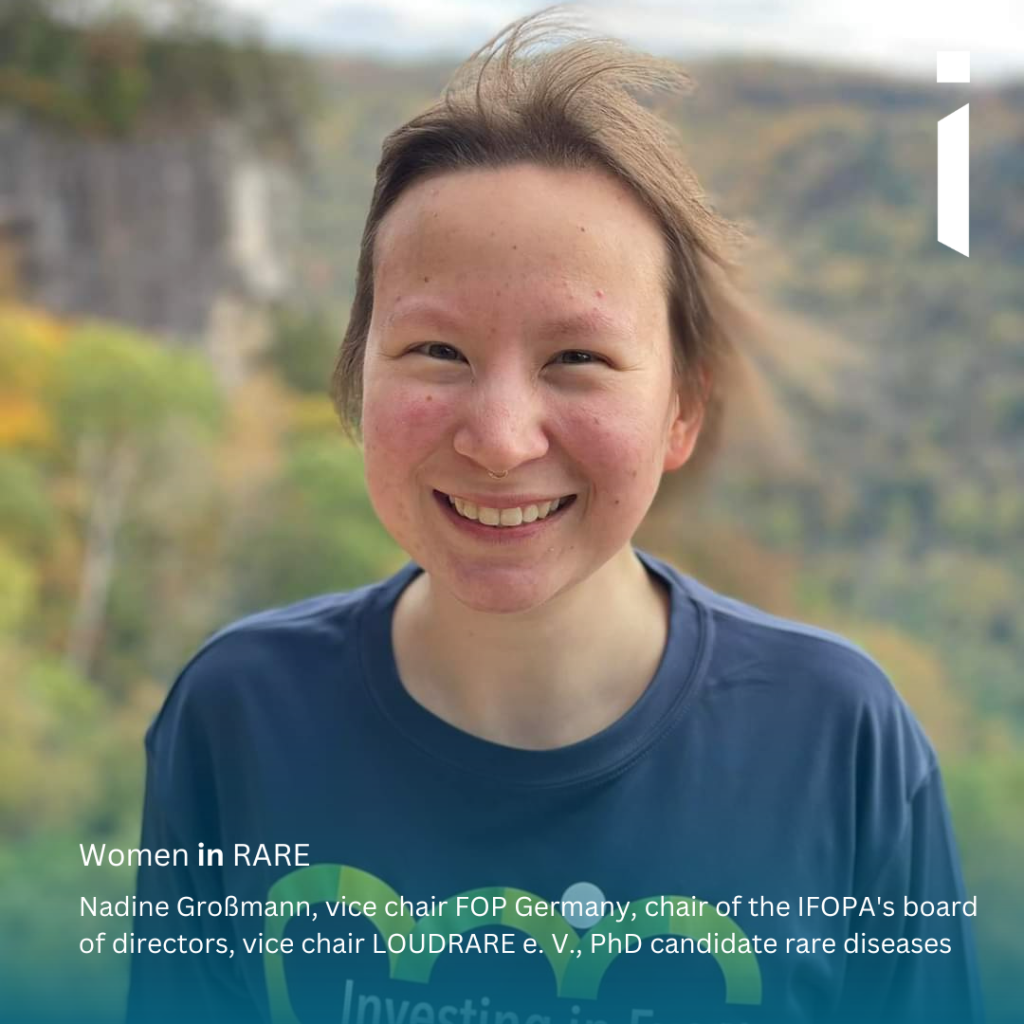

“What truly motivates me is our amazing community of FOP troopers. Knowing their stories motivates me to not give up.”
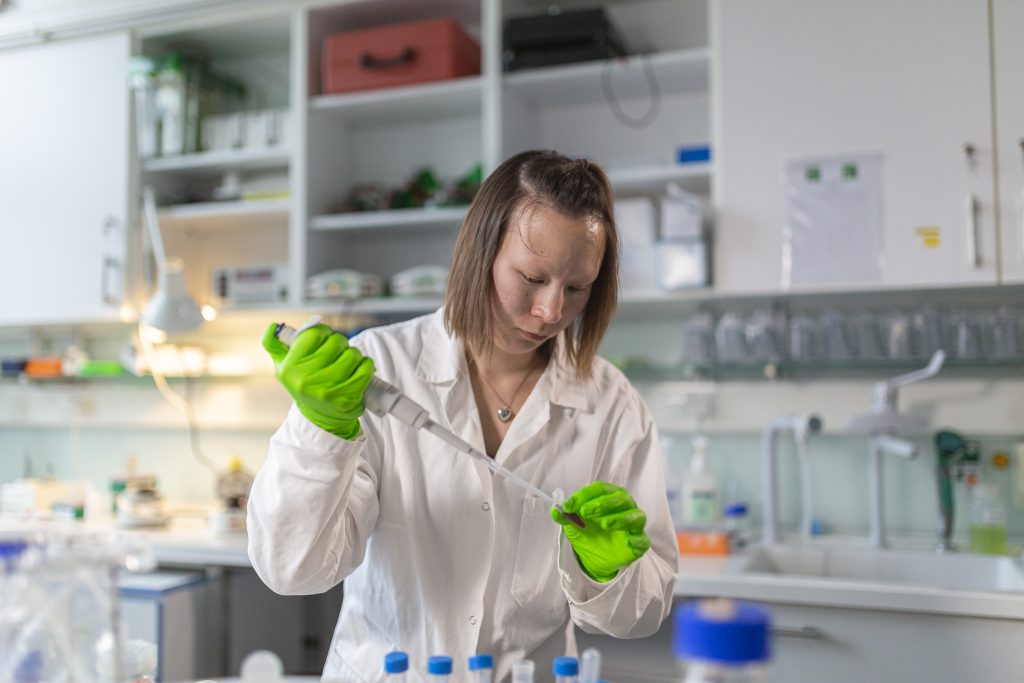
In 2017 I started my career as a rare disease researcher when I wrote my Master thesis on fibrodysplasia ossificans progressive (FOP). In 2019 I started my PhD work on FOP.
What motivated you into your chosen career path?
During my bachelor studies I became interested in the biomedical field. But it wasn’t until friends asked me, why I didn’t study FOP myself, that I decided to become an FOP researcher. What truly motivates me is our amazing community of FOP troopers. Knowing their stories motivates me to not give up.
What do you see as some of the opportunities as a woman in your field?
I see the opportunity to be both a contributor and a role model.
I can grow professionally while also helping open doors for other women coming into the field through mentorship, collaboration and simply being visible and vocal about my experiences. In addition, I see the chance to contribute perspectives that may have been underrepresented in the past and to help shape practices, culture and outcomes in a more equitable and innovative way.
What are some of the barriers to success as a woman in your field?
One barrier is navigating environments that were not originally designed with women in mind, whether that’s workplace culture, leadership norms or policies. However, recognising these challenges also creates opportunities to advocate for structural change and more inclusive practices.
I also feel that sometimes I have to work harder to establish credibility and sometimes contributions are overlooked or attributed to others.
What is one piece of advice you would give your 10-year-old self?
Believe in yourself, you can do this. Don’t let others put you down. It’s ok not to be ok. And as my tattoos always remind me: You can and you will. Be brave and be bold.
Can you tell us about your current work priorities and focus or a particular project you are working on?
For my PhD thesis I am investigating the age-dependent formation of extra-skeletal bone in the ultra-rare disease fibrodysplasia ossificans progressiva (FOP). My goal is to better understand the different disease progression we see in children versus adults living with FOP. Gaining a better understanding of the differential disease progression is the basis to developing new treatments specific for the different age groups.
Connect with Nadine
Women in RARE is a celebration of women working in the RARE space in science, research, industry and advocacy. To access more Women in RARE articles click below.