
Putting you in the heart of the rare community – Cure Mito Foundation

Estimated reading time: 7 minutes
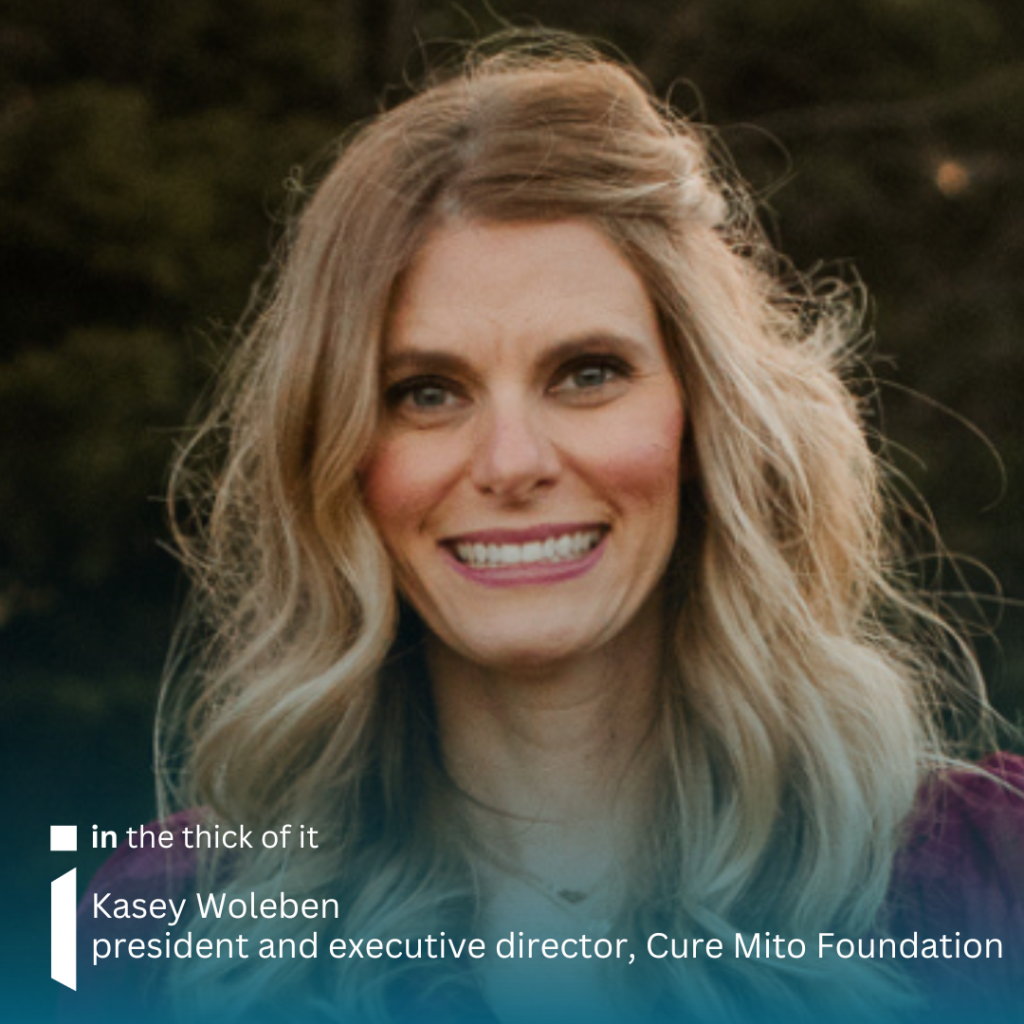
Patient advocacy groups deliver their top three unmet needs and main asks of industry to best serve their rare community. This week’s insights come from Kasey Woleben, president and executive director, Cure Mito Foundation
Cure Mito Foundation is a parent-led, global nonprofit dedicated to accelerating research, treatments and cures for Leigh syndrome and related mitochondrial diseases. Founded by families directly affected by Leigh syndrome, Cure Mito is grounded in the lived experiences of individuals and families across our community.
Our mission is to unite the global Leigh syndrome community to accelerate patient-centered research, treatments and cures. We pursue this mission through strategic research funding, operation of the Leigh Syndrome Global Patient Registry, education and support for patients, families and healthcare providers, and collaborative partnerships.
Cure Mito believes that individuals affected by Leigh syndrome and their families are people first – not just patients—and is committed to creating a space where everyone feels seen, supported and valued. Guided by lived experience and a deep sense of urgency, we work to ensure that information and knowledge are accessible to all and translated into real-world impact.
Leigh syndrome is a rare, severe mitochondrial disease that primarily affects infants and children, though later-onset forms can occur. It is caused by genetic mutations —more than 110 identified to date—in either nuclear or mitochondrial DNA that impair the body’s ability to produce energy at the cellular level. Leigh syndrome most often affects the brain, muscles, and nervous system. Symptoms may include developmental delay or regression, loss of motor skills, feeding difficulties, seizures, respiratory problems and impaired vision or hearing. The condition is progressive and currently has no cure, with treatment options focused on symptom management and supportive care.
What are your top three unmet needs or main asks of industry to best serve your rare ecosystem?
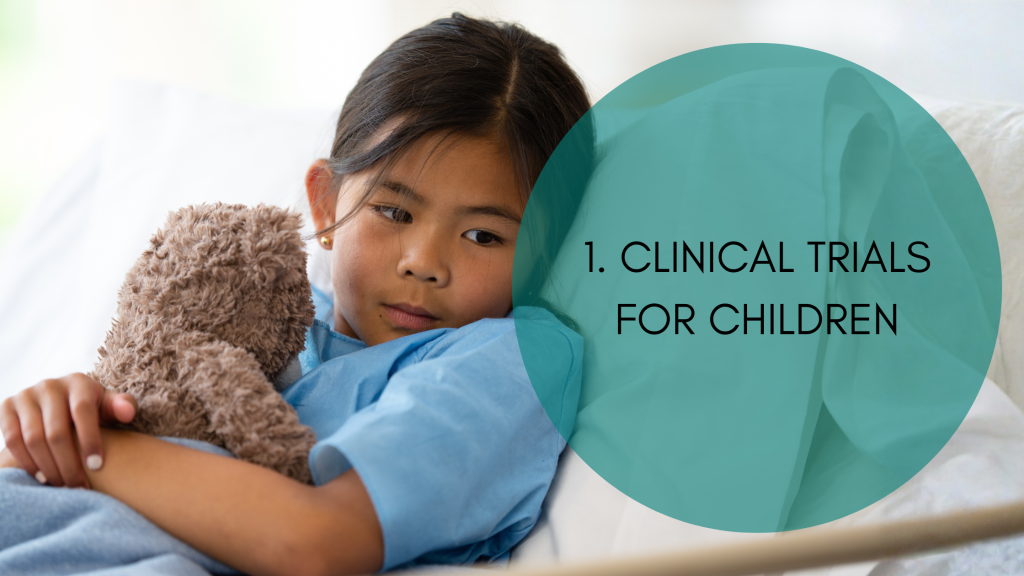
Address the severe lack of clinical trials for children with Leigh Syndrome. One of the most urgent unmet needs in the Leigh syndrome ecosystem is the severe lack of interventional clinical trials for paediatric patients. Leigh syndrome is the most common paediatric mitochondrial disease and most often presents in infancy or early childhood. Yet, despite this reality, very few clinical trials are designed specifically for children with Leigh syndrome, and most therapeutic studies in mitochondrial disease continue to focus on adult populations. For families facing a progressive, life-limiting condition, this scarcity of paediatric trials represents a profound unmet need.
The limited number of paediatric trials is often attributed to disease heterogeneity, small patient populations and perceived development risk. While these challenges are real, they should not result in the routine exclusion of children from therapeutic development—particularly when infrastructure exists to support informed trial design and feasibility assessment. Cure Mito operates the Leigh Syndrome Global Patient Registry, which provides an efficient and ethical mechanism to engage and contact families who have opted into research participation. The registry was intentionally designed not only to support future studies, but to generate meaningful insights in the present. Aggregate findings are readily available, registry-based analyses have been published multiple times and the data are interoperable with both CDISC and OMOP standards.
We ask industry to prioritise early paediatric development planning, including developing relationships with patient groups representing pediatric populations—such as Cure Mito—and becoming familiar with the lived realities and needs of our community, as well as investment in age-appropriate endpoints and trial designs that reflect the realities of caring for medically fragile children. Children with Leigh syndrome cannot wait for downstream inclusion; intentional investment in paediatric trials is essential to changing the course of this disease.
Share data through neutral, pre-competitive platforms. A persistent unmet need in rare disease development is the responsible, structured sharing of clinical and real-world data. To help address this gap, Cure Mito has worked with the Critical Path Institute (C-Path) since 2021 to advance collaborative, pre-competitive approaches to data sharing in mitochondrial disease. These efforts contributed to the formation of the Mitochondrial and Inherited Metabolic Diseases (MIMD) Task Force in 2024—now comprising more than 20 member organisations—launched under C-Path’s Rare Disease Cures Accelerator–Data and Analytics Platform (RDCA-DAP®). C-Path serves as a neutral convener, bringing together regulators, industry, researchers and patient organisations to address shared scientific and regulatory challenges in a secure, pre-competitive environment. Importantly, this task force has already enabled tangible progress. Through collaborative work within the task force, registry data alignment across several mitochondrial disease registries has been completed, with results expected to be shared publicly soon.
While alignment of registries has long been discussed within the community, this represents the first time it has been operationalised through a neutral, multi-stakeholder effort. At the same time, registry data alone are not sufficient to advance therapeutic development. While registries play a critical role in understanding disease burden and variability, clinical trial data are essential for developing and validating meaningful endpoints. Data from completed or discontinued trials—when appropriately de-identified—remain highly valuable and can directly inform endpoint selection, trial design and regulatory strategy.
We ask industry to view participation in neutral, pre-competitive platforms as a strategic investment in the field. Contributing data where feasible, engaging in collaborative discussions and maintaining a seat at the table help align standards, endpoints and trial design, while also supporting the patient and research community. This participation ensures that development decisions are informed by a collective understanding—an approach essential for sustained progress in rare disease.
Engage thoughtfully and authentically with rare disease organisations. An important need in the Leigh syndrome and broader rare disease ecosystem is more thoughtful and informed engagement between industry and rare disease organisations. Including patient voices is essential, but no single patient or organisation can speak for an entire community and meaningful inclusion is often more complex than it appears. Rare disease organisations, like companies, are not all the same. They vary widely in mission, scope, governance, maturity and capabilities, as well as in organisational culture, approaches to engaging patients and the extent to which patient perspectives are represented and heard.
Engaging authentically means taking the time to understand what an organisation actually does, who it serves, and what unique expertise it brings. This includes learning how an organisation supports families, engages researchers, contributes to scientific understanding or builds research infrastructure. Awareness of existing efforts across the community helps ensure that new initiatives complement—and build upon—what is already in place, rather than operating in parallel.
A similar principle applies to patient registries. Not all registries are designed or operated in the same way, and their value depends on how data are collected, curated, governed, analysed and shared. Industry partners should seek to understand how a registry functions, how and with whom data are shared, what insights it has already generated and how those insights are produced. Reviewing aggregate findings or published learnings helps ensure that collaboration is informed by evidence rather than assumptions. When an organisation demonstrates sustained engagement, transparency and a track record of meaningful, high-quality work, there is an opportunity for industry to support and build upon that effort. Thoughtful partnership can reduce patient burden, strengthen existing infrastructure, and accelerate progress across the ecosystem.
Connect with Kasey
in the thick of it puts you in the heart of the RARE communities you serve.
To connect with more RARE communities click below.