

Putting you in the heart of the rare community – Hope for Hypothalamic Hamartomas UK

Estimated reading time: 5 minutes
Patient advocacy groups deliver their top three unmet needs and main asks of industry to best serve their rare community. This week’s insights come from Carrie Fulcher, chair, Hope for Hypothalamic Hamartomas UK
Hope for Hypothalamic Hamartomas drives education, support and research into this complex syndrome. We focus our efforts and funding on early detection, improved treatments and managing hypothalamic hamartomas (HH) as a complex medical syndrome with the hope of one day finding a cure. Goals provide information and education to HH patients, caregivers and healthcare professionals
Hypothalamic hamartomas are lesions that arise in the ventral hypothalamic region while the brain is forming in the utero. The syndrome is commonly associated with a spectrum of clinical, endocrinological and psychosocial comorbidities, including refractory epilepsy, precocious puberty and rage behaviours. Additionally, HH syndrome may include the evolution of an epileptic encephalopathy with developmental regression, psychiatric and behavioural comorbidities. Neuropsychological, sleep and endocrine disorders are also common.
With regards to the epilepsy, for most the initial seizures are gelastic seizures which usually begin early in life, often at less than one year of age. They appear as laughter or giggles that an individual cannot control. Due to the nature, they are often difficult to detect and diagnose. Over time the seizures progressively change into other types such as infantile spasms, absences, focal and generalised tonic clonic seizures.
What are your top three unmet needs or main asks of industry to best serve your rare ecosystem?

Currently there are no medications that are effective for gelastic seizures. These are a rare seizure type that are often referred to as “laughing seizures”. However, there is absolutely nothing funny about them. They cause the individual great distress and for most people, are the precursor to many other types of seizures that can devastate quality of life. These seizures usually begin at a very young age and are the first seizure types to appear. Because of their unusual presentation, they are very difficult to diagnose as well as treat. If we had a better understanding of the genesis of these seizure types and a medication or therapy that worked, we could treat early and possibly eliminate the cascade of worsening seizure types that inevitably follow over the lifespan of an individual.
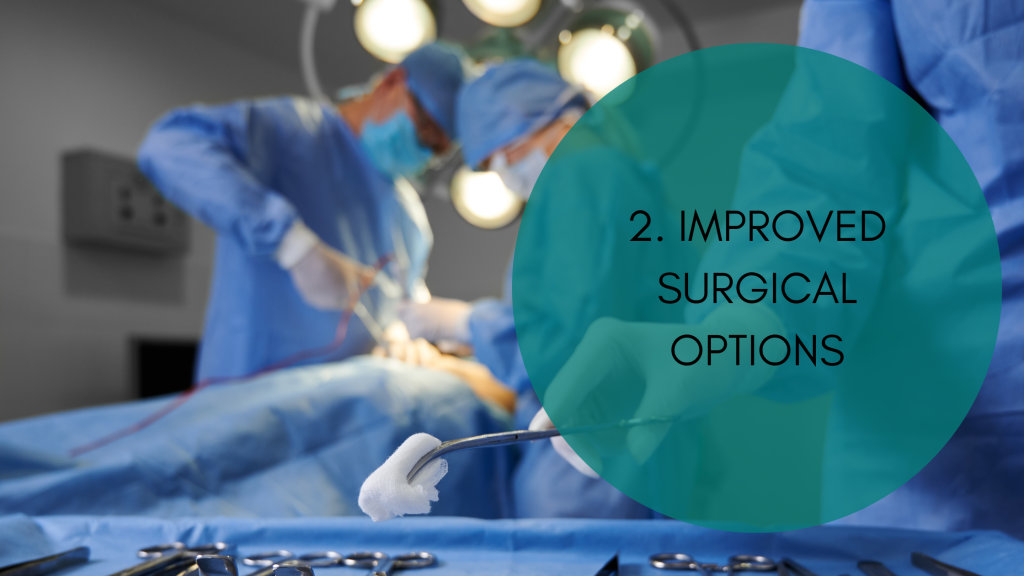
Better surgical options are a must for individuals with hypothalamic hamartomas. Current treatment options (resection, radiation and ablation) can come at a high cost in complication rate and often require several procedures to eliminate the seizures. Current surgical procedures run the risk of significant damage to the hypothalamus which regulates so many other critical systems throughout the body. Proximity to the optic nerve is also a complicator. Individuals are often forced to trade seizures for lifelong endocrine complications and/or vision loss, or worse—the seizures are not eliminated, and the procedure has made a very bad situation even worse.
Patients and caregivers are becoming even more concerned about the reported increasing rate of seizures returning after a period of seizure freedom. More and more individuals are experiencing a period of seizure freedom post-surgery, anywhere from months to many years, only to have the seizures return with a vengeance.
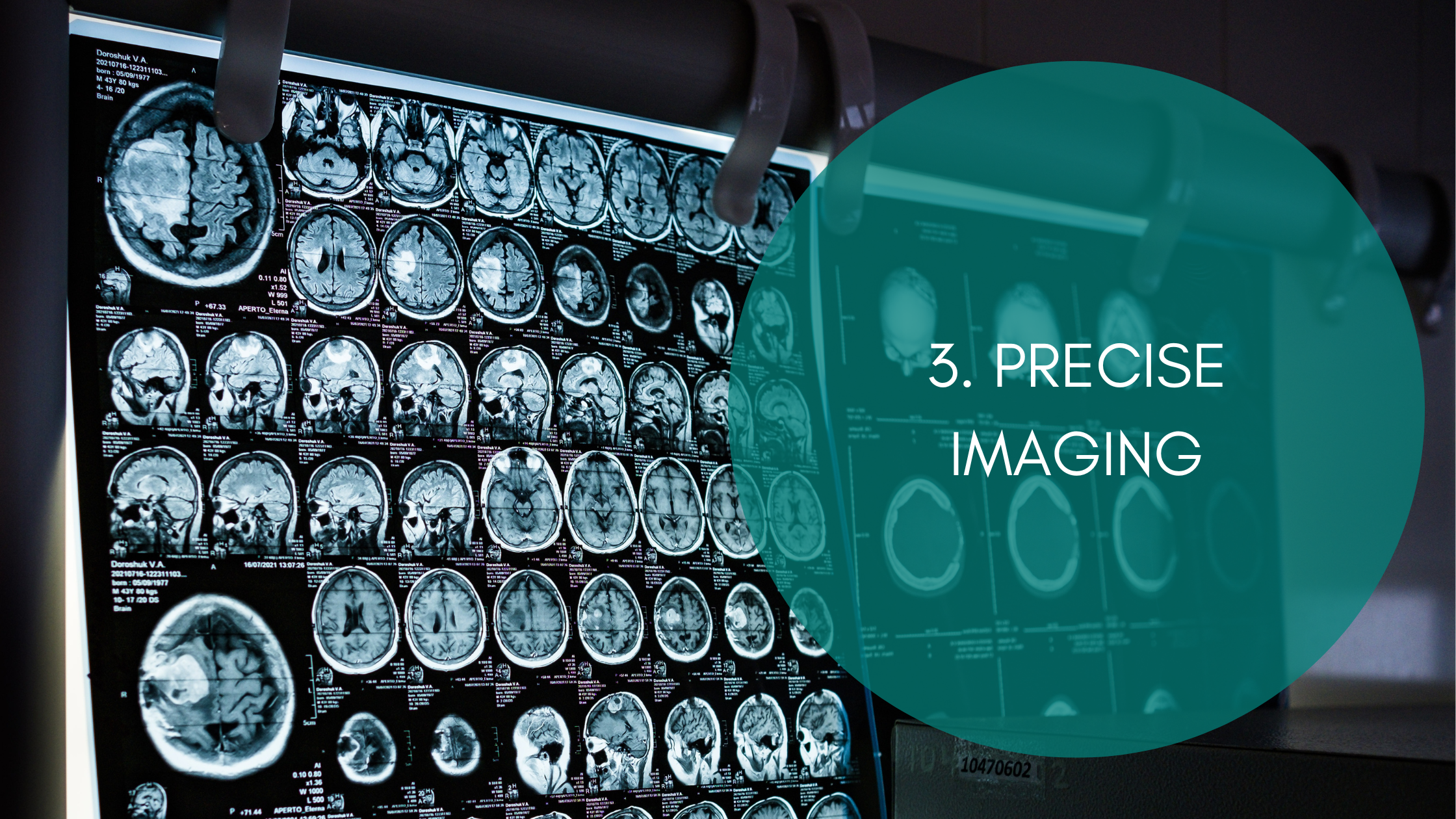
There is a great need for more precise imaging to determine the “active” part of the hypothalamic hamartoma—potentially eliminating the need to remove or ablate the entire hamartoma and lessen the current risk of destroying critical brain tissue that often has devastating results. By being able to focus the treatment on a specific area, there could be a drastic reduction in the volume of tissue that has to be treated.
Better, more precise imaging at the time of initial presentation of the early seizure types—especially in the area of the third ventricle, would also lead to more hypothalamic hamartomas being caught early and thus avoiding the extended diagnostic journey that many patients are forced to live with. In some cases, even a misdiagnosis and completely unnecessary surgery with devastating consequences.
Connect with Hope for Hypothalamic Hamartomas UK
in the thick of it puts you in the heart of the RARE communities you serve. To connect with more RARE communities click below.