
Putting you in the heart of the rare community – NCBRS Worldwide Foundation

Estimated reading time: 4 minutes
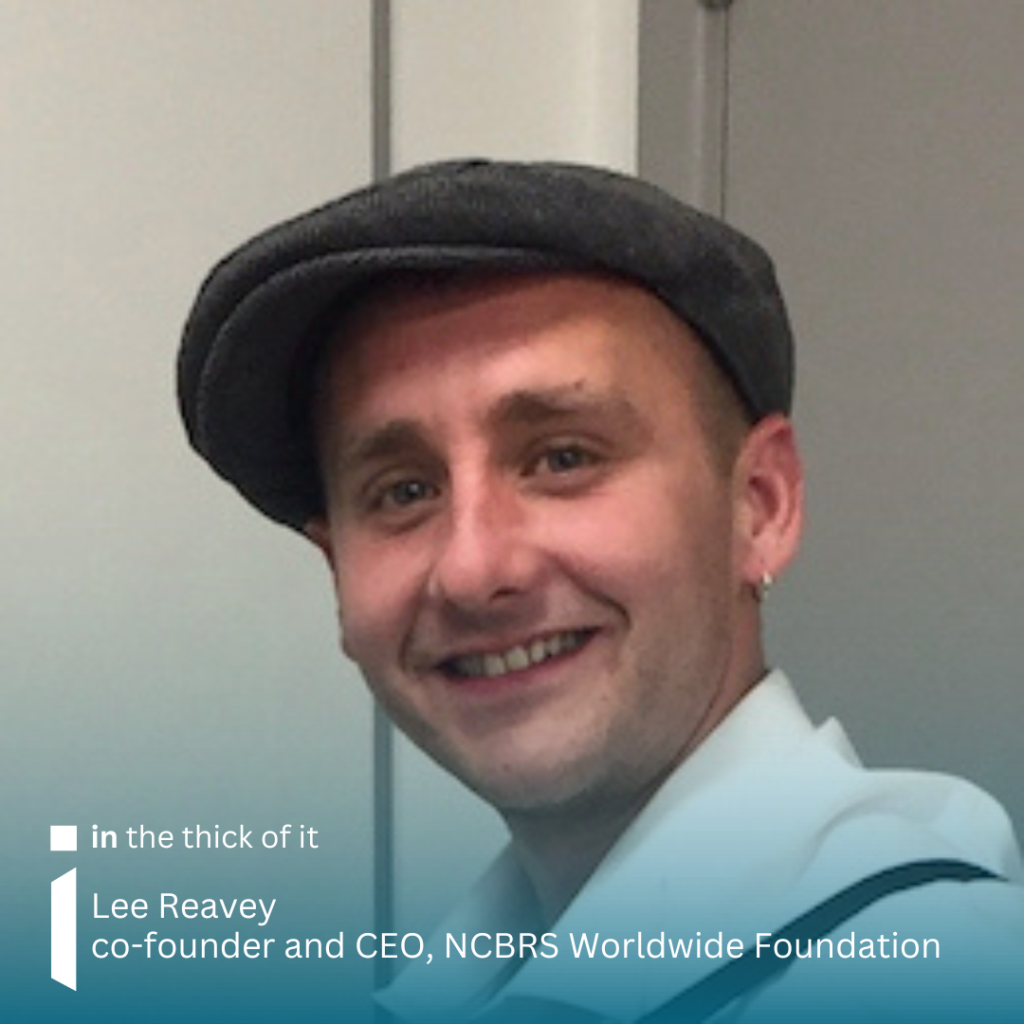
Patient advocacy groups deliver their top three unmet needs and main asks of industry to best serve their rare community. This week’s insights come from Lee Reavey, co-founder and CEO, NCBRS Worldwide Foundation
The NCBRS Worldwide Foundation is a UK-registered non-profit dedicated to supporting individuals and families affected by Nicolaides-Baraitser Syndrome (NCBRS) across the globe. Our vision is a world where every person diagnosed with NCBRS has the opportunity to reach their full potential.
Our Mission
Support and educate: providing families, carers and healthcare professionals with the resources and community they need to manage this ultra-rare condition.
Awareness: increasing global recognition of NCBRS to shorten the diagnostic odyssey.
Advocacy: driving and funding scientific research to deepen medical knowledge and discover effective treatments.
Nicolaides-Baraitser Syndrome (NCBRS) is an ultra-rare genetic disorder—with fewer than 330 confirmed cases worldwide—caused by (in the majority of cases) de novo mutations in the SMARCA2 gene. This gene is crucial for chromatin remodelling, which regulates how DNA is “read” by the body.
The syndrome is characterised by:
Physical features: Sparse scalp hair, short stature and distinctive “coarse” facial features that evolve over time. A hallmark sign is the prominence of the finger joints (interphalangeal joints) due to a lack of subcutaneous fat. Scoliosis, dematological issues and dental issues are also common.
Neurological impact: Moderate to severe intellectual disability and significant speech delays; roughly one-third of the community never develops verbal language.
Medical complexity: Many individuals suffer from difficult-to-treat (refractory) epilepsy, which often begins in infancy and can lead to developmental regression.
What are your top three unmet needs or main asks of industry to best serve your rare ecosystem?
The need: NCBRS is profoundly under-researched, leaving families and clinicians without disease-specific treatments. One of the most urgent manifestations is epilepsy, which in NCBRS is frequently pharmaco-resistant. In addition, the lack of basic research into how SMARCA2 mutations disrupt neuronal development limits our ability to develop drugs.
The ask: We seek targeted studies that elucidate the neurological impact of SMARCA2 dysfunction and its role in seizure generation. Investment in mechanism-driven research by academia and pharmaceutical companies is essential to developing precision therapies that address the root cause of seizures in NCBRS.
The need: With a high percentage of our population being non-verbal, the “unmet need” is the ability to communicate basic needs, emotions and pain.
The ask: We ask the tech and assistive-device industry to prioritise the development of more intuitive, AI-driven Augmentative and Alternative Communication (AAC) tools that are accessible to individuals with the specific motor and cognitive profiles seen in NCBRS.

The need: Because the condition is so rare, there is a lack of longitudinal data on how NCBRS progresses into adulthood. This makes it difficult for doctors to provide accurate prognoses or for industry to design clinical trials.
The ask: We seek partnerships with biotech and data-science firms to help us build and maintain robust global patient registries and natural history studies. Industry support in “finding the undiagnosed” through genomic data-sharing is vital to reaching the critical mass needed for formal clinical research.
Connect with Lee
in the thick of it puts you in the heart of the RARE communities you serve. To connect with more RARE communities click below.