
Putting you in the heart of the rare community – SITUS Foundation

Estimated reading time: 7 minutes
Patient advocacy groups deliver their top three unmet needs and main asks of industry to best serve their rare community. This week’s insights come from Dana Maier, founder and president, SITUS Foundation
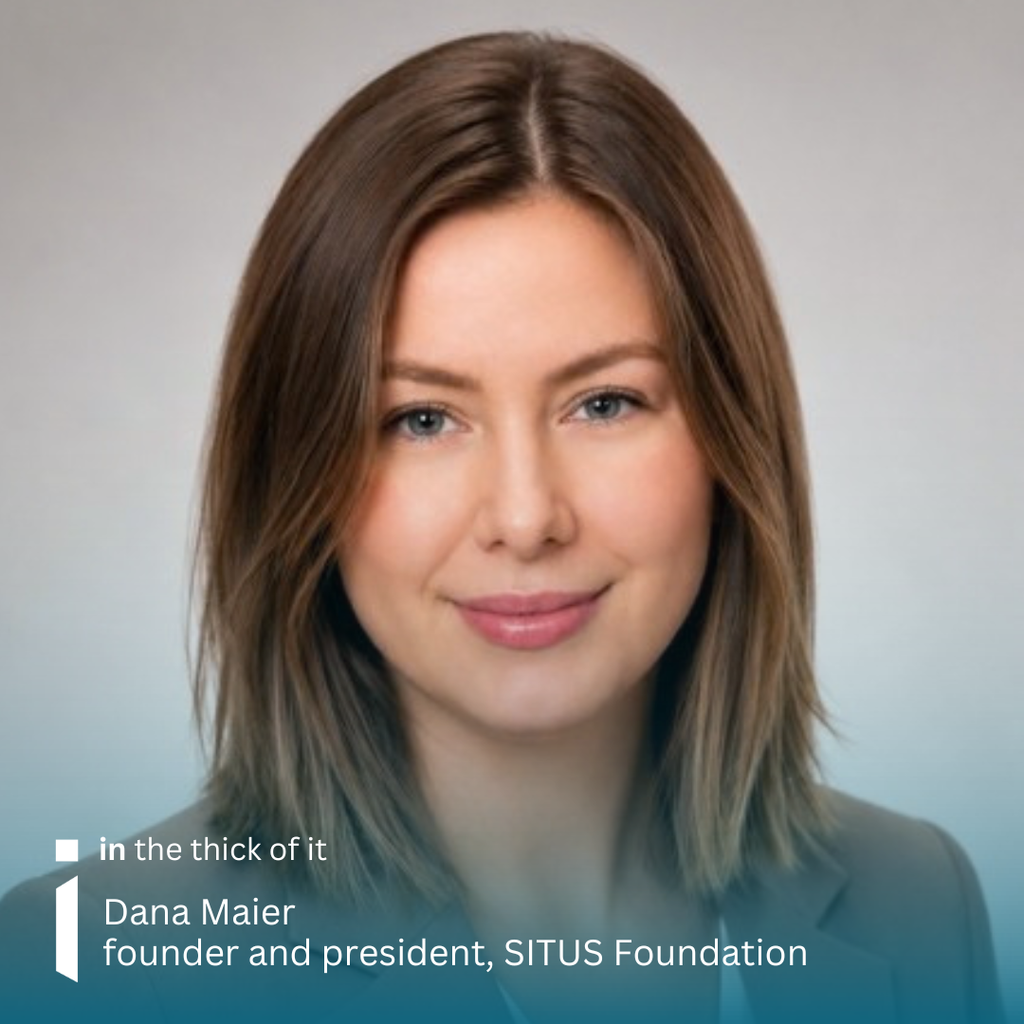
SITUS Foundation is a 501(c)(3) nonprofit organisation dedicated to improving the lives of individuals and families affected by situs inversus and related laterality conditions through support, education, research, innovation and hope.
Founded from a family’s personal experience navigating a rare diagnosis, SITUS Foundation works to create a more informed, connected and empowered community. We bring together patients, families, healthcare professionals, researchers and advocates to increase awareness, strengthen patient advocacy, improve clinical education and advance meaningful research.
Our initiatives include patient and family support, healthcare professional education, patient-safety resources, awareness campaigns, medical identification programmes, patient storytelling and research collaborations. Guided by both our Medical and Scientific Advisory Board and Patient and Family Advisory Board, we ensure that scientific expertise and lived experience shape our work.
Our vision is a future where anatomical differences are recognised, understood, appropriately considered in healthcare, and supported by continued research and innovation.
Situs inversus is a rare congenital condition in which the major organs of the chest and abdomen are positioned in a mirror-image orientation compared with typical anatomy. In situs inversus totalis, both thoracic and abdominal organs are generally reversed, often including dextrocardia, where the heart is positioned on the right side. While many individuals can live healthy lives, reversed anatomy may have important implications for diagnosis, emergency care, imaging, procedures and surgery.
Situs inversus may also occur alongside other conditions, including primary ciliary dyskinesia. Greater awareness, clinical education, patient advocacy and research are essential to improving understanding and care.
What are your top three unmet needs or main asks of industry to best serve your rare ecosystem?
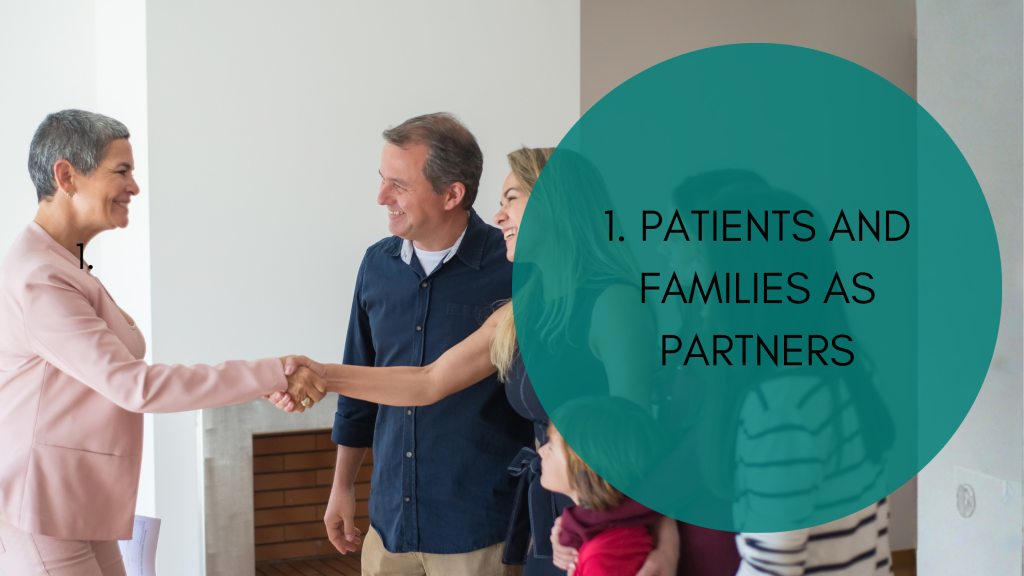
Make patients and families partners in research, innovation and education. Our first ask is simple but fundamental: include patients and families from the beginning. People living with rare conditions bring expertise that cannot be obtained solely through laboratory findings, medical records or clinical encounters. They understand the realities of navigating fragmented care, explaining a rare diagnosis repeatedly, finding knowledgeable clinicians, accessing reliable information and living with unanswered questions. Industry, researchers, healthcare systems and technology developers should therefore engage patients and patient advocacy organisations before research questions, educational programmes, technologies and clinical solutions are finalised—not simply after a project has already been designed.
Meaningful engagement means asking patients what outcomes matter to them, identifying barriers to research participation, designing studies that are accessible to geographically dispersed communities, communicating findings in understandable language and returning value to the communities contributing their time and data.
It also requires recognising the important role of small rare-disease organisations. Patient organisations can connect stakeholders who might otherwise remain separated: individuals and families, clinicians, scientists, health systems, researchers and industry. For SITUS Foundation, partnership should be bidirectional. We want industry to hear from our community, but we also want patients to understand how research works, why their participation matters and how their experiences can contribute to scientific discovery.
When lived experience and scientific expertise are brought together early, innovation is more likely to address meaningful real-world needs. Rare should not mean overlooked. Patients should not simply be participants in progress—they should be partners in creating it.
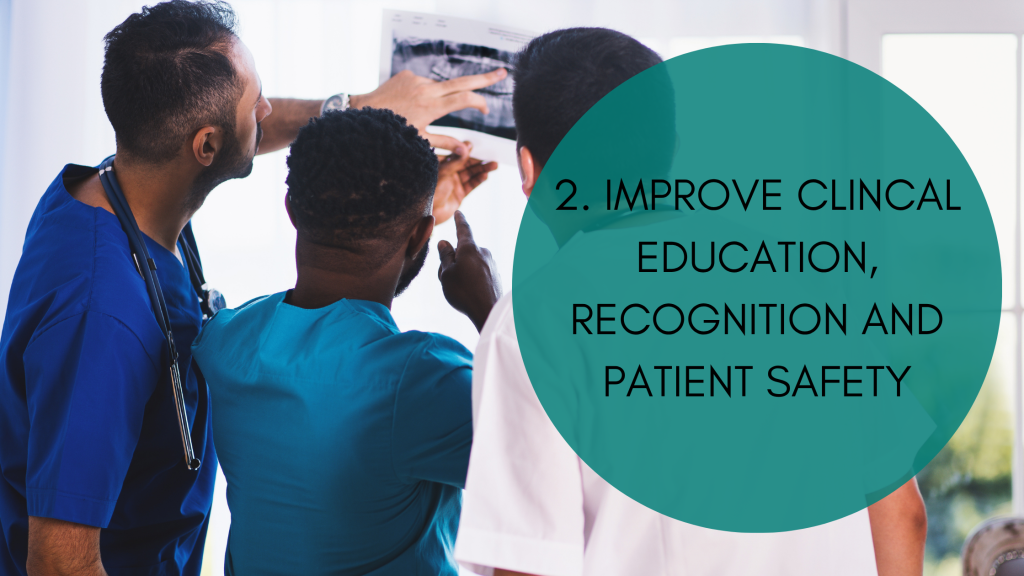
For individuals with situs inversus, an anatomical difference that may cause few symptoms can become highly significant when interacting with the healthcare system. Reversed anatomy can affect the interpretation or performance of diagnostic testing and may require additional consideration during imaging, emergency evaluation, procedures and surgery. Yet many patients report having to repeatedly explain their anatomy when seeking care. In rare conditions, patients and families often become highly knowledgeable advocates out of necessity. They should not, however, carry the entire responsibility for ensuring that an important anatomical difference is recognised.
Our second ask is for healthcare systems, medical technology companies, electronic health record developers, professional societies and educational organisations to incorporate laterality awareness into clinical practice and patient-safety initiatives. This could include clearer identification of situs and organ laterality within electronic health records, meaningful clinical alerts, accessible evidence-based educational resources, improved medical identification tools and education for healthcare professionals regarding the implications of reversed or atypical anatomy. It also means recognising that laterality conditions exist along a spectrum and that care should reflect each patient’s individual anatomy and medical history.
Industry has an opportunity to use technology to help close these gaps. Clinical decision-support systems, imaging platforms, ECG technologies, medical records and other healthcare tools could be designed with anatomical variation in mind. Our goal is not to create unnecessary interventions for people who are otherwise healthy. It is to ensure that when anatomical differences matter, they are recognised before they become a barrier to timely, informed and appropriate care.
One of the greatest unmet needs within the situs inversus and laterality community is a deeper understanding of the condition itself. Although situs inversus has been recognised for centuries, significant questions remain regarding its genetic causes, phenotypic spectrum, associated conditions, long-term health outcomes and potential differences across patient populations. Our primary ask of industry is to invest in the research infrastructure needed to move this field forward. This includes patient registries, natural-history studies, genomic and phenotypic research, real-world data collection, and collaborative research networks that connect patients, advocacy organisations, healthcare systems, academic institutions and researchers.
Because situs inversus is rare, meaningful progress requires collaboration. Patient populations are geographically dispersed, and valuable clinical and genetic information may exist across multiple institutions and datasets. Creating responsible pathways to connect and analyse these data could help researchers identify patterns that would otherwise remain invisible.
We also encourage industry to look beyond traditional therapeutic development. Progress for our community may begin with something more fundamental: understanding who our patients are, how their conditions present, what associated diagnoses occur and how their healthcare experiences and outcomes differ over time. Investment in foundational research can lead to better clinical guidance, improved diagnostic pathways, identification of genetic contributors and new opportunities for future studies. For rare communities, data creates visibility. When patients are counted, studied and included in research, unanswered questions can become research priorities—and research can ultimately translate into better care.
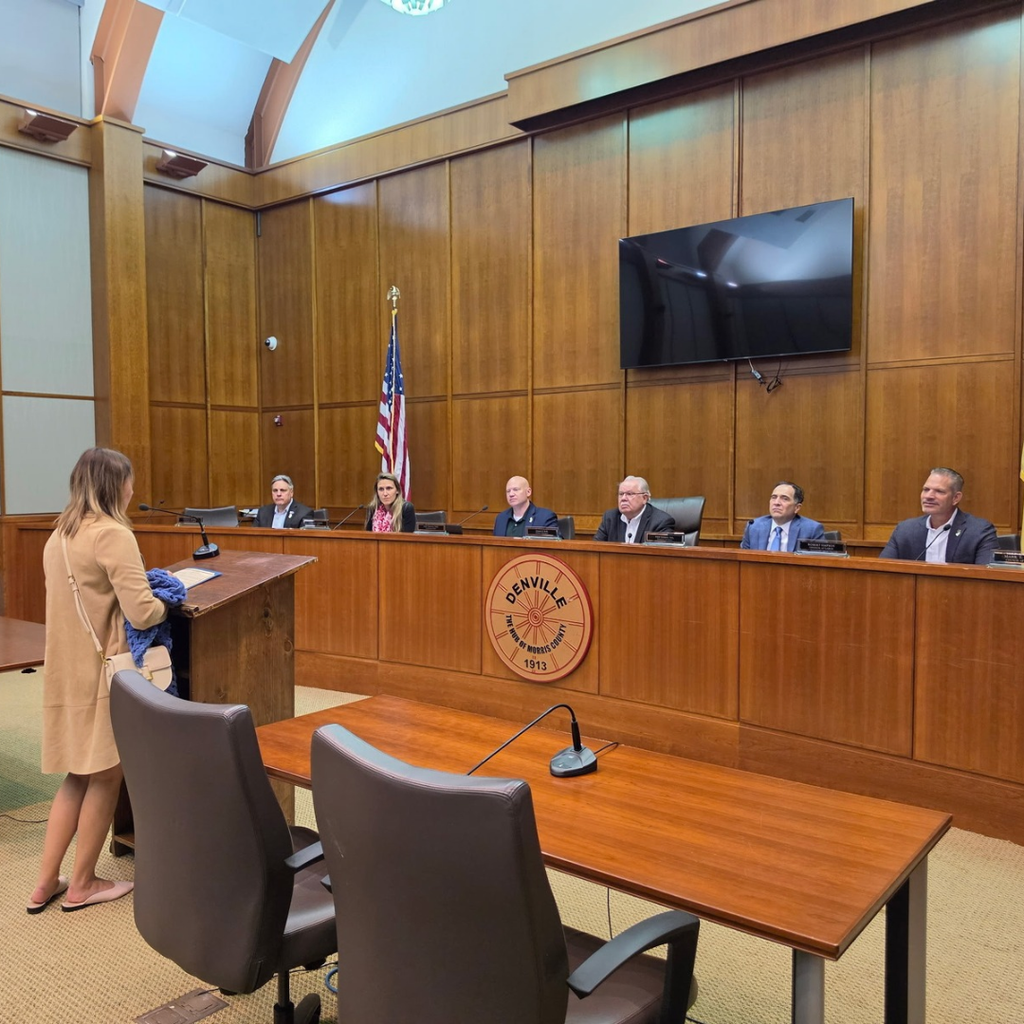
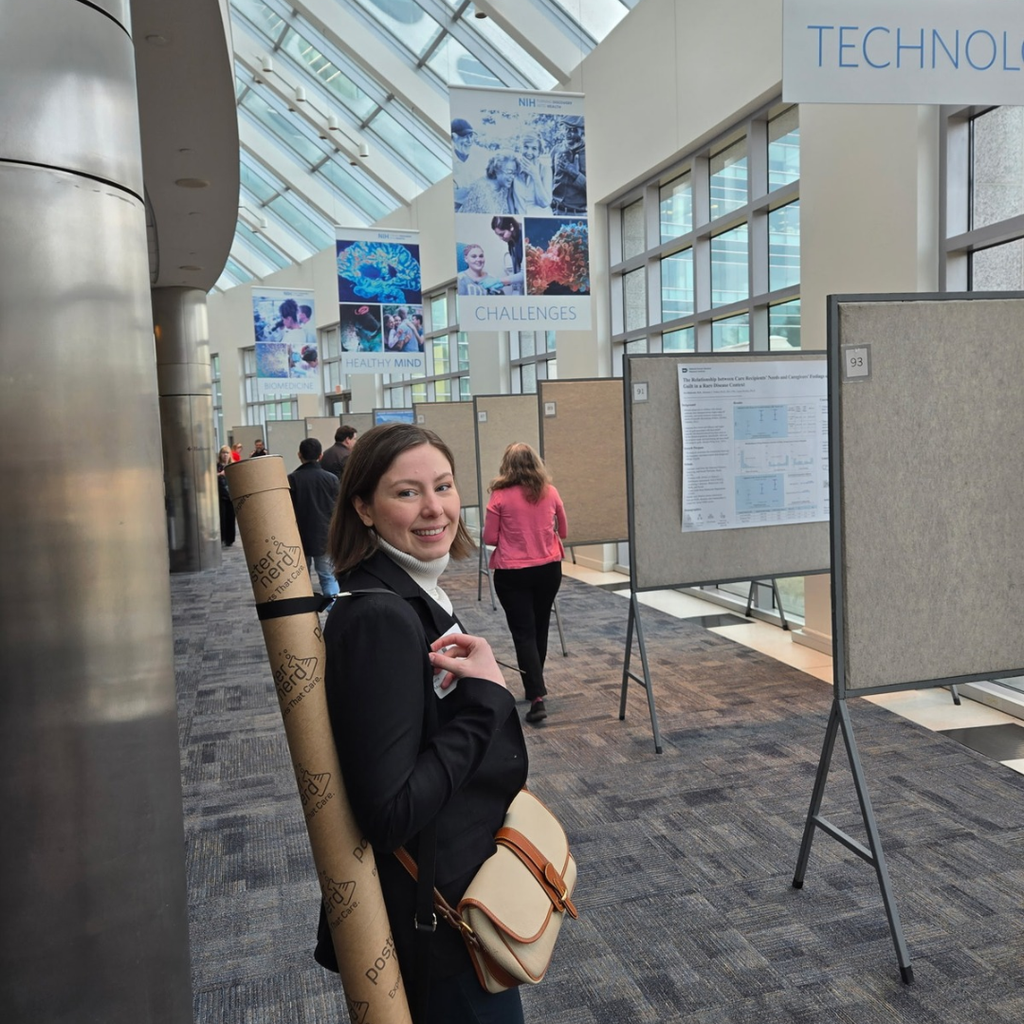
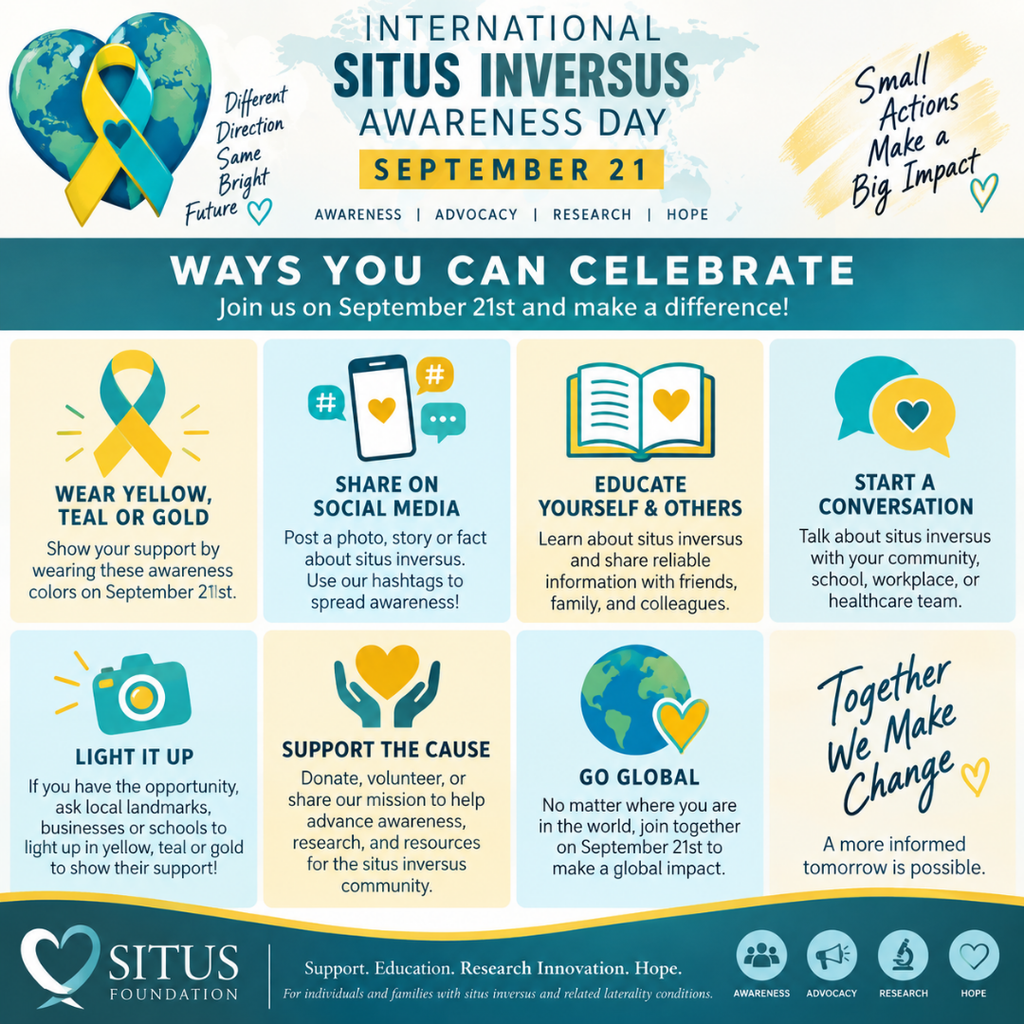
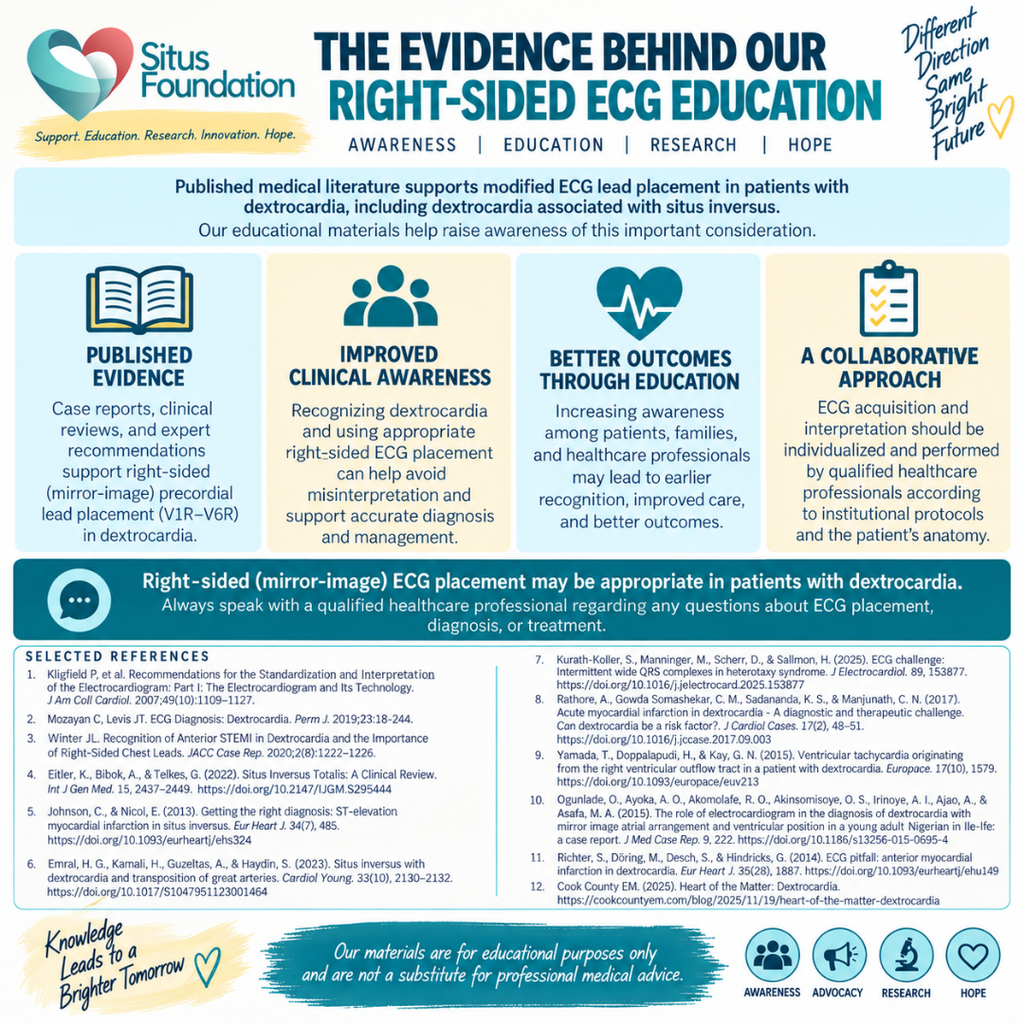
The SITUS Foundation attended Rare Disease Day at Capitol Hill in Washington DC, presented a scientific poster at the NIH, and recently at a local townhall proclaimed an official International Situs Inversus Awareness Day (September 21st)
Connect with SITUS Foundation
in the thick of it puts you in the heart of the RARE communities you serve. To connect with more RARE communities click below.