
Putting you in the heart of the rare community – SMS Foundation UK

Estimated reading time: 6 minutes
Patient advocacy groups deliver their top three unmet needs and main asks of industry to best serve their rare community. This week’s insights come from Leeann Stevenson, executive director, SMS Foundation UK
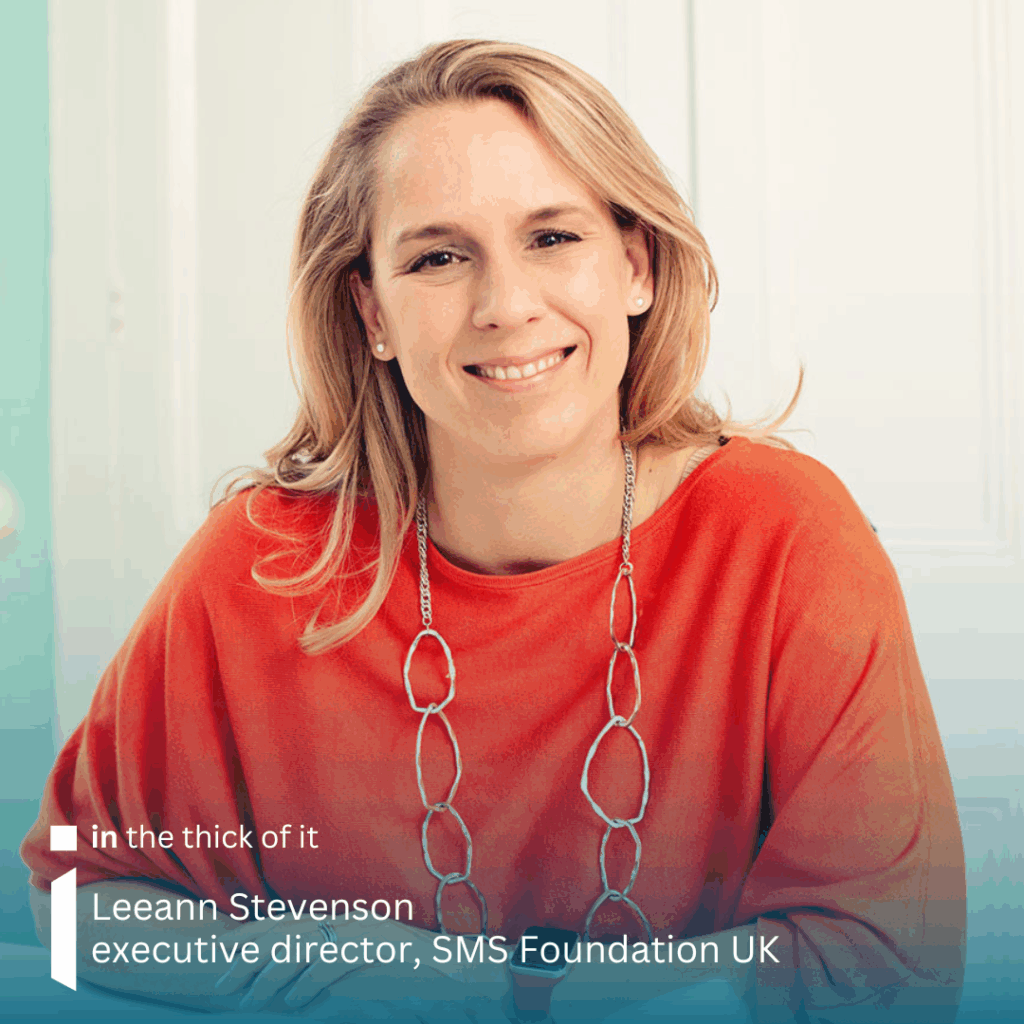

The SMS Foundation UK supports children, adults and families living with Smith-Magenis syndrome (SMS) across the UK. We provide trusted information, guidance and practical help at every stage of the journey, from early diagnosis through adulthood. Our work brings families together, gives professionals the tools they need to understand the condition and raises awareness so people with SMS can access the right care, education and opportunities. We collaborate with researchers, clinicians, schools and social care teams to improve understanding and push for better support nationally. Everything we do is shaped by the experiences of our community and we’re here to make sure no one feels they’re facing SMS alone.
Our mission is to improve the quality of life for everyone living with Smith-Magenis syndrome by offering support, sharing knowledge, building community and working with partners to create lasting positive change.
Smith-Magenis syndrome (SMS) is a rare genetic condition caused by a missing or altered gene on chromosome 17. It affects learning, behaviour, sleep, communication and physical health in different ways for each person. Many individuals experience severely disrupted sleep cycles, sensory needs, developmental delays and strong emotional or behavioural challenges. Alongside these difficulties, people with SMS often have warm personalities, a great sense of humour and a strong desire for connection. Because the condition is complex and lifelong, families usually need coordinated support from health, education and social care. The SMS Foundation UK helps families and professionals understand and navigate these needs.
What are your top three unmet needs or main asks of industry to best serve your rare ecosystem?
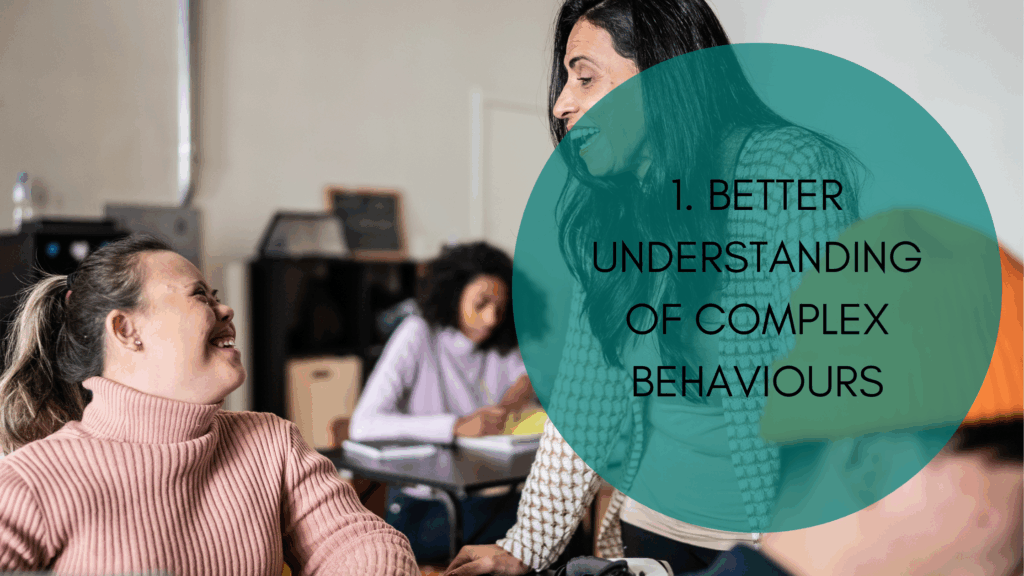
Better understanding of complex behaviours across education, health and social care. People with SMS often show complex behaviours that schools, health teams, social care and adult providers struggle to interpret or manage. This can lead to avoidable exclusions, reduced timetables, frequent crises or breakdowns in placements as individuals move into adulthood. Frontline services, including the police and NHS teams, often don’t recognise SMS-related behavioural patterns or the underlying drivers, which increases risk and leaves families without consistent support.
Industry can help strengthen this rare disease ecosystem by supporting awareness campaigns, creating training resources and developing accessible guidance that helps professionals recognise SMS and respond safely. Better understanding would reduce crisis situations, improve placement stability and give children and adults a fairer chance to access the right education, care and community support.
Improved mental health pathways for people with a mild to moderate learning disability. Families affected by SMS often struggle to access appropriate mental health support. Many children and adults are turned away from services because they don’t meet preset criteria, or because behaviours are assumed to be part of their learning disability rather than linked to underlying anxiety, pathological demand avoidance, impulsivity or other SMS-related mental health needs. With no meaningful pathway, individuals miss out on assessment, treatment and crisis support. This leaves them at higher risk of harm and more vulnerable to police involvement, child protection concerns or inappropriate use of the Mental Capacity Act when situations escalate.
Industry can play a crucial role in highlighting these gaps, supporting the development of inclusive models of care and creating tools or resources that help professionals recognise mental health needs in people with rare neurodevelopmental conditions. Better understanding and clearer pathways would lead to earlier intervention, safer crisis management and more stable long-term outcomes for individuals and their families.

Investment in research and practical solutions that meet the day-to-day needs of people with SMS. There is still limited research into the behavioural drivers, sleep disruption, sensory processing differences and mental health challenges seen in Smith-Magenis syndrome. Families also lack practical tools that genuinely support daily life, including communication aids for non-verbal individuals, sensory supports, adaptive sleep technologies and digital tools that help track behaviour and routines.
Industry has the ability to bridge these gaps by investing in targeted research, co-designing products with families and developing solutions that work across home, school and supported living settings. Tools informed by lived experience would help prevent crises, reduce pressure on stretched public services and promote greater independence and safety for children and adults with SMS. For rare communities, this kind of partnership is essential: it turns isolated family-led adaptations into scalable, evidence-based solutions that transform quality of life.
Connect with Leeann

in the thick of it puts you in the heart of the RARE communities you serve. To connect with more RARE communities click below.