
Putting you in the heart of the rare community – The CSNK2A1 Foundation

Estimated reading time: 7 minutes
Patient advocacy groups deliver their top three unmet needs and main asks of industry to best serve their rare community. This week’s insights come from Jennifer Sills, president and founder, The CSNK2A1 Foundation
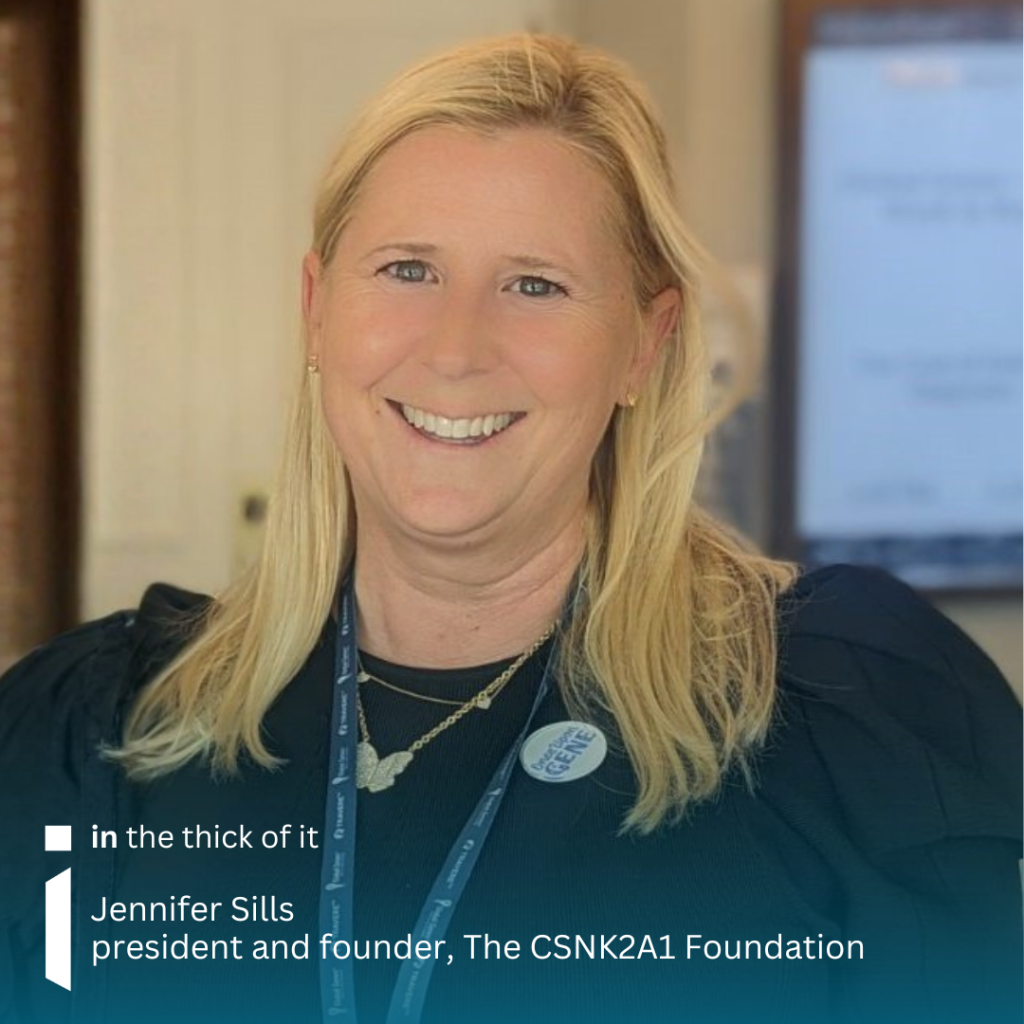
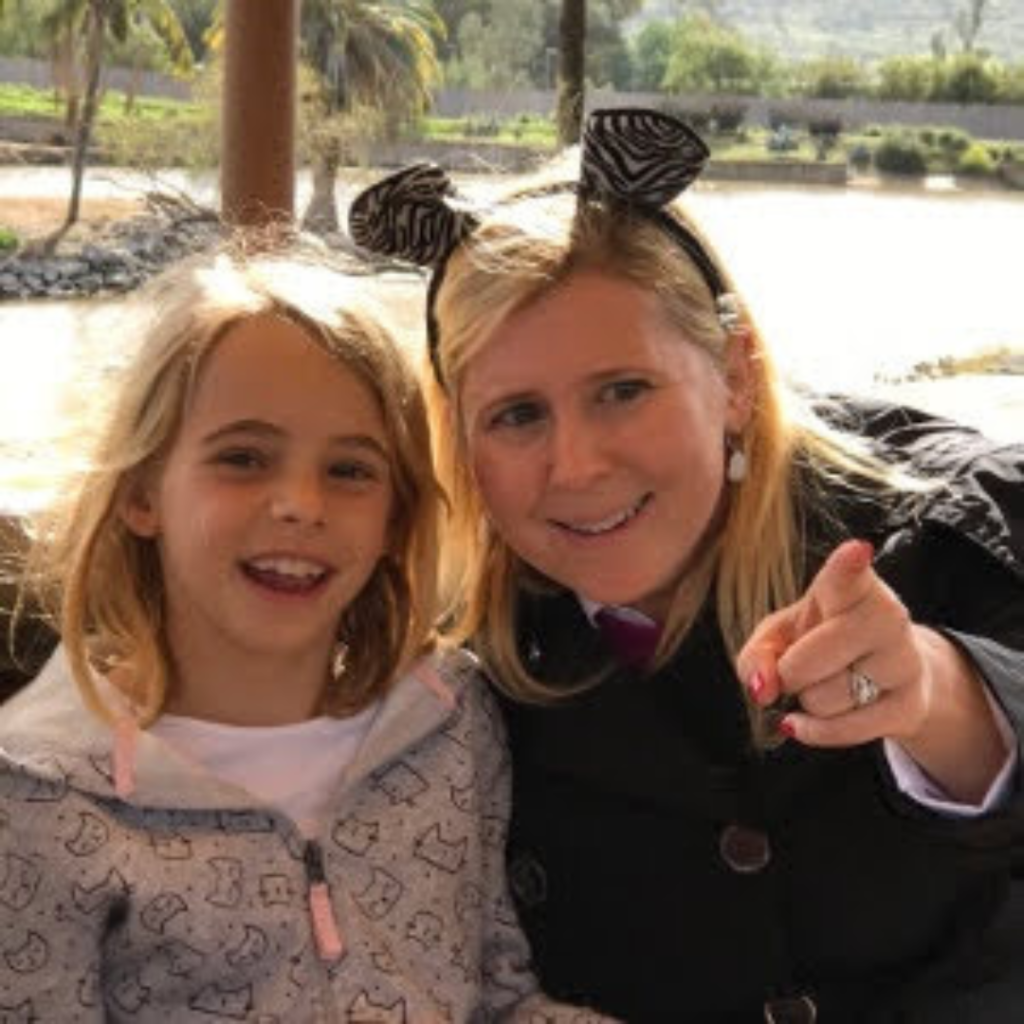
The CSNK2A1 Foundation was established in 2018 after Jennifer Sills’ daughter, Juliet, became the sixth person in the world diagnosed with Okur-Chung neurodevelopmental syndrome (OCNDS), also known as CSNK2A1-related disorder. At the time, there was virtually no information available, no patient community and no organised research infrastructure dedicated to the condition.
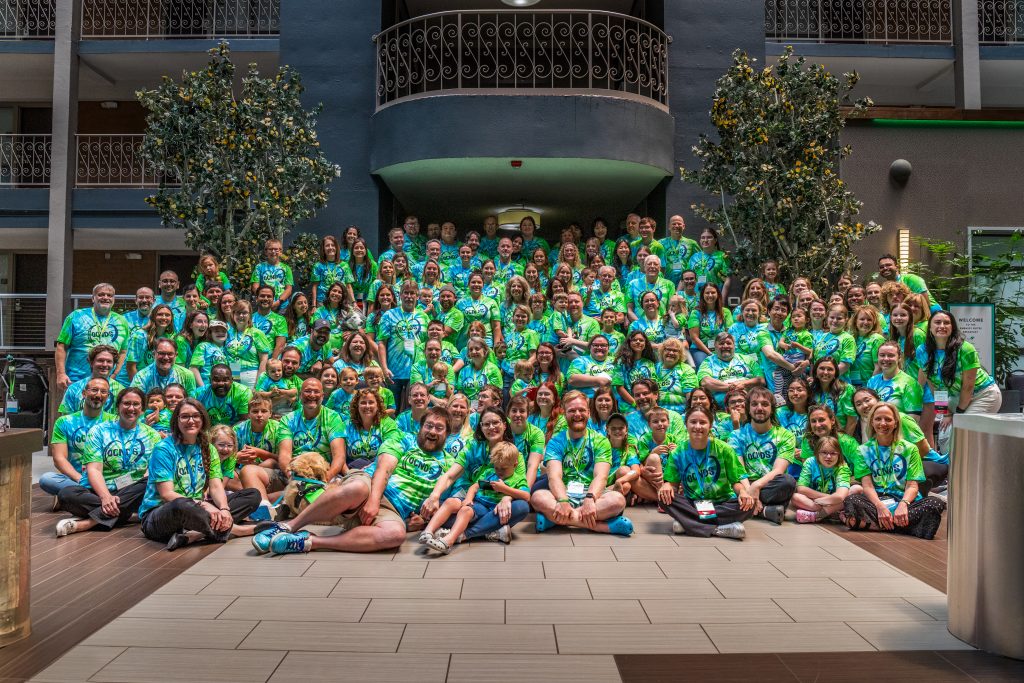
Today, the Foundation supports more than 400 registered families across 52 countries and has built a collaborative global ecosystem designed to accelerate research and therapeutic development for OCNDS. The Foundation operates through a unique four-pillar structure consisting of a board of directors, Scientific Advisory Board, Parent Advisory Board and the global OCNDS community, ensuring families remain integrated into research priorities and decision-making. Through scientific convenings, translational partnerships, natural history research, drug repurposing initiatives and gene therapy feasibility efforts, the Foundation is helping move OCNDS toward clinical readiness and future treatments.
Okur-Chung neurodevelopmental syndrome (OCNDS) is an ultra-rare genetic neurodevelopmental disorder caused by pathogenic variants in the CSNK2A1 gene. First identified in 2016, OCNDS is associated with developmental delay, intellectual disability, epilepsy, autism spectrum disorder, hypotonia, communication impairment, motor challenges, sleep disturbances and significant behavioral challenges that can profoundly affect daily life and family functioning. Symptoms and severity vary widely between individuals.
Because the condition is so rare, families often face delayed diagnosis, limited clinical guidance, fragmented care and few evidence-based treatment options. There are currently no approved therapies specifically for OCNDS, creating an urgent need for coordinated research and therapeutic development.
What are your top three unmet needs or main asks of industry to best serve your rare ecosystem?

One of the greatest unmet needs in the OCNDS ecosystem is sustained industry engagement at the earliest stages of therapeutic development. Ultra-rare disease communities are often viewed as too small or too complex to justify meaningful investment. Yet many patient advocacy organisations have already built the foundational infrastructure needed to accelerate progress, including engaged patient communities, research collaborations, natural history initiatives, clinician networks and longitudinal data efforts.
The CSNK2A1 Foundation has worked intentionally to build a collaborative ecosystem that connects families, researchers, clinicians and industry partners around shared goals. Through initiatives such as scientific roundtables, translational research partnerships and patient-centered data collection efforts, we are helping reduce barriers that often slow development in ultra-rare conditions.
We ask industry to engage with patient organisations earlier and view them as strategic partners in development rather than solely as recruitment channels. Early collaboration allows communities to help shape research priorities, identify meaningful outcomes, support trial readiness and accelerate learning across stakeholders.
We also encourage industry to think creatively about therapeutic development pathways for ultra-rare neurodevelopmental disorders. Approaches such as drug repurposing, platform technologies, shared infrastructure models and cross-disorder collaboration may create opportunities that traditional models overlook.
Patient advocacy organisations are increasingly serving as ecosystem builders capable of convening stakeholders, reducing fragmentation and helping derisk development in emerging rare disease spaces. For communities like OCNDS, early partnership is not simply beneficial. It may determine whether therapeutic development becomes possible at all.
A major barrier across ultra-rare diseases is the lack of robust infrastructure needed to support translational research and future clinical trials. Therapeutic development depends on strong natural history data, longitudinal patient information, meaningful outcome measures, biobanking and coordinated research participation. Yet many rare disease communities are expected to generate this infrastructure independently before industry engagement occurs.
The CSNK2A1 Foundation has prioritised building research infrastructure alongside community support efforts. Through patient registries, collaborative data initiatives, research partnerships and ongoing engagement with families and clinicians, we are working to better understand disease progression, variability and outcomes that matter most to patients.
We ask industry to invest earlier in foundational infrastructure and view these efforts as essential components of development rather than preliminary obstacles to overcome later. Importantly, patient-centered design must remain central to these efforts. Traditional clinical outcome measures often fail to capture meaningful improvements in neurodevelopmental disorders. Small gains in communication, emotional regulation, independence, motor function, sleep or quality of life may profoundly impact daily living for patients and families. Patient advocacy organizations can play a critical role in helping identify outcomes that are both scientifically meaningful and reflective of lived experience.
We also encourage industry to support collaborative data sharing models, longitudinal research efforts, digital health tools and mechanisms that reduce participation burden while improving data quality. Building stronger infrastructure today will not only benefit OCNDS, but also help create scalable models for other ultra-rare neurodevelopmental disorders.
OCNDS is not simply a rare diagnosis. It is a life-changing diagnosis that forces families to completely rewrite the future they imagined for their child and for themselves. Families suddenly find themselves navigating seizures, severe developmental delays, intellectual disability, communication impairment, behavioral challenges, autism spectrum disorder, sleep disruption, feeding difficulties, safety concerns and lifelong caregiving responsibilities, often with very little guidance or support.
The impact reaches far beyond the individual diagnosed. Entire families are affected emotionally, financially, socially and professionally. Parents become care coordinators, therapists, advocates, researchers and case managers overnight, while still trying to hold together careers, marriages, finances and the needs of other children in the home. Behavioral challenges in particular are often deeply misunderstood and minimised. These challenges can affect every aspect of daily life, including safety, education, communication, sleep, community participation and overall family stability. Many families become isolated because the outside world does not fully understand the realities they are navigating behind closed doors.
We ask industry to better recognise the full lived experience of rare neurodevelopmental disorders and to include caregiver burden, quality of life, communication, emotional regulation, sleep and functional independence as meaningful measures of progress. For many families, meaningful change is not defined by a cure alone. The ability for a child to communicate a need, sleep through the night, regulate emotions, gain independence or safely participate in daily life can dramatically change the trajectory of an entire family.
Connect with Jennifer
in the thick of it puts you in the heart of the RARE communities you serve. To connect with more RARE communities click below.