
Moving clinical trials from recruitment to readiness

Estimated reading time: 9 minutes
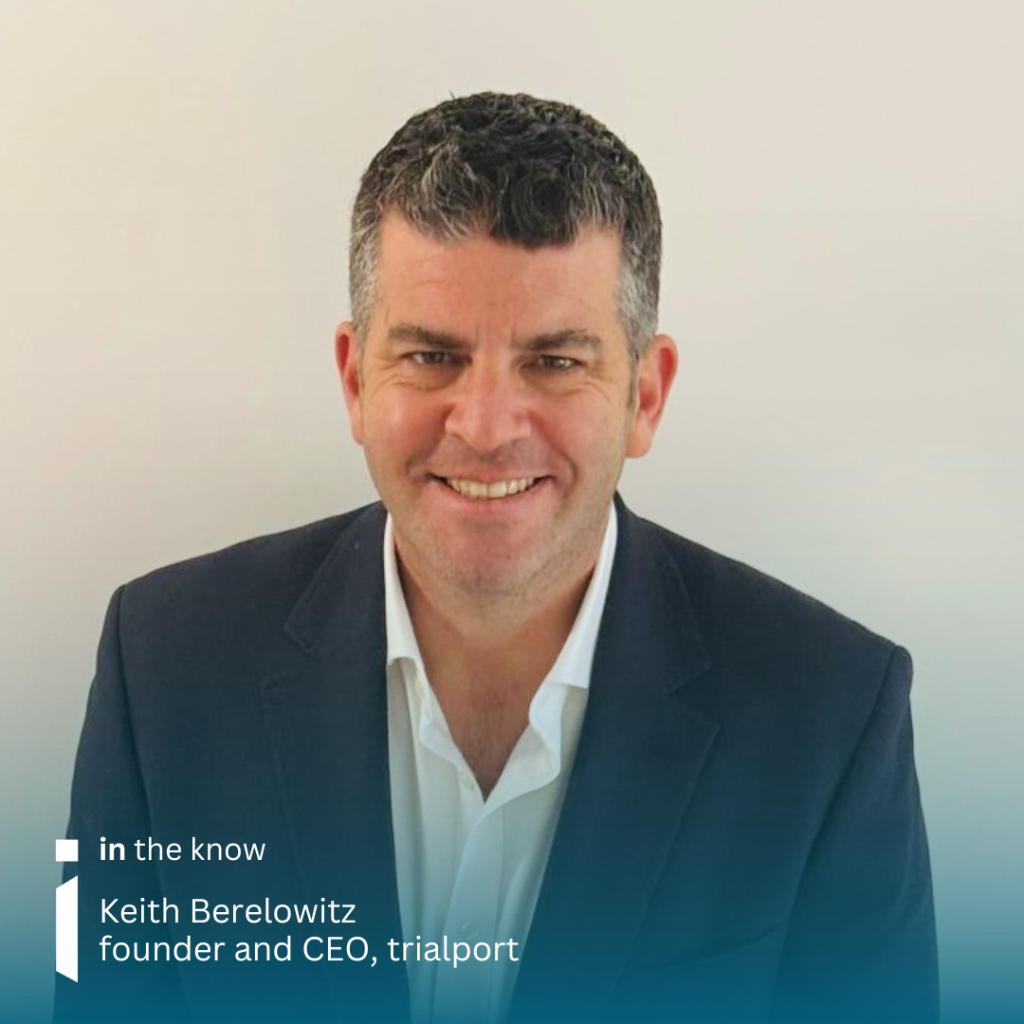

Keith Berelowitz has spent more than twenty-five years watching clinical trials work on paper and struggle in real life. He has helped run studies, advises sponsors and CROs on how they engage with people, and chairs a UK research ethics committee, where consent forms and participant information sheets cross his desk every month. That vantage point led to one conclusion. Most trial problems are not failures of science. They are failures of understanding at the moment a person decides
A recruitment campaign can hit its inquiry numbers, the eligibility checks can find suitable candidates and the study can still stall. Interest is not participation. Neither an enthusiastic inquiry nor a matched inclusion criterion tells you whether a person is prepared for what taking part will actually ask of them.
In rare disease that gap costs more than it does elsewhere. When the eligible population runs to a few hundred people worldwide and a site is expected to enrol six of them, one withdrawal in month three is not a rounding error. It can move a timeline by a quarter and leave a cohort underpowered. Families feel the same maths from the other side. For many of them the study on the table is the only study, the decision gets made once, and it is often made on the back of a diagnosis they are still absorbing.
For years the industry has treated recruitment as a straight line from awareness to enrolment. Someone expresses interest, they meet the criteria, they take part. The stage in between rarely gets named or properly resourced. Readiness belongs in the model in its own right, distinct from interest and distinct from medical eligibility, which means giving people a way to think the decision through before they contact a site rather than in the ten minutes after a consent conversation they were not expecting that day.
The difference between eligibility and readiness
Medical eligibility is not going anywhere, and it should not. Inclusion and exclusion criteria exist so that a study can answer its question safely and cleanly. However, meeting the criteria says nothing about whether someone can sustain participation.
A person may qualify medically while still facing practical challenges that make successful participation difficult: a visit schedule that assumes a flexible employer; a three-hundred-mile round trip to one of two specialist centres in the country; a sibling with no childcare; or an infusion window that collides with school pickup. None of that appears in the eligibility criteria and most of it never comes up until someone is already far down the line in the screening framework and, in the worst cases, already enrolled.
It helps to separate the question into two, and to ask them in that order:
Is this trial right for my health?
Is this trial right for my life?
The first is about medical relevance, in language a person can follow without a clinician in the room. The second is about practical capacity, support at home, understanding and confidence. Neither question determines eligibility or replaces the conversation with the study team. That still happens at the site, and it should. What the two questions do is make sure the person walking into that conversation has already had it with themselves.
What readiness actually looks like in a rare disease study
The practical load in rare disease is heavier than the generic recruitment literature suggests, and it usually falls on a caregiver. Travel is the obvious part. Centres of expertise are few and far apart, so a monthly visit can mean flights, a hotel and two days of annual leave. Less obvious is what the long diagnostic road does. Many families spent years getting to a name for the condition, and they arrive at the trial conversation carrying a hope that makes it hard to hear the burden section of the protocol. Some will say yes to anything, which is not readiness, and that is the group most likely to withdraw.
Then there is everything else the family is already carrying. The parent filling in the daily symptom diary is often the same person handling benefits paperwork, school negotiations and a job. Someone should say out loud what that diary will cost, before consent rather than after the third missed entry.

Strengthening participant decision support
People need to understand how participation will land in an ordinary week: appointment schedules, travel, monitoring, what the treatment feels like, what happens if they want to stop. Asking someone to absorb all of that in one screening appointment is asking too much. Give them material to take away, time to talk it over with the people who will drive them to visits, and a way to raise a concern early enough that it can still be solved. Conversations with research teams get better as a result. People arrive with sharper questions and coordinators spend less of their week discovering in week nine a barrier that was visible in week one.
Where patient advocacy teams fit
Advocacy organisations are already doing a version of this work, mostly underfunded, or unfunded, and mostly informally. They are the ones community members call after the site visit to ask what it all meant, and they are the ones who hear about it when a family drops out and feels they failed. That makes them the natural home for readiness material, and it makes them a useful check on whether a study is askable at all.
One caveat is worth stating plainly. Advocacy groups are not an extension of a recruitment function, and handing one a referral target damages the trust the whole thing runs on. The productive version is earlier and less transactional: bring advocacy into protocol design, ask where this schedule will break for our families, then build the readiness material together. Sponsors who make the call only once the enrolment curve flattens are asking for a favour, not a partnership.
What clinical operations can do with it
Readiness becomes operational the moment you measure it, and most organisations already have the raw material sitting in their withdrawal data. Start by separating early withdrawals for practical reasons from screen failures and from clinical discontinuations. They get lumped together often enough that the practical category stays invisible. Code the reasons properly. Travel, work, caregiving, cost and did not understand what was involved are different problems with different fixes. If the pattern shows up before the first efficacy visit, that is a readiness failure, not a patient failure.
Take this information and feed it upstream. Feasibility work that counts eligible patients without asking what the visit schedule demands of them will keep producing optimistic curves. Site startup packs can carry the same readiness material the community sees, so both sides are working from one version of the commitment.
When a readiness check shows that a large share of people cannot manage the visit burden, the real world read of this is that the finding is typically about the protocol, (often something we have overlooked or see as inconsequential) rather than the people.
What this does not solve
Readiness reflection has a failure mode worth talking about before someone builds it badly. It must not become another gate. If a family is told they are not ready and the study team treats that as an exclusion, the effect is to filter out the people who most needed support and to concentrate enrolment among those with flexible jobs, financial freedoms, multiple care options and cars. That is a less representative study and a weaker one. Most of the time the answer to ‘not ready’ is a travel stipend, a home visit, a remote assessment or a different appointment slot. Readiness is partly a property of the person and partly a property of what the study is prepared to offer, and only one of those is fixed.
It does not replace informed consent either; nobody should let it look as though it does. It sits before consent, in the space where a person is still deciding whether to make the call or apply to the trial.
Building the readiness stage into the model
Treating readiness as its own stage changes what success looks like. Inquiry volume and screening throughput stop being the headline numbers, and how well people understand the study starts being measured alongside them. Study timelines, plain language commitment guides and an honest account of what a year in the study involves all help someone judge the fit before anything is signed.
It also changes the tone of the relationship. People notice when they are encouraged to pause, and they notice when they are being moved along. In a small community where the same families are approached for study after study, that difference has a compounding effect. A family who withdrew from one trial because nobody warned them about the travel is a family who will likely not answer the next call.
People who begin a study informed, practically prepared and settled in their decision are better placed to finish it. Where the cohort is fifteen people, that is not a soft benefit. It is the difference between a result and a rerun.
Understanding comes first. Decisions follow.
Connect with Keith
in the know brings you the latest conversations from the RARE think tank. To access more in the know articles click below.