“Hear the unheard” for World Scleroderma Day 2026
SPONSORED CONTENT
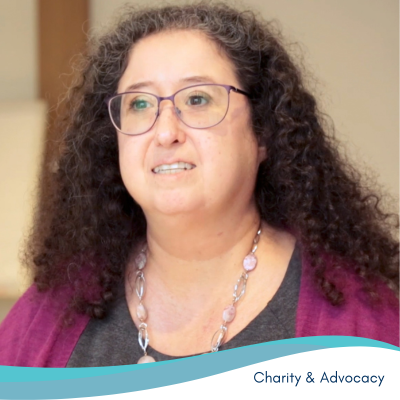
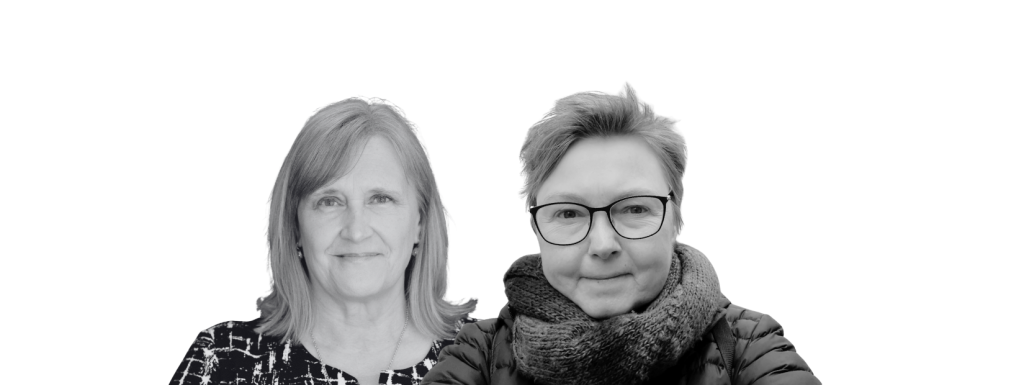
For World Scleroderma Day on June 29, the Federation of European Scleroderma Associations (FESCA) is shifting the spotlight from abstract awareness to concrete action. Under the 2026 theme “Hear the Unheard”, Sue Farrington, president, FESCA (Federation of European Scleroderma Associations) and chief executive of Scleroderma and Raynaud’s UK (SRUK), and Annelise Rønnow, communications manager and board member of the Danish Scleroderma Association, along with their European allies, are focusing on overlooked early red flags, inequities in care, and the human cost of not being believed: amplifying patient voices as evidence for systemic change
Written by Nicola Miller, RARE Revolution
Interview with
Sue Farrington, president, FESCA (Federation of European Scleroderma Associations) and chief executive officer, Scleroderma and Raynaud’s UK (SRUK), and
Annelise Rønnow, communications manager FESCA (Federation of European Scleroderma Associations) and board member of the Danish Scleroderma Associations
From “See the Unseen” to “Hear the Unheard”
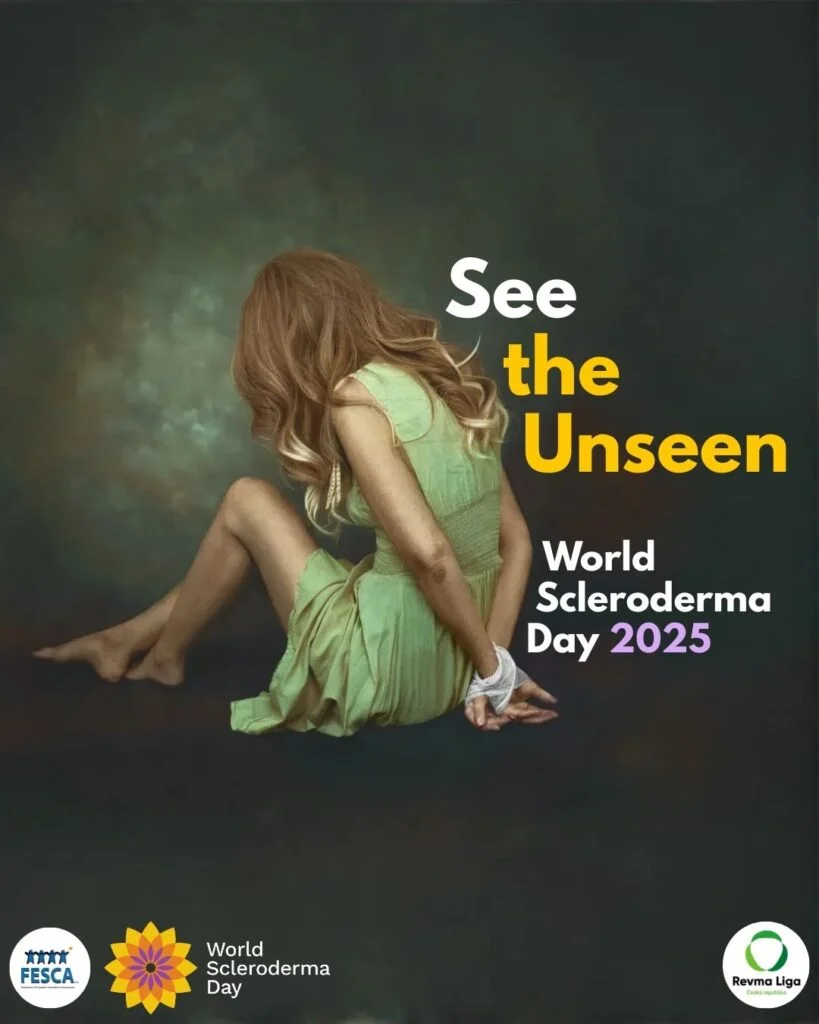
World Scleroderma Day has long been about visibility. The Federation of European Scleroderma Associations, FESCA’s previous campaign, “See the Unseen”, used powerful photography to help people, especially clinicians, grasp the often-invisible burden of the disease.
Sue Farrington, FESCA president, shares the response to this creative and impactful campaign:
“Healthcare professionals who saw the images said ‘wow, these really help us understand the symptoms in a deeper way’.”
Building off this, for 2026, the narrative becomes yet more intimate and more targeted, this time leveraging video as the medium of expression. “We are building on last year, again really putting the patient front and centre,” Sue explains. The personal videos will detail: “’These were my first symptoms. This is my journey to diagnosis. This is the impact of my symptoms. This is my life.’ And we can illustrate through real individuals the impact of symptoms not being taken seriously and how this affected their experience of the diagnostic odyssey.”
Sue is candid about how slowly this work moves. “Just look at any public health campaign and consider the amount of money that you have to put into getting that message out to the wider public,” she observes. Messaging like this need collective action. The federation’s strategy is to give member associations the tools to run their own focused awareness raising, with activity concentrated in Scleroderma Awareness Month in June.
“Hear the Unheard” takes the next step: not just seeing the burden, but listening to the stories behind delayed diagnosis, misattributed symptoms and unequal access to care.
Who are the “unheard”?
In scleroderma, being “unheard” often begins with stigma and disbelief. Individuals frequently face a sense that people lack belief in their symptoms, implying that they are at worst “lying”, at best “over-exaggerating” disease impact in their daily lives. Living with this, Sue says, can be “deeply isolating”.
That disbelief doesn’t only come from family, friends or employers. It can be baked into healthcare encounters themselves.
Patients with common-sounding symptoms, such as cold hands, heartburn or puffy fingers, are particularly vulnerable to dismissal.
“The challenge is, because they’re common symptoms, they could be attributed to a number of things. It could ‘just’ be Raynaud’s. And I say, ‘just Raynaud’s’, advisedly because while it can indicate an underlying condition, such as scleroderma, the primary form can be very painful. So generally , we believe that primary care physicians should pay more attention to Raynaud’s.”
Those who live far from specialist centres, or who lack the confidence, language or resources to keep pushing for answers, are especially at risk of remaining unheard.
The diagnosis gap
For FESCA, early red flags are central to the 2026 campaign. The foundation was laid more than a decade ago, when FESCA launched the “So Rare” campaign, which highlighted the cluster of potential early indicators of systemic disease: sore, swollen, puffy fingers, Raynaud’s and acid reflux.
Despite ten years of advocacy, the message has not yet taken hold in primary care. “We’re still talking about it, and there still isn’t that traction,” Sue says. Each symptom on its own looks unremarkable, and patients are often sent away with a sensible-sounding explanation: heartburn tablets, two pairs of gloves, reassurance that cold hands are just cold hands.
That is why this year’s campaign, as well as targeting health care professionals, also wants to empower patients to walk into appointments armed with specifics. FESCA has produced materials patients can take to a GP to request an antinuclear antibody (ANA) blood test when the three “So Rare” symptoms appear together. Sue is candid about the challenge of the numbers behind that ask: Raynaud’s affects roughly 3% to 5% of the general population. However, systemic sclerosis is much rarer, affecting only about 1 in 20,000 to 1 in 4,000 people. Because of the rarity of systemic sclerosis (SSc), only about 0.5% (1 in 200) of people who present with general, isolated Raynaud’s will ever develop SSc.
Inequalities in care across Europe
For FESCA, inequality is more than a question of richer and poorer countries. Its own evidence shows disparities within national borders as well as between them.
In 2023, FESCA ran a patient survey across its European member countries, translated into 15 languages. The aim was to put hard numbers behind a long-standing anecdotal picture: prolonged time to diagnosis, fragmented care, inconsistent access to treatments, and a lack of joined-up data even within countries. The report went to the European Parliament with a set of recommendations attached. The findings were presented at a European-wide level, as well as a country-level dataset so that member associations could speak to their own policymakers with national evidence in hand.
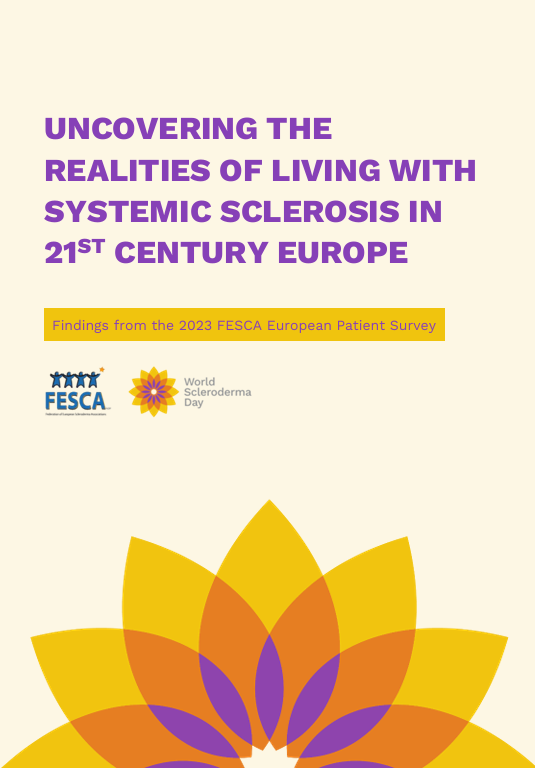
FESCA identified six data points to create an interactive map that lets a user hover over their country and compare it with a neighbour: a powerful tool in national advocacy when trying to convince a member of parliament that things could be otherwise.
Proximity to a specialist centre often determines what care looks like. People living near one are far more likely to receive the full range of approved treatments. Reimbursement systems vary widely too: for example, a drug available quickly in the UK can take longer to reach patients in say Italy, where regional authorities decide funding priorities. In parts of Eastern Europe, the absence of a specialist centre can mean that even current treatment knowledge does not reach the clinic. Not only access to medicines vary from country-to-country but the price also varies—for example, a drug in Denmark can be cheaper for the patient due to the Central Reimbursement Register while you pay full price in Cyprus.
European Reference Networks are designed to move that knowledge across borders, and Sue sees them as central to making equitable access plausible. An earlier NHS hub-and-spoke model worked in some UK areas before the funding ran out; it survives only where individual clinicians refused to let it die.
Annelise Rønnow, communications manager FESCA, adds:
“The pathway to equitable access to care and treatment feels like built with bricks and walls, for rare patients it is a huge issue. But I do believe that this is the right way. We need cross-border collaborations in research, treatment, care education and so on.”
Amplifying patient voices
The shift from photography to video is deliberate. Where “See the Unseen” worked through images, “Hear the Unheard” works through voices. FESCA is producing a central suite of videos that member associations will share through their own channels, alongside a toolkit that allows each country to surface four or five of its own patient stories under the campaign’s shared branding. The result, in theory, is a single message arriving in many languages at a European, national and local level.
The campaign is also reaching for the audience that has been hardest to move— primary care.
FESCA’s previous work has tended to land in secondary and tertiary settings, where specialists already know what they are looking at. This time the federation is targeting clinicians earlier in the patient journey, using trade press, medical journals and social media platforms link LinkedIn to place patient stories in front of GPs who may have dismissed similar symptoms in their own clinics. Sue is candid about how hard the targeting is: “There’s a risk of it becoming a hit‑and‑miss exercise in an already crowded communication space’.” Part of the answer, she reflects, may lie in recruiting respected clinical voices to amplify the message, so it reaches GPs from trusted peers as well as patients.
Annelise adds, “For years FESCA has been produced centralised materials which the country members can adapt into their own local campaigns and most of our members are using them. The graphics are the same, the language in local language. We have believed that doing this makes the rare voice of Scleroderma stronger – each FESCA member are using the same voice cross-border. Together we are stronger.”
A ‘North Star’ for 29 June
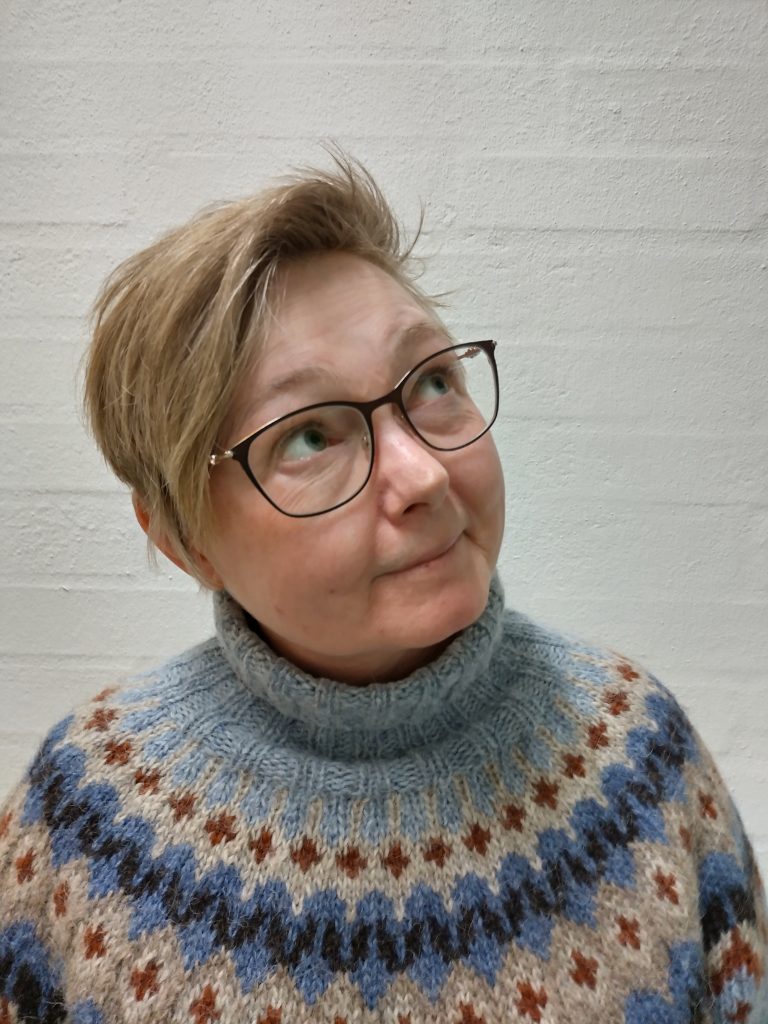
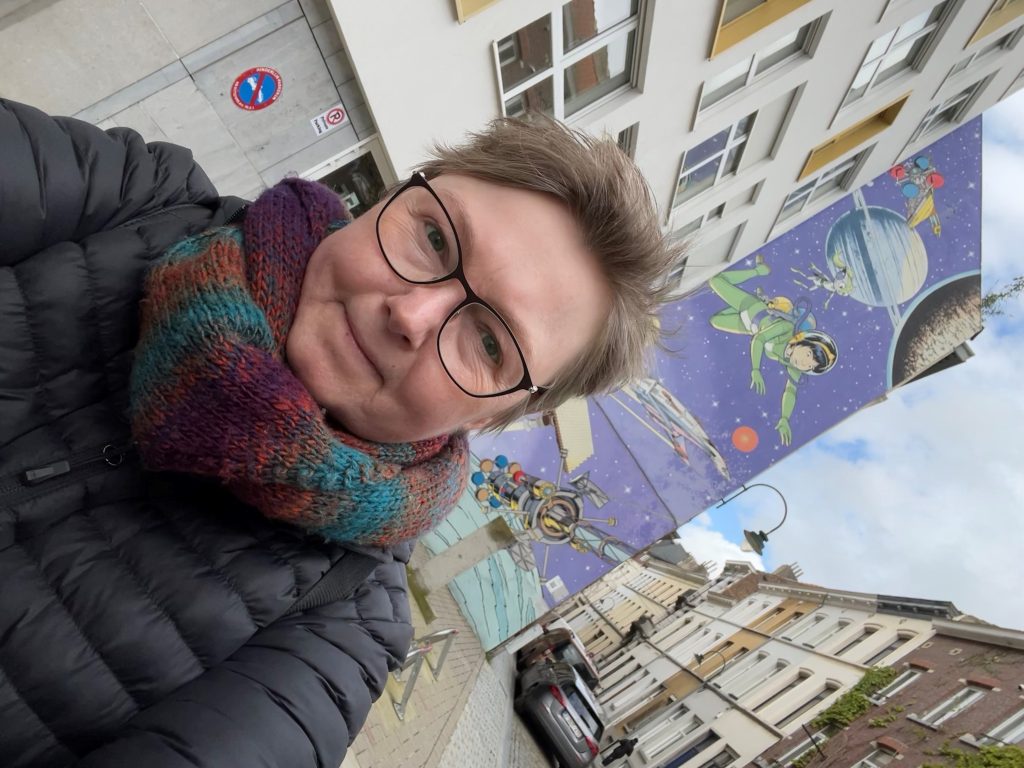
Asked what one realisation she would want clinicians to carry away from World Scleroderma Day; Sue’s answer is uncomplicated. “It’s really about listening to the person who comes to you with a set of perhaps seemingly unconnected symptoms—and I mean really listening to what those symptoms are.” Medical curiosity is key in joining the dots.
For patients, the corresponding ask is both straightforward and difficult: the confidence to articulate the symptom cluster, to feel empowered to request the ANA blood test, and to push for an appropriate rheumatology referral if the result comes back positive.Annelise is clear, “Being a scleroderma patient myself it is right down my alley: listen to your patient when they tell you about your symptoms. And maybe even more important: listen to what your patient is not telling you. Early diagnosis is crucial when it comes to rare diseases. With “Hear the Unheard” campaign my hope is that we reach the clinicians with these strong patient voices and that we all learn that it is not always what you see, sometimes you need to hear what you do not see.”
Looking beyond the awareness day
Sue is realistic about what a single day can achieve. A decade of “So Rare” advocacy has taught her that asking GPs to learn the red flags of every one of the 7,000 plus known rare diseases is not a workable strategy.
Her thinking is moving in two directions. The first is collective: pooling advocacy across rare rheumatic diseases rather than each condition competing for attention on its own. The second is technological. She believes AI-supported decision tools, prompted when a GP records every symptom a patient report, could pick up clusters that today slip through the net. This early pick up would trigger a referral for an ANA blood test that many patients currently never get offered. FESCA is in early conversations with people already deploying such tools in other disease areas and sees this as an area of great promise.
The rheumatology workforce is part of the picture too. Sue’s clinical colleagues describe the speciality as the “Cinderella profession”, overlooked in favour of cardiology and oncology even though, she argues, its science could matter well beyond rare disease.
“If you come into this space, you could unlock the kind of mysteries that would have a ripple effect across so many other conditions,” she says, pointing to the vascular and fibrotic mechanisms of systemic sclerosis. Without sustained investment, the workforce will keep shrinking, and the cluster will keep being missed.”
The patient films, the survey work, the country-level evidence and the AI conversations all point to one thing—the people most affected have been speaking all along, the systems built around them need just to be rebuilt to hear them.
On June 29, FESCA ask the medical community to do one thing—“Hear the Unheard”.
To learn more about FESCA please visit: https://fesca-scleroderma.eu/
To learn more about SRUK please visit: https://www.sruk.co.uk/
Connect with Sue Farrington via LinkedIn: https://www.linkedin.com/in/sue-farrington-9b76aa6b/
Connect with Annelise Rønnow via LinkedIn: https://www.linkedin.com/in/anneliseroennow/
References
[1] https://pmc.ncbi.nlm.nih.gov/articles/PMC8922643/
Articles are for information only and do not form the basis of medical advice. Individuals should always seek the guidance of their medical team before making changes to their treatment.
This article was sponsored by argenx.
argenx have had no editorial control over the copy, and all opinions are those of the contributor.
RARE Revolution Publishing® retains all copyright.