From collapse to new kneecaps: a dystonia journey
Almost four years on from her dystonia diagnosis, Becky Johnson reflects on what her life has been like. From the frequent collapsing episodes to the technology that helped her manage her condition and the medical treatment and procedures she has undergone
By Becky Johnson
Stumbling upon a collection of private video journals I recorded during the first six months after my dystonia diagnosis in August 2022 was unexpected. Scattered alongside a few other clips from the last four years, they had entirely slipped my mind. Rewatching those early entries proved to be both a heavy emotional burden and a profound gift. One video vividly captured a collapsing episode—just one of many I endured last summer. During these collapsing episodes, a sensation would steadily drain from my legs until they refused to work altogether. I would sink to the ground in slow motion. Usually, with a helping hand, I would make it to bed and fall into a deep sleep for a few hours. Upon waking, my mobility typically returned, though I vividly recall moments where my legs felt weak, detached and entirely foreign to how normal human limbs should operate.
The Power of Reflection
I want to pause here to advocate for the immense mental benefit of reflection. Rewatching those video journals and re-reading my written entries does something powerful: instead of staying stuck in the pattern of negative thinking, reflection helps my brain process exactly how far I have come. It unlocks a deep sense of gratitude, even while I am still actively navigating the suffering. If you are wrestling with a hardship—which, let’s face it, applies to the entire human race—I highly recommend this strategy.
Looking back, I would not trade a single ounce of the pain, awkwardness or confusion of this “dystonic detour”. Nor would I trade the financial shift that allowed me to step away from traditional demands and be an at home mom. Having the margin to be consistently present when our teenagers needed a mom or a dad (who works from home) was invaluable.
Our daughter, now a junior in college, graduated high school in 2024, and our son graduated high school this past June—both cum laude, heading to the universities of their choice with scholarships, honorary pins and cords. While we are immensely proud of their outward accomplishments, we are even prouder of their internal character and integrity. Watching them grow into adulthood was a true gift.
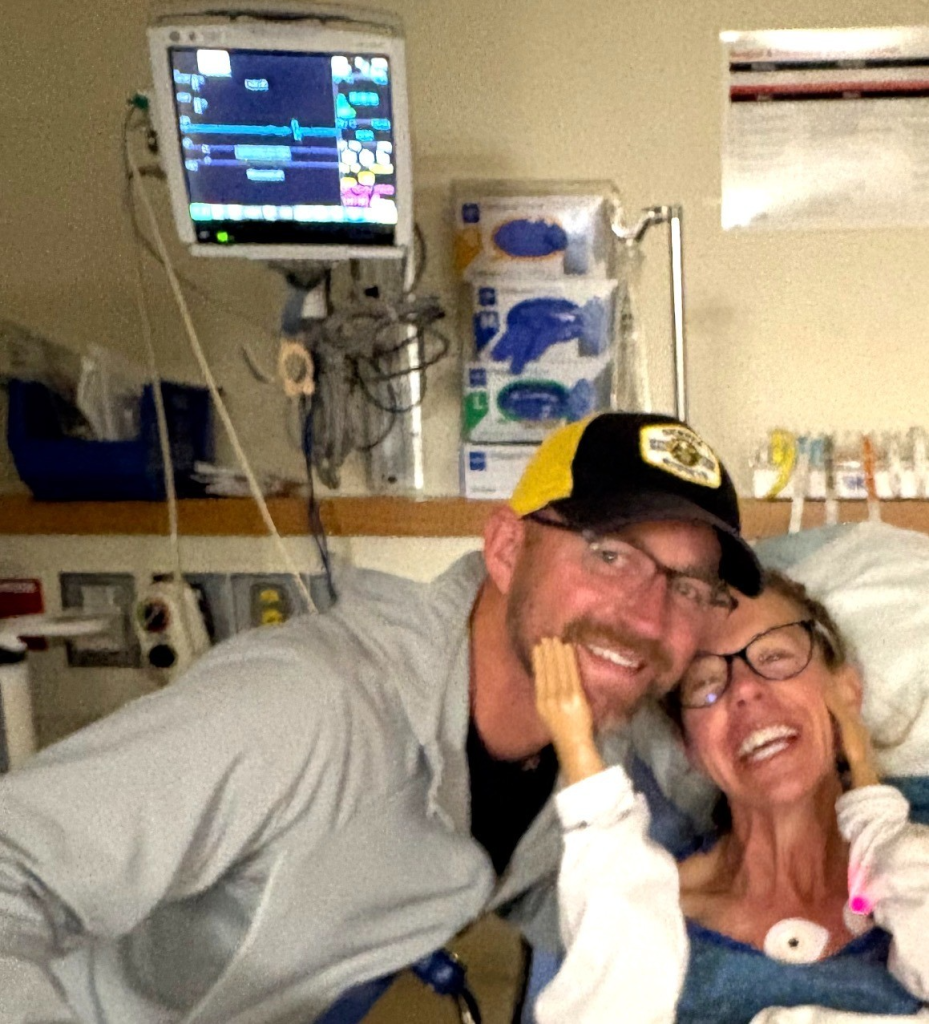
Even with progress, neural pathways love to present sneaky, unexpected surprises. Last summer, those sudden collapsing episodes aggressively returned, persisting for about four months. To manage this condition, I rely on deep brain stimulation (DBS) hardware from Boston Scientific—complete with wires implanted in my brain, a battery embedded in my chest and sophisticated technology designed to signal my muscles. For two years, my brilliant neurologists from Rocky Mountain Movement Disorders at Swedish Hospital in Colorado, manually programmed the device to alleviate my symptoms. I am one of the rare cases where DBS, fused with relentless self-advocacy, successfully restored my quality of life by 80% or more.
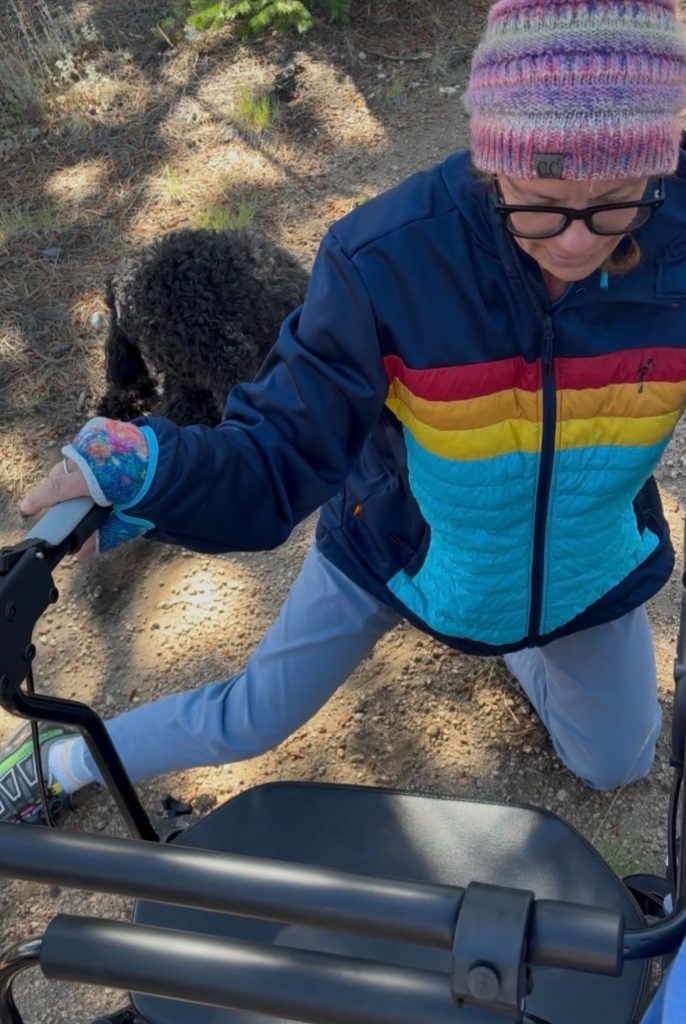
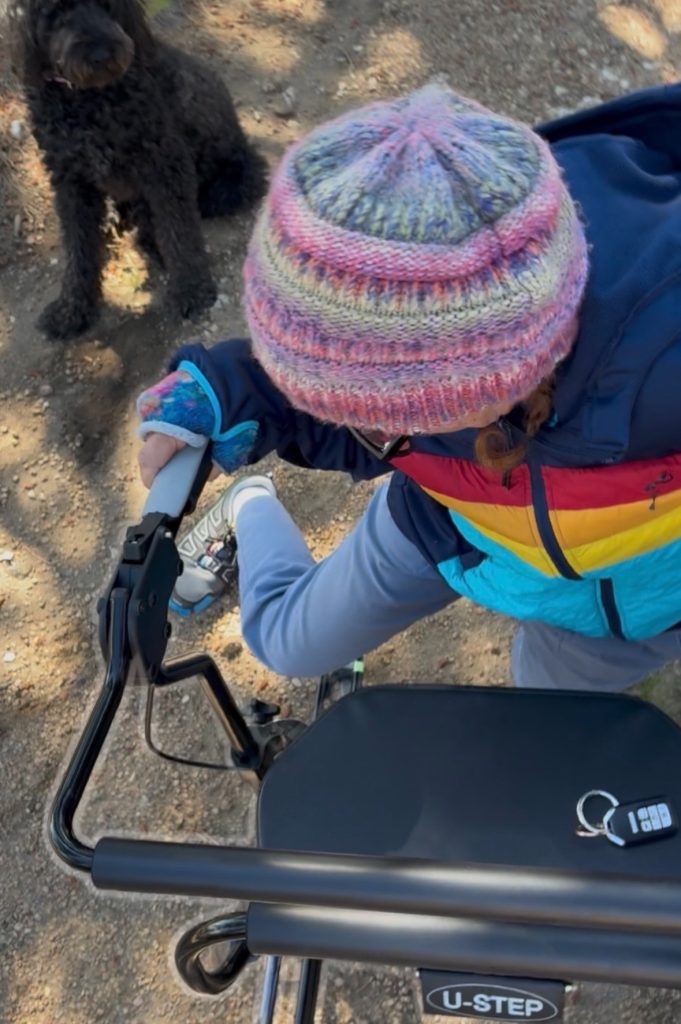
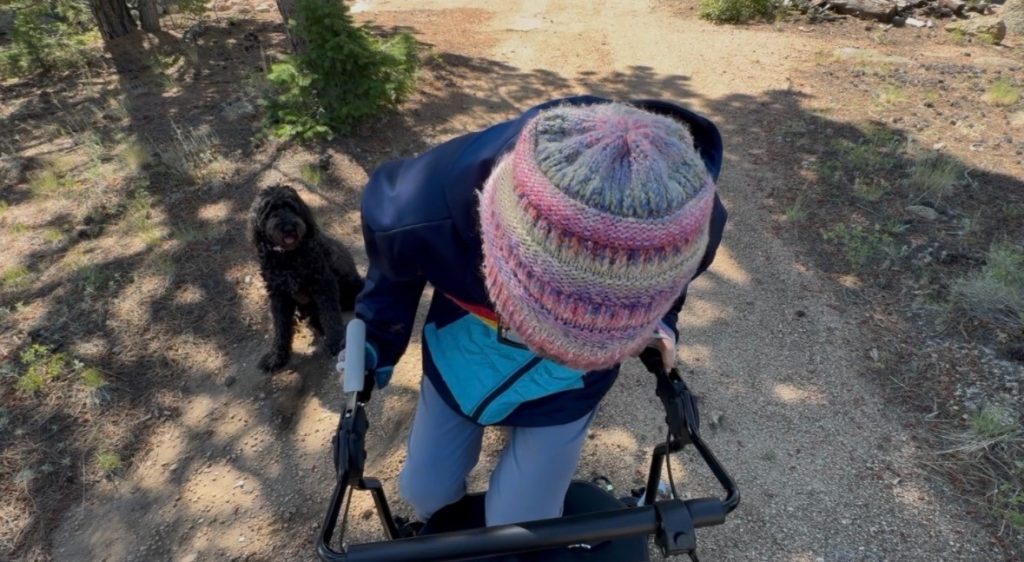
Technology advances helped improve quality of life
Then came a technological breakthrough. In the fall of 2025, I had the opportunity to utilise a cutting-edge software update from Boston Scientific. This innovation analysed my personal MRI data to customise the absolute best programming possible for my specific, dystonia-affected muscles. My final collapse occurred in late September 2025, about two weeks before that advanced programming session at my doctor’s office. Since that milestone appointment, my quality of life has taken another leap forward.
With the collapses finally subdued, I could finally address the structural damage caused by walking heavily tilted to the right, with my head clamped tightly to my clavicle, for over a year. Couple that with a lifetime of being an adventurer—taking hard falls and arrogantly assuming my body would just bounce back forever— it is fair to say dystonia was the straw that broke the camel’s back.
To manage the spinal damage, I underwent multiple injections in my upper right spine followed by an ablation, which hushed the pain signals like a dimmer switch turning down a bright light and is expected to last about nine months.
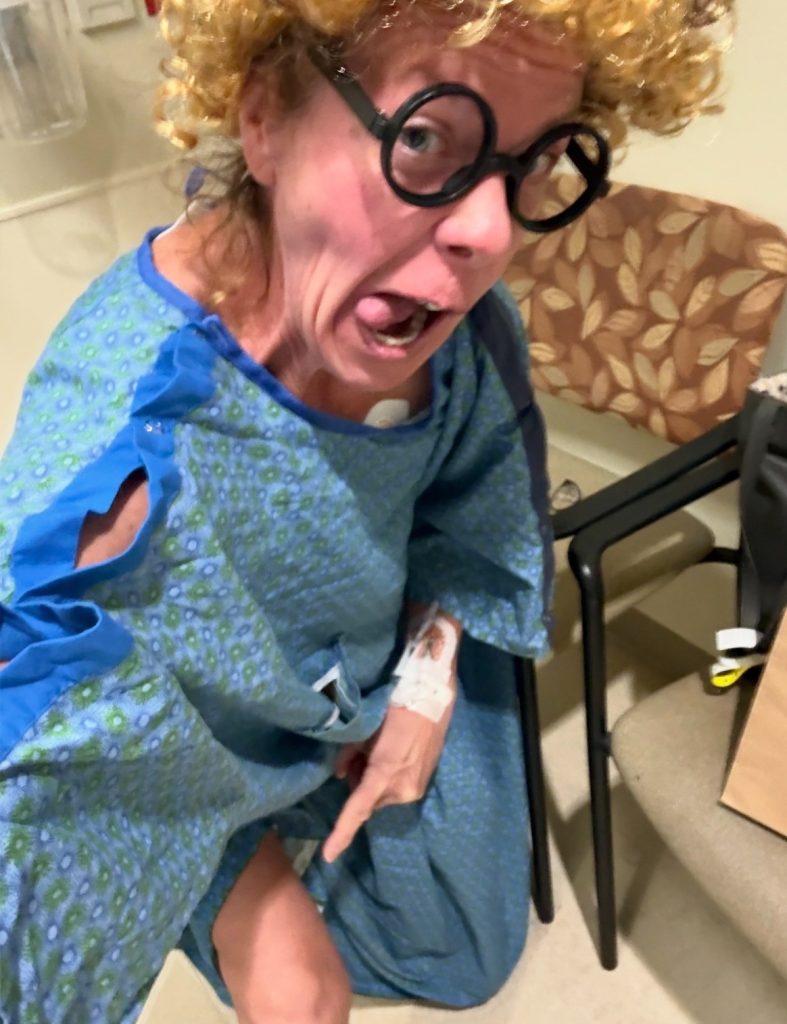
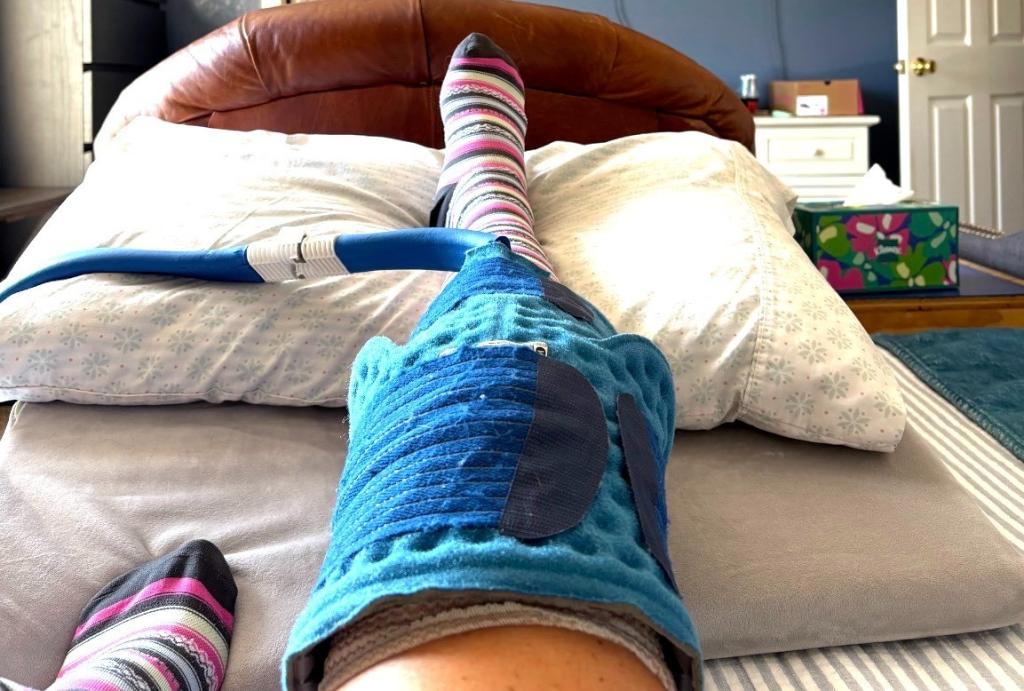
Next came my right knee. Assuming a recent bout of pain was merely mild arthritis, I went in for a routine X-ray. I was utterly dumbfounded when the doctor reviewed the images and announced I needed a total knee replacement. Sceptical, I sought a second opinion, only to receive the same verdict. Over a lifetime of being tough, I had mastered the art of ignoring physical pain, making the news a major shock. (Just to be completely clear, I only had the right knee replaced—I just used the plural “kneecaps” in the article title to give it a catchier rhyme!)
Support from dystonia groups
The surprises didn’t stop there. During a recent CT scan of my GI tract, doctors noted that my liver, kidneys and intestines look to be in tiptop shape. However, the scan incidentally caught my right hip, which appears to be in a similar state of decay as my right knee. To my “sweet right hip”: you are just going to have to wait! I am only seven weeks out from my total knee replacement surgery, though at least I finally understand why you’ve been aching so loudly.
So, I continue to journey down the path of this rare disease, learning more every single day. I am incredibly thankful for my dystonia support groups and for the privilege of serving on the board for Beat Dystonia. We are now proud members of the Dystonia Coalition, a powerful network of nonprofits joining forces to fund breakthroughs and global research.
Learn more about the Dystonia Coalition here: dc.rarediseasesnetwork.org