Beyond the surface: the invisible impact of myasthenia gravis
This is an advertorial sponsored by UCB.

Myasthenia gravis (MG) is a rare, autoimmune condition that can quietly reshape lives. For Alisa, those changes began to develop early in her adulthood. Aged 21, her life changed in a matter of weeks. Before, her life was social, filled with creativity and movement, but since developing MG, that all changed.
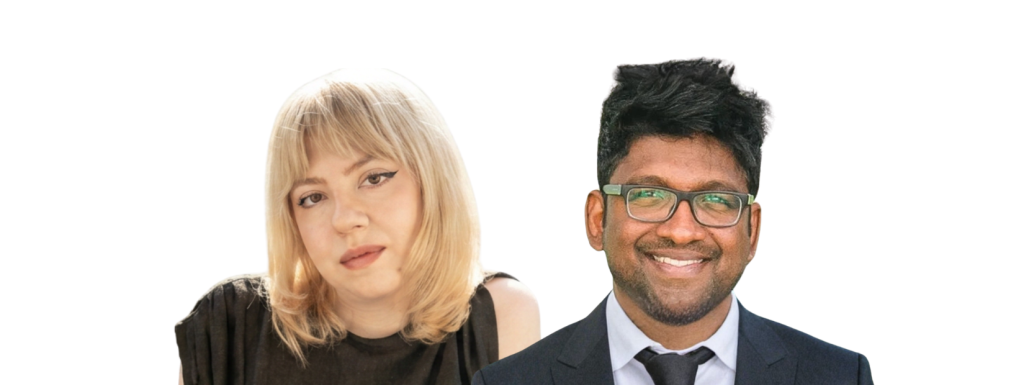
Alisa is a graphic designer and illustrator from Bucharest, Romania. Dr Channa Hewamadduma is a consultant neurologist based in Sheffield, England. Here, they come together to talk openly about what it really means to live with and care for people living with this unpredictable, often invisible condition
A life interrupted
In her early life, Alisa’s life looked the way she had always imagined it. She was busy, social and creative, filling her evenings with dance classes and time with friends. Then, in the space of just a few weeks, everything changed.
“I really liked to go to dance classes,” she says, “but unfortunately because of myasthenia gravis (MG), this is one of the hobbies I had to let go of.”
MG is a rare, chronic autoimmune condition that causes the immune system to mistakenly attack the connection between nerves and muscles. The result is muscle weakness that can affect speech, swallowing, vision and breathing. It is a condition that is frequently invisible to the outside world, but for those living with it, its presence is felt in almost every moment of every day.
Alisa’s first symptoms crept in quietly—a voice that tired easily and speech that became slurred by the end of the day. Because they only appeared when she was fatigued, she brushed them off, assuming they would pass. But within two weeks, she was struggling to swallow her food.
“It started very slowly,” she recalls. “I noticed my voice wasn’t as strong, and my speech became slurred, but this only happened when I was tired or late at night so I thought it was something that would just go away. Then I started having trouble swallowing my food, and I knew I had to see a doctor.”
Fifteen months of not being believed
What followed was a journey that may be familiar to many in the rare disease community: repeated dismissals, misdiagnoses and the grinding exhaustion that no one seems to be listening.
“My symptoms weren’t constant, which made them hard to explain,” says Alisa. “Doctors kept telling me it was anxiety, or that I was a hypochondriac. After 15 months and multiple doctors, I finally saw a specialist who suspected MG. But because of the delays and the wrong treatments I’d received along the way, my symptoms got even worse.”
Four days after finally receiving a diagnosis, Alisa experienced her first myasthenic crisis. She was hospitalised for 11 days in intensive care.
“I didn’t understand what was happening to me,” she says quietly. “I was paralysed and had to be intubated. It was the most frightening experience of my entire life. And yet, alongside all the fear, there was also this huge relief. Finally, everything had an explanation.”
Experiences like Alisa’s are not uncommon, explains Dr Hewamadduma.
“MG is a fluctuating, unpredictable and not very common condition, which can make it challenging to diagnose,” he explains. “Many symptoms overlap with other neuromuscular conditions. It usually takes a detailed history, understanding which part of the nervous system is affected, which muscles, whether there’s a fluctuation in the eyes, speech or swallowing. Testing for specific antibodies in the blood can also help rule out other conditions and confirm a diagnosis.”
The invisible weight
For Alisa, MG has reshaped almost every aspect of her daily life—often in ways others cannot see.
“I have to plan my day very carefully,” she says. “At work, I’ve found ways to use my voice as little as possible and take lots of breaks. If I’m having trouble eating, I plan my meals around when I take my medication. I can’t socialise with colleagues the way I used to. I often have to cancel plans, and if I’m in a flare-up, there are times I simply can’t work.”
One of the most difficult aspects is the stigma and misunderstanding that comes with having an invisible condition.
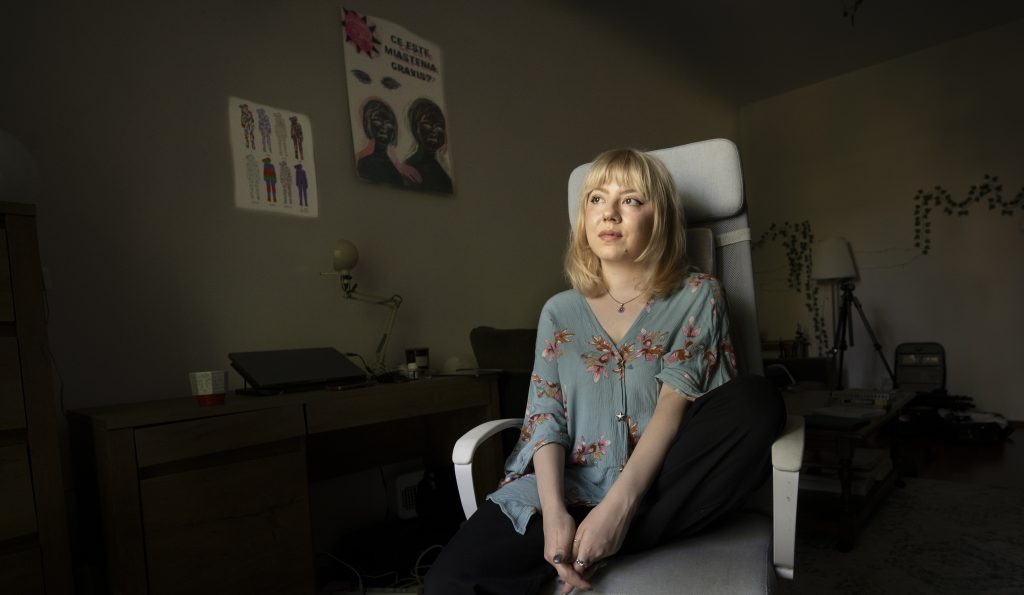
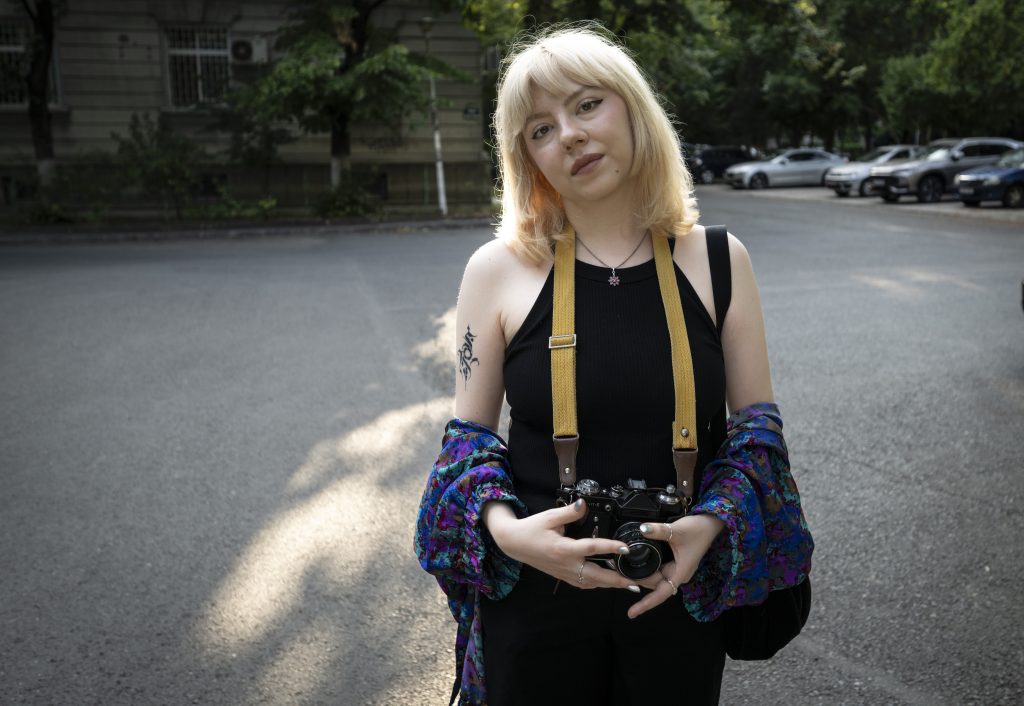
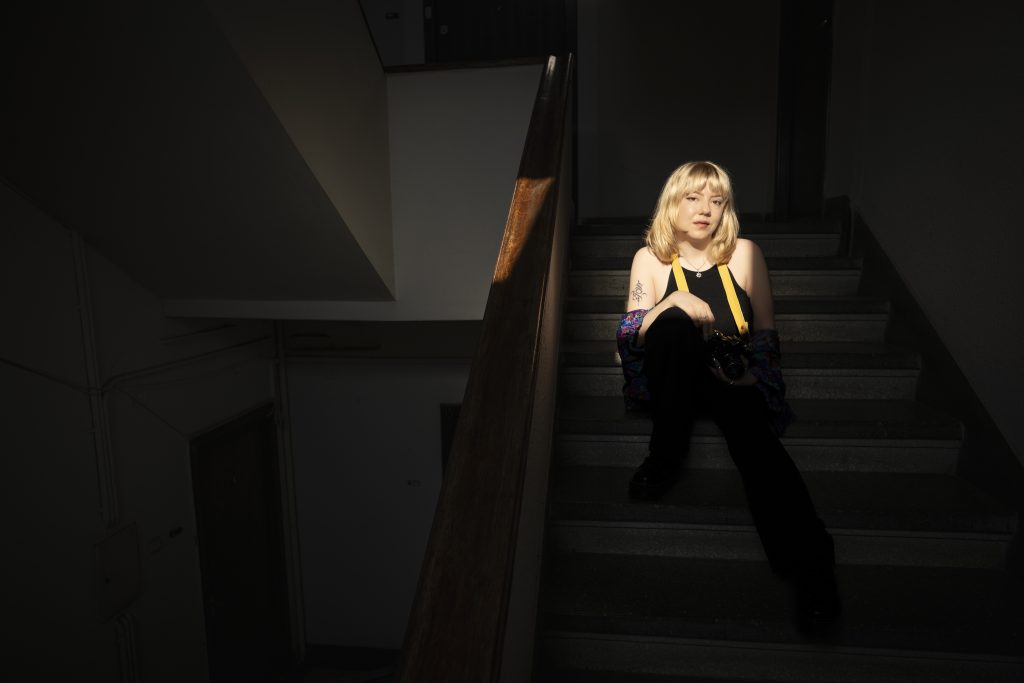
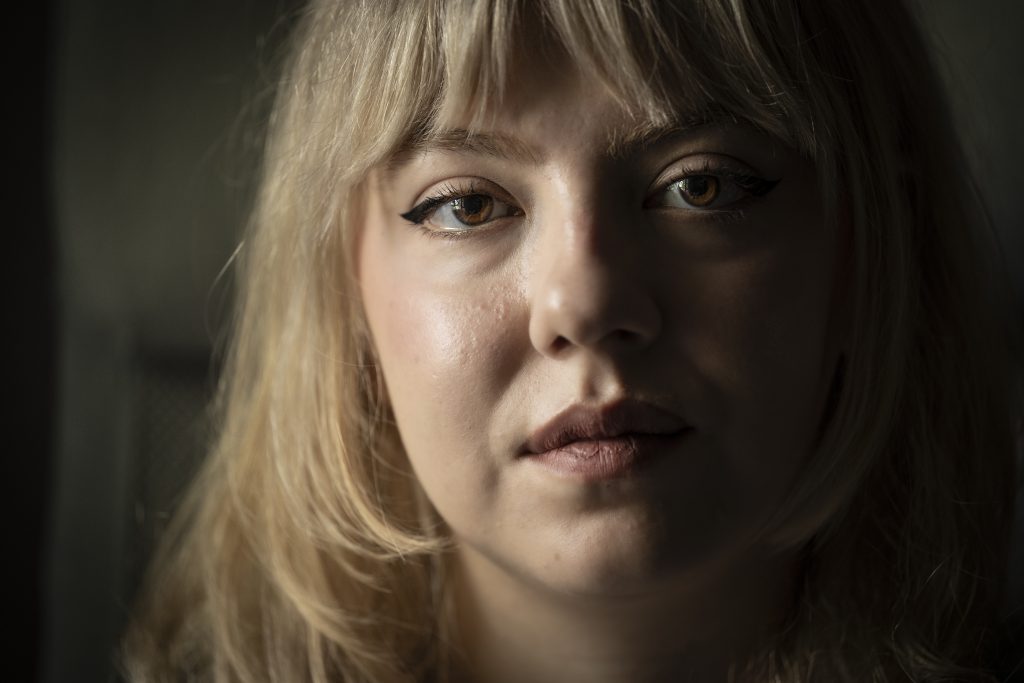
“People would think I was drunk at 10 in the morning, just because my speech was slurred,” she says. “It had a huge impact on my self-confidence. I felt this need to hide, to appear as ‘normal’ as possible. I wish people understood that MG can seem invisible, but it is deeply unpredictable, and it affects our daily lives profoundly. Each smile I make takes so much work and effort.”
Finding a voice and using it
Despite everything, Alisa has found strength in sharing her experience.
“It’s been a long journey, but I feel I’m in a good place with my mental health now,” she reflects. “I’ve found my voice and my power through sharing my experiences. I hope that by doing that, I can support more people to share their stories too, to keep raising awareness of what MG really looks like.”
For Dr Hewamadduma, community strength is one of the most encouraging developments he has seen in MG care in recent years.
“It is an exciting time,” he says. “You can see the growing strength of the MG community—particularly here in the UK, where we have been working closely with local advocacy groups to raise awareness of this rare disease with devastating consequences by arranging MG awareness days to bring the community together and strengthen care pathways for MG. But MG is a challenge that cannot be overcome alone. It is a journey we need to work on together. I hope that our collective efforts will help make the journey easier for everyone living with MG in the future.”
UCB’s Faces of MG is a disease awareness campaign developed in collaboration with the MG community, created to shine a light on the real, everyday experiences of people living with this condition. This article has been written in collaboration between Alisa, Dr Channa Hewamadduma and UCB.
GL-DA-2600667
Date of preparation: June 2026
© UCB Biopharma SRL, 2026. All rights reserved.