The power of community: inside the unique culture of the International PBC Summit 2026
The International PBC Summit 2026 was designed as a radical, patient-first global think-tank, breaking down traditional hierarchies to foster genuine collaboration between patients, clinicians, researchers, and pharma representatives. Held in Edinburgh, this invitation-only event focused on shared vulnerability and trust to accelerate actionable outcomes for people with primary biliary cholangitis (PBC)
Written by Becky Pender, senior associate, RARE Revolution Magazine
A collaborative think-tank for global change
The International PBC Summit 2026, held from 20 to 23 April in Edinburgh, Scotland, was far from a traditional academic conference. Conceived as a collaborative global think-tank, it brought together a diverse ecosystem of stakeholders, including patients, patient advocacy groups, clinicians, researchers, and pharmaceutical representatives, all focused on a singular goal: improving outcomes for those living with primary biliary cholangitis (PBC).
This invitation-only event operates with a “patient-first” philosophy, ensuring that those directly affected by the disease are not just participants, but leaders in shaping the agenda and priorities. This philosophy is rooted in the belief that lived experience is as valuable as clinical expertise, creating a unique synergy that drives the Summit’s innovative approach.
The selection of Edinburgh as the host city provided a backdrop of historical intellectual rigour, yet the Summit itself was characterised by a radical departure from the ivory-tower mentality. By inviting a balanced cohort of stakeholders, the organisers ensured that no single voice could dominate the conversation. The “patient-first” mandate was not merely a tagline; it was woven into the very fabric of the sessions. Every panel discussion was either chaired by, or featured, a patient advocate, ensuring that clinical and scientific data were always contextualised within the reality of daily life with PBC. This constant grounding in the human element prevented the discussions from becoming overly abstract, maintaining a sharp focus on practical improvements in quality of life and treatment efficacy.
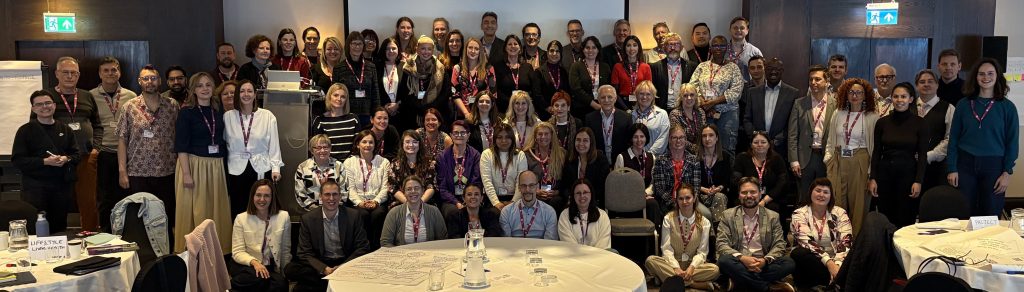
Central to the Summit’s success was its commitment to breaking down the hierarchical barriers often found in professional medical gatherings. This approach was visible from the moment attendees arrived, with name badges that used first names only to promote egalitarian participation. While stakeholder groups were colour-coded to aid navigation, the use of first names helped to level the playing field, encouraging industry experts and patients to collaborate as equals. This removal of titles served a vital psychological purpose: it stripped away the traditional power dynamics that often silence patients in the presence of eminent clinicians or corporate executives.
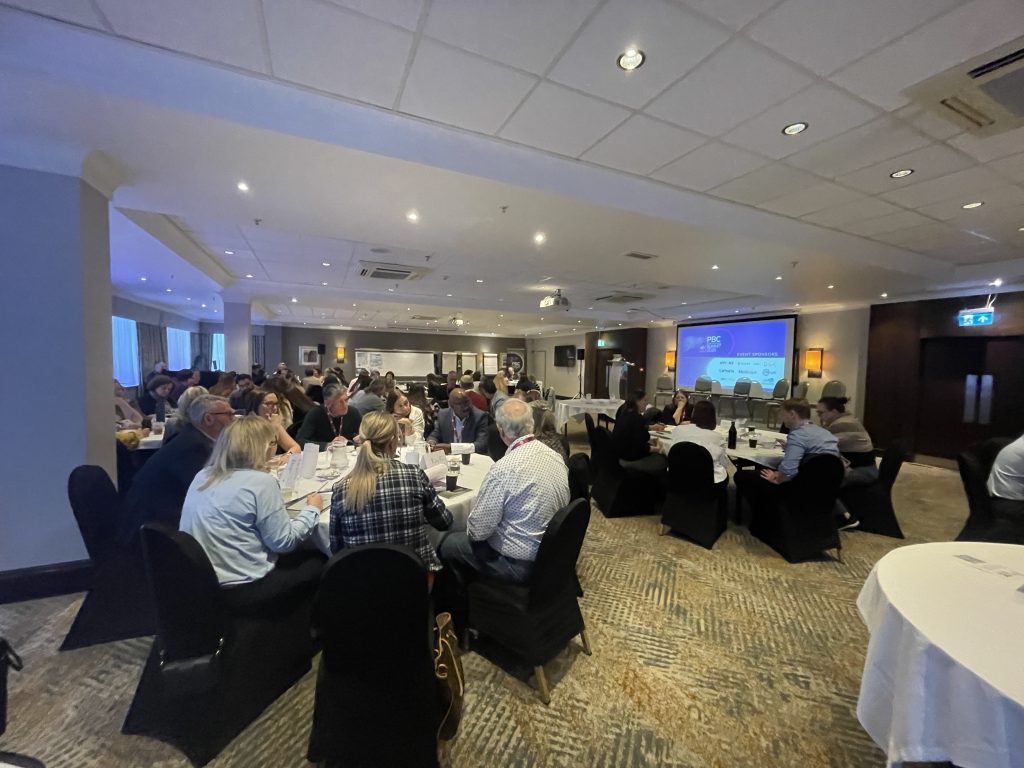
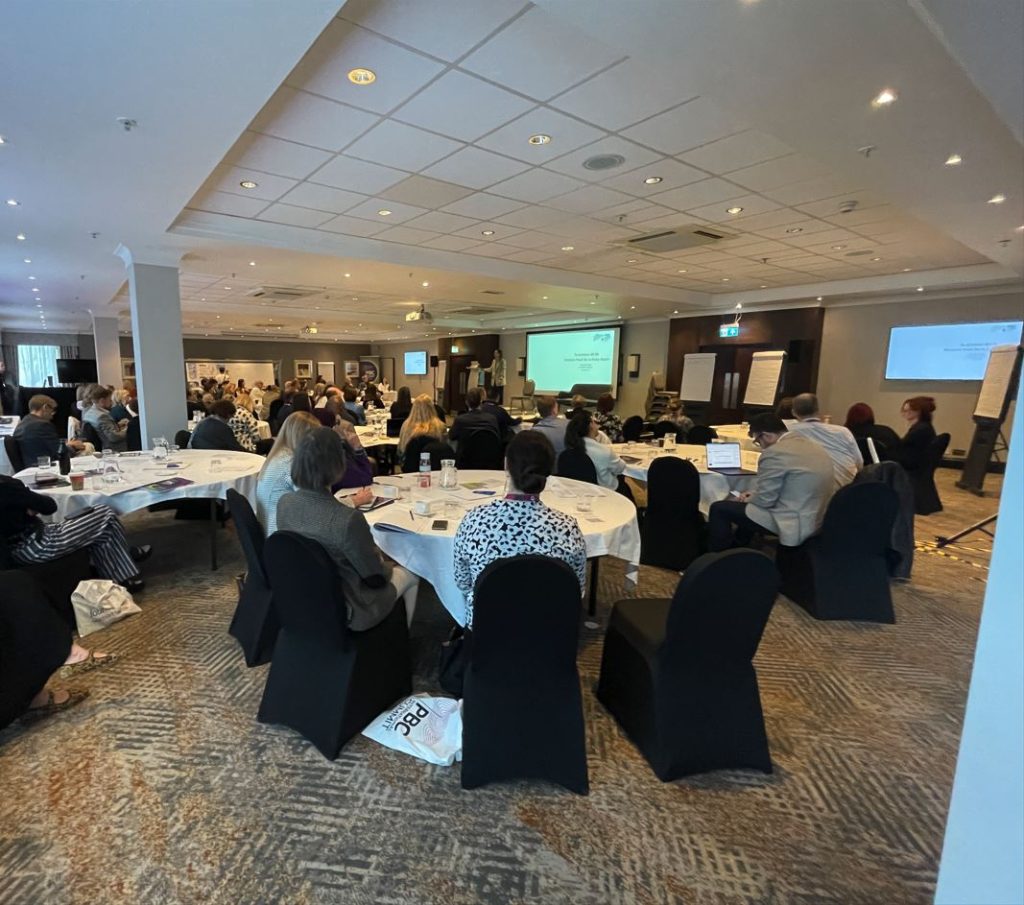
This culture extended into the layout of the Summit rooms. Circular seating replaced the traditional lecture-style rows, fostering an environment where eye contact and open dialogue were the norm. Facilitators ensured that every participant, regardless of their background, had the opportunity to contribute. This intentional design transformed the Summit from a series of lectures into a living laboratory of ideas. The cultural shift was palpable; it was not uncommon to see a leading pharmaceutical researcher brainstorming alongside a patient, both equally invested in solving a specific unmet need or hurdle.
Purposefully building culture
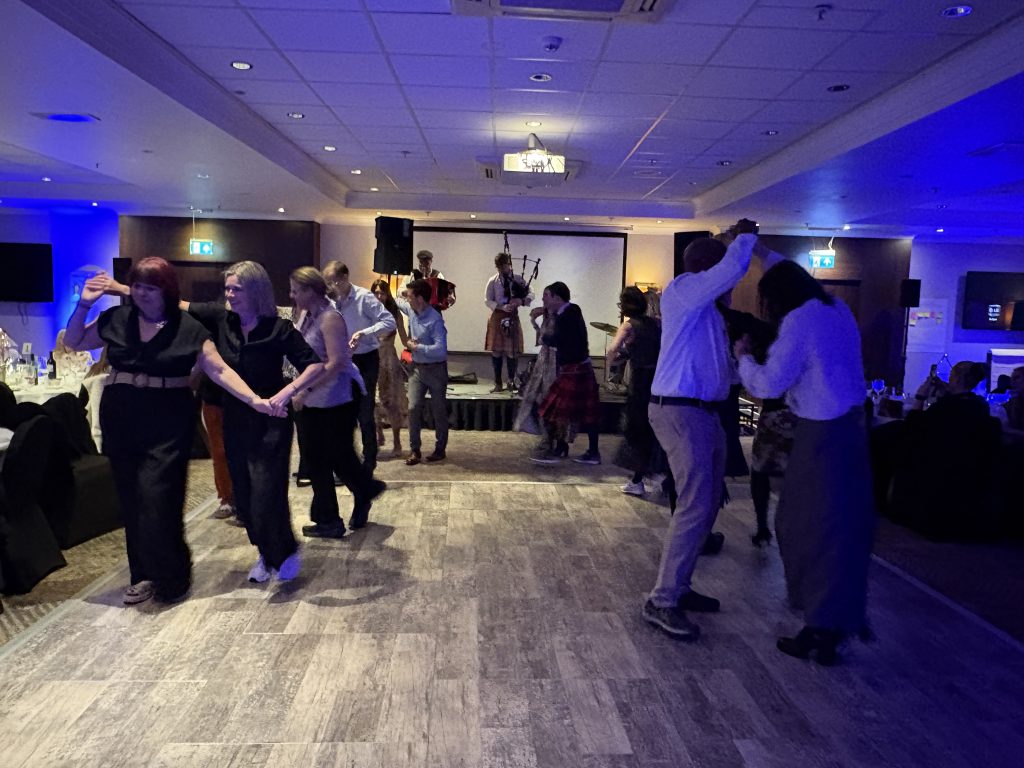
The culture of the Summit was deeply influenced by its Scottish setting where Scottish traditions were woven into the social fabric of the event, with Monday night ceilidh dancing, traditional dinners and a Tuesday night jam session. These moments of shared joy and culture were not merely social add-ons; they were essential for building the trust and human connection required for the intense collaborative work during the day. The ceilidh, in particular, served as a powerful metaphor for the Summit: a complex, energetic dance that requires everyone to be in sync, supporting one another to move forward.
The informal sessions allowed for “corridor conversations”, those serendipitous meetings where some of the most significant breakthroughs often occur. By creating a relaxed atmosphere in the evenings, the organisers allowed the formal work of the day to settle and mature. Participants spoke of the “humanising effect” of these social interactions; seeing a regulator or a CEO participate in a traditional dance or play an instrument in a jam session broke down the “us vs them” mentality that can hinder progress. This cultural innovation proved that professional excellence and personal connection are not mutually exclusive but are, in fact, deeply interdependent.
One of the most poignant symbols of the Summit’s purpose was the presence of an empty chair on the stage throughout the event. This chair served as a silent reminder of members of the PBC community who had passed away before a cure or adequate treatment could be found, anchoring the discussions in a sense of urgency and shared responsibility. This emotional weight was balanced by the “Power of Community” theme, which was brought to life through sessions led by organisational coaches. Participants were encouraged to “wear their emotions on their sleeves”, literally taping their vulnerabilities to their arms.
Turning frustration into actionable outcomes
The Summit acknowledged the inherent challenges faced by all stakeholders, from the resource and funding constraints of PAGs to the regulatory and research hurdles navigated by the pharmaceutical industry. Patients shared their own challenges, including the physical and mental toll of the disease, geographical restrictions to treatment and the anxieties surrounding placebo-controlled clinical trials. Rather than being ignored, these frustrations were used as fuel for developing practical, structured action plans.
Collaboration was made tangible through the poster project, a first-time success for the 2026 Summit. An impressive display of 27 posters, all based on work generated at previous Summits, showcased the continuity of these efforts and attendees decided on the topics for 2 new posters to be completed for the 2027 Summit.
Participants were asked to sit with people they didn’t know, separating colleagues to ensure cross-border and cross-sector collaboration flourished. This “trusted chaos” allowed groups to collectively decide on priorities, with decisions recorded on posters to be completed and reviewed by the next Summit in 2027.
The path forward: trust and visibility
Ultimately, the Summit was built on a foundation of trust, defined during the sessions as the willingness to be seen and vulnerable with the belief that one will be met with care rather than harm. This culture of openness allowed for difficult self-reflection, where stakeholders were encouraged to ask themselves if they had ever been self-serving or bowed to politics at the expense of the bigger picture.
The answers to the challenges of PBC are out there, but they can only be found together. The Summit reinforced the necessity for patients to be present in “every room”, from clinics and regulatory meetings to courtrooms, to move the needle further and faster. The International PBC Summit 2026 succeeded not only in exchanging ideas, but in reinforcing partnerships that will drive the community toward a future of better care and treatment access.
About The PBC Foundation
The PBC Foundation is the largest PBC patient support organisation in the world. Their purpose is to have a positive impact on the quality of life of every person affected by PBC.
https://www.pbcfoundation.international/support-services/about-us/
https://www.facebook.com/PBCFoundation
https://www.instagram.com/pbcfoundation/
https://www.linkedin.com/company/pbc-foundation-uk-ltd/