From navigating a system that was not built for people with rare diseases, to working to change that system from both sides
From overcoming daily physical and societal hurdles in the classroom to facing misconceptions within the medical community, Sarah Mullahy shares her personal journey of advocacy and her path toward becoming a doctor dedicated to patient-centered care.
Written by Sarah Mullahy
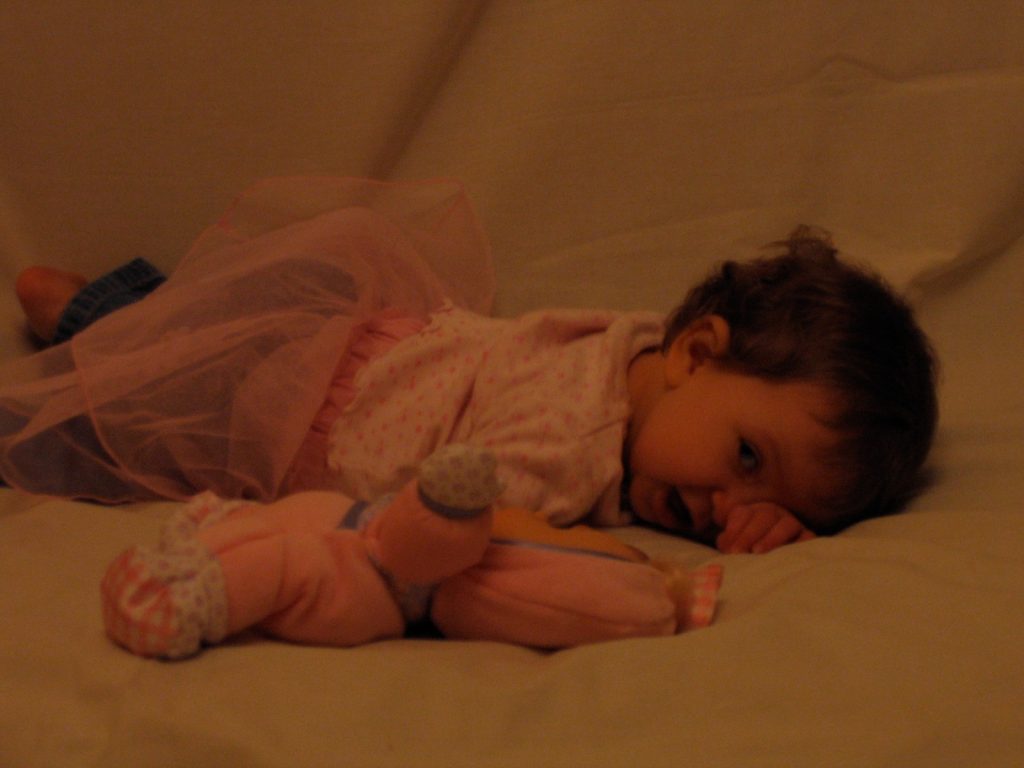
In 2003, after a short stay in the neonatal intensive care unit, I was discharged home, only to be readmitted months later with failure to thrive. An atrial septal defect was found during that admission. When I was still very young my family moved to South Africa for a year. It was a specialist there who looked at the wider picture and insisted we see a geneticist once we returned to Ireland. I was diagnosed clinically with Noonan syndrome in 2005, at the age of two. In 2008, when genetic testing became more available, an alteration in the PTPN11 gene confirmed what the clinicians had already recognised.
Living with a multi-system genetic condition meant growing up inside systems that had not been designed with people like me in mind. In primary school the most visible issue was physical. Because of short stature I needed a specialised seating setup—a smaller desk, a pillow and a footstool—simply to sit at the right height and avoid pain. The standard classroom desks were made for two. For years that meant the seat beside me often stayed empty, other children did not want to sit at the “different” desk. In my final year one teacher quietly ordered two single desks: one the correct size for me and one standard. It was a small administrative act, but it removed the daily reminder that I was an inconvenience to the room’s layout. I still remember the relief of no longer being the reason the furniture looked wrong.
The deeper difficulty was harder to photograph. Every September brought the same pattern. New teachers frequently assumed I had an intellectual disability. I was spoken to slowly, sometimes in a softened child’s voice, even when I was sixteen. The assumption was rarely malicious, but it was constant. I learned to treat the first weeks of term as a performance: work twice as hard, answer quickly, make no mistakes that could be read as evidence. The effort was exhausting, and the frustration of having to prove competence year after year stayed with me.
These early experiences taught me that access is rarely automatic. It usually must be explained, justified and fought for—often by a child who is already managing more than their peers.
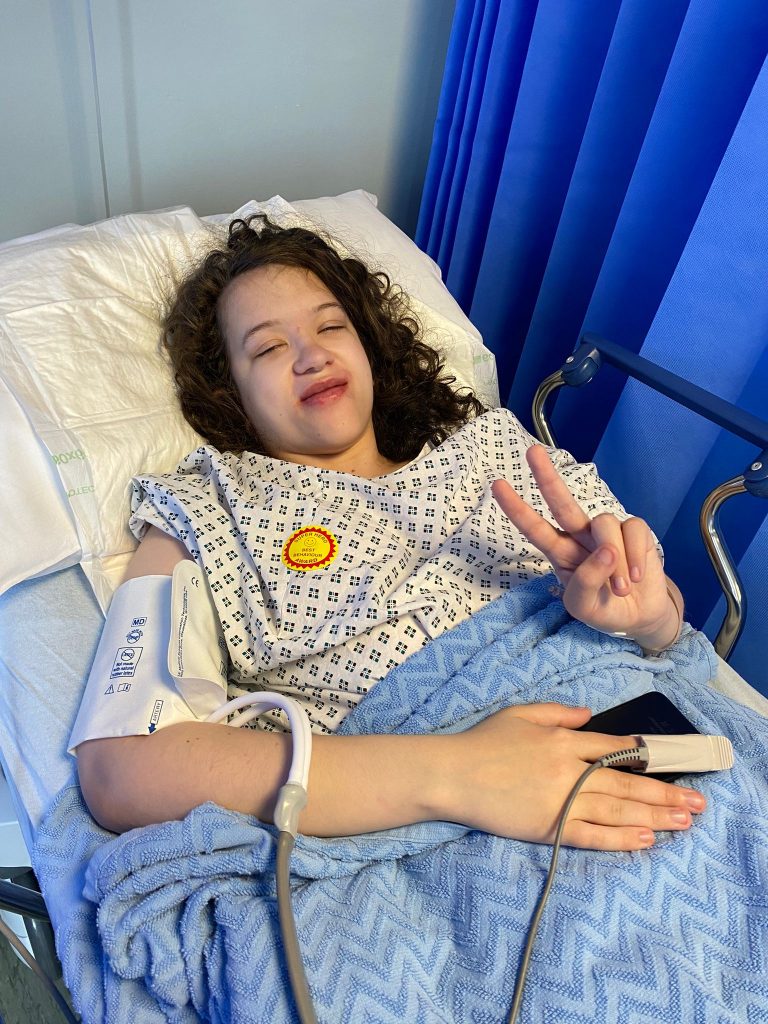
In my teens my condition became significantly harder to manage. Severe fatigue, chronic pain and sensory overload made regular school attendance impossible. In the space of a few months, I went from top of the class to unable to attend school at all. After several months out I applied for government home tuition. The official letter eventually arrived granting nine hours a week. On paper it looked like recognition. In practice the system required families to find their own fully qualified tutors willing to accept the government rate. Living in a rural area, I could only secure three hours. Being told, in a year with important state exams, that this was what my education amounted to was a pivotal moment.
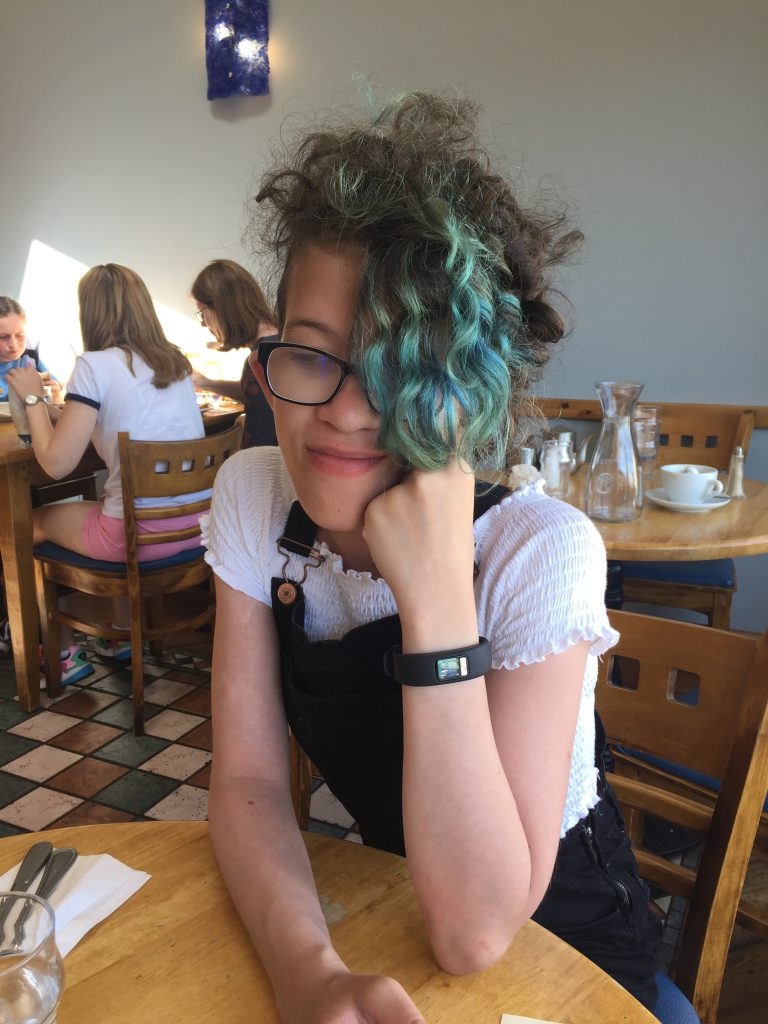
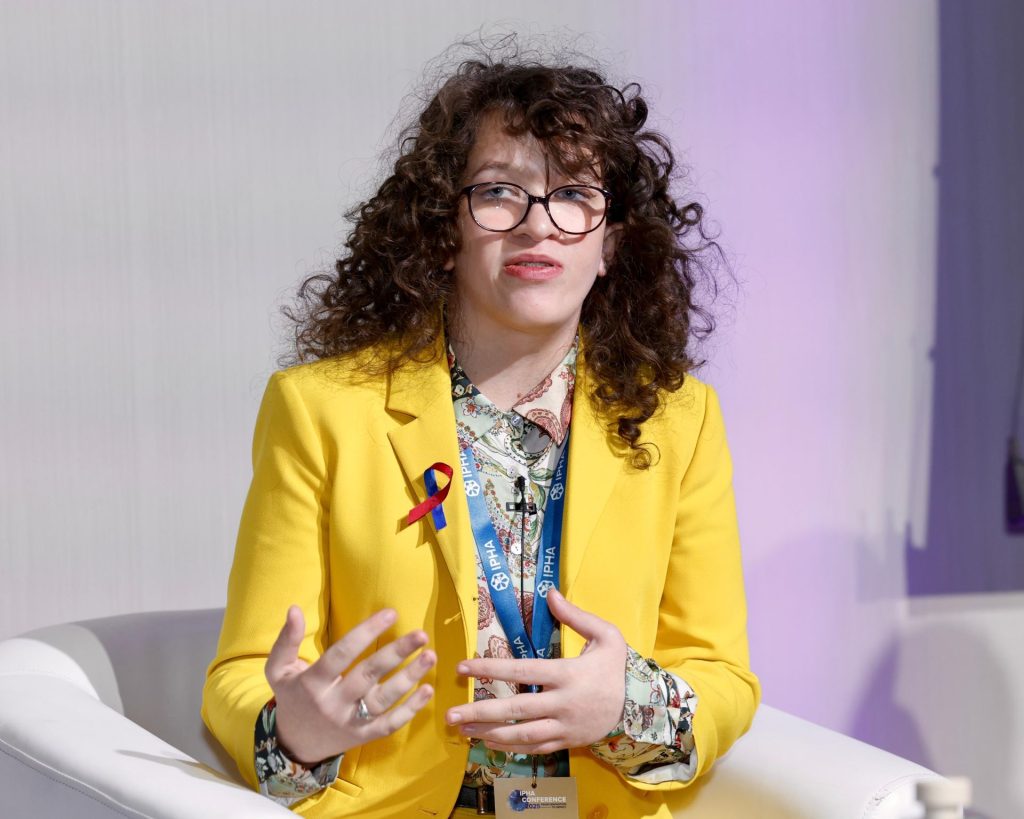
It made starkly clear how little the system was prepared to adapt for complex or energy-limiting conditions. The gap between the hours granted and the hours I could actually receive felt like a quiet verdict on my worth within the education system.
When doctors struggled to explain the decline, I was referred to CAMHS (Child and Adolescent Mental Health Services). My low BMI, due to recognised features of Noonan syndrome, and my absence from school led to assumptions I had an eating disorder and anxiety-driven school refusal. I repeated, over and over, that I wanted to be in school and was trying my best. Being disbelieved while already struggling left a lasting mark. It reinforced the sense that when a rare condition does not fit neat categories, the default is to look for a more familiar explanation, even when the patient is telling a different story.
I returned to school part-time in September 2019. In March 2020 Covid-19 interrupted everything again. Still, I sat my final exams in 2022, carefully pacing my study to avoid symptom flares. Results day brought a new systemic failure: my art history paper, which I had a typing accommodation for, had not been graded. After weeks of appeals I received a predicted grade while already studying in university. I very nearly lost my place but was lucky to study my dream course: medicine.
I chose medicine because of the years spent on the other side of the consultation. Too often I met clinicians who did not have the time, or sometimes the inclination, to listen when the answers were not straightforward.
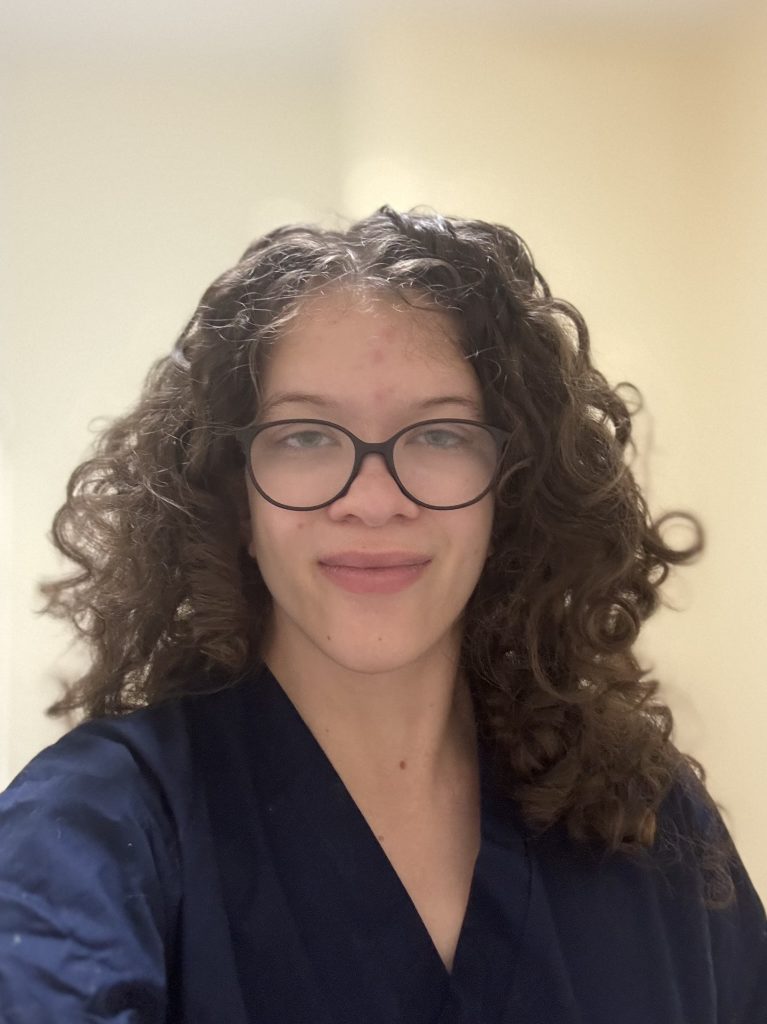
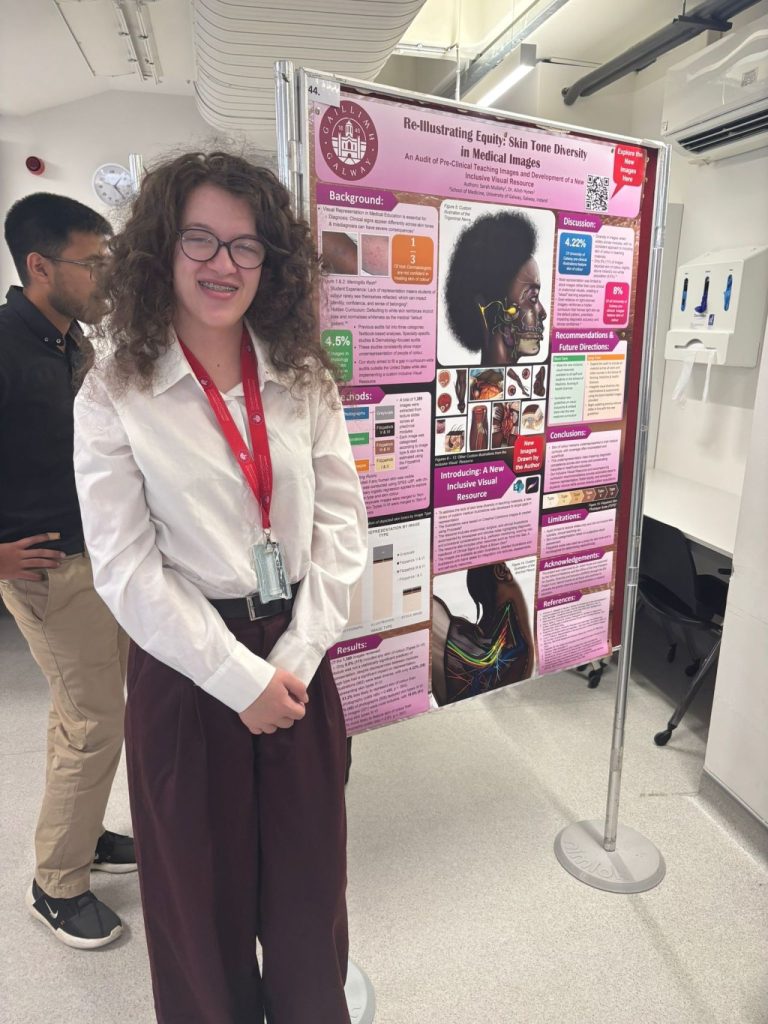
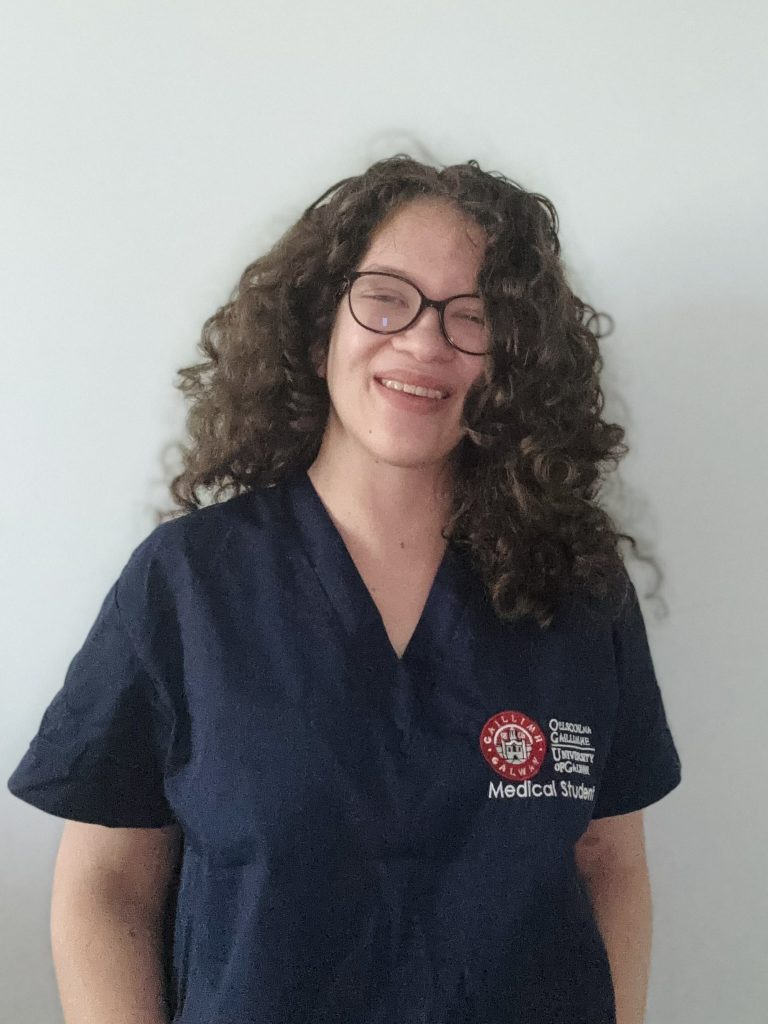
I wanted to become the kind of doctor who stays with the patient even when the picture is complex.
That same recognition of fragmentation drove my advocacy. When I began engaging with the rare disease community I found a confusing landscape of organisations, departments and charities. I wanted to make navigation easier for others. In 2026, I launched noonansyndrome.ie and founded Noonan Syndrome Ireland. The site offers practical, Ireland-specific information on diagnosis, lifelong management and support for patients, families and educators while also offering direct advice and support.
Living with Noonan syndrome has been challenging, but it has also given me a perspective I now use deliberately. By building practical resources, speaking to decision-makers, and training inside the system I once found so difficult to navigate, I intend to keep contributing to change—both as a future doctor and as an advocate for those who come after me.
To learn more, please visit; noonansyndrome.ie