Capturing the value of patient groups: the Rare Insights Study

Written by Madeleine Chamberlain, digital content officer, Beacon
Patient groups: vital yet undervalued, underfunded and overburdened
Patient groups are vital to the rare disease community.
However, despite often being the first line of support for newly diagnosed patients, they are often overlooked. While they work to influence policy, inform research and build communities to ensure no rare journey is walked alone, support for these groups is falling behind.
We know patient groups are frequently undervalued and operate with limited resources, relying heavily on volunteers whilst facing growing expectations from across the rare disease ecosystem. While researchers and industry partners often pay professional consultants for their expertise, patient groups are routinely expected to contribute their time, insight, and networks without appropriate reimbursement.
Without sustained and proportional support from funders, policymakers, researchers and industry, many patient groups risk burnout, stagnation, or closure, limiting their ability to continue supporting their communities.
Rare Insights: tapping into the potential of patient groups
Beacon’s mission is to support these essential groups in the best way we can. But to do this, we need real evidence. It’s why we are launching a ground-breaking study to capture the value and impact of patient groups for the first time.
We need patient group leaders to tell us directly what challenges they face and how Beacon and the wider rare disease community can best support them so they can continue to do what they do best: provide essential support for people living with rare diseases and those who care for them.
The Rare Insights Study will outline the challenges these often small, volunteer-led groups face every day, from limited resources and balancing caring responsibilities to reliance on volunteers and a lack of funding. Through surveys, focus groups and interviews, we will capture these insights by listening to the voices and experiences of patient groups.
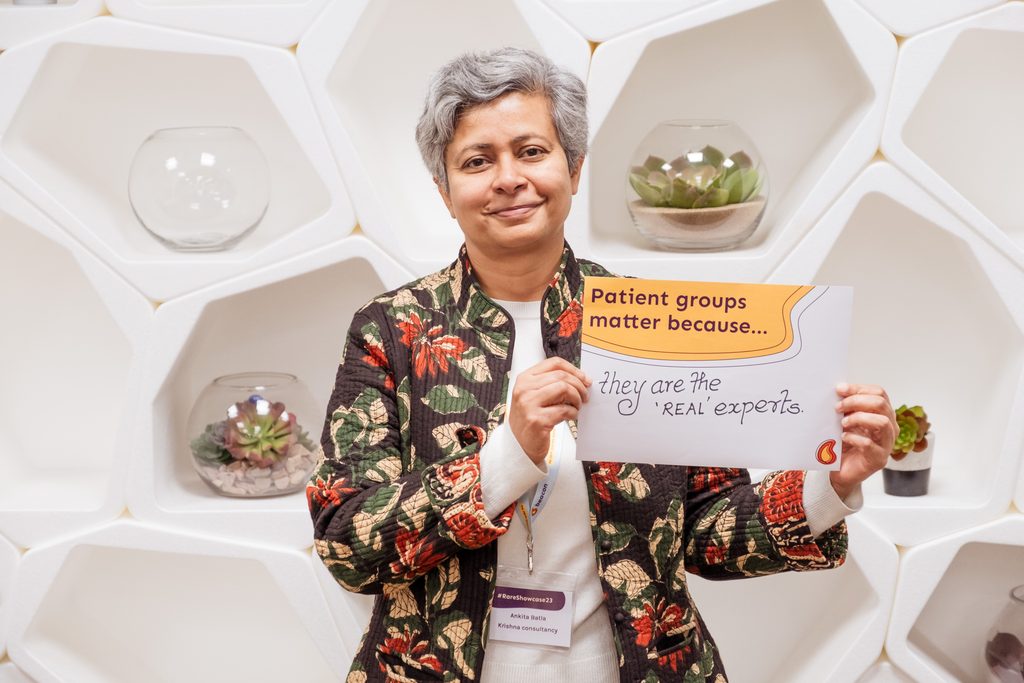
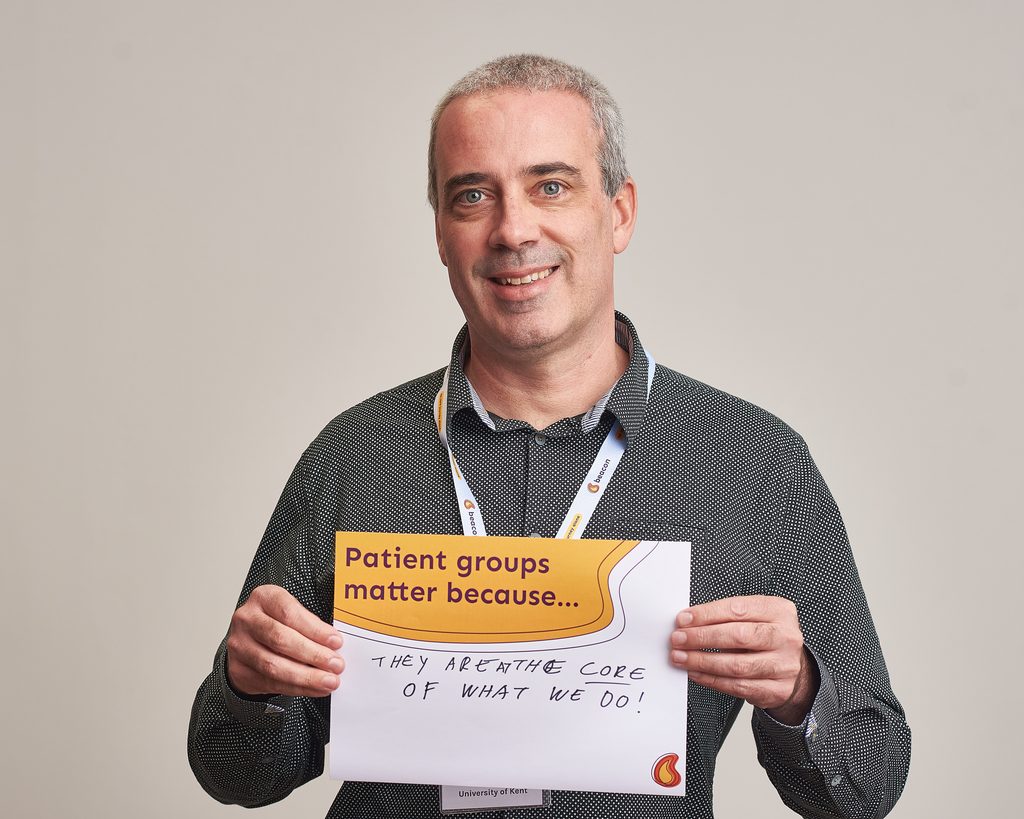
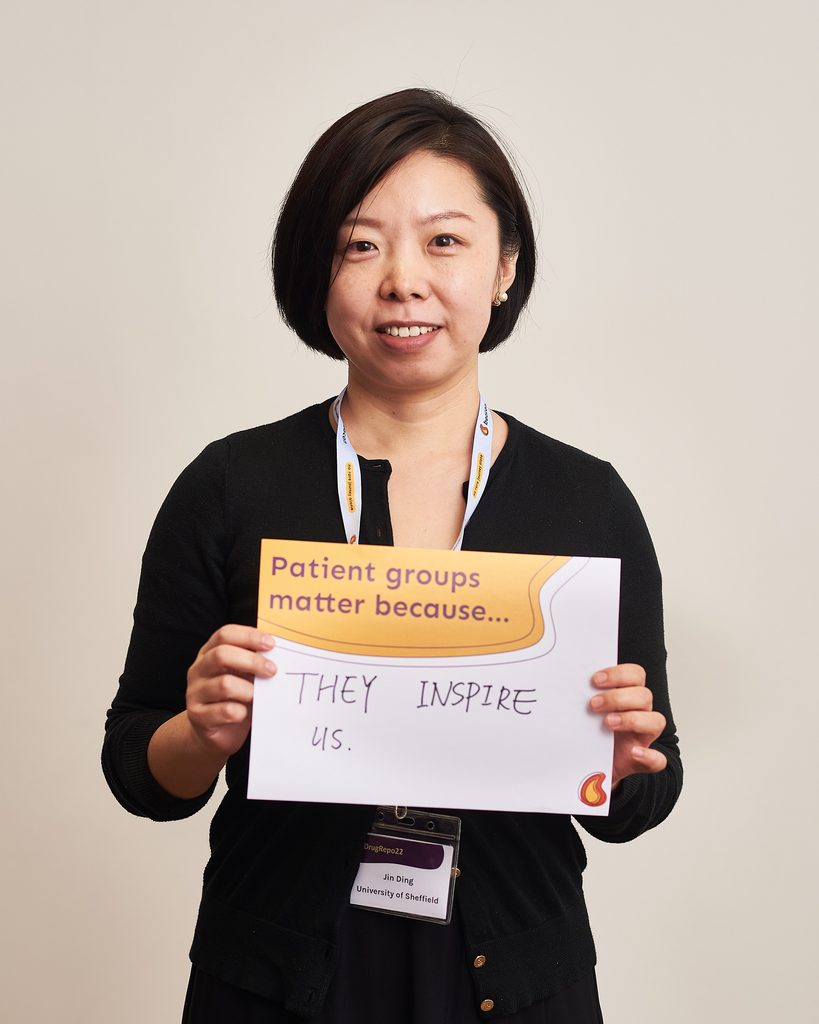
How can you get involved?
We know patient groups are undervalued, underfunded and overburdened, so help us prove it to advocate for change!
Take our Patient Group Leader Survey to tell us about your lived experience as a patient group, from the top challenges you face to the areas of the rare ecosystem you have influenced, whether that be research support, advocacy or policy.
We need your story to paint an accurate picture of the true patient group experience, so we can demonstrate just how valuable patient groups are to patients with rare diseases and the wider rare disease ecosystem.
The survey takes under an hour to complete, and the impact of sharing your story will be greatly felt by the wider rare disease community.
As Pauline, who lives with Phenylketonuria (PKU), says, “Patient voices are not just anecdotes. They’re the lived evidence that can shape research, improve care, and drive policy change.”
Evidence for change and advocacy
With your experience as evidence, we will form a report with recommendations for funders, policymakers, industry and the wider rare disease community to put the results right back into your hands.
You will be able to use our report when seeking funding or demonstrating impact to strengthen your call for support. Our study report will inform future investment, training and capacity-building opportunities for patient groups across the country.
After all, “Awareness is only the beginning”, as Andrea, whose husband Ian lives with Stiff Person Syndrome (SPS), highlights “meaningful change must follow.”
Your rare voice can influence real positive change.
Help us spread the word!
Please share our Patient Group Leader Survey on social media, in your newsletter or simply by word of mouth, so we can gather a broad range of perspectives and backgrounds, enabling us to form a true picture of what patient groups face every day.
To help spread the word, get in touch with madeleine@rarebeacon.org for our Rare Insights communication materials.
Find out more about the Rare Insights Study on our website and help us reach as many patient groups as possible!