Archie’s story: when a rare diagnosis does not give you all the answers
Lucy Moore is mum to Jamie and Archie. She shares Archie’s journey with PTEN hamartoma tumour syndrome and medical complexity to raise awareness of rare disease, family life and the realities of advocating for a medically complex child.
Written by Lucy Moore
When people talk about rare disease, so much of the conversation is understandably about getting a diagnosis. Before we lived this ourselves, I assumed that once you had a name for what was happening, things would start to make sense.
For our son Archie, getting his diagnosis was hugely important. It gave us answers we desperately needed but opened the door to a completely different set of questions.
Archie is 15 months old and has PTEN hamartoma tumour syndrome, or PHTS, a rare genetic condition caused by a pathogenic change in the PTEN gene. It varies enormously from person to person, and Archie has a particularly severe and complex presentation. Before any of that though, he is just our Archie: our youngest son, Jamie’s little brother and a very loved little boy.
The questions started early
Our journey with Archie started before he was born. My pregnancy was complicated, with several concerns with scans and a lot of additional monitoring, yet nothing explained the bigger picture.
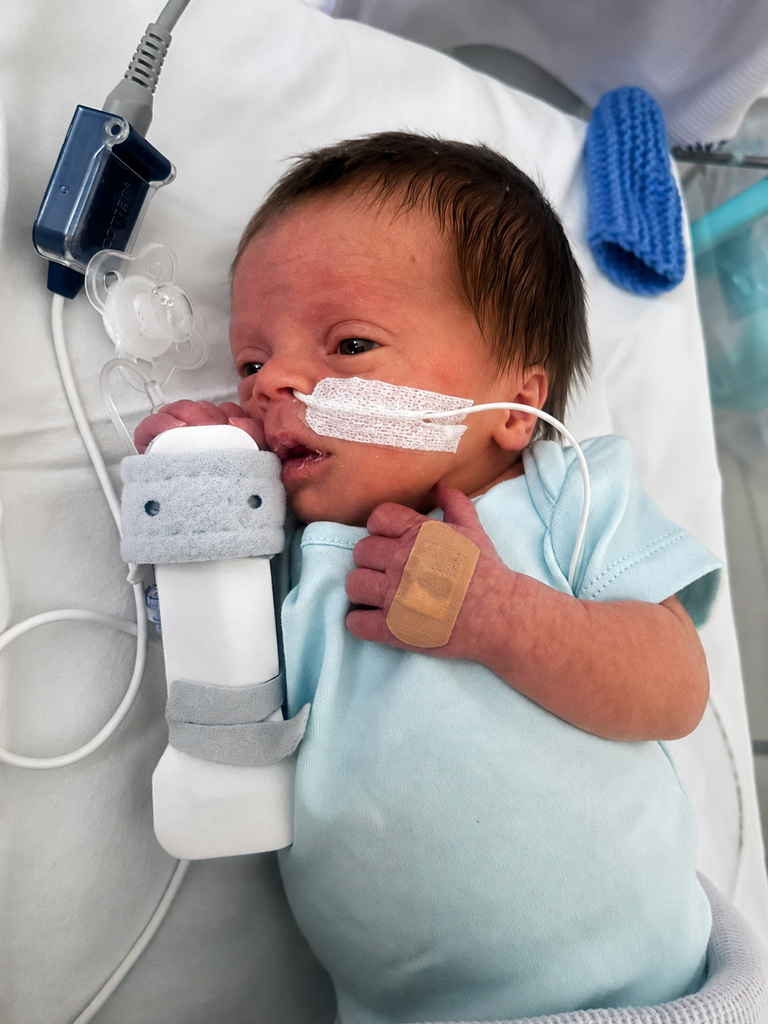
Archie was born at 38 weeks and almost immediately there were feeding concerns, low blood sugars and episodes where his oxygen levels dropped. At six days old he was diagnosed with congenital hypothyroidism, with further investigation showing that he had no functioning thyroid tissue. As the weeks passed, hypotonia (low muscle tone), developmental delay, sensory concerns and worsening gastrointestinal difficulties made it clear that several systems were being affected.
Finally having a name
When Archie was around three months old, rapid genomic testing identified a pathogenic PTEN variant and he was diagnosed with PHTS. After months of knowing something bigger was going on, we finally had a name.
PHTS is incredibly variable, something we can see within our own family. Archie inherited his PTEN variant from me, so I carry exactly the same genetic change, yet our presentations could hardly be more different. Jamie was tested too and does not carry the familial variant.
Archie now has multiple diagnoses and difficulties affecting his gastrointestinal system, development, muscle tone and strength, endocrine system, hearing, vision and immune system. There is still uncertainty around whether PHTS alone explains his whole presentation.
Archie has diagnoses, multiple in fact, but having a diagnosis and fully understanding what is happening to your child are not always the same thing.
Life with Archie now
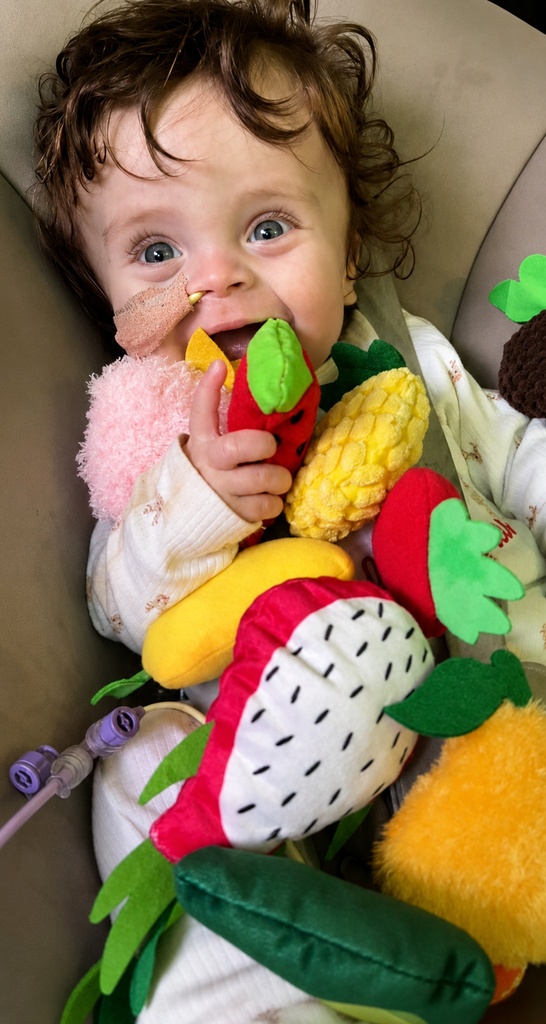
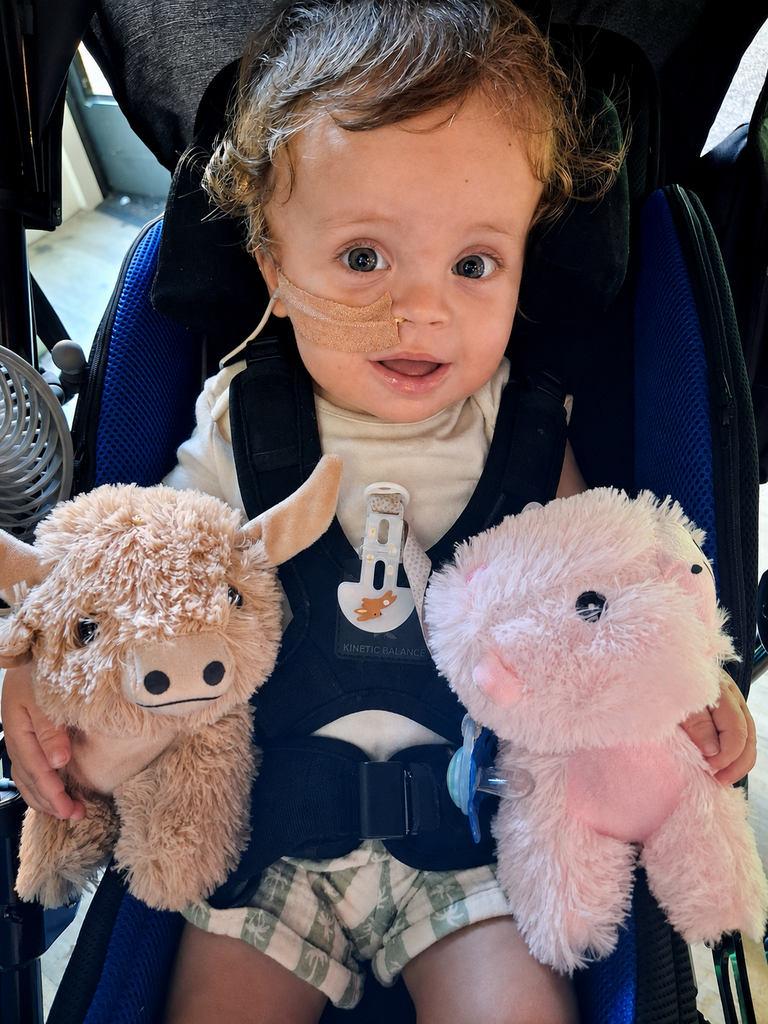
At 15 months old, Archie is completely nil by mouth and receives all of his nutrition through a nasojejunal (NJ) tube ending in his small bowel. He is fed for most of the day and still experiences significant vomiting, bowel problems, pain and gastrointestinal dysmotility. If feeds are interrupted, he can become vulnerable to low blood sugars.
Archie has made something of a career out of pulling tubes out. He will put up the fight of his life when another one needs to go back in, which is quite impressive for a little boy with significant hypotonia and no independent head control. Apparently, tube replacement and blood tests are where he keeps every last bit of strength in reserve.
Most of the time he is not especially bothered by food, yet when it is right in front of him his eyes can completely light up. Those moments are lovely and sad at the same time because the interest is there while his body currently cannot safely manage it.
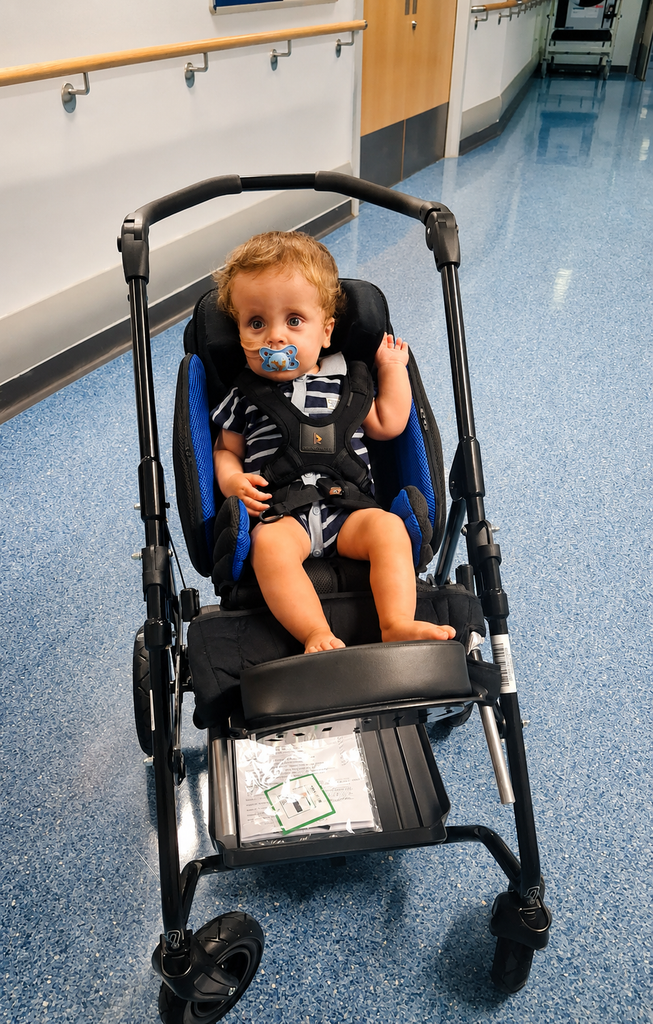
Archie cannot yet independently control his head, sit, bear weight or stand. He has hearing difficulties, significant light sensitivity and visual concerns still being investigated, alongside immunoglobulin A (IgA) deficiency, unstable thyroid function and problems managing his own secretions and vomit, which can cause choking and aspiration concerns.
His life involves several specialties, appointments, investigations, therapies, feeding equipment and multiple treatments. We permanently have a hospital bag ready at home and have reached the slightly ridiculous stage where we know whether the observations machine is happy with his temperature purely from the noise it makes.
For all his understandable suspicion of medical professionals, Archie captivates people. Consultants who have heard about him for months before meeting him often say some version of, “This is our first time meeting, but I’ve heard all about this one.”
The people he trusts get the full version of him. He is feisty, funny and makes himself known. He will tell you when he has got the hump, make it clear when he wants attention and regularly holds his hand out until I kiss it. He loves a good dance and manages to light up a room seamlessly even on difficult days.
Jamie, “Barchers” and being a big brother
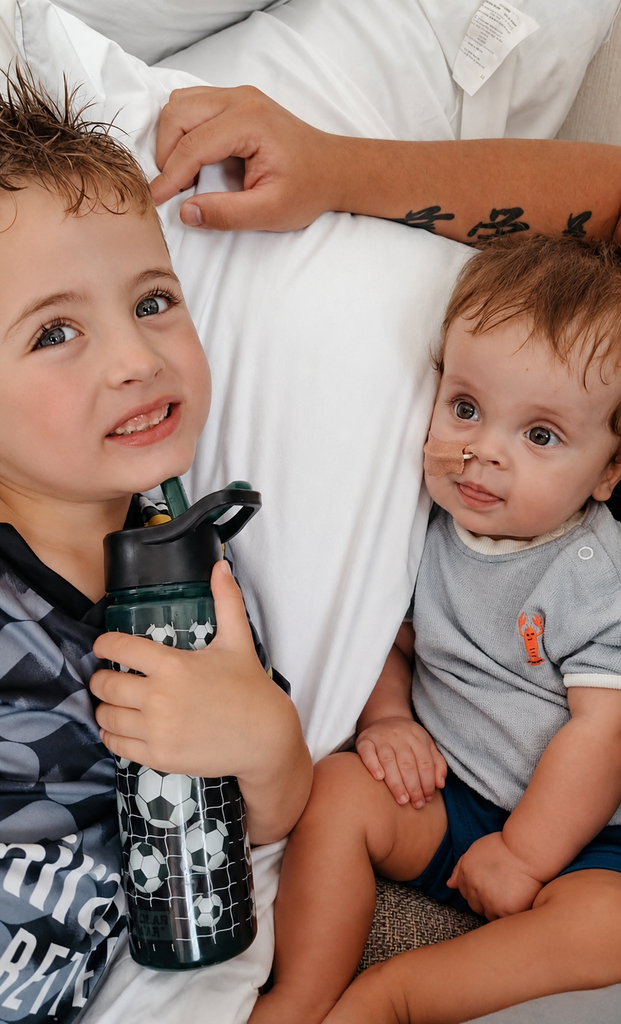
Archie’s older brother Jamie (aka J Dog), now five, is a huge part of this story too. He does not have PHTS, although having a medically complex little brother inevitably means rare disease has become part of his childhood.
Jamie has gone from calmness to growing up around hospitals, appointments, feeding tubes and plans changing at short notice. When Archie suddenly needs a surplus of our attention because he is unwell, we make sure Jamie knows that urgent does not mean more important.
He is also so proud of his brother. Jamie has stood up in school assembly and spoken about Archie, tells his friends all about his feeding tube and regularly calls them over in the morning to come and see him. If he knows Arch has an appointment or is admitted, his instruction is usually: “Tell those doctors to look after my brother because he is too precious.”
Somewhere along the way Archie also became “Barchers”. Jamie just came out with it one day and it stuck. He does not look at Barchers and see PHTS or medical complexity. He sees his little brother, happiest lying on the sofa with his tablet, watching the world around him and keeping an eye on his crazy big brother.
Their relationship reminds us that rare disease does not exist in isolation. It affects siblings (more than many clinicians realise) and family life too, which is why we repeatedly tell professionals that our boys come as a package.
Living with uncertainty
One of our biggest challenges is everything that remains unknown. We know Archie has PHTS, but we still do not fully understand why his presentation is so severe or how all his medical problems fit together.
Nobody can currently tell us with confidence whether Archie will eventually sit independently, walk, communicate verbally or eat by mouth, what level of medical and care support he may need as he grows or his prognosis. With Archie, we have had to learn to think in much shorter stretches of time.
We are not asking doctors to manufacture certainty where medicine cannot provide it. Archie’s dad and I would always rather hear an honest “we don’t know” than have difficult information softened for us.
What matters is that meaningful questions are still explored and that uncertainty does not become a reason to stop looking.
Why we keep pushing
Advocating for Archie has become a huge part of our lives. We understand how important comfort, symptom management and quality of life are. We simply believe appropriate investigation can sit alongside that, particularly where understanding something better could reduce his pain or improve his quality of life.
Unusually severe presentations need collaboration. Researchers sharing knowledge matters, specialists speaking to one another matters and sometimes somebody elsewhere may have seen something similar. There will inevitably be questions nobody can answer yet, and we can accept that. What we hope is that people remain curious about Archie and willing to learn from him.
If something learnt through Archie eventually helps another child or family, that would mean an enormous amount to us. Equally, we want the knowledge and curiosity that already exists in the medical world to help the little boy living this story right now.
The little boy behind the paperwork
Archie’s medical history is incredibly long for somebody who has only been here for 15 months. To a new clinician he can probably look like a massive pile of notes, appointments and unanswered questions. To us and everyone who loves him, he is simply our Archie boy.
He is feisty, hilarious, affectionate and completely Arch. He does not need to overcome his disabilities or be described as inspirational for us to be proud of him. We are proud of him because he is Archie and we love the person he already is.
We want him to have the safest, happiest and most comfortable childhood possible, included in family life and given opportunities that work for him. We want the same magic for Jamie too. Our hope is that both boys grow up knowing they were loved beyond words and that, even though family life turned out differently from anything we imagined, their childhood still belonged to them.
PHTS gave us an important answer about our son, although it did not give us every answer. Until we understand more, we will continue doing what we have done from the beginning: loving the little boy in front of us, making sure his voice is heard and trying to understand him as fully as we possibly can.
To follow Archie’s story, please visit; https://www.facebook.com/profile.php?id=61586160239909