Hope for a precision medicine for ADNP syndrome
Content sponsored by Oxford-Harrington Rare Disease Centre
Genie and Rowland’s rare disease journey
Typical of many busy families today, Genie Egerton-Warburton posts notes and calendars to a crowded household bulletin board. But some of the items on the Warburton board are unusual. There are sessions with occupational, educational, and physical therapists, visiting nurse and doctor appointments and a variety of reminders and charts. These entries are for Rowland, her 14-year-old son with a rare neurological disorder
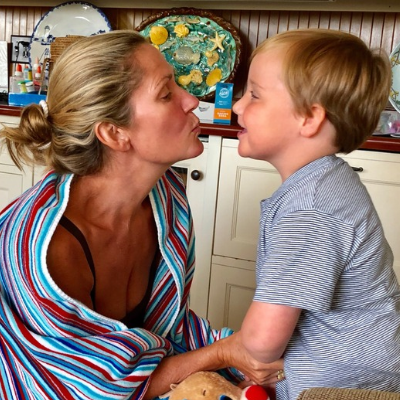
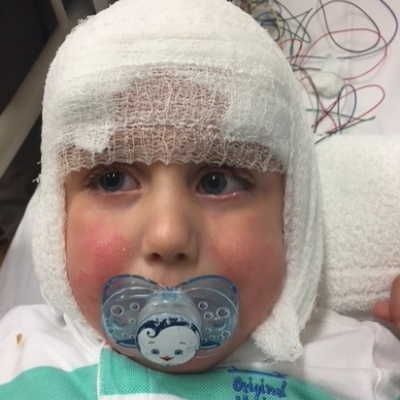
In 2016, Rowland Egerton-Warburton, then age four, was diagnosed with activity-dependent neuroprotective protein (ADNP) syndrome, a genetic autism disorder caused by variants in the ADNP gene. At the time, only 54 people in the world were known to have been diagnosed with ADNP syndrome, also known as Helsmoortel-Van der Aa syndrome. Today, there are 520 known cases, though with adequate genetic testing, there could be millions, Genie thinks.
Rowland’s diagnosis resulted from whole exome sequencing testing, which scans saliva and blood from the patient and parents to identify any gene coding anomalies. The finding was double-edged. Its classification as a de novo autism type meant neither parent shared the mutated gene with Rowland. But finally, they had answers to questions about early physical and behavioural signs and why their child’s development began normally, then stopped.
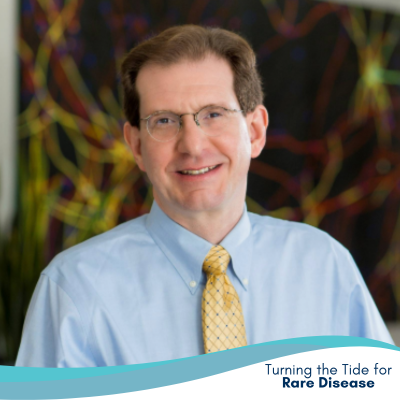
Through a personal connection, the Warburton’s were introduced to neuroscience expert and autism pioneer, Dr Joseph Buxbaum, the director of Seaver Autism Center at Mount Sinai (“Seaver”) in New York City.
“From our first meeting, Dr Buxbaum understood both the complexity of Rowland’s diagnosis and the emotional toll it takes on families,” Genie says. “His compassion and depth of knowledge gave us hope.”
A community working together
Something Genie noticed quickly upon meeting Dr Buxbaum was his emphasis on collaboration within Mount Sinai, across academic institutions and research centres and with families and advocacy groups.
As cofounder and coleader of the major international consortium dedicated to identifying genes mutated in autism, Dr Buxbaum’s efforts led to the identification of 250 “high risk” genes that, when mutated, can cause autism.
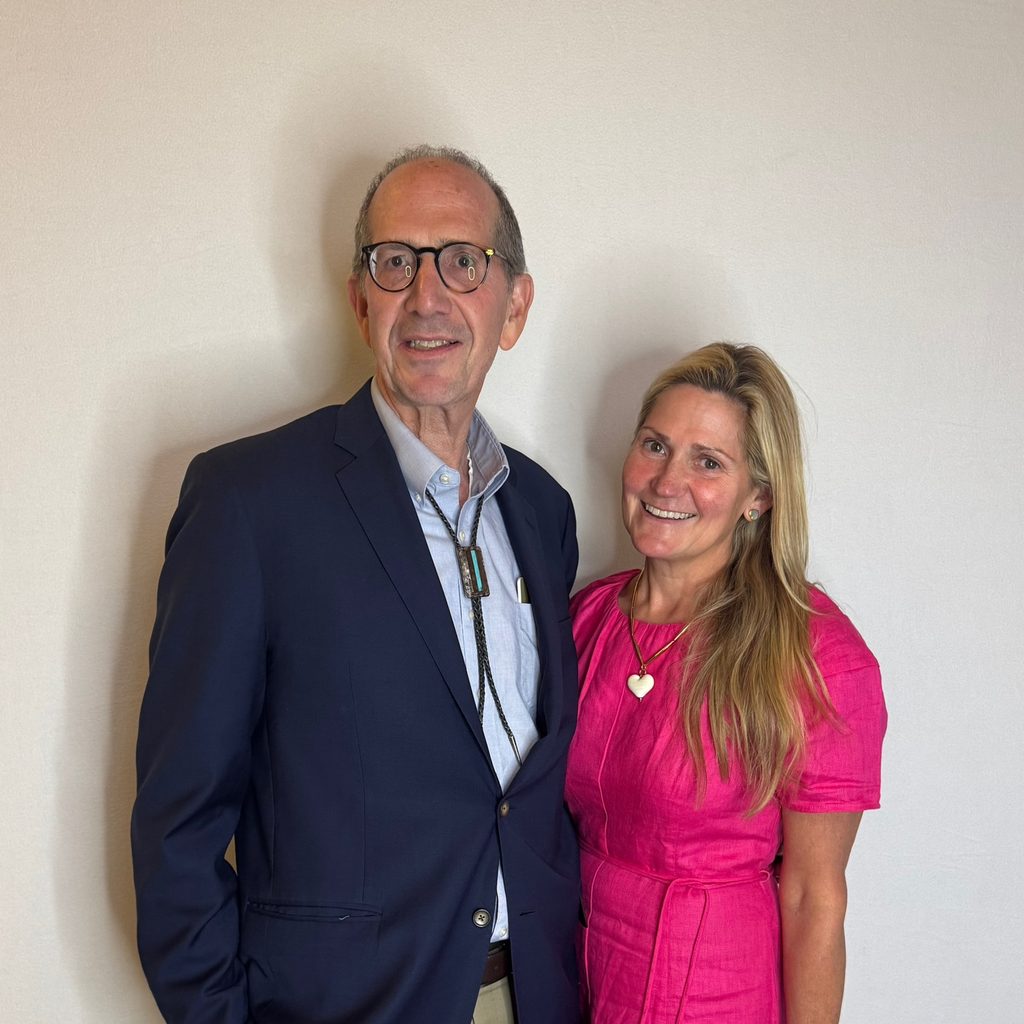
These findings set the stage for his current endeavor—the development of a novel treatment he hopes to advance to the clinic. His project is underway with support from the Oxford-Harrington Rare Disease Centre. The Oxford-Harrington Rare Disease Centre, a partnership between the University of Oxford and Harrington Discovery Institute at University Hospitals in Cleveland, Ohio, aims to advance 40 rare disease drugs into clinical trials by 2034. Today, the partnership has more than 50 drugs in development—reflecting the urgency of unmet need and the strength of its model.
Genie describes the rush of optimism knowing that Dr Buxbaum is collaborating with scientists around the world and continually pushing research forward.
“It gives us confidence that meaningful progress is being made, not only for Rowland, but for so many others living with intellectual disabilities and rare syndromes,” she reflects.
Rowland has participated in research studies and clinical trials, including a ketamine trial at Mount Sinai and has tried various medications to alleviate symptoms.
“Small improvements, like getting a full night’s sleep, have made an enormous difference for Rowland and the entire family,” Genie says.
A potential disease-modifying treatment
“There is no existing disease-modifying treatment today that can alter the course of autism,” Dr Buxbaum explains. “We aim to change that with a new approach to gene therapy because we’ve found that many causes of autism are rare genetic mutations.”
With the expertise and drug development input from his Oxford-Harrington advisors, Dr Buxbaum hopes to demonstrate a potential ADNP precision medicine that overcomes limitations often associated with gene therapies, such as immunotoxicity and therapy specificity. If successful, there’s potential for applying the approach in other genetically defined neurodevelopmental disorders.
Dr Buxbaum and collaborators have screened thousands of compounds, narrowing the possibilities down to a few dozen. They are now running tests to identify a lead compound to test in disease models of ADNP syndrome.
“I see how much my Oxford-Harrington advisors know about the drug development pathway and how they are able to anticipate as we take steps toward advancing this therapeutic approach,” Dr Buxbaum says. “They have a different perspective than somebody who’s been focused on more basic science questions and who’s spent twenty years looking for the disease cause.”
Involvement is key
At Dr Buxbaum’s suggestion, the Warburton’s joined the Seaver Autism Center Associates Board.
“Since 2016, my husband, Jamie, and I have toured the labs, attended annual symposia and seen firsthand the forward-looking work his team is doing,” Genie says.
As an educator herself, Genie was naturally eager to learn all she could about Rowland’s rare disease, and it didn’t take long for her to feel compelled to share her story as a parent of a child with rare disease.
“There’s a need for much greater understanding of profound autism,” she says. “Too many families struggle to access the services and resources their children deserve. I’m committed to helping other parents understand what’s available, from early intervention to educational and therapeutic services, so they don’t have to navigate this journey alone. Another important piece is access to genetic testing.”
Genie believes strongly that earlier and extensive testing can help families get answers sooner so they can begin to connect with specialists, therapies, support networks and research opportunities. On the science side, testing and sharing results throughout a wide network allows researchers to identify more individuals with conditions like ADNP syndrome.
“Building larger cohorts is essential to advancing our understanding of these disorders, attracting research funding, and developing better treatments,” Genie says.
Never give up
“Autism disorders and disabilities are pretty much for life,” Dr Buxbaum says. “They come at a great cost to the individual and the family. Knowing we might be able to advance to a point where we can make a difference for those individuals is very gratifying.”
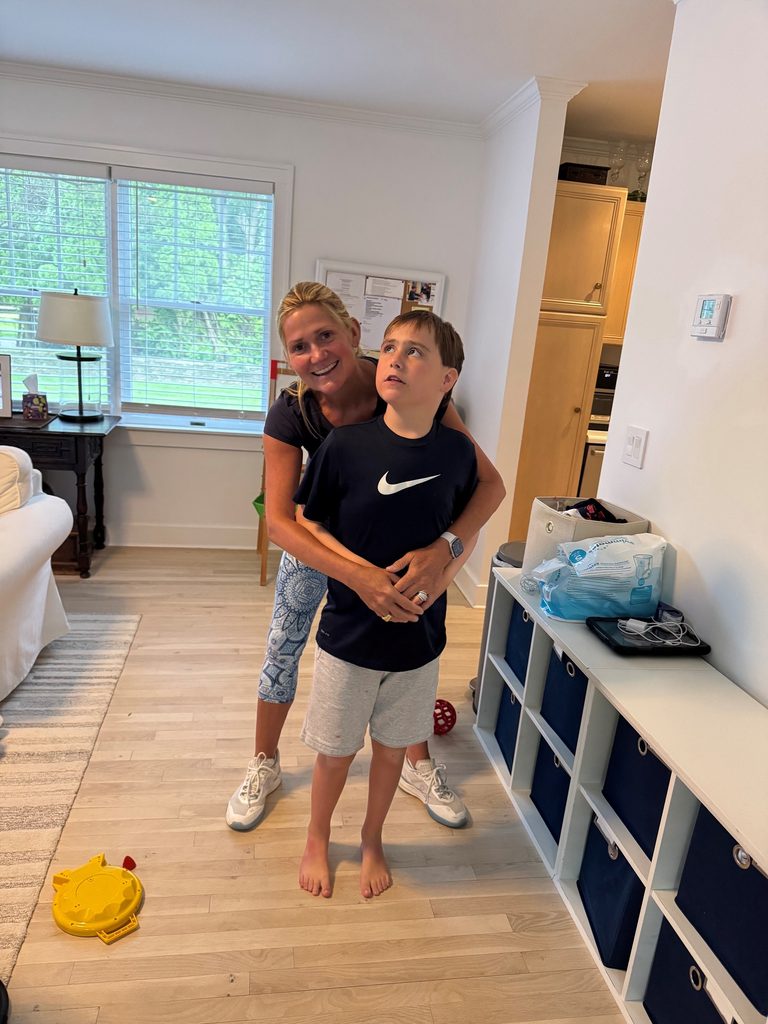
Although she says hope is something she works at every day, Genie draws strength in her faith, as well as her interactions with families who are walking the same path with rare disease.
“Progress —no matter how gradual—is possible,” she says.
“Investing in rare disease research at the global level is more impactful than studying a small group of people. It gives every child and every family hope no matter the obscurity of the disease. Every new discovery brings us closer to a brighter future.”
https://www.oxfordharrington.org/