Glycogen Storage Disease Awareness Week 19-25 October 2026
Bronte’s Story
This week is Glycogen Storage Awareness Week. Most people are unaware of this, as these are ultra rare diseases. AGSD-UK is a national support group for those affected by GSD and their families.
Glycogen storage disease is a group of rare metabolic disorders caused by different inherited genetic mutations that affect the body’s ability to metabolise glycogen.
This challenging condition affecting the liver and/or muscles can have an impact on every aspect of daily life. Its multiple variants have differing symptoms, management and prognosis and may be life-limiting or threatening, leaving some dependant on artificial ventilation or mobility aids or in need of liver transplant.
It can be particularly severe in children with many needing enzyme infusions or careful glucose monitoring, minutely managed 24-hour cornstarch diets and nasogastric feeding, with frequent hospital trips. Doctors face significant challenges when diagnosing GSD because of its rarity, overlapping symptoms with other conditions, and the large number of distinct subtypes.
Bronte Thomas Bush from Norwich, was just 14 when she was diagnosed with McArdle’s disease (GSD Type 5). The disease is a rare genetic condition where the body cannot properly break down muscle glycogen for energy. In young people, it typically manifests as severe exercise intolerance, causing early muscle fatigue, cramping, and pain during the first minutes and throughout all intense activity.
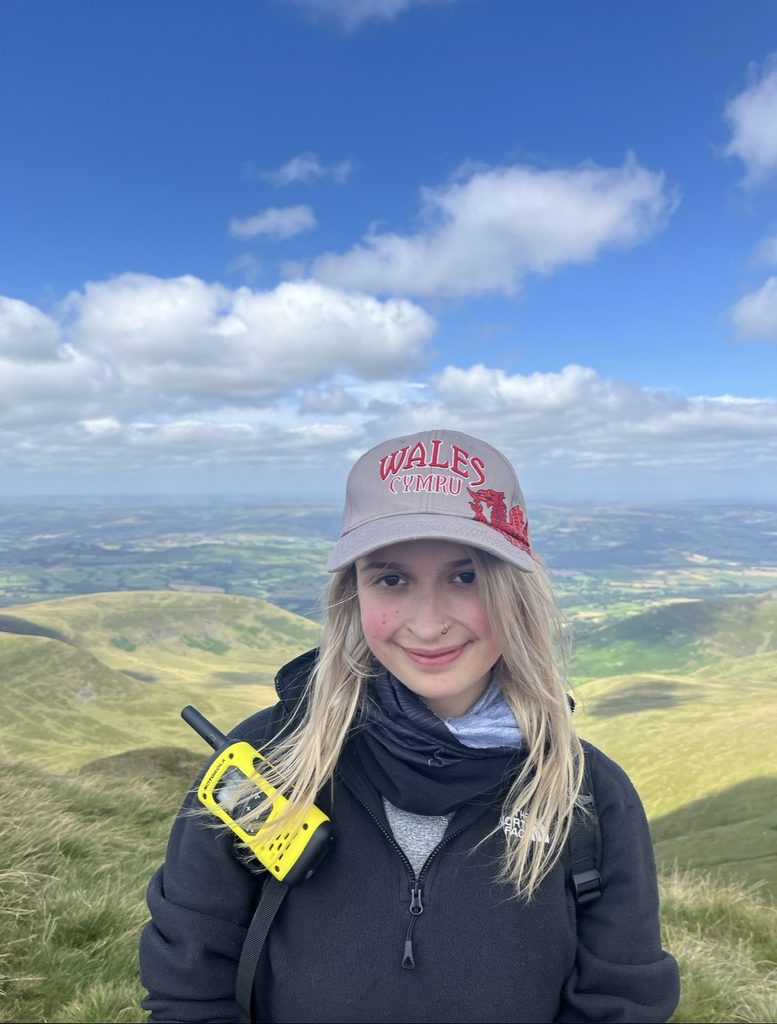
Bronte said; “Since I was very young, I had always been in pain walking and had a lot of fever symptoms. My mum would tell me that I’d always scream and cry whenever she’d take us on walking holidays and would have to pick me up. We went to the doctors for years, and they gave us many different diagnoses, one of the most common ones was growing pains, exercise intolerance or I was just lazy.”
“My mum kept going back to the doctors and eventually we saw a locum at my local clinic, who put me on for some blood tests and CK (Creatine kinase) tests. My CK was incredibly high, 32,000, A small amount of CK in the blood is normal from everyday wear and tear but when muscle tissue is stressed, inflamed, or damaged, cell membranes break down and release excess CK into the bloodstream. Finally, after referral to hospital for genetic and other tests, I was diagnosed with McArdles disease.”
Daily life is tough for Bronte and her family, having to manage her pain symptoms, fatigue, and making sure she is not overdoing anything.
Bronte went on to say ; “Considering I’d been active for over half of my life, learning to slow down and listen to my body was incredibly hard. I also had to give up on certain careers I wanted to take part in, and for a while I just didn’t do anything. My family were worried about me after diagnosis, but I managed to find an amazing community with AGSD-UK, and I started strengthening my muscles by working out slowly, and over time my symptoms and mental health have become better.”
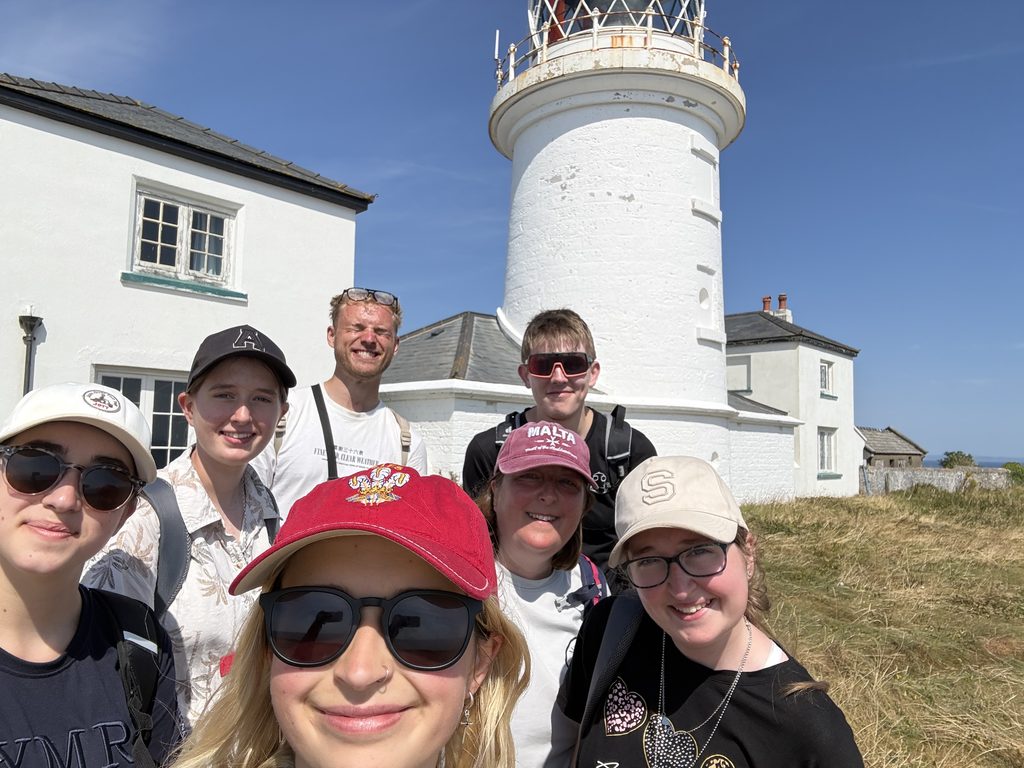
Undaunted by her diagnosis Bronte decided to help other young people who were suffering from the condition. Her mum took her on an AGSD-UK walking course in Wales for other people with McArdles disease. She managed to open up and talk to the others in the community and later started volunteering on the young person’s segment on the course, whilst still attending the adult’s course as a participant.
Bronte said. “The walking course and the community have completely changed my life. I was a young, scared girl who stayed in her bedroom, dropped out of high school, and didn’t interact with anyone when I was first diagnosed. Now I am the main leader of the course and am involved in AGSD-UK’s widerwork with people affected, I’m going to train to be a PE teacher and I have a personal training qualification.
“What I enjoy most is the passion it’s given me, the drive to help others, and most of all the community of people who truly understand what it is like to have such a lonely disability. I went from believing that no one else would ever understand how I felt, to making some of my best and closest friends, finding family, and finding a passion for helping others.
“I hope through these events young people can find a community who lift them up, make them stronger, and understand them. The mental toll of being ‘different’ and massive parts of your life changing after diagnosis is just as big as the physical effects. The best thing I’ve ever done for my mental health was interact with the AGSD-UK community.
“Now, I find sharing these experiences so valuable to guide the youngest members of our community through growing up with the disease. I know it can be incredibly daunting to reach out, ask for help and advice, or even attend the walking course, but my hope is that we will have more young people come, even just once, and experience it, experience the community and go away feeling so much better and stronger for it.
“I hope they have found a family and their journey with McArdles will become easier because of it. I now know the future is bright for me, and I am supported and loved with my condition, and I wish the same for them.”
Chief executive of AGSD-UK, Val Buxton, said;
“For young people affected by glycogen storage disease, living with such a rare and little understood condition can be incredibly challenging. That’s why the efforts of community members like Bronte to help empower othersare so important.
“AGSD-UK’s events, like the McArdles walking courses and youngerpeople’s discussion sessions, are invaluableopportunities to come together with others who can relate to their experiences and sharestrategies for living well with the condition. Community members have described the connections they’ve made,and insights gained at these events as life changing. We’re so grateful to everyone who supports AGSD-UK’s vital work their behalf.”