A day in the life: living with ataxia telangiectasia—Reece’s story
Diagnosed with ataxia telangiectasia, Reece faces progressive mobility loss and severe fatigue with remarkable resilience. His mum, Kerry, shares a glimpse into his daily life—the challenges and his enduring spirit
Written by Kerry Taylor-Smith
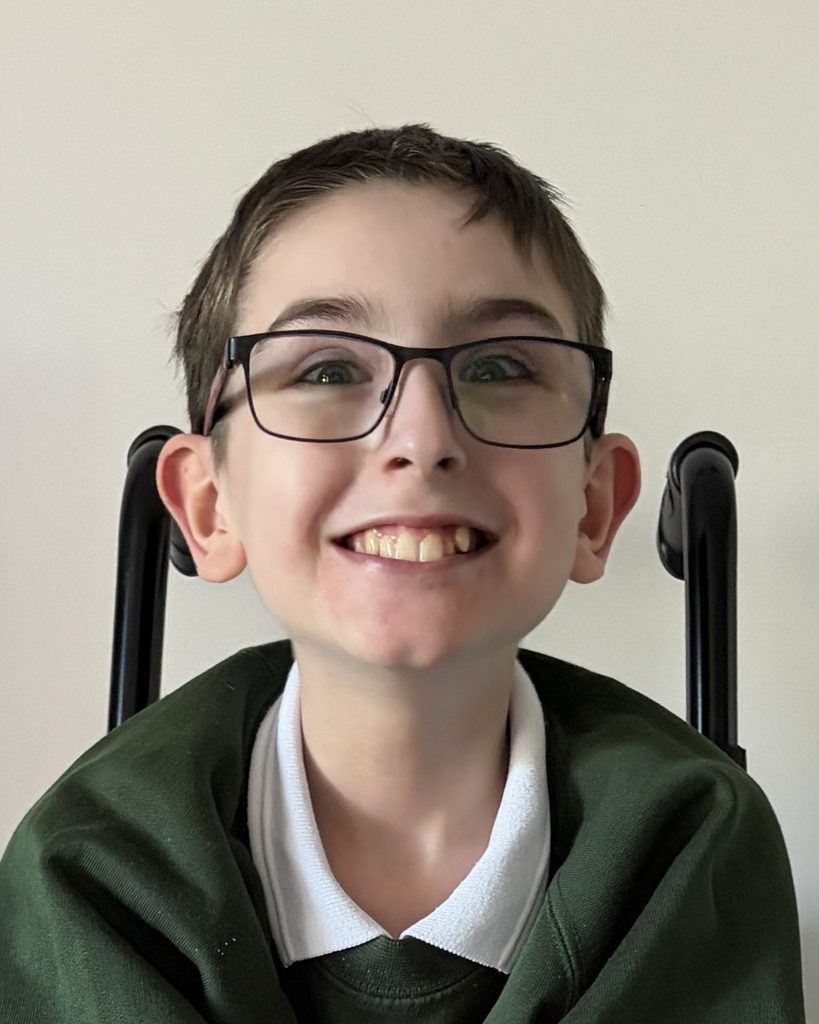
When Reece was born, there was no indication that he had a rare condition. He was happy and healthy and was hitting all his milestones.
As he got older, a few people mentioned he seemed a little wobbly at times, but we weren’t concerned—he was just a bit awkward.
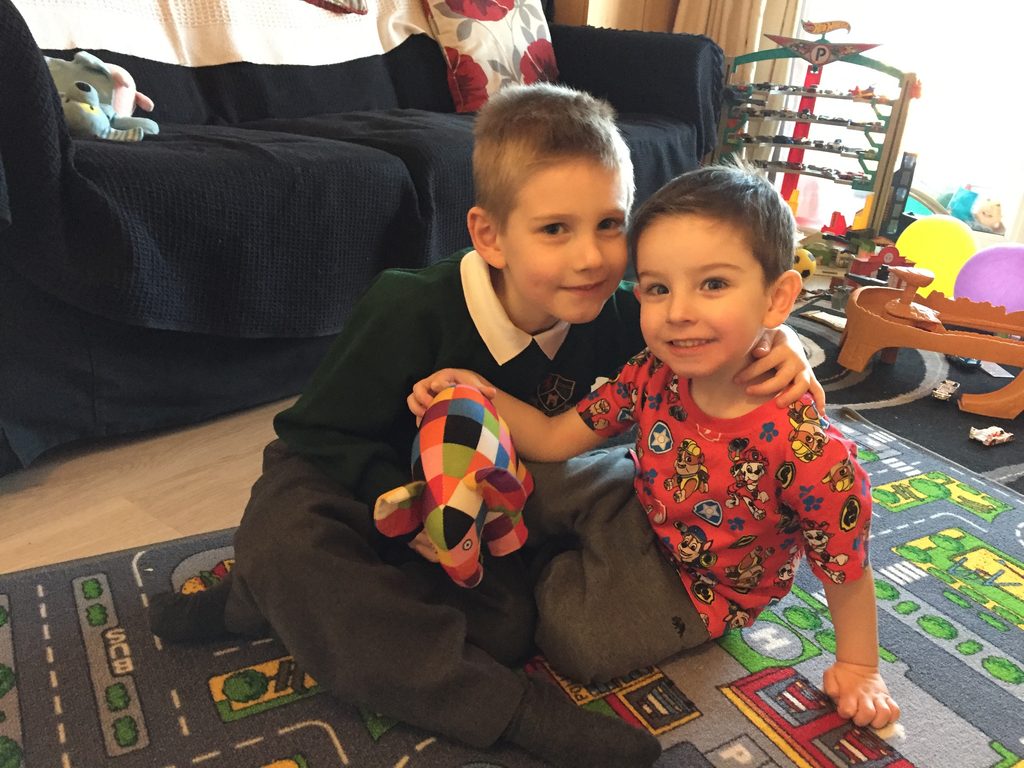
Reece loved running around and playing football with his big brother and helping me in the kitchen, especially baking cakes!
When he started primary school, Reece’s teacher mentioned he was a bit unstable, often bumping into things and struggling with motor skills, so suggested a trip to the GP. After seeing a paediatrician, neurologist, physio and occupational therapist he was diagnosed with dyspraxia. It seemed to explain everything, and we were happy with the neurologist’s assessment that “this was simply just Reece”.
But his physio had a niggling feeling that it was something more. And she was right—an MRI revealed he has a small cerebellum, while genetic testing revealed Reece has ataxia telangiectasia (AT).
AT is a rare, life limiting condition. Around 200 children in the UK have a diagnosis of AT, which is caused by a mutation on the ATM gene. This prevents them from producing the ATM protein, which is important in many processes in the body’s cells.
The condition is complex; it affects a child’s mobility and immune system and increases their risk of cancer, but not all children are affected the same. We like to think of Reece at being at ‘the good end of the spectrum’—overall, he’s healthy and managing well.
But it’s a cruel condition. I remember Reece running around a local school racetrack as part of Sport Relief when he was in reception—he was running as fast as his little legs could carry him and I honestly thought he was going to fall over! By the age of 9, he was making regular use of a wheelchair to get to and from school and was finding everything a challenge.
The worst part of his condition is the sickness and fatigue. Most mornings, Reece will need to be sick to clear the secretions on his chest. This can happen two or three times and leaves him feeling really tired—some days he makes it to school, some days he doesn’t.
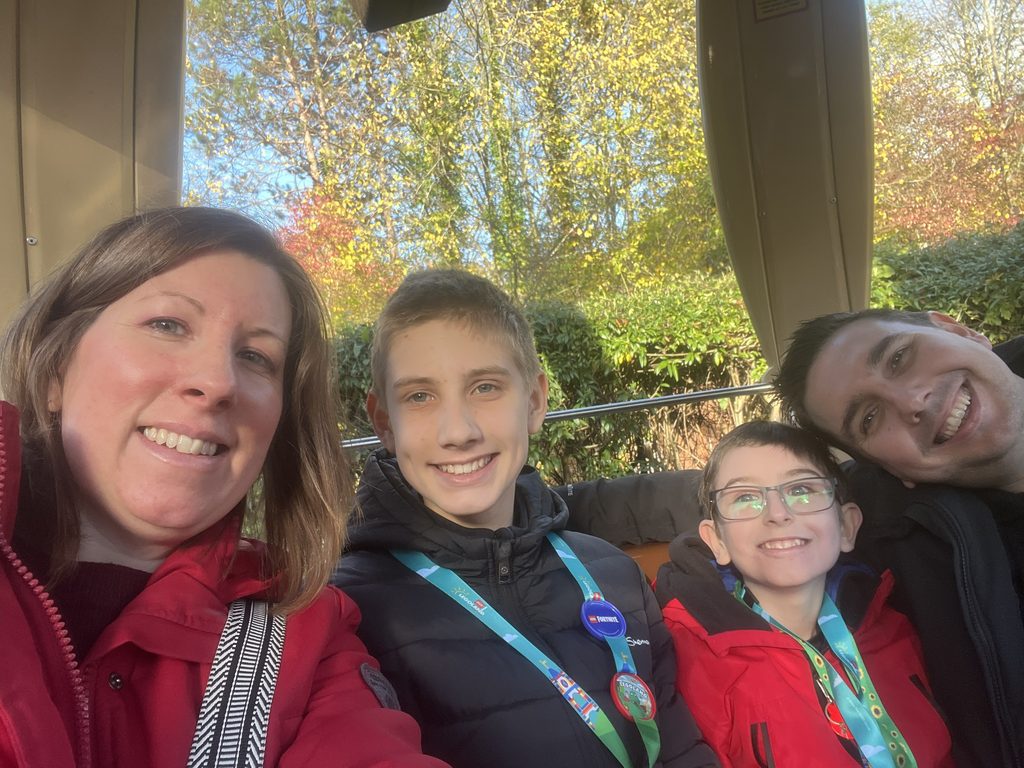
On a bad day, Reece won’t leave the sofa because the fatigue is so bad. This makes it difficult to plan things, like trips to Legoland (his favourite place), as we have to be mindful of how tiring the day could be and how long he’s going to be paying for it afterwards.
I’ve heard people with chronic fatigue liken their energy levels to a certain number of spoons—one spoon for this, two for that, and once they’ve used all their spoons, they’re spent. It’s a bit like that for Reece, and it can take him a long time to recuperate.
Sticking with spoons, Reece also finds eating tiring. It takes a lot of effort for him to coordinate his movements and for him to chew certain foods. Most meals are sauce or gravy-based, meaning it’s easier for him to chew and swallow, but even then he doesn’t eat enough. He is massively underweight, as are most children with AT, which only adds to his lack of energy and fatigue.
He also suffers with restless legs. Whether this is a neurological aspect of the condition, or down to the fact he’s no longer moving as much, we don’t know. But it means he needs daily leg stretches just before bed. If they’re particularly bad, the restlessness affects his sleep which only makes his fatigue worse.
People with AT often have recurrent infections, especially in the lungs, so to keep them healthy Reece also has to do breathing exercises. He finds these quite boring—there are only so many bubbles you can blow—but he knows it’s a necessary part of his day.
Every two years, Reece has to attend a specialist AT clinic in Nottingham. Over the course of two days, we meet with different specialists and check in with the AT Society, who we were put in touch with when Reece was first diagnosed. They’ve been so supportive, training staff at both his primary and secondary school in the condition and what to expect, and being on hand to answer queries or listen to our frustrations.
Reece is incredibly resilient. I can’t imagine what it must be like to gradually lose your mobility and independence and watch all your friends around you continue to do all the things you can’t do anymore.
But he faces (almost) every day with a cheeky smile, a smile that can get him anything he wants—and he knows it, he has everyone wrapped around his little finger!