A paw-sitive diagnosis: how our rescue dog, Nash, helped my daughter embrace her rare disease
Written by JoBeth Souza
JoBeth Souza’s daughter was diagnosed with X-linked hypophosphatemia when she was a child. She shares her daughter’s journey with rare disease—a journey of resilience, acceptance and finding strength and purpose from a new furry family member
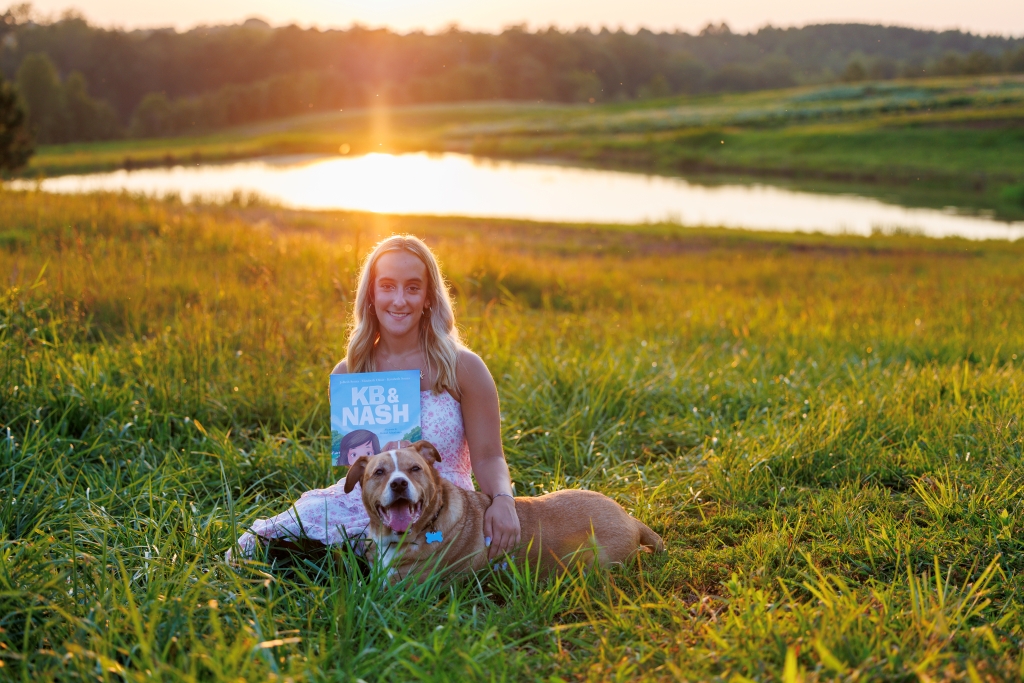
Our family’s rare disease journey began nineteen years ago with the birth of my second child. Karabeth, or as we call her, KB, was born with X-linked hypophosphatemia or XLH for short. Of course, we didn’t realise it then. It wasn’t until she began to toddle at around 14 or 15 months of age, that we thought something may be wrong with KB. She never attempted to stand or walk without assistance. Also, when she did toddle, she would in-toe (point her toes inward) and drag her left foot. We visited with her paediatrician who completed an examination. Our doctor said she was fine, just slow to walk, but I wasn’t convinced.
A few months later, our family went on a beach trip with friends. The couple had two children who were about the same age as our children. While we were on that trip, I was constantly comparing KB to their son. Although he was a couple of months younger than Karabeth, he was literally running circles around her. The couple could tell our family was worried about Karabeth’s walking delay. In addition, KB’s legs had started bowing. They encouraged us to see a specialist. So, after the trip, we made an appointment with an orthopaedic surgeon.
The orthopaedic surgeon examined her and ordered blood work. An abnormality appeared, unfortunately. Her calcium levels were fine, but her phosphorus was extremely low. The surgeon diagnosed Karabeth with X-linked hypophosphatemic rickets. When I left the surgeon’s office, I remember sitting in my car and crying for two hours. I was devastated to learn that my baby girl had a rare disease. I felt so alone that day…like I was on a deserted island she too would face over her lifetime.
Finding community
I immediately began searching the internet for any information regarding XLH. And to my surprise, I found an organisation called the XLH Network, Inc. In those days, it was merely a Listserv (an email based discussion group), but it was my beacon of hope for KB. I was able to connect with other XLH patients and parents of XLHers who had been living with the disease. It was my opportunity to learn as much about XLH as I could in an effort to help my daughter.
Through the network, I learned that XLH is a lifelong rare disease that affects up to 1 in 20,000 people. XLH impacts bones, muscles and teeth of XLH patients. This is due to excessive loss of phosphorus. Symptoms of XLH typically increase as patients age. XLHers have a mutation in a specific gene called the PHEX gene. This mutation causes the body to produce too much of a hormone called fibroblast growth factor 23 (FGF23). This protein attaches to kidney receptor cells inappropriately and when the level of FGF23 is elevated, too much phosphorus is depleted from the body by the kidneys. This process, known as phosphate wasting, causes the level of phosphorus in the blood to drop too low. This is known as hypophosphatemia, which can lead to soft bones and teeth, weak muscles, extreme fatigue and a host of other symptoms, including frontal (forehead) bossing and short stature.
As we continued to learn more about XLH, we knew KB would need to be treated by several specialists. The specialists included an endocrinologist, orthopaedic surgeon, physical therapist, her paediatrician and later on, a psychologist.
Navigating treatment and challenges
In addition to trying to increase her phosphorus to an appropriate level, we also focused on her significant leg bowing. When she was 18 months, KB started wearing braces. The braces attached at the heel of her shoe and went all the way up to her hip. The braces didn’t bend at the knee, so it was difficult for her to walk or to sit on the floor with other children at her preschool. Karabeth would have to use her upper body strength to be able to sit down on the floor or to get up off the floor. The doctors required us to put her braces on first thing in the morning when she woke up. She wore them all day, until we took them off at the end of the day before bath and bed. As you can imagine, the braces drew unwanted attention and made KB very self-conscious from an early age.
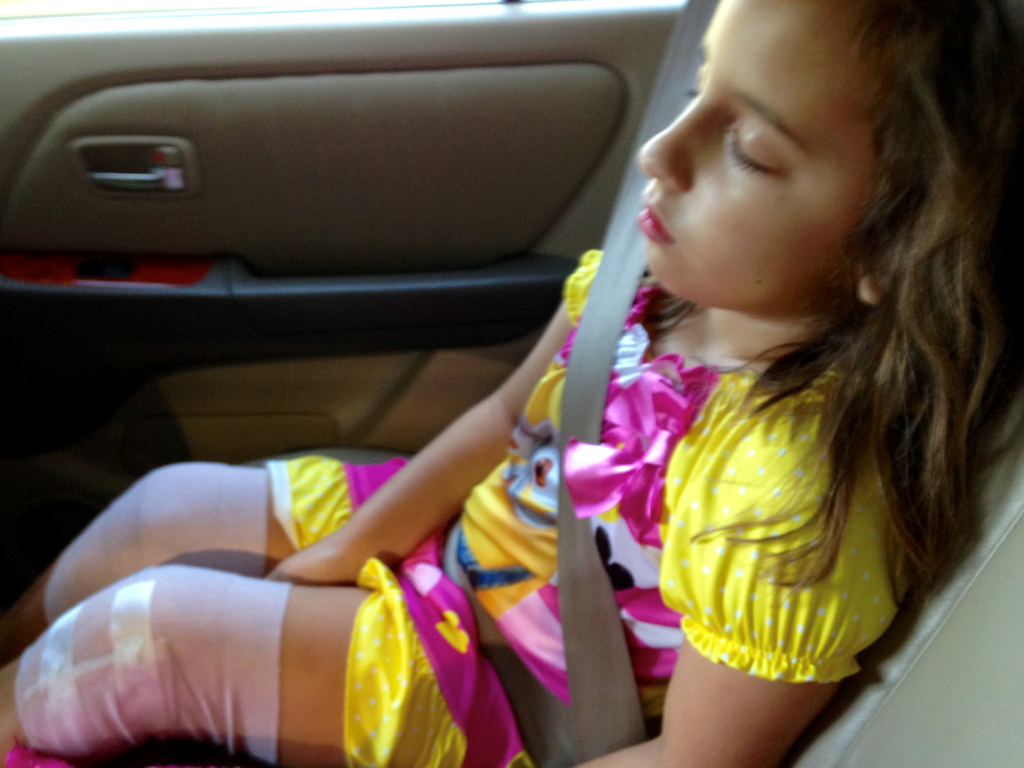
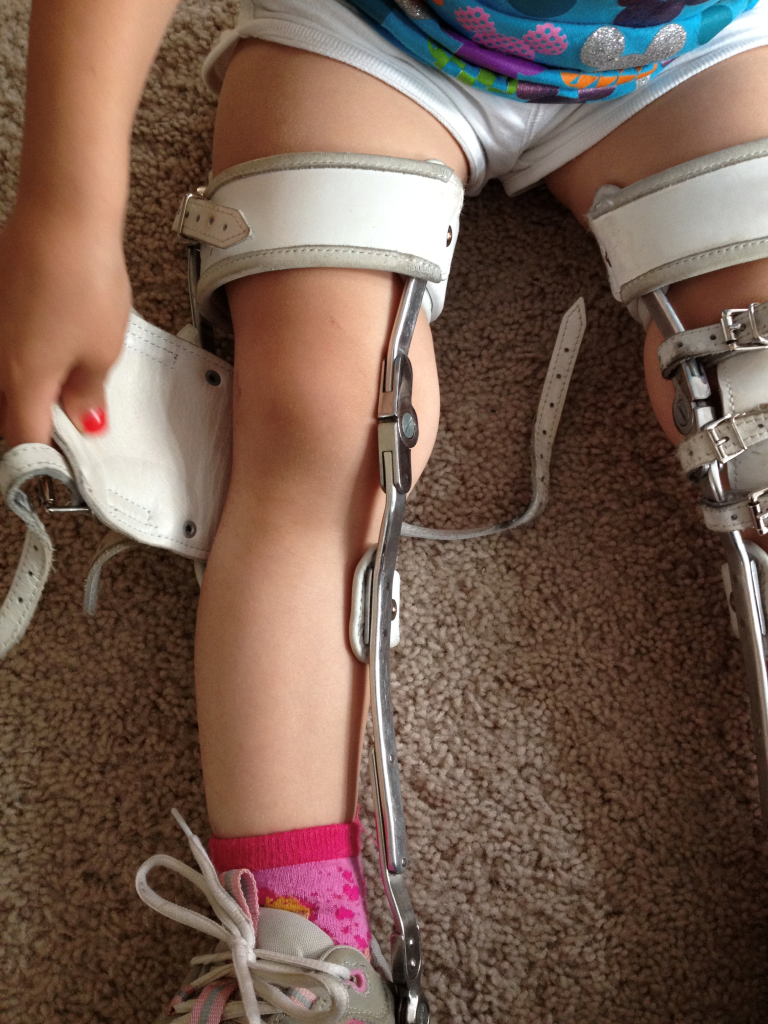
Prior to her entry into kindergarten, we met with an orthopaedic surgeon located two hours away from our home town. The braces were clunky and cumbersome, and with no bend at the knee, we couldn’t envision sending KB to our local elementary school. How would she sit “criss cross applesauce” (cross legged) for story time? How would she be able to play outside at recess? How would she climb the stairs of the bus or the stairs at her school? The visit to the orthopaedic surgeon afforded us the opportunity to learn about other devices, besides braces, that could help straighten her legs from the bowing.
During her lifetime, Karabeth’s legs have alternated between being bowed and knock kneed. She has had six double knee surgeries, which hasn’t been easy physically or mentally for her. She has also missed a fair amount of school due to doctor appointments, surgeries and recoveries.
Finding acceptance through Nash
Karabeth has a strong personality. She is determined not to let XLH stop her from accomplishing anything she sets her mind to. I tell her often that she is the bravest person I know for the way that she navigates her rare disease journey.
But she compares herself to her friends and she has always been very shy about the shape of her legs, the scars on her knees and her short stature. Some of this changed though when we met our dog, Nash, eleven years ago.
My children and I had stopped at a local pet store. The store was holding a pet adoption fair. As we entered the store, we walked by a foster mom, who was holding a golden coloured puppy over her shoulder and he was fast asleep. We stopped to talk to her. She told us the pup had been rescued from a hoarding situation. She explained that Nash was one of six puppies that had been kept in a cardboard box for nine weeks and he was the sickest of the litter. She said that he had rickets and required treatments to improve his soft bones.
Karabeth was amazed to learn that a dog could have rickets. We left the adoption fair very excited about Nash. That weekend KB told her grandparents and friends that we were going to adopt a dog and not just any dog, but a dog that had rickets just like her! My mother commented that she had never heard Karabeth acknowledge that she had rickets. That same weekend, I overheard Karabeth explaining her rare disease to her best friend.
Soon after, Nash came for a home visit. The foster mom showed Karabeth a picture of the dog the day after he was rescued. His legs were bowed from lack of nourishment. My daughter immediately pulled up her pant leg to show the curve in her leg and her surgery scars on her knees. I was speechless and my eyes filled with tears. This was the first time that my daughter was accepting of her rare disease—all because of a rescue dog.
Embracing advocacy and hope
Eleven years later, we continue to be so happy to have Nash in our family. He has provided therapy for KB. Our special dog helped our daughter see that it is okay to be different. She came to realise that everyone has their own “rickets” to deal with. Of course, it might not be rickets, it could be some other rare disease. We all have a cross to bear and when you accept that, then you can become more at peace with yourself and the world.
I’m so glad Nash found us. As a parent with a child with XLH, I am constantly searching for the “Nash” or the thing that will make KB’s rare disease journey better. I’ve quickly realised the importance of connecting with other patients and being an advocate for XLH.
As KB has aged, she too has become an advocate for her rare disease. In 2024, KB wrote and published a children’s book based on her real-life rare disease journey and the impact that Nash had on her life. Since then, she has been asked to speak at pharmaceutical conferences, schools, book clubs and book stores about her book. As a college freshmen, she is studying to be a paediatric physical therapist. She hopes to provide empathy, support and assistance to other children who may be navigating a rare disease.
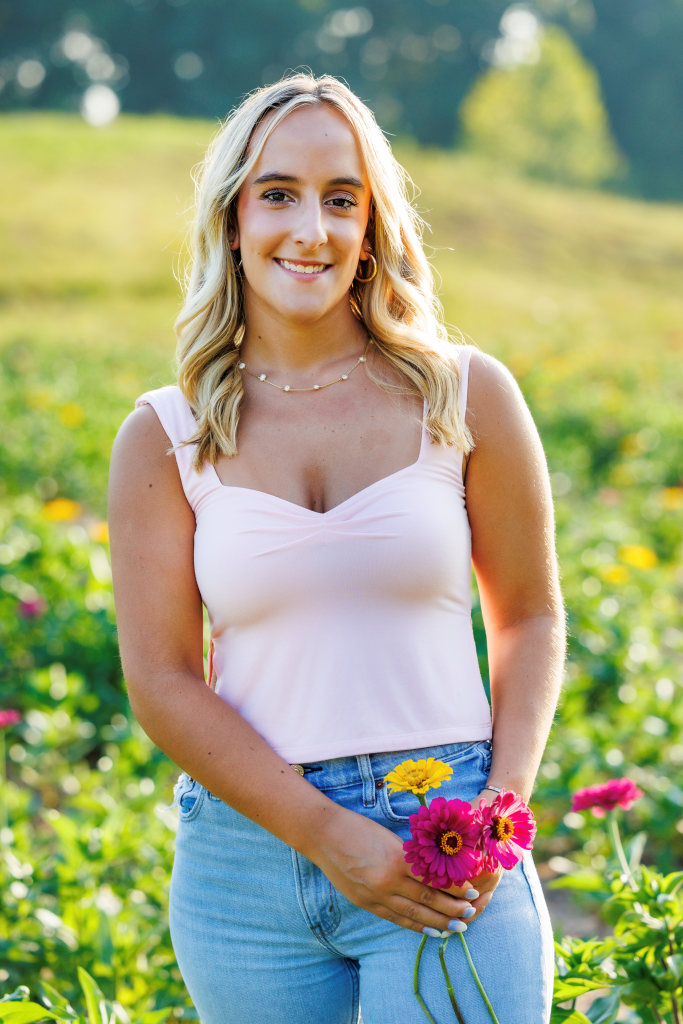
XLH is a lifelong disease that will need to be managed the rest of KB’s life. KB will need to learn her limitations and what is best for her while aging. As her parent, my hope for Karabeth is that she learns to accept herself, she continues to advocate for all XLH patients and she continues to be a positive force for the rare disease community in general.
Rare Patient Voice, A Konovo Company, are the proud sponsors of the Patient Voice section of RARE Revolution for February, March and April 2026. They provide patients and family caregivers an opportunity to participate in all types of research including market research, health economics outcomes and real-world evidence, user experience/human factors studies and clinical trials. The RPV community includes over 185,000 patients and family caregivers across more than 1,500 diseases, both rare and non-rare, in nine countries. Learn more here.