Aortic Hope: connecting hearts one beat at a time
Having survived an aortic dissection, Carin Anderson turned a frightening experience into one of hope, founding the charity Aortic Hope to provide support and awareness for others with aortic disease
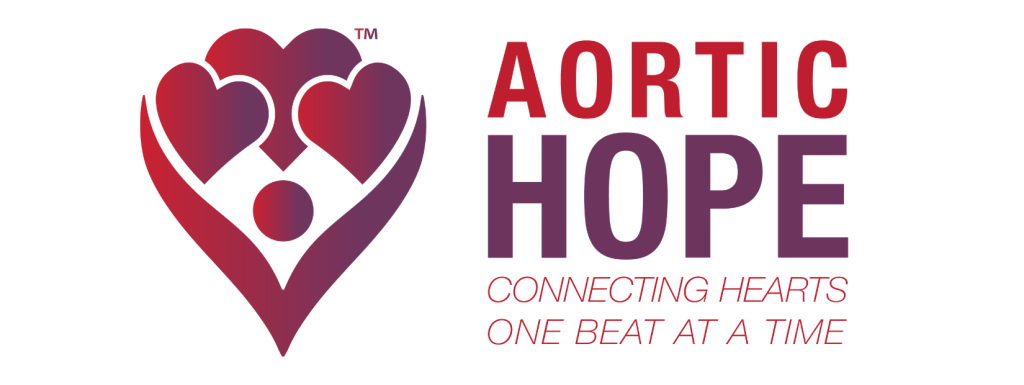
Written by Carin Anderson, founder and chair of the Board, Aortic Hope
In 2015, I survived an aortic dissection—a rare, sudden and often fatal tear in the inner lining of the aorta, the body’s main artery. There were no warning signs, no prior diagnosis of an aneurysm and no clear symptoms. Life changed in an instant.
I felt what seemed like a small pop in my neck, followed by a brief but terrifying loss of sensation in my arms and legs. After a rapid evaluation and CT scan, the diagnosis was confirmed: an acute aortic dissection.
There was no time to process—only time to act. I was transferred to the University of Maryland Hospital for emergency open-heart surgery. Survival depended entirely on speed, skill and timing.
Recovery was long and difficult, physically and emotionally. It required cardiac rehab, physical therapy and mental health support for PTSD (post-traumatic stress disorder). Over a year, I rebuilt my strength and identity. “Carin 2.0” emerged—changed, but purposeful.
Aortic dissection is often called rare, occurring in about 3–6 people per 100,0001 per year compared to heart attacks in the hundreds per 100,000. It is also frequently missed on first evaluation. Many well-known individuals have died from aortic disease without warning, and there is often a genetic or familial link.
Not all cases are caused by aneurysms, which can go undetected for years. Because symptoms are often absent or mistaken for other conditions, aortic disease is known as “the silent killer.”
After surviving, I chose to turn survival into service. I co-founded and serve as chair of the Board for Aortic Hope and serve as president of Think Aorta US.
Think Aorta US educates first responders and physicians to consider aortic disease in patients with unexplained chest, back, neck or abdominal pain. Early recognition saves lives.
Aortic Hope provides hope, education, advocacy and community for patients and families navigating life after diagnosis.
Recently, I recovered from my second open-heart surgery to replace my aortic valve. Each chapter has reinforced one belief: even in rare and life-threatening diseases, it is possible not only to survive, but to thrive.
My message is simple: know your body, know your family history, and advocate early. Awareness truly saves aortas. Period. #ASAP