Beyond the boardroom: how the Lions’ Den is redefining patient-industry dialogue at the International PBC Summit 2026
At the heart of the International PBC Summit is the Lions’ Den, a unique, carefully structured session where patient advocacy groups hold pharmaceutical companies to account. We delve into how this frank, day-long engagement on day three of the Summit is successfully breaking down traditional barriers, fostering human connection and tangibly shifting industry priorities to put patient needs first, from symptom relief to equitable access
Written by Becky Pender, senior associate, RARE Revolution Magazine
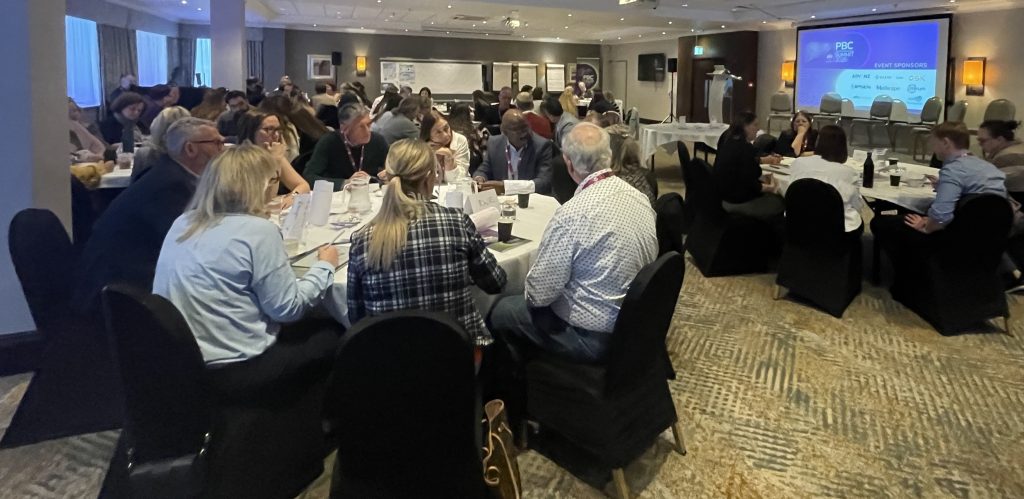
The International PBC Summit has long been heralded as a crucial meeting point for all stakeholders invested in primary biliary cholangitis (PBC). Yet, year after year, it is the distinctive and often challenging Lions’ Den session that captures the greatest attention and drives the most profound outcomes. Taking place on day three of the summit, the Lions’ Den is not a passive forum or a polished presentation, but a direct, structured dialogue specifically designed to confront a central challenge in modern healthcare: the persistent lack of transparent and equal access for patients and advocates to the pharmaceutical companies developing their treatments.
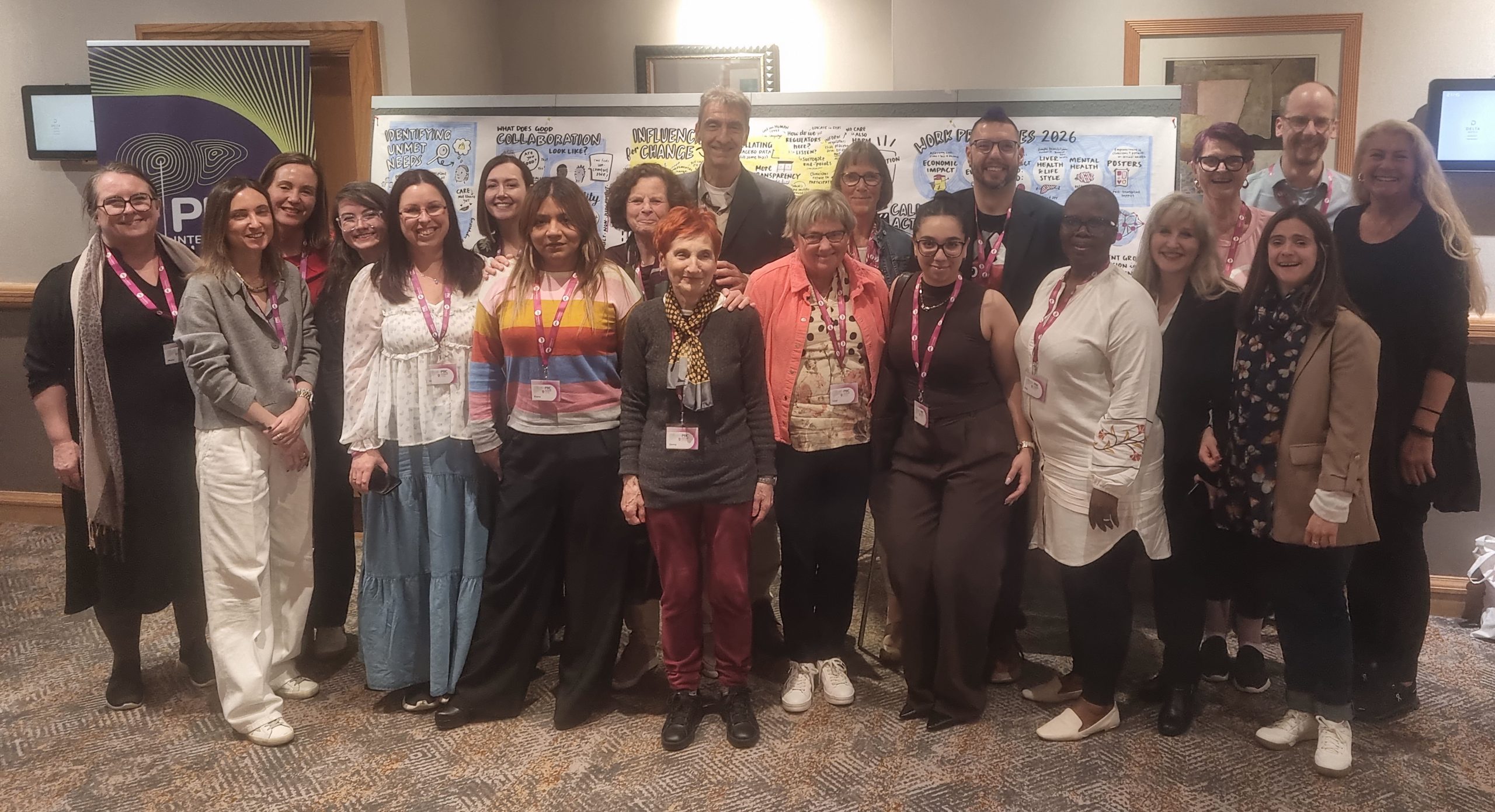
The Summit saw approximately 20 patient advocacy groups (PAGs) attend, with four pharmaceutical companies participating in the session. This one-to-many relationship creates a uniquely controlled and transparent environment for engagement. The structure itself is simple yet highly effective: a company presents its work, insights or pipeline, followed immediately by a dedicated Q&A session where PAGs lead the questioning on topics ranging from new treatments and clinical trial design to the often-thorny issue of access to therapies. The rotation ensures every participating company is engaged one at a time, guaranteeing all PAGs participate in each interaction, thereby ensuring equity in access to knowledge.
The anatomy of trust and accountability
The core value of the Lions’ Den format lies in its capacity to create a rare space where PAGs can engage with industry as equal stakeholders. This standardisation is crucial for levelling the playing field. By ensuring that every company receives the same amount of time, the same format and is subjected to the same type of questioning, the mechanism reduces the inherent power imbalance that frequently exists between large, well-resourced pharmaceutical companies and smaller patient organisations with limited experience in high-stakes negotiations.
In this environment, PAGs are freed from the necessity to ‘perform diplomacy’ constantly. Instead, the format encourages genuine openness and accountability while maintaining respect. As one patient advocate described, this structure provides a necessary safety net:
“For smaller organisations especially, standardisation creates safety. It gives everyone the same opportunity to participate and ensures that the patient perspective is not overshadowed by influence, size or funding capacity.” – patient advocate
The discussions that emerge are often far more direct and practical than those in traditional settings, covering difficult questions about access, timelines, affordability, communication and unmet needs, which might otherwise be glossed over in overly polished or general meetings.
“The core value is creating a rare space where patient advocacy groups can speak openly and directly with industry as equal stakeholders. The format fosters honesty and accountability.” – PAG member
The patient’s agenda: access, symptoms and beyond
What is clear from the 2026 session is that patient priorities are often distinct from those traditionally focused on by clinical science. While disease progression is, of course, a critical concern, the overriding patient concerns highlighted were practical, real-life issues: symptoms and access to care. This shift in focus proved challenging and insightful for industry representatives.
Patient communities are increasingly adept at asking practical questions that directly affect real life, focusing on quality of life, support systems beyond the medication and access to therapies. Questions included:
- Who will realistically have access to this therapy?
- What will happen to patients who do not respond to treatment?
- How will quality of life be measured in trials?
- Will patients from smaller countries have equal opportunities for trial participation or treatment access?
- What support systems will exist beyond the medication itself?
However, one important question was noted to be asked too rarely: “What happens after approval?” As one patient advocate remarked, approval does not automatically guarantee access due to reimbursement systems, delays, administrative barriers and inequalities between countries.
Beyond logistical hurdles, attention was drawn to under-served areas, such as disease in women during perimenopause and menopause, specifically symptoms that may be related to hormone imbalance during this stage of life.
Industry reflections: from challenge to change
For the pharmaceutical representatives, the Lions’ Den provides a unique and valuable feedback loop, unlike typical interactions. The format allows for a one-to-many relationship, which facilitates greater candour for all parties involved. Industry participants described the questions as probing and challenging, but fair.
The experience of being questioned directly was generally viewed as positive, helping industry understand what is most important to patients and encouraging a reflection on how they might adapt their way of working. One respondent highlighted the importance of this honest exchange:
“It was a pleasure to hear questions from PAGs—it helps us understand what’s important to patients and helps us think how we might change the way we do things.” – industry participant
A key moment of impact for industry was the reinforced focus on symptoms and access, rather than the assumption that disease progression was the overriding concern. Furthermore, a valuable suggestion challenged existing assumptions: that access to treatments could be improved through out-licensing. This specific, actionable insight demonstrates the value of the direct format in offering practical, high-level strategic feedback that might not emerge in more formal settings. Industry representatives also noted an ongoing need to involve patients more extensively in trials and treatments, which was contrary to a belief that this was already happening.
Redefining transparency: beyond the data
The format’s central aim is to create a transparent environment, but what ‘meaningful transparency’ looks like differs slightly between the groups, though both agree it goes beyond mere data sharing.
For PAGs, transparency means holistic communication and clarity. It requires open and sincere information explained in plain language that people can easily follow, honesty about what is known, what is uncertain and what limitations exist. True transparency demands the honesty to acknowledge when things may not go as hoped and to be truthful when something goes wrong; sometimes saying, “we do not know yet” is considered more transparent than offering overly optimistic answers. Crucially, real transparency also means involving patient communities early enough for their input to still influence decisions, rather than being informed only after decisions are finalised.
For industry, the navigation of transparency is often complex. The primary concern is not handling hard questions but rather determining what information can and cannot be shared due to tight and geographically diverse regulatory constraints. Meaningful transparency, in practice, involves appropriately sharing the ‘why’ behind decisions, not just stating the final outcome. Foundational elements like trust, honesty and respecting boundaries are seen as essential building blocks.
Shifting the conversation: moments of impact
The Lions’ Den successfully creates moments where the conversation moves away from the theoretical and back to the everyday reality of patients. Several patient advocates pointed to specific examples where the patient voice clearly shifted the atmosphere and focus of the discussion.
One powerful moment was when the conversation moved away from clinical data and focused on access to new therapies. Patient representatives spoke openly about the significant inequalities and reimbursement delays across Europe, highlighting that approval does not necessarily mean access for all patients. This emphasis on global disparities, including the struggle for timely diagnosis and support in smaller or lower-resourced countries, made the discussion less theoretical, clarifying that;
“Innovation only has real value if it can actually reach patients in time”.
Another impactful moment occurred when an African representative directly addressed the critical lack of medication access in African countries.
“Approval does not automatically mean access. There are reimbursement systems, delays, inequalities between countries, administrative barriers and gaps in patient support. For many patients, the hardest part begins after a therapy technically exists.” – PAG member
Another memorable atmosphere shift occurred when a sensitive topic—how the disease affects patients’ sex lives (vaginal dryness and erectile dysfunction)—was raised. This challenging moment caused initial silence but was ultimately seen as a necessary step in breaking the ice on conversations that normally cause discomfort, allowing for more depth in future dialogue.
Looking ahead: closing the gaps
The dialogue in the Lions’ Den session is designed to drive tangible change. The key takeaways for industry include:
- Enhanced partnerships: encouragement to partner more closely to broaden and deepen insights, and a challenge to engage in discussions earlier in the development process
- Investigating out-licensing: a commitment to actively investigate out-licensing as a strategy to potentially increase patient access
- Trial design ethics: a focus on the ethical considerations surrounding placebo-controlled trial design
From the PAG perspective, the focus moving forward is on addressing systemic gaps. The biggest gap is the disconnect between scientific progress and the actual patient experience within healthcare systems, which results in delayed diagnosis, unequal access and insufficient support. Advocacy groups should focus on:
- Strengthening support: coordinated patient-centred support around therapies, not just awareness of them
- Information centralisation: there is a lack of a single, multi-lingual resource providing information about the disease, how to seek help and links to support groups
- Regulatory action: addressing placebos in phase IV trials with the EMA (and potentially the FDA). Success here would mean eliminating the need for placebo patients in phase IV by comparing the medication group with carefully matched real-life and earlier study data
A successful outcome in the next six months would be stronger and earlier involvement of patient organisations in discussions, clearer communication channels and visible examples where patient feedback genuinely influenced decisions or communication approaches.
“Partnering more closely broadens and deepens insights, and I am taking this forward in my role. It also challenges me to have these discussions earlier.” – industry participant
About The PBC Foundation
The PBC Foundation is the largest PBC patient support organisation in the world. Their purpose is to have a positive impact on the quality of life of every person affected by PBC.
https://www.pbcfoundation.international/support-services/about-us/
https://www.facebook.com/PBCFoundation
https://www.instagram.com/pbcfoundation/
https://www.linkedin.com/company/pbc-foundation-uk-ltd/