HCU—2027 and beyond!
CONTENT SPONSORED BY TRAVERE THERAPEUTICS
The 2027 international event uniting advocates, the community, clinicians and key stakeholders
Collaboration is key in rare disease, and advocacy organisations HCU Network Australia, HCU Network America, and Metabolic Support are embodying this approach. They share their collective hopes for the 2027 international event, being hosted in Dublin next summer
Written by Karen Roberts and Nicola Miller, RARE Revolution
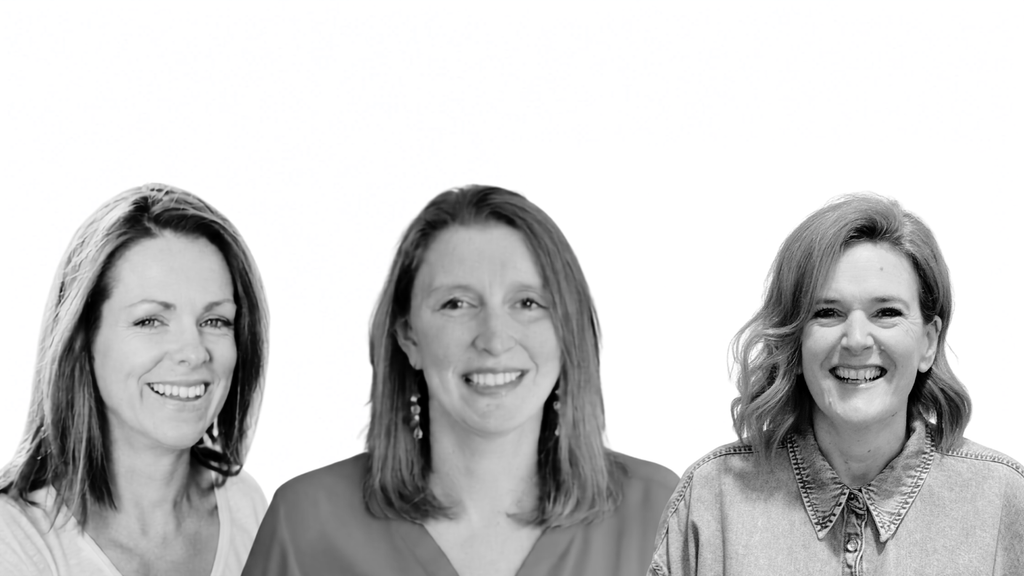
Interview with
Tara Morrison, director of HCU Network Australia,
Danaé Bartke, executive director HCU Network America
Sarah Jones, community lead, Metabolic Support
Planning for a 2027 conference—bringing together the patient, medical and scientific homocystinuria (HCU) community—is underway. The event, which has been conceived by three key players— HCU Network Australia, HCU Network America and Metabolic Support— is due to take place in Dublin, Ireland, next summer.
Classical HCU causes a deficiency of cystathionine beta-synthase (CBS). Without enough CBS, the amino acids homocysteine and methionine build up in the blood. HCU can cause complications such as stroke, pulmonary embolism and deep vein thrombosis, ophthalmologic and skeletal complications, as well as developmental delay. Treatment may consist of vitamin supplementation, dietary restrictions, medication and an amino acid formula. Newborn screening for the condition is available, albeit inconsistent globally, and cases of missed diagnoses have been reported.
Searching for a support organisation that was HCU-specific is what led to the formation of HCU Network Australia, laying the foundations for today’s support landscape. Tara Morrison founded the organisation in 2014 after both her sons were diagnosed with HCU.
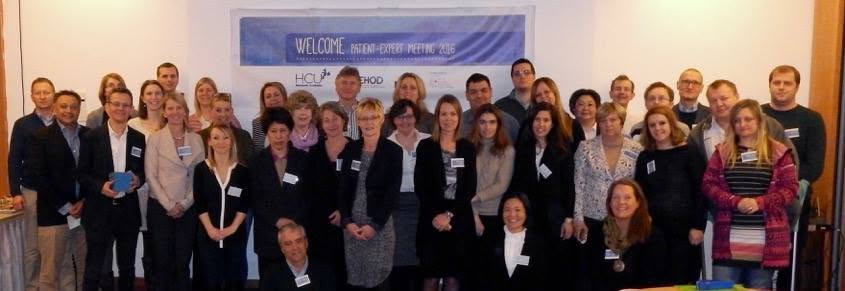
Tara, shares,
“At the time of diagnosis, there was no patient organisation globally that was dedicated to HCU. There were other metabolic organisations, but there were none that were disease-specific. Because of that, we started HCU Network Australia, really to bring a focus to the disorder itself rather than as part of a wider metabolic disorder”.
Two years later in 2016, HCU Network America was founded by their now executive director Danaé Bartke. Danaé was diagnosed with HCU in 1995 when she was 10 years old. The path to founding the organisation began after Danaé’s own search for support highlighted gaps locally. She had by then suffered complications due to late diagnosis, lack of information and difficulties understanding the treatment.
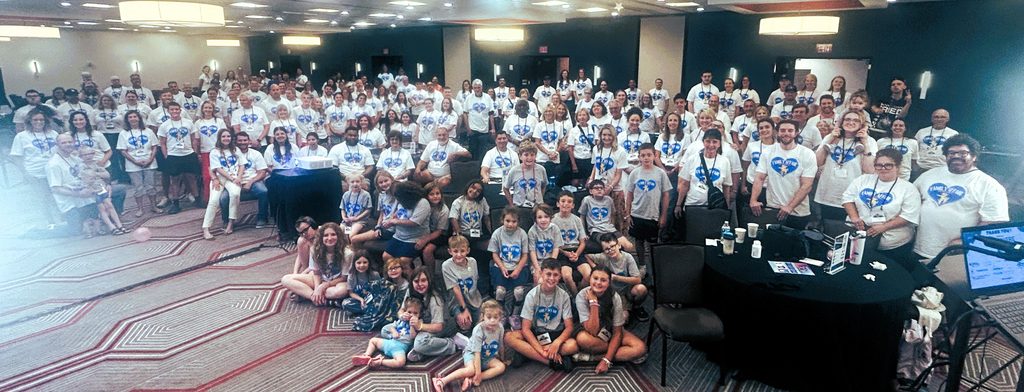
As the two groups have expanded their reach and sphere of influence outside of Australia and the US, they have more recently begun collaborating with Metabolic Support—an umbrella patient organisation, that supports those affected by any inherited metabolic disorder. Sarah Jones is a key member of Metabolic Support, fulfilling the role of community lead and acting as a vital bridge between community members and services to improve care and outcomes, as she explains.
“We support anybody living with or caring for family members with an inherited metabolic disorder (IMD). If they don’t have a dedicated patient organisation or group, we will hold them.”
While HCU Network Australia and HCU Network America had worked together regularly, including on past events, the idea to collaborate on the 2027 conference came about after a conversation between Danaé and Tara about working on a meeting in Ireland. Ireland is among the countries that have higher incidence rates of HCU.1
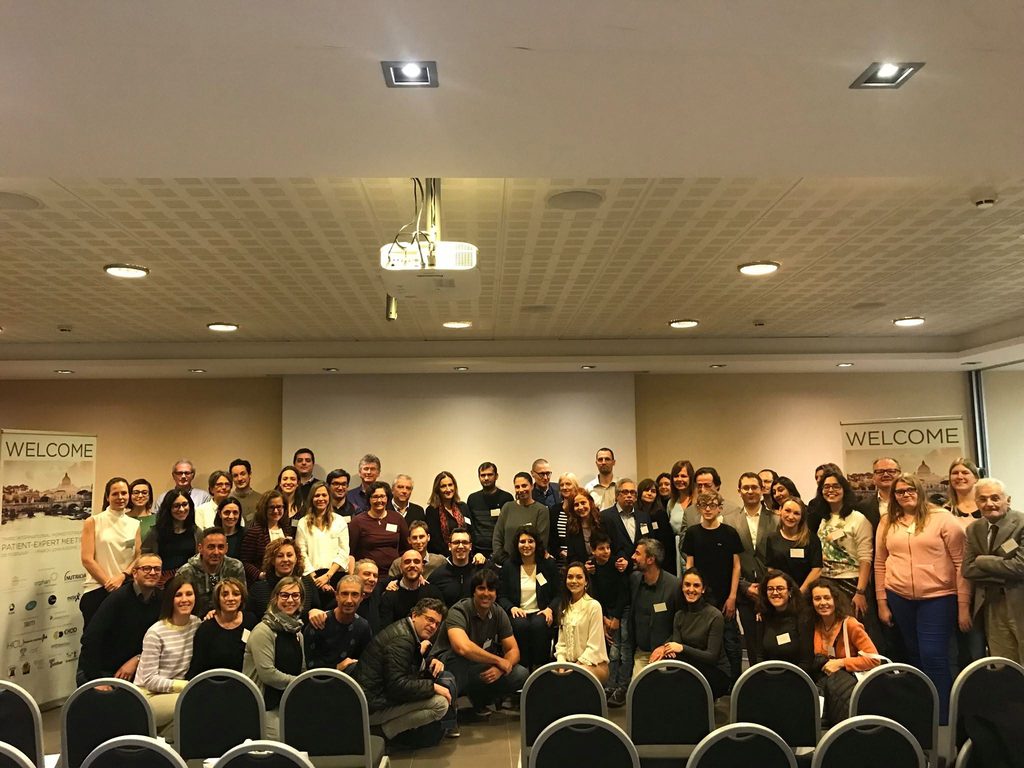
Internationally, the incidence of classical HCU varies, and the true prevalence, particularly in mild cases, is unknown.2 The presence of an established cohort of HCU patients in Ireland makes Dublin an ideal opportunity to support and connect patients through this event.
Noticing that the Society for the Study of Errors of Inborn Metabolism (SSIEM) was holding its 2027 conference in Ireland, Danaé saw an exciting opportunity.
“All the researchers and clinicians will be there. We’re in a prime place where patients and caregivers will be. Why not take advantage of the environment and host this meeting?”
Tara shares how the opportunity to work together on an international event was a natural step, adding, “The opportunity arose in terms of SSIEM being in Ireland, and with the patient population being quite large in Ireland, it led us all to the natural next meeting location.” It was seen by all as an opportunity to bring the UK and Ireland community together.
Although there isn’t a dedicated HCU support group in the UK, Metabolic Support has been supporting the HCU community since 1981 and has built a strong relationship with Danaé and Tara over the years. Globally, Danaé and Tara have recently extended their collaborations, allowing efforts to be shared and more families to be effectively reached.
Danaé has previously spoken at Metabolic Support’s conference and says that, when discussing a possible HCU event in the UK, bringing the organisation into the Ireland conference plan was a natural step. She explains: “The community relies on their group for support because while we can help with education and some of the support, we can’t help navigate the policy side of healthcare that exists in the UK and Ireland”.
On how joining forces with the HCU networks helps with connectivity, Sarah says:
“We don’t want to be reinventing anything that’s already working successfully; when we collaborate and align our visions and goals, it has a powerful impact for our community”.
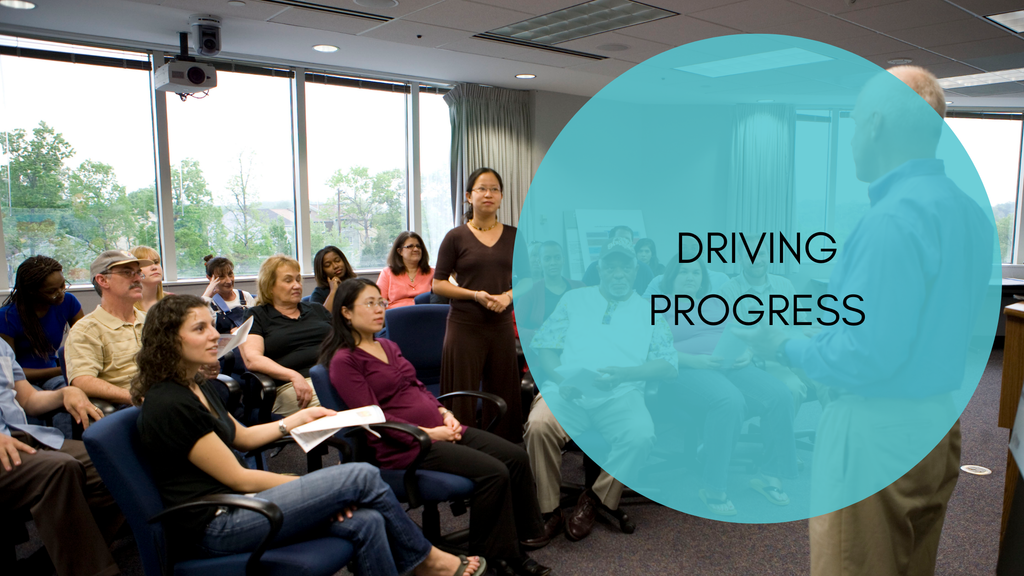
Speaking of her hopes for the event, Danaé said her goal is for the different stakeholders to communicate and collaborate. She says, “The interaction between researchers and clinicians and patients and caregivers is critical; being able to foster an environment where those conversations, and that understanding, can take place is important”.
“My goal is that the patients and carers from Ireland and the UK will want to get involved and really start rallying together and support the efforts of Metabolic Support and their team and build a local community there.”
The hope is that the community can guide the agenda to produce a patient-led event.
Sarah shares how Metabolic Support is putting an ambassador scheme in place and is keen to hear what they want from the event.
“There is a big difference between what you want and how you want it to feel. Everybody straight away thinks I want the top clinicians there, which is great and needed, but also what’s really important is having a bit of time just with the community to connect and share experiences—to then take our questions to the clinicians?”
She adds, “I want this to be something that everybody feels that they’ve added value to, our HCU ambassadors and the wider community. We may ask some pre-questions or a pre-survey to establish needs; how they would like the event to feel, what they would like to include, for example, is it important that we have childcare facilities to make it accessible.
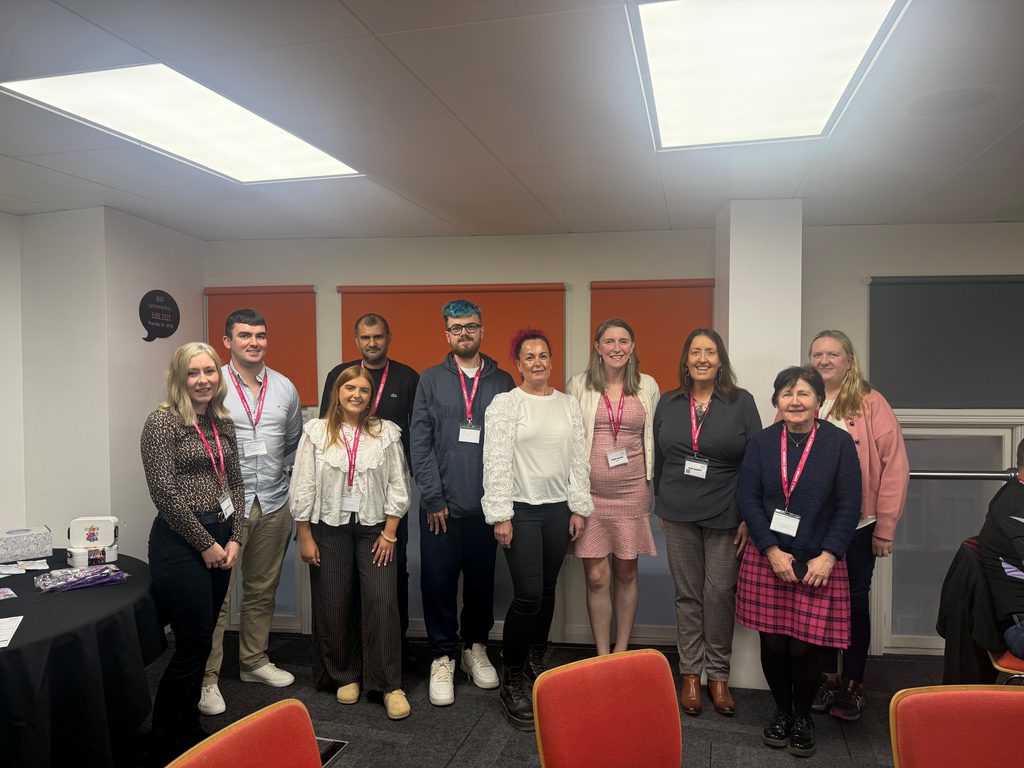
“Really looking at what the individual needs are, because one person is going to think one way, and another person’s going to think differently”.
One area Danaé would like to see covered is exploring gaps in healthcare for adults living with metabolic disease.
“There is a gap in healthcare for adult metabolic patients. This isn’t just a lack of a clinic for adults. This is an ongoing issue—a lot of patients transition into adult clinics, but for many they don’t have an appropriate provider. Providers don’t know what to do with the patients, and the patients really don’t know what to do either.”
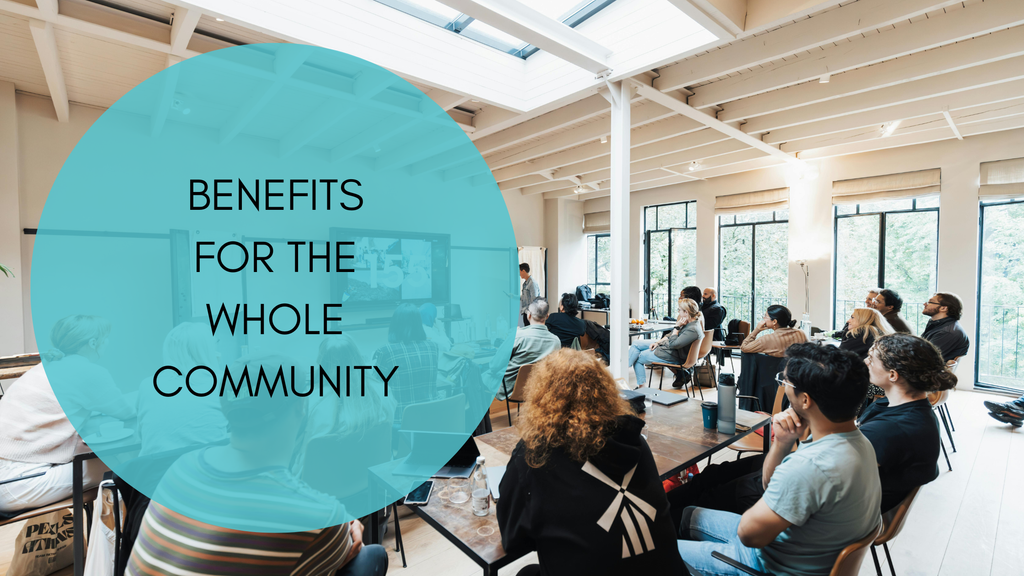
Speaking of how the agenda for the event might be fleshed out, Tara anticipates running dedicated professional and patient- and caregiver-led tracks, with participants encouraged to network and learn from each other throughout the day. At previous events, HCU Network Australia has not run the patient and scientific streams simultaneously, which meant families could attend the scientific events and vice versa—something she would like to see replicated.
“A question-and-answer session with researchers and clinicians during the event could also be beneficial for increased understanding and relationship building.”
She adds that they always try to keep those presentations in “layman’s terms, so they are accessible to families and patients in attendance”.
For the family stream, cooking sessions will be planned along with interactive discussions around what support patients need to thrive—whether that’s treatment, mental health-related or just practical guidance.
“All three organisations are on the same page in terms of what that will look like. The idea also is that the homocystinurias come under one banner, bringing them all together in one meeting.”
Such conferences are a great opportunity for the community to gain a better understanding of each other, Danaé says: “The homocysteine community needs each other regardless of where we are, not just in terms of support but also in terms of acceleration of understanding. Each individual’s patient experience is different, and this is a way to reinforce that and learn from each other.”
Sarah adds, “Everybody may want it to feel different, but you know when you’ve got it right because even if it’s not relevant to you, you’re still going to learn something from it. You’re not going to sit there thinking ‘Am I in the right room?’ You’re going to feel like you are part of something”.
Coming together as three independent entities to share resources, and for the cohesion of a global community is a model of good practice—one that looks set to continue.
Working together to help the patients and wider community is vital.
“At the end of the day, we’re all working towards the same goal. There’s no point working alone when we can achieve more together. If we can all work towards that shared goal, then the patients and the wider community benefit from that,” shares Tara.
Speaking of the benefit of these groups coming together, Sarah says that although there are differences, clinical pathways and guidelines should be the same—and having that global element helps underline that.
“What matters in HCU is getting a diagnosis and starting on a treatment plan early. The guidelines for this should be the same wherever you are in the world; there should also be the same options and opportunities wherever you are, which we know there aren’t. If we can prove going down this certain pathway leads to success, that’s going to be really strong. I do feel when something is global it holds a bit more space in the room.”
With this in mind, the longer-term legacy of the event, Sarah hopes, is a better clinical pathway, improving guidelines and bringing the community together to raise awareness.
“We’re not going to be able to change clinical guidelines overnight, but it would be phenomenal to go down that road. I don’t want to leave the meeting next year with an unclear pathway; whatever that path is, it will be driven by the community.”
References
[1] https://pubmed.ncbi.nlm.nih.gov/9587032/
[2] https://hcunetworkamerica.org/is-it-hcu/
Articles within this digital spotlight are for information only and do not form the basis of medical advice. Individuals should always seek the guidance of their medical team before making changes to their treatment.
This digital spotlight has been made possible with financial support from Travere Therapeutics.
They have had no editorial control over the copy, and all opinions are those of the contributor.
RARE Revolution Publishing® retains all copyright.