Exploring the impact of wish granting in paediatric care
There are so many facets of living with a chronic illness, beyond just the condition itself, especially for children: for their development, quality of life and well-being. Dr Marguerite Gorter Stam outlines the need to provide holistic care, addressing physical, social and emotional needs, and how wish-granting initiatives, such as those from Make‑A‑Wish International, can support and promote improved well-being, not just for the child, but for their wider family
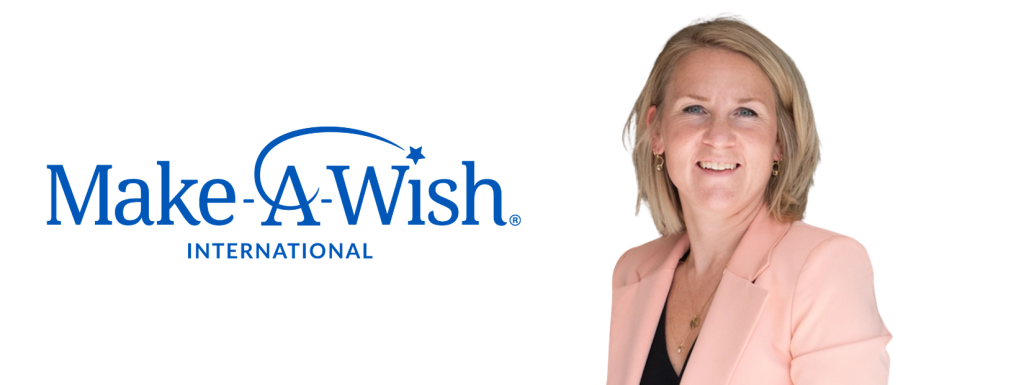
Written by Dr Marguerite Gorter Stam
For decades, the song, When You Wish Upon a Star,has resonated because it speaks to something deeply human—the power of hope in moments of uncertainty. Introduced to audiences through Disney’s Pinocchio, it has endured not because of nostalgia alone, but because it reflects a universal truth: seeing something that seems out of reach become reality is more powerful than anything. This is the power of a wish that keeps children and their families going, even when things get hard. ‘When you wish upon a star…’ And there is even science to back this up.
Critical illnesses—progressive, degenerative, or malignant medical conditions that place a child’s life in jeopardy—impact more than 13.7 million children and young people aged between 3 and 17 years around the world1. The impact of a life-changing condition on children and their families is commonly known and is profound as they face treatments associated with physical, mental and social challenges, reducing the overall quality of life as efforts are made to cure or care. As doctors, we see the profound impact this has on children and their families.
Suffering from an illness is not just suffering from the illness itself. It is so much larger.
Chronic illness can affect many areas of a child’s life, not just their physical health. Children with long-term conditions often face emotional and behavioural challenges, such as anxiety, mood changes or difficulty coping with daily routines. These challenges can vary depending on the child’s age, personality and the severity of the condition. Interestingly, children often report feeling better about their quality of life than their parents believe, showing that personal perception plays a big role.
Living with a chronic condition can also make it harder for children to keep up socially and academically. Frequent absences from school, reduced energy and lower motivation can lead to falling behind in class. Some children may also experience bullying or feel different from their peers, which can lead to isolation or even dropping out of school. When the illness affects the brain or nervous system, additional difficulties with attention, memory and understanding can appear, making learning and following treatment plans more challenging.
The impact of chronic illness extends beyond the child to the entire family. Parents often experience high levels of stress, worry and emotional strain, which can affect their mental health and their relationship with their child. Daily life may become more complicated as families juggle medical care, work responsibilities and financial pressures. In some cases, parents may need to reduce working hours or stop working altogether to care for their child.
Siblings are also affected. They may feel overlooked, take on additional responsibilities or struggle emotionally. In some situations, healthy siblings may develop behavioural or attention difficulties, especially if family dynamics become heavily centred around the child with the illness.
Overall, how a child and their family perceive and manage the illness plays a crucial role in long-term outcomes.
Negative perceptions, low self-esteem and limited coping skills can increase the risk of additional health and emotional problems over time.
These effects can influence not only a child’s emotional well-being but also their cognitive development, relationships, and ability to navigate everyday life.
As physicians, we see this every day. Historically, care focused primarily on the disease itself. Paediatric care, however, has evolved significantly, with advances in diagnostics expanding what can be identified at the bedside and a growing recognition that care must extend beyond the condition alone. The recent progress identified in paediatrics over the last 20 years is astonishing and has consolidated the concept that children are not “smaller adults”, children’s needs are not those of adults and everything that happens to a child is intrinsically linked to development in many ways.
In paediatrics all domains of child development—physical development, cognitive development, social and emotional development, and spiritual development are important; each domain both supports and is supported by the others. This means that the only proper approach to healthcare in children is one that addresses everything.
We have learned that children with life-limiting conditions and their families experience a wide range of inter-related symptoms, concerns and care priorities. Thus, a holistic, child-centred approach to care is needed, allowing focus on pursuit of normal childhood activities.
As physicians we work at the crossroad of research and clinical observations. And in this instance research guides us in the right direction and our clinical findings consolidate this.
Research has shown that wish-granting interventions for children who are experiencing life-threatening medical conditions can reduce anxiety and depression and increase hope and positive emotions.2
In the context of wish-granting, these positive emotions can lead to improvements in mental and physical well-being. For instance, research has found that children who were granted wishes were more likely to experience a decrease in the number of unplanned hospital and emergency department visits. In addition, improved social well-being, as indicated by increased scores on scales of gratitude, love, communication and benefit-finding, were reported by both children receiving wishes and their parents. More generally, this is also supported by wider research that suggests that psychosocial interventions for children with cancer can be effective in reducing anxiety and depression and improving the quality of life, having a positive impact on physical symptoms and well-being.
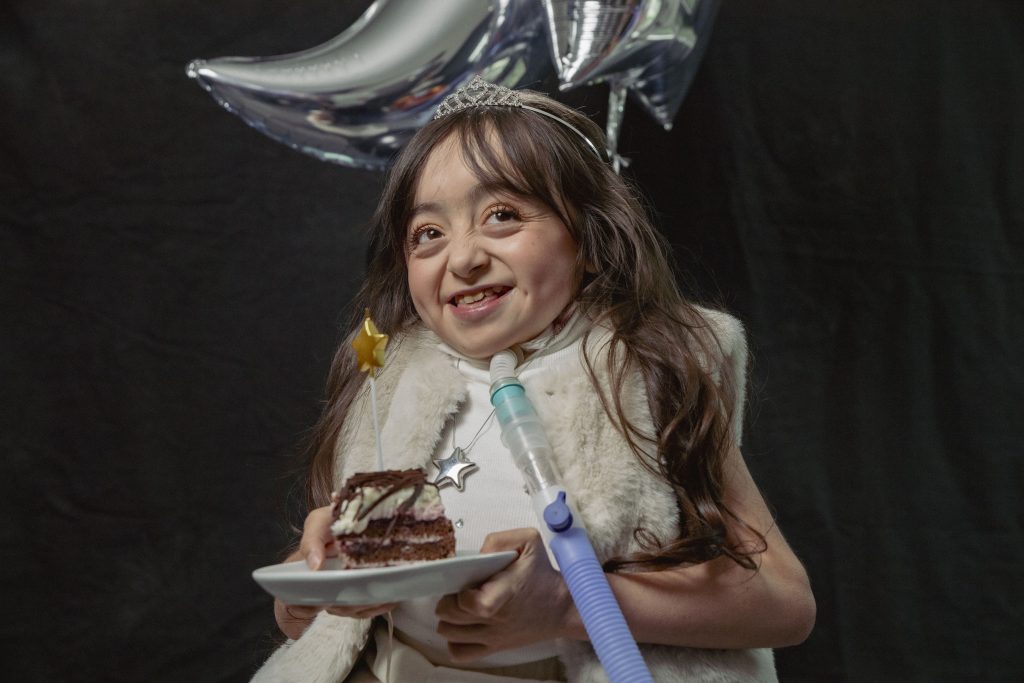
Research conducted by Make‑A‑Wish International has shown that the impact of wish‑granting unfolds across the full wish journey—from anticipation, through wish realisation and beyond—creating benefits for the wish child and their family. This research points to a ‘ripple effect’, with families reporting improvements in emotional well‑being, stronger family connection and shared positive experiences that extend beyond the wish itself. Taken together, these findings demonstrate that wish‑granting can support emotional, social and physical well‑being for children facing critical illnesses and their families in sustained and meaningful ways.
There are moments when you notice a change in a child that cannot be measured by scans or blood tests.
A child who once avoided eye contact begins to speak more freely. Shoulders straighten. Conversations feel lighter, even when the medical reality remains complex. As clinicians, we are trained to look for clinical signs, but over time you also learn to recognise when something deeper has shifted. These subtle changes matter because they influence how a child engages with treatment, with their family and with the world around them. These experiences can be game changers that bring joy and a sense of normalcy back into a family’s life. A wish can create an immediate turning point in a child’s treatment and recovery. My personal belief in the power and impact of a wish is what guides me and inspires me to help grant the wish of every eligible child.
Dr Marguerite Gorter‑Stam is a surgeon with subspecialties in oncology and paediatrics, and a paediatric palliative care specialist. She is a member of the Make‑A‑Wish International Medical Advisory Committee and a co‑author of the peer‑reviewed article Wish‑Granting Interventions Promote Positive Emotions in Both the Short‑ and Long‑Term in Children with Critical Illnesses and Their Families, published in Children in 2025. Find out more about Make-A-Wish International at worldwish.org
References
[1] https://worldwish.org/prevalence-and-incidence-research
[2] https://www.mdpi.com/2227-9067/12/1/47