How evidence and patient realities can help us to rethink the future of MG care
SPONSORED CONTENT
By Anna Kole (UCB) with the Rethinking MG project partners, Lutgarde Allard (EuMGA), Giuseppe Turchetti (SSSA) and Vinciane Quoidbach (EBC)
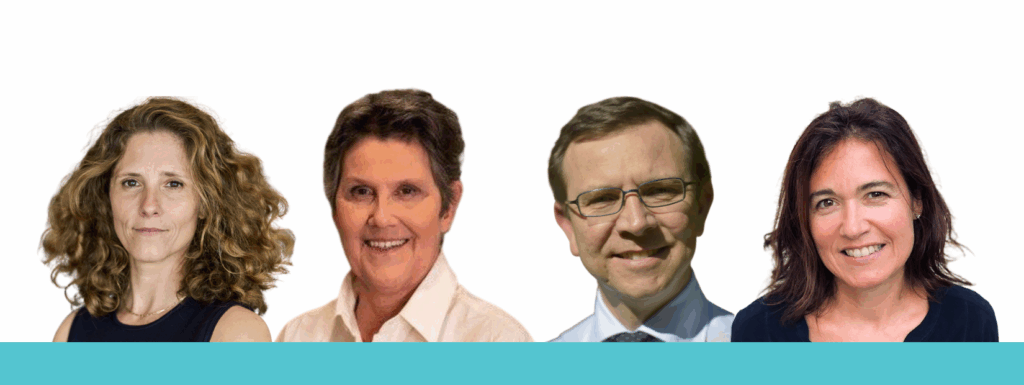
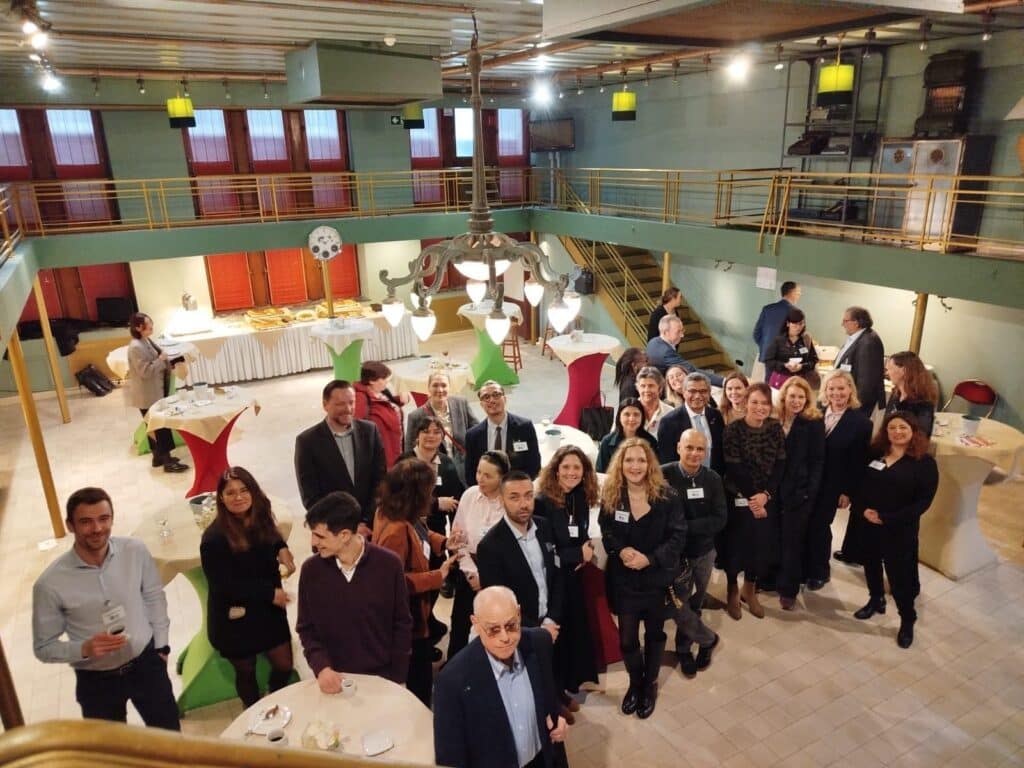
L-R: Anna Kole (UCB), Lutgarde Allard (EuMGA), Giuseppe Turchetti (SSSA) and Vinciane Quoidbach (EBC
“As a teenager, I sometimes imagined I would grow up to be a mother. It was at least an option that I hoped would be open to me. But living with MG has changed what’s possible. Some days, taking care of myself is already more than I can manage, and I’ve had to accept that motherhood may not be in reach for me. It’s a small, unseen sacrifice, but some days it really gets to me.”
This reflection from Naomi Wynen echoes what we often hear from people living with myasthenia gravis (MG). Traditional treatments have been a mainstay of MG care for decades and continue to play an essential role for many. Yet some people still experience persistent symptoms, and others find that side effects of long-term treatment quietly limit what they can comfortably do in daily life. When the right therapies are not available at the right time, this is in effect asking people to make trade-offs with their health.
As someone who has worked in patient advocacy for many years, I’m struck by how often people tell us they’re still navigating gaps in care, even as scientific understanding has evolved. It’s a reminder that health systems and access to care rarely move at the same pace as medical progress.
This is one of the reasons why UCB and Alexion Pharmaceuticals are stepping beyond traditional boundaries to work together to support a new initiative led by the European Brain Council and the Institute of Management at Sant’Anna School of Advanced Studies in Pisa. Their shared aim is to help accelerate improvements in MG care by taking a fresh look at how pathways should function today.
What is this project about?
Project co-lead Vinciane Quoidbach from the European Brain Council explains:
“The Rethinking MG initiative brings together researchers, clinicians, people living with myasthenia gravis and policymakers to apply a Patient Care Pathway approach and translate evolving evidence and guidelines into personalised, stratified care. By mapping needs from patient, clinical and societal perspectives, and embedding early use of biologics, appropriate thymectomy, crisis readiness, multidisciplinary coordination and systematic measurement of patient-reported outcomes, this project will generate policy recommendations and care pathway refinements to improve equity, outcomes and the overall value of MG care across health systems.”
A journey towards more equitable access
Access to newer approaches in MG care varies widely, across countries and even within them. There are many reasons for this, but experts agree that a clearer, more comprehensive understanding of the condition’s true burden is essential to making meaningful progress.
Health economist and project co-lead Professor Giuseppe Turchetti notes:
“There is growing recognition of the severity of MG, and more studies are emerging that better capture the disease burden, both in terms of costs to the health system and the financial impact on families. But research also shows that the broader social consequences of MG, including the reduced quality of life, limitations on work, and the strain on personal relationships, are still not fully reflected in economic models. If these pressures aren’t captured, decisions about evaluation and prioritisation will overlook important dimensions of the condition. We are aiming to show how to do this better and more consistently to reduce inequity.”
By contributing to this project, we hope to deepen the shared understanding of the lived and societal burden of MG and explore how care pathways can evolve to better support people at every stage of their journey.
Developing tools for the next chapter of MG advocacy
As Rare Disease Day approaches, it offers a timely reminder of how long the MG community has been advocating for change. Patient advocacy in MG stretches back more than 70 years, from the first patient group founded in the US in 1952 to the coordinated patient-researcher-clinical advocacy movements in the UK that helped advance research in the 1970s and 1980s.
My hope is that the outcomes of this project will equip today’s patient groups, and the clinicians, researchers, and policymakers who work alongside them, with practical tools to help drive the next chapter of progress for the MG community. I think Naomi puts it best:
“Some paths may close, but I’m discovering new ones, ones shaped by patience, courage, and the quiet power of moving forward, even on the hardest days. And as I navigate this journey, I look for opportunities to get involved and help improve life for everyone living with MG. Let’s work together to build momentum, raise our voices, and create a future where living with MG doesn’t mean giving up on who we hope to be.”
For more information
For more information on the project and to access the recommendations when published, please see the Rethinking MG section of the European Brain Council’s website. The project “Rethinking Myasthenia Gravis” is kindly supported by Alexion Pharamceuticals and UCB. All outputs are non-promotional and not specific to any particular treatment or therapy. This article was written and funded by UCB. © UCB Biopharma SRL, 2026. All rights reserved.
GL-DA-2600084 – Date of preparation: January 2026