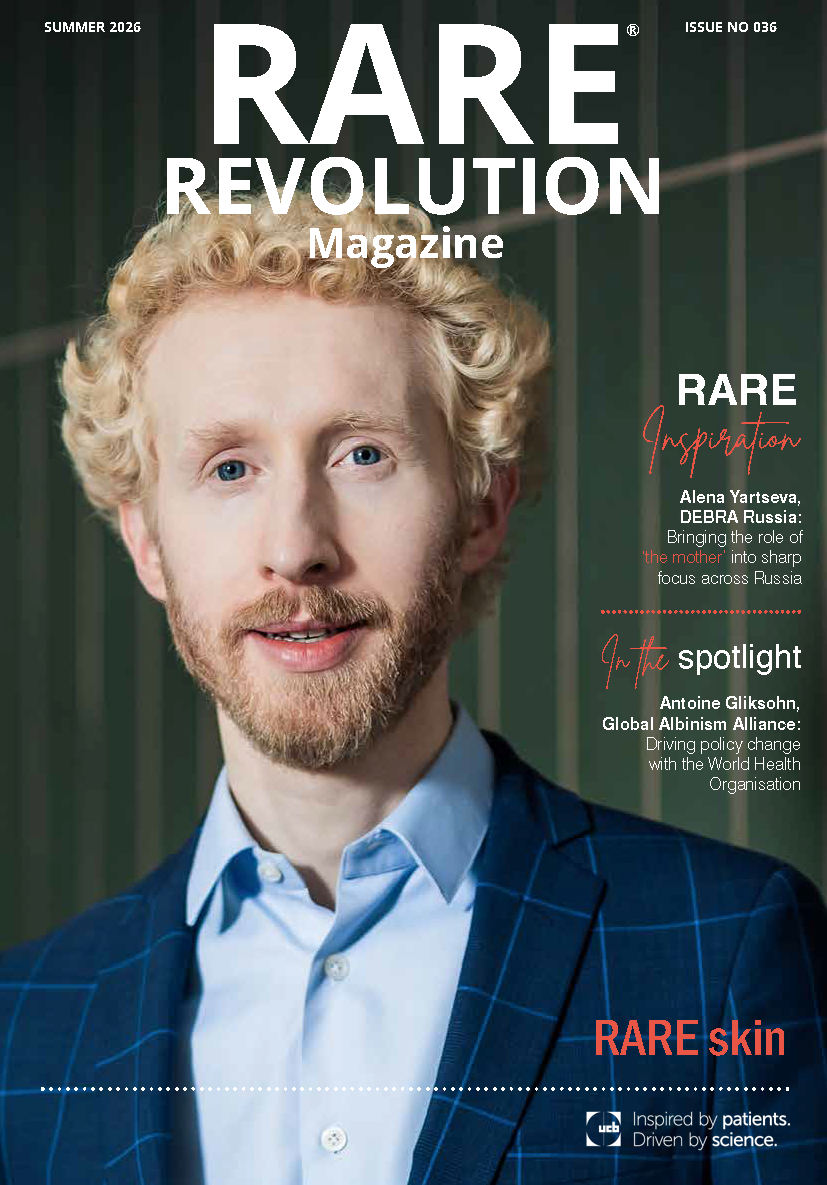
Huntington’s disease shaped my life—but I have hope for the future
Rose was a child when she found out she was gene positive for Huntington’s disease (HD), and she grew up watching it slowly claim her dad’s life. She shares her experience of HD with us, the impact it has had on her and her hopes for the future
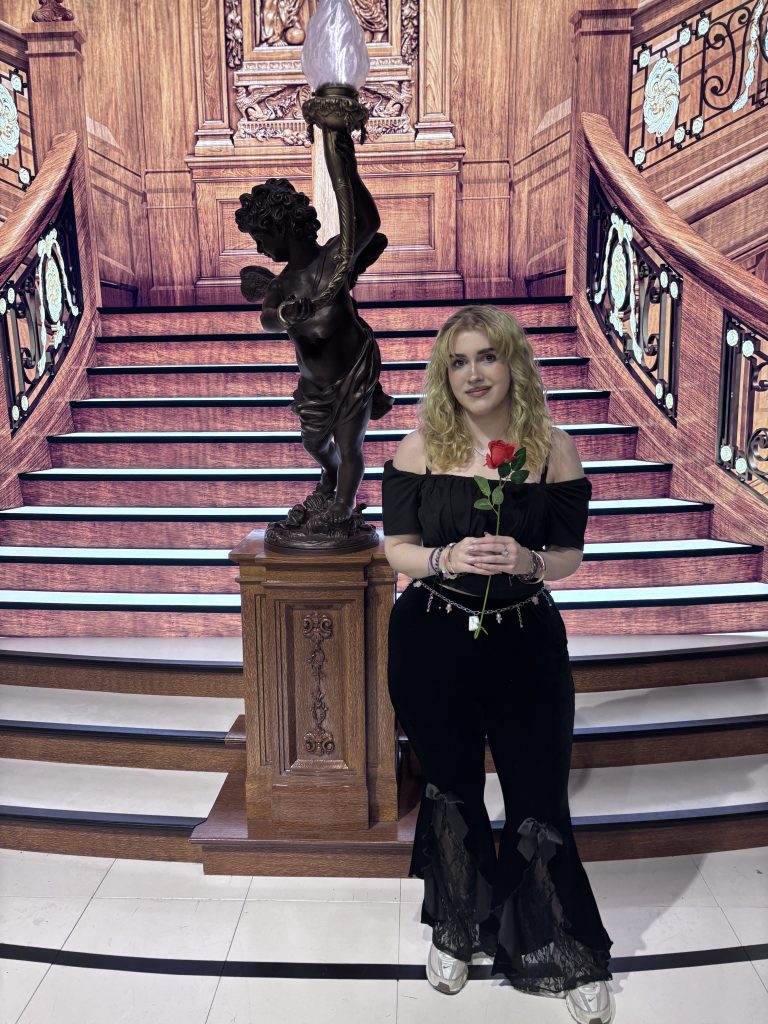
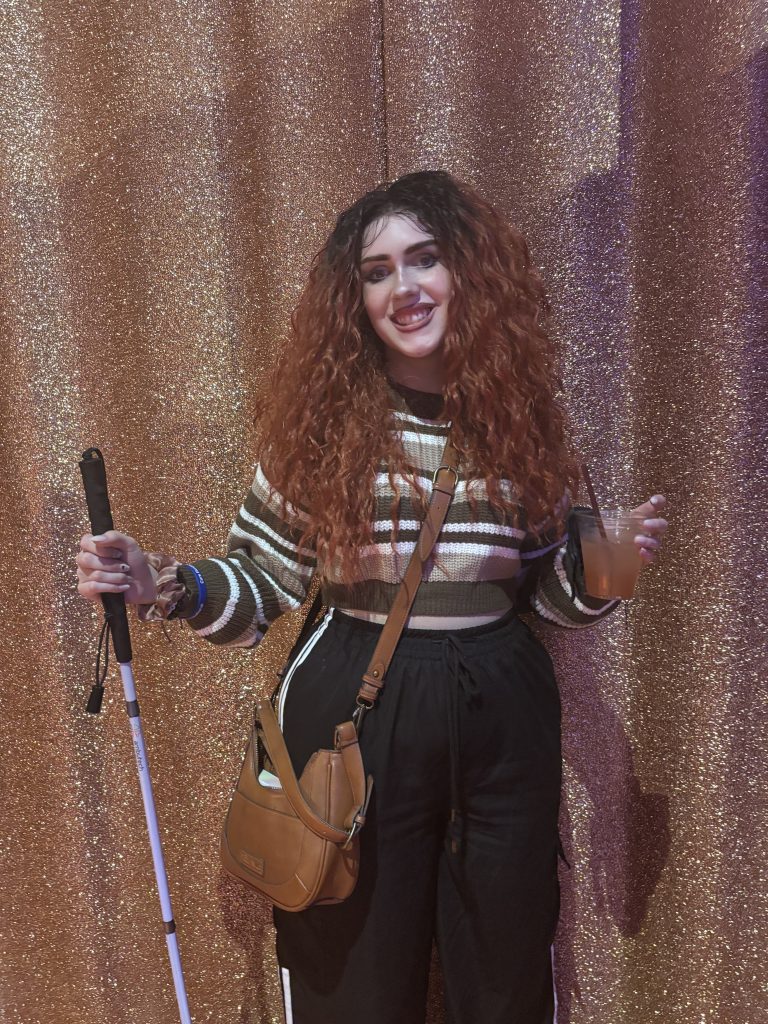
My name is Rose. I’m 24 years old, from Upstate New York, and for as long as I can remember, my life has been shaped by a single sentence: “you are gene positive for Huntington’s disease.”
Huntington’s disease is a rare, inherited and ultimately terminal neurodegenerative disorder. It is caused by a mutation in the HTT gene, where a section of DNA, specifically a repeating sequence of CAG nucleotides, expands beyond a normal range. This mutation leads to the production of an abnormal form of the huntingtin protein, which gradually damages and kills nerve cells in the brain, particularly in regions responsible for movement, cognition and emotion.
Over time, this degeneration causes symptoms that can include involuntary movements (chorea), severe cognitive decline, personality changes, and psychiatric disorders. There is currently no cure and no way to stop the progression, only treatments to manage symptoms.
HD is inherited in what’s called an autosomal dominant pattern. That means if a parent carries the gene, each child has a 50% chance of inheriting it. No gray area. No maybe. Just yes or no, flip of a coin, written into your DNA. My life was defined by a coin toss I never got to make.
Watching the progression of Huntington’s
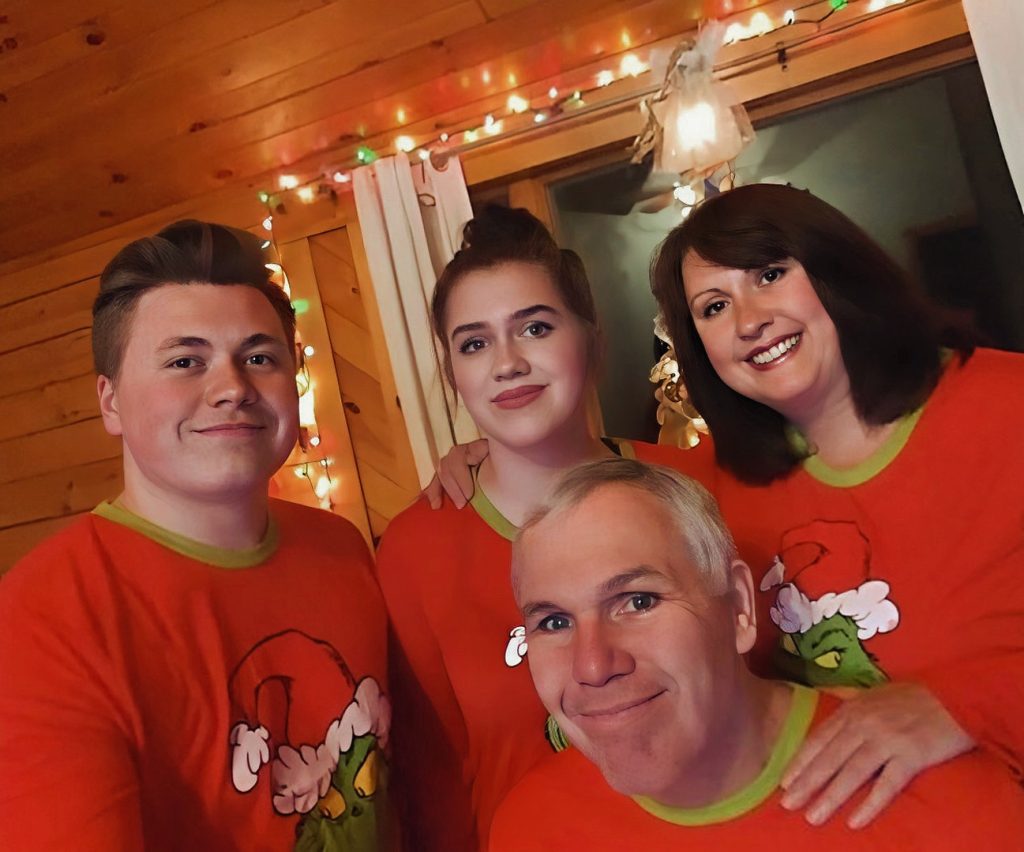
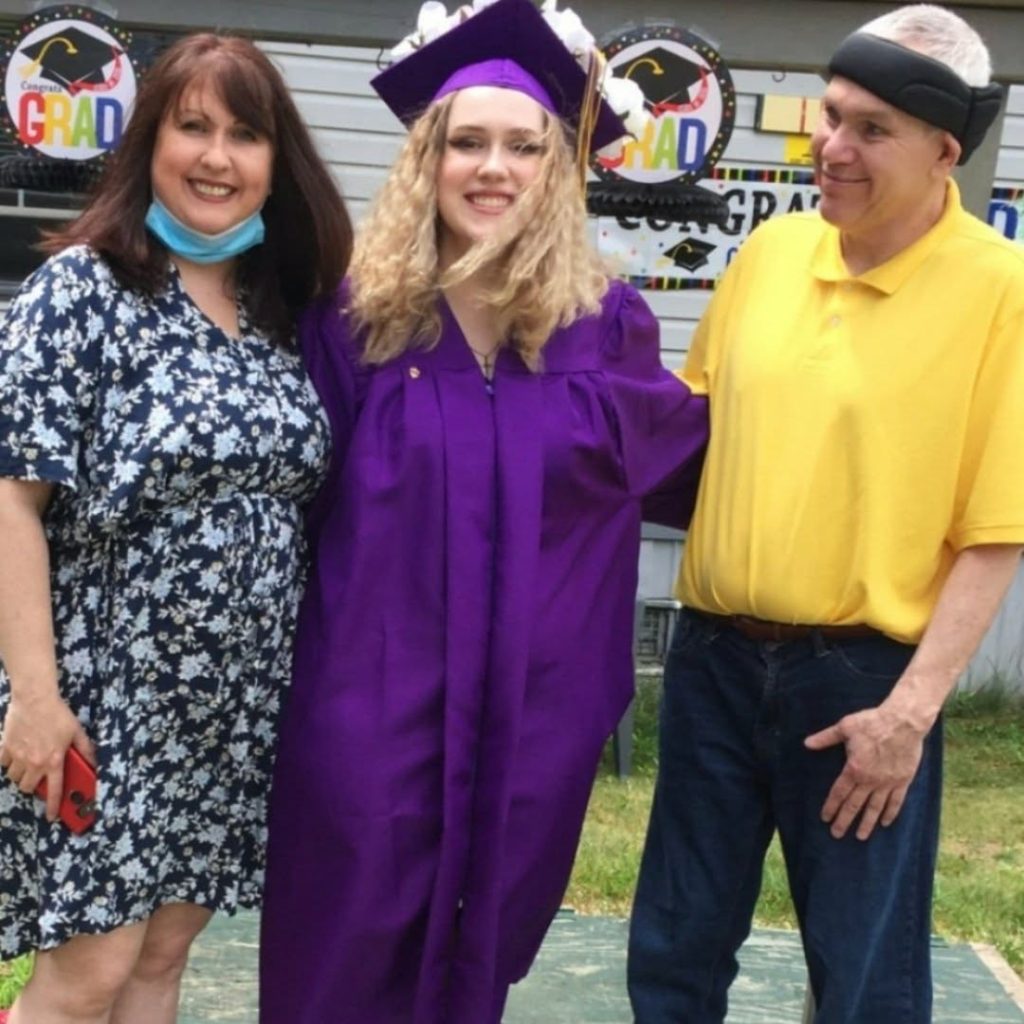
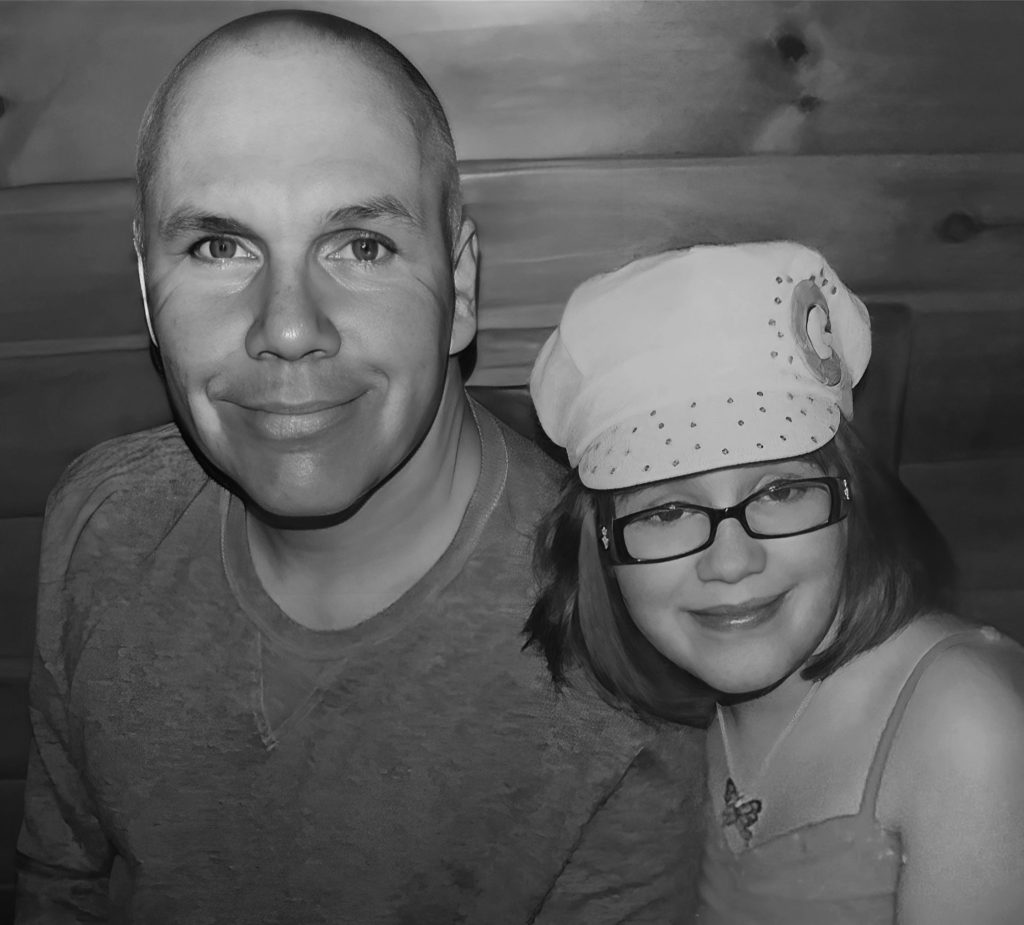
One of the most striking findings from the survey is how similar patients’ and caregivers’ experiences are. Both groups reported My father had HD. I didn’t just grow up hearing about it; I watched it. I watched the slow, relentless progression. I watched the way it changed him, took pieces of him, year by year. HD is not just one illness; it’s many losses layered on top of each other. It takes movement, independence, memory, personality. It takes the person you love and transforms them in ways that are impossible to fully explain unless you’ve lived it.
It wasn’t just that my dad was sick. It was that I was watching my future unfold in front of me.
He fought for years. It was long, and it was hard. And a few years ago, he passed away.
I was tested for the gene when I was around 8 or 9 years old. That’s when everything changed. It felt like my life stopped before it even started. At an age when most kids are thinking about playgrounds and sleepovers, I was trying to understand what it meant to have a fatal, genetic disease already written into my future. I didn’t fully grasp science back then, but I understood enough to be afraid. Deeply afraid.
Fear became something constant. Not loud all the time, but always there, sitting in the background of everything.
When will symptoms start? How much time do I have? What will I lose first?
Reaching out for help
That fear followed me into my teenage years, where it turned into something heavier; depression, anxiety and a kind of hopelessness that’s hard to put into words.
I didn’t see a future, so I didn’t see a reason to build one. School felt meaningless. Goals felt pointless. I wasn’t planning for a career or a life, I was bracing for a disease. I felt lost, angry, and completely alone in something that most people around me couldn’t even begin to understand. After graduating high school, I drifted. I went to college, but I wasn’t really there. My grades didn’t matter to me because I didn’t believe my future did. I was existing, not living.
But over time, slowly, and not without struggle, I reached a breaking point. I realised I couldn’t keep carrying everything on my own. I needed help.
Reaching out wasn’t easy. It took years. Years of learning how to talk about what I was feeling. Years of finding the right support, the right resources, the right people. But eventually, something shifted.
I realised that even if I can’t control my diagnosis, I can still fight for my life.
Looking to the future
Today, I am in a different place. Not a perfect one, there are still hard days, still moments where fear creeps back in, but a stronger one.
I am still here. And that matters.
I’ve learned that HD may be part of my story, but it is not the entirety of who I am. Science is moving forward. Researchers are exploring gene-silencing therapies, RNA-based treatments, and other approaches that aim to reduce the production of the toxic huntingtin protein. Clinical trials are ongoing, and while nothing is guaranteed, there is something I didn’t always have: hope.
I don’t know what my future will look like, but for the first time, I believe it’s worth finding out.
Living with HD means living with uncertainty. It means carrying questions that don’t have answers yet. But it also means resilience. It means learning how to exist in the present, even when the future feels unclear.
I am strong, not because of my diagnosis, but in spite of it.
And that is something no disease can take away.