I am rare, I am here
Diagnosed with pulmonary veno-occlusive disease in childhood, Rim Bendjaada’s advocacy journey began as a teenager. She shares her experience of living with a rare condition and how it has shaped her life
Written by Rim Bendjaada
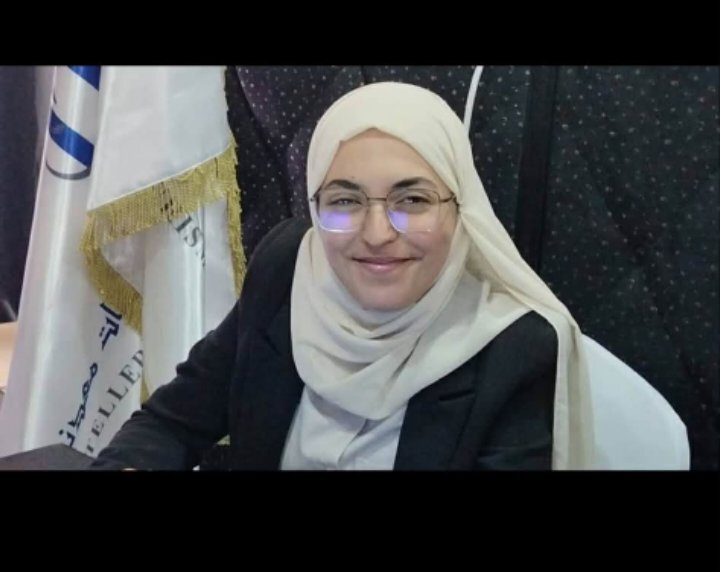
My name is Rim Bendjaada. I am 22 years old, and I am a patient and patient advocate from Algeria living with pulmonary veno-occlusive disease, a rare and complex form of pulmonary hypertension.
Before my diagnosis I had an ordinary childhood. I was energetic, I loved school, and like any child, I had dreams and plans for the future. Then gradually things began to change. I started experiencing extreme fatigue, a racing heart, and shortness of breath. I lived on the fifth floor of a building, and climbing the stairs to reach home would leave me completely breathless. I became pale, lost my appetite, and even small amounts of food made me feel nauseous. Most of the time, all I wanted to do was sleep.
My parents are both doctors, yet even they struggled at first to understand what was happening to me. The first investigations focused on possible digestive problems, but the results were normal. Then came the turning point: during an echocardiogram, a doctor noticed an abnormal enlargement of my right ventricle. I was referred to a cardiologist, and further tests revealed that my pulmonary pressure was extremely high. I was twelve years old when I was diagnosed with pulmonary hypertension and eventually with the rare form known as pulmonary veno-occlusive disease. For my parents, it was devastating. I was still too young to fully understand what it would mean to live with a rare and life-changing disease.
Navigating rare disease challenges
Living with a rare disease in Algeria brings its own challenges. Rare diseases such as pulmonary hypertension remain insufficiently recognised, and specialised expertise is not always available. Treatment options are far more limited than those available internationally, which creates real difficulties for patients who need individualised, specialised care. Because the disease is so rare, diagnosis is often delayed, and some patients are only identified at an advanced stage. As a child, understanding all of this was extremely difficult. I had to learn how to explain my condition again and again, and to face very different reactions from the people around me, from genuine compassion to misunderstanding. Yet despite everything this disease has taken from me, it has also shaped who I have become.
Today I am a university graduate in food science and quality control technology. My graduation project grew into something much bigger: the foundation of a digital-health startup project, focused on a platform dedicated to respiratory and rare diseases. The first condition I chose to include was pulmonary arterial hypertension; a disease deeply connected to my own experience. Through this project, I wanted to turn my personal experience into something practical, a digital space bringing together patients, healthcare professionals, reliable information, and support.
Raising awareness through advocacy
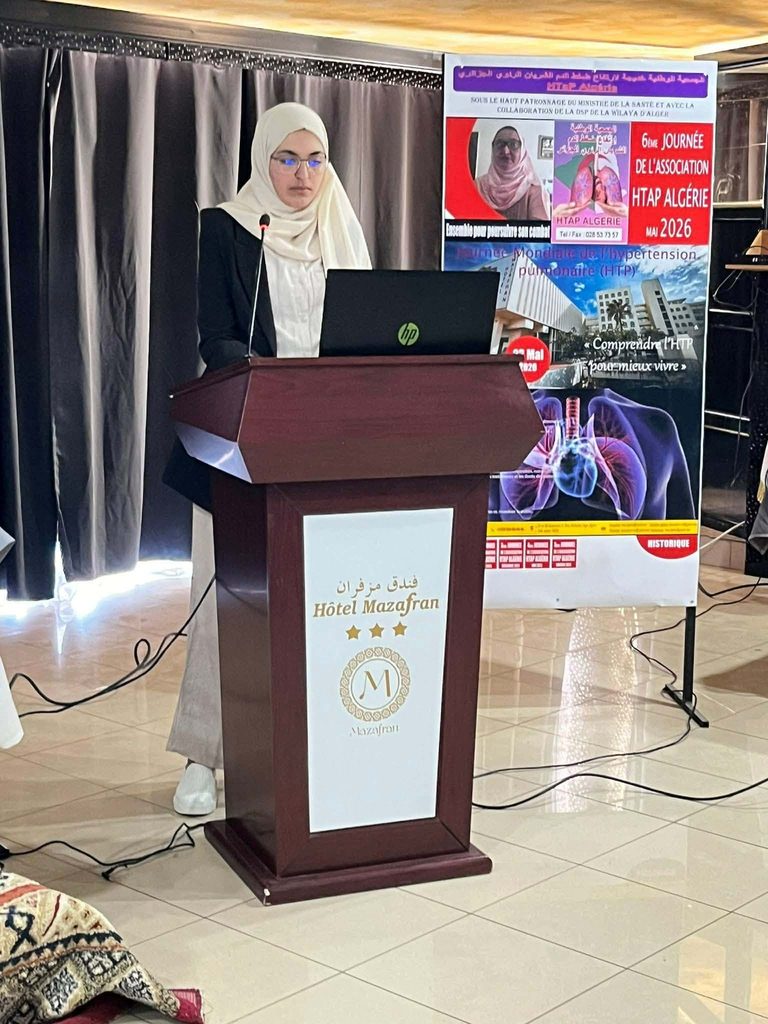
My advocacy journey began when I was fifteen, when I started speaking more openly about living with a rare disease. My first organised advocacy experience came after I joined the Khadija National Association for Pulmonary Hypertension, where I shared my story publicly for the first time. People noticed that I was not afraid to talk about my condition and seeing that my story could help others understand something they might otherwise never encounter encouraged me to continue.
Not everyone understood. On some occasions I was told I was exaggerating or being dramatic about my own health. Those moments were hard, but they taught me something important: when people do not understand a disease, patients need a voice. So instead of staying silent, I chose to keep speaking, explaining, and raising awareness.
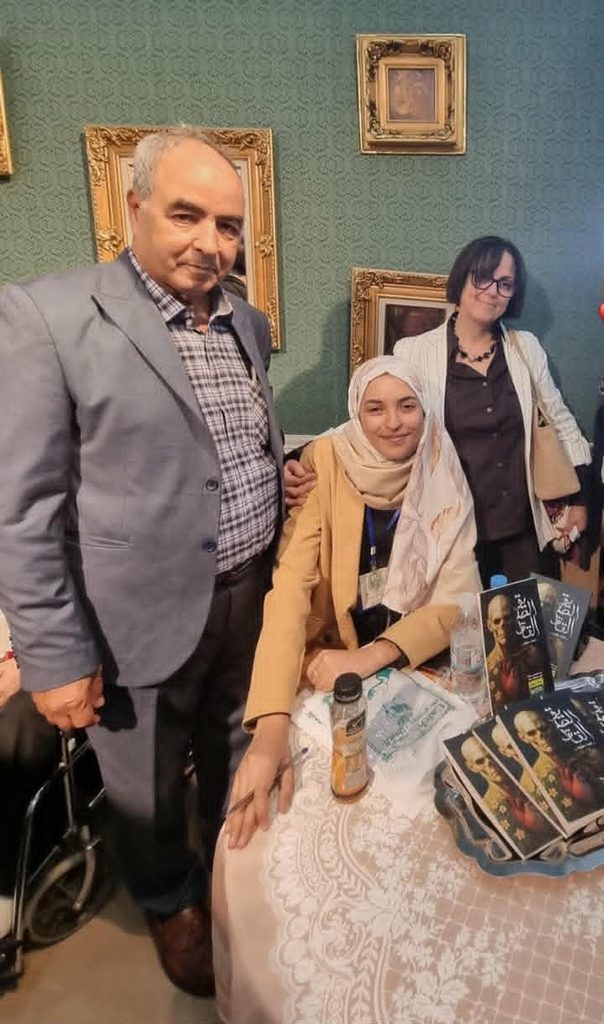
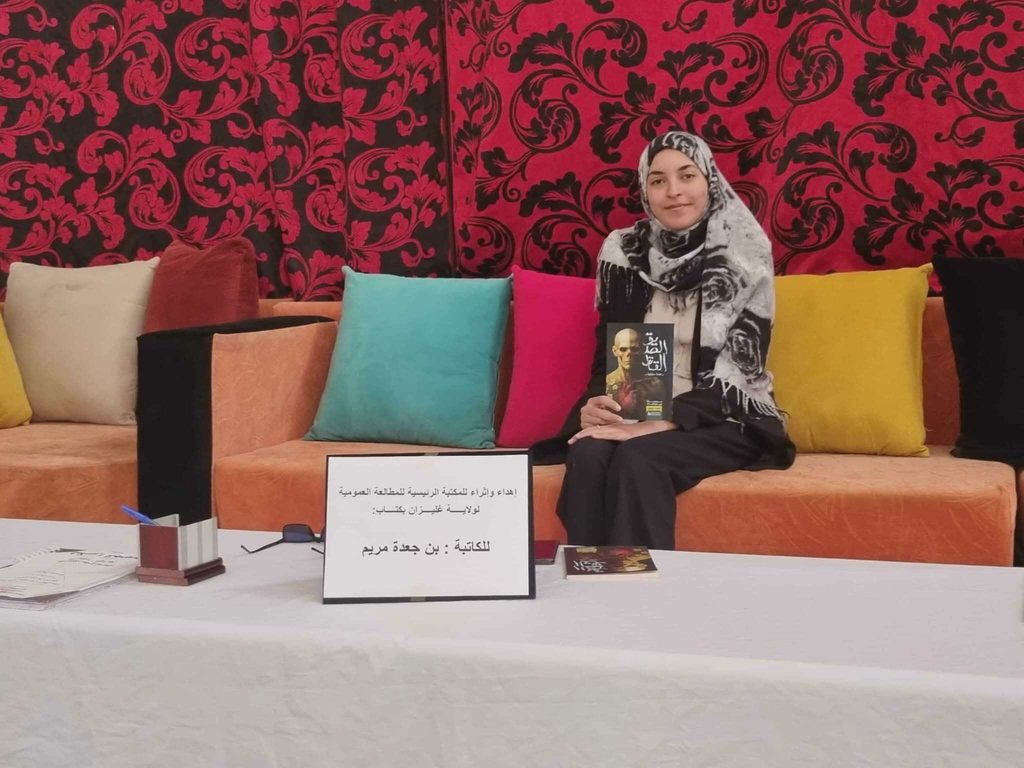
Writing has also been a central part of this journey. My book, The Killer Friend, is inspired by my experience of living with a rare and life-changing illness since childhood. In it I explore the emotional and human sides of illness: fear, pain, uncertainty, hope, resilience, and acceptance. The title reflects the paradox at the heart of my relationship with my illness; it has taken so much from me, yet it has also transformed me and shaped who I am today. The book has now been translated into English and is available internationally in ebook and paperback formats, allowing my story to reach readers well beyond Algeria and the Arabic-speaking community.
My advocacy has since expanded beyond Algeria. I joined pulmonary hypertension organisations in the United Kingdom and the United States, becoming part of wider international patient communities, and I became a member of the Patient Voice Committee at the Rare Diseases Awareness Association in Jordan. These connections have strengthened my belief that collaboration across borders can turn individual stories into collective advocacy, and that a single voice, joined with others, can influence healthcare priorities and create real change.
Reaching others
One of the milestones I am proudest of is being appointed ambassador of the Khadija National Association for Pulmonary Hypertension and a representative of the patient voice. For me, it is a responsibility to keep raising awareness and amplifying patients’ experiences, in Algeria and internationally.
Pulmonary hypertension has undoubtedly changed my life. It has taken away parts of the childhood and youth I once imagined. But it has also given me a purpose, a voice, and the determination to make sure other patients feel less alone. I did not choose this disease, but I chose what to do with my experience: to speak, to write, to advocate, and to build.
My hope is that my story, my book and my digital-health project will reach patients, families, and healthcare professionals around the world. I wish to contribute, even in a small way, to a future where rare disease patients are diagnosed earlier and given a stronger voice in the systems that serve them.
Every patient deserves to be heard. Every story deserves a voice. And every person living with a rare disease deserves hope.
My name is Rim Wafaa Bendjaada, and I am aware that I am rare.
I am rare. I am here.