I was told it was anxiety–but it was Wilson’s disease
Aneesha Premkumar’s journey to diagnosis spanned several years. Her symptoms were attributed to anxiety and stress, but it turned out to be Wilson’s disease. She describes her life before and after diagnosis and highlights the importance of advocating for yourself
Written by Aneesha Premkumar
When I was diagnosed with Wilson’s disease on 2 February 2024, my life finally started to make sense.
For a long time, I knew something wasn’t right, but I couldn’t understand why my body seemed to be changing in ways I couldn’t control. What started as small symptoms gradually became impossible to ignore.
My speech began to change. I found myself mumbling words and struggling to communicate clearly. My handwriting became smaller and harder to read after only a few sentences. I developed tremors, experienced brain fog, and found it difficult to remember things. Walking became harder, and there were days when I needed support just to get around.
At the time, I didn’t know that all these symptoms were connected.
Like many people living with a rare disease, my journey to diagnosis was not straightforward. Over a number of years, I attended countless medical appointments searching for answers. I visited my GP repeatedly, explaining that something felt wrong. I knew my symptoms were real, but I often left appointments feeling unheard and frustrated.
Because many of my symptoms were neurological and difficult to explain, they were often attributed to anxiety, stress, or mental health issues. I was prescribed different medications and encouraged to focus on managing stress.
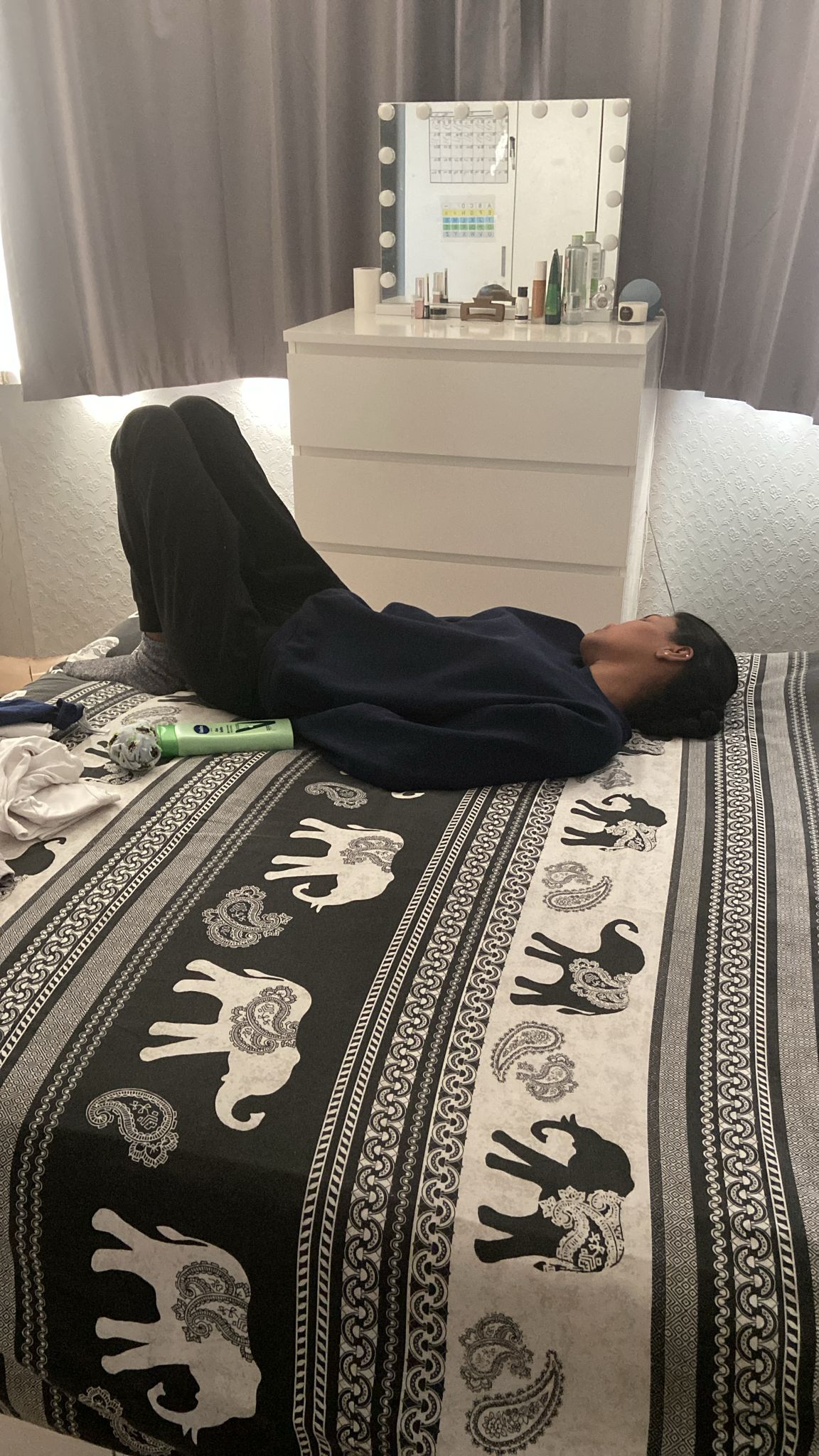
As the months went on, everyday tasks became increasingly challenging. Eating became difficult because I struggled to swallow. My speech deteriorated to the point where communicating with others felt exhausting. There were moments when I couldn’t get the words out in the way I wanted to, even though I knew exactly what I was trying to say.
The journey to diagnosis
One of the most striking findings from the survey is how similar patients’ and caregivers’ experiences are. Both groups reported One of the hardest parts of that period was losing my independence.
I had always been someone who looked after myself, worked hard, and had plans for the future. Suddenly, I found myself relying on the people around me for support. My family became my lifeline.
Eventually, I was referred to neurology.
The investigations that followed finally began to uncover the cause of everything I had been experiencing. Testing pointed to Wilson’s disease.
Wilson’s disease is a rare genetic condition that causes copper to build up in the body. If left untreated, excess copper can damage organs including the liver and brain. In my case, it had already begun affecting my neurological function, which explained so many of the symptoms I had been struggling with.
Receiving the diagnosis was a strange experience.
On one hand, it was devastating to learn that I had a lifelong rare disease. There was fear, uncertainty, and grief for the life I thought I would have. I had questions about my future, my health, my career and what treatment would look like moving forward.
On the other hand, there was relief.
For the first time, I had an answer.
The symptoms weren’t in my head. I wasn’t imagining them. There was a genuine medical explanation for everything my body had been experiencing.
Starting treatment came with its own challenges. Some of my neurological symptoms initially worsened before they improved. It was frustrating because after finally receiving a diagnosis, I wanted recovery to happen immediately. Instead, I had to learn patience.
Advocate for yourself
Recovery has not been linear.
There have been good days and difficult days. Some symptoms have improved significantly, while others continue to affect me. Fatigue remains a part of my life, and there are times when my speech becomes more difficult when I am tired or run-down. Living with a chronic condition means learning to listen to your body in a way you may never have needed to before.
One of the biggest lessons I have learned is that healing takes time.
If there is one thing I wish more people understood about rare diseases, it is the importance of listening to patients. We know our bodies. When someone repeatedly tells you something doesn’t feel right that concern deserves to be taken seriously.
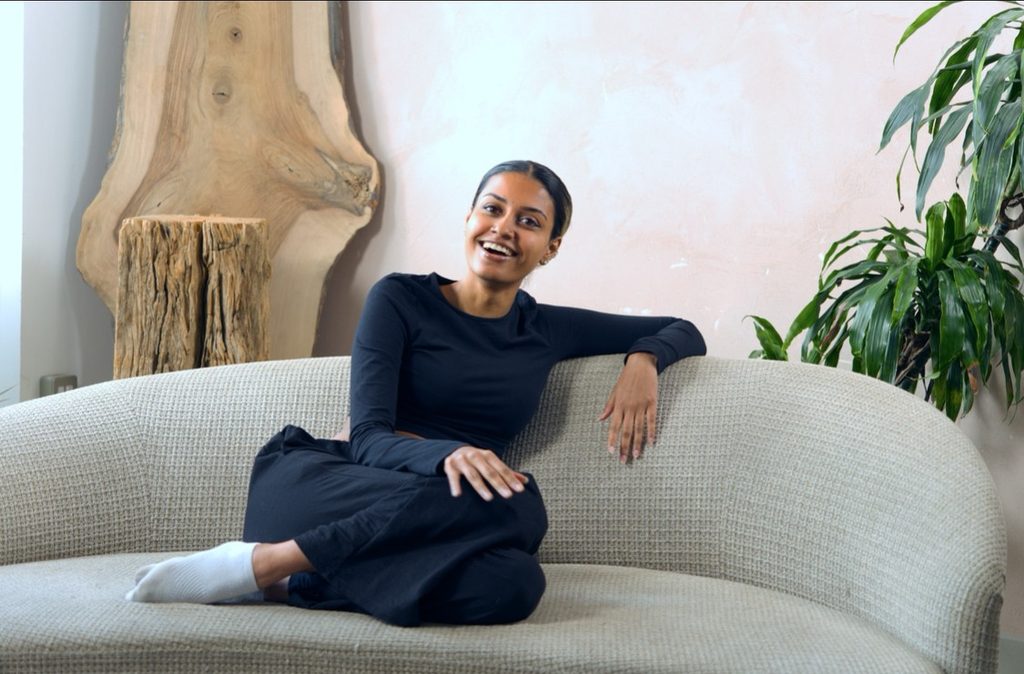
For anyone currently searching for answers, my message is simple: keep advocating for yourself.
You know your body better than anyone else. If something feels wrong, continue asking questions and seeking support. Rare diseases can be difficult to diagnose, but persistence matters.
Wilson’s disease changed my life in ways I never expected. It affected my health, my confidence, my independence and my plans for the future. But it also taught me resilience, patience and the importance of having people around you who believe you.
My diagnosis gave a name to what I had been experiencing, but it did not define who I am. I am still learning, adapting and moving forward—one day at a time.
To find out more about my diagnosis and my journey with Wilson’s disease, follow me on Instagram at @track.my.copper