“It’s a marathon, not a sprint”: learning to live with myositis
SPONSORED CONTENT
When Guillaume Freund lined up for a brutal 45km race in the French Alps, he thought the biggest test of his body would be the mountains. Months later, unexplained weakness, near-fainting spells and rapid weight loss would reveal a very different challenge: immune-mediated necrotising myopathy (IMNM), a subtype of myositis. Today, he describes chronic illness as a lifelong marathon—one that reshaped his work, relationships and sense of purpose
Written by Nicola Miller, RARE Revolution
Interview with Guillaume Freund
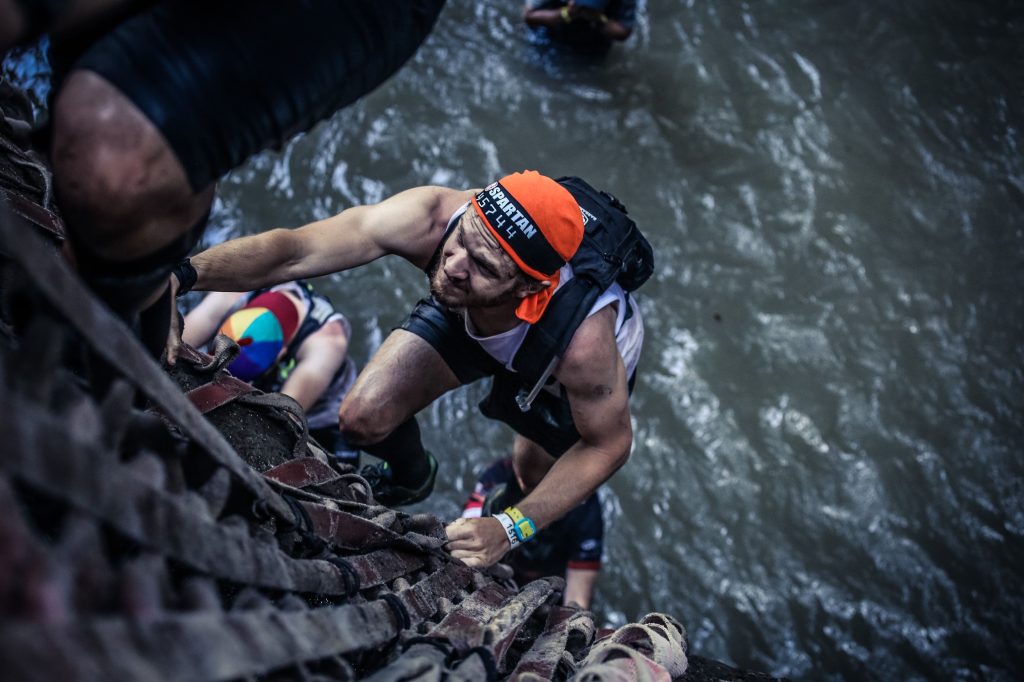
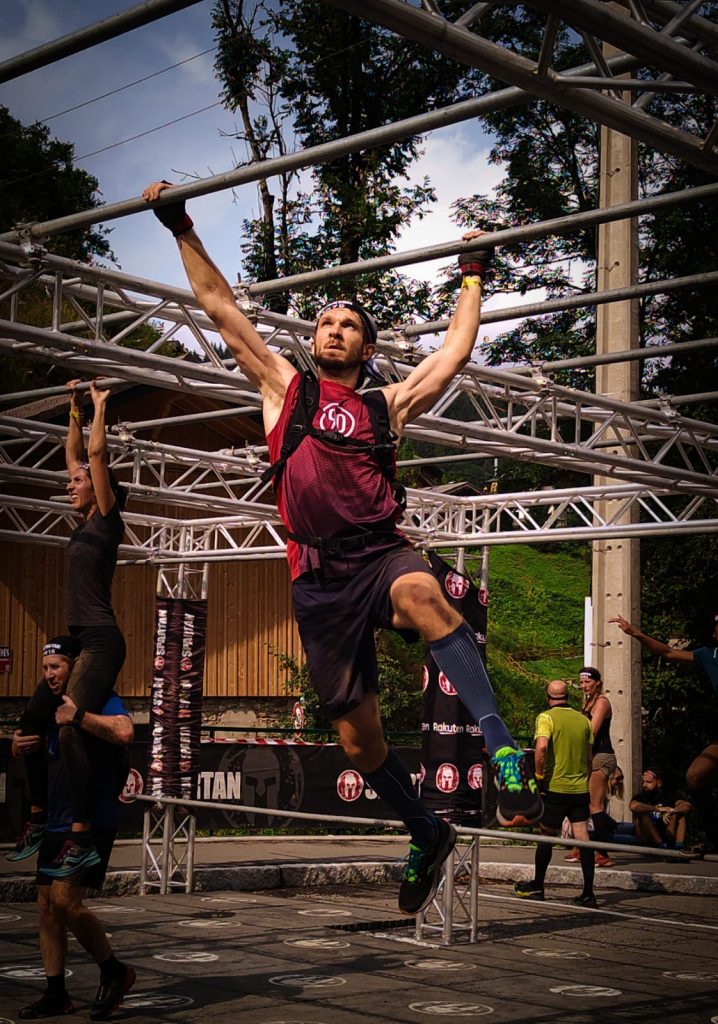
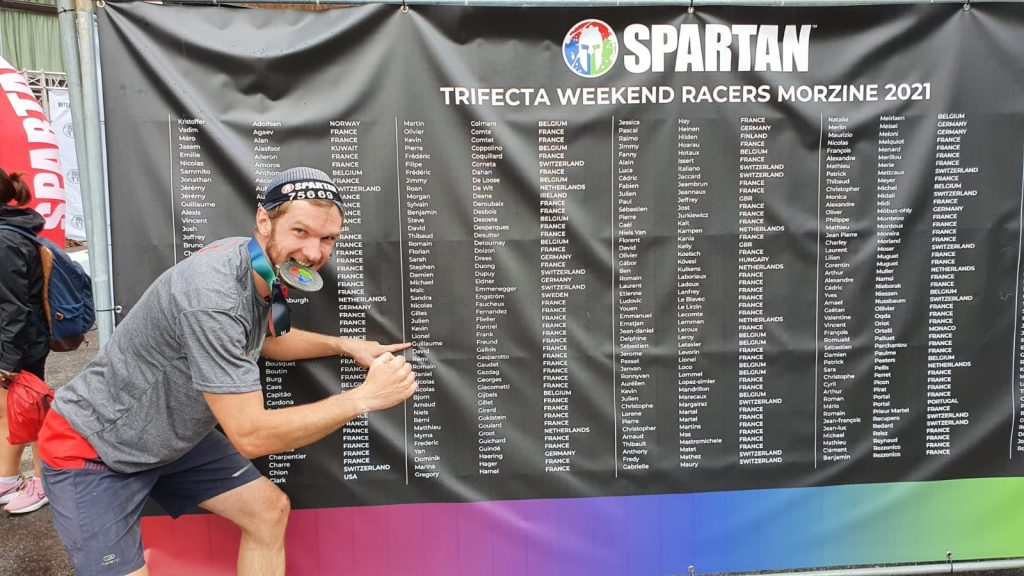
In the summer of 2021, Guillaume Freund took on a 45km race that would take him across the French Alps, over 2,000m of elevation and 100 obstacles. A challenge of a lifetime.

Having injured his ankle during the run Guillaume was forced to take a four-month break from exercise; however, when he made his eager return to running, he immediately knew something had changed. “Initially, I put it down to months without exercise, assuming I was just out of shape,” he recalls. But then, ‘month-after-month’ of failing to find his stride, Guillaume sensed something else was ongoing. “I was really tired when I ran, and at times, almost fainting.” This developed into intense fatigue, muscle pain and weakness in his legs, noticing his lips turning blue during exercise.
Thanks to a perceptive general practitioner—who checked his creatine phosphokinase (CPK) level (an enzyme found in the heart, brain and skeletal muscles)—and quickly referred him to a leading rheumatologist, Guillaume’s diagnostic odyssey was relatively short. Within months, Guillaume was told he had the rare condition, immune-mediated necrotising myopathy (IMNM), a subtype of myositis.
That speed, he knows, changed everything.
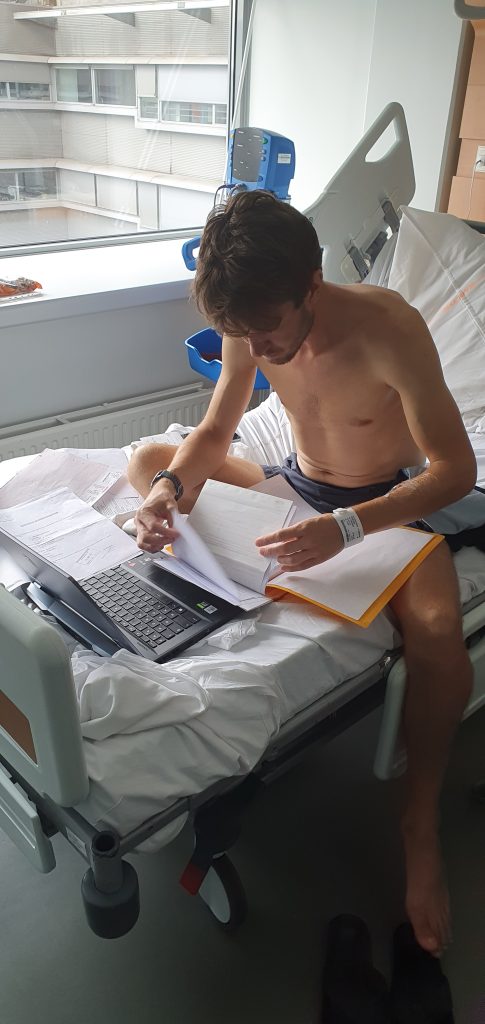
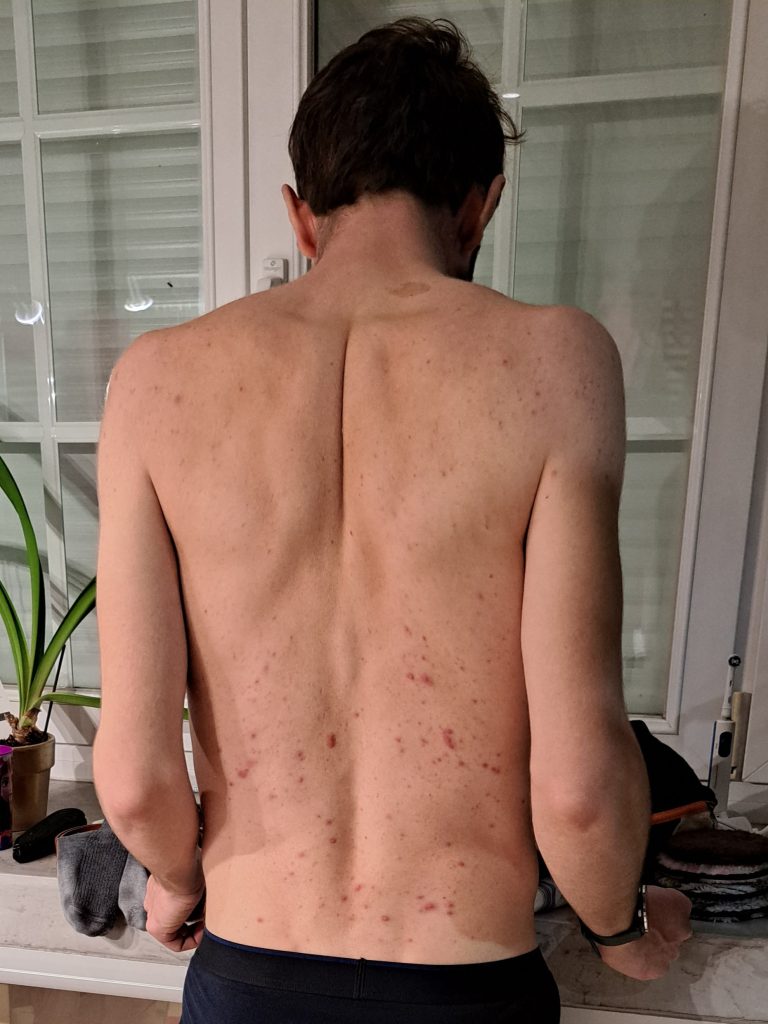
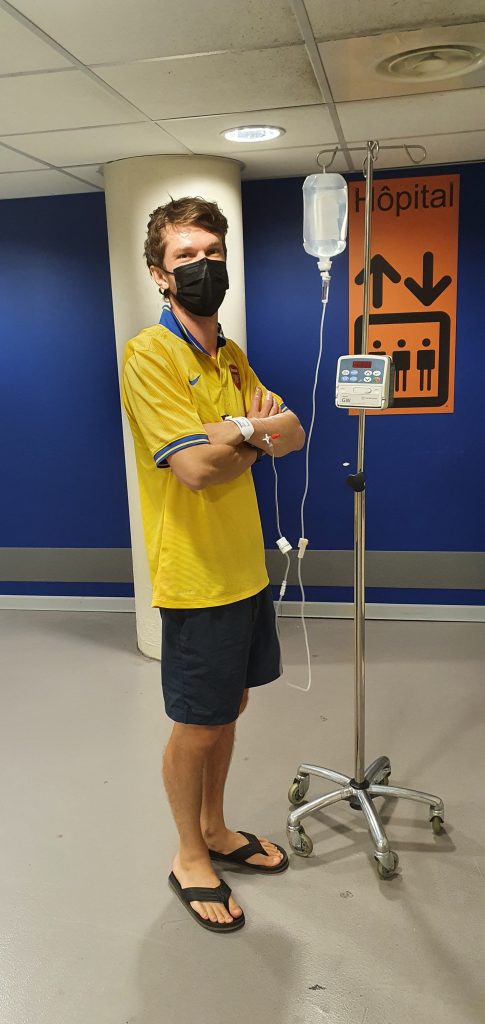
Guillaume believes that this early diagnosis is the critical difference between effective rehabilitation and retention of functions, versus facing permanent loss of function.
“The fact that I had the chance to start the treatment without delay was crucial. In my case, I lost 22 pounds in three weeks; I went downhill fast, but this prompt treatment meant I never lost the ability to walk.”
Finding balance
When Guillaume was first diagnosed, his treatment plan was aggressive: “At the beginning, it was purely chemical,” he says. “I had high level corticosteroid combined with an immunosuppressant, and latterly intravenous immunoglobulin—they wanted to hit hard from the beginning.”
Corticosteroid worked, but at a cost of unfavourable symptoms. For more than two years, the dosage was slowly tapered down—only to relapse. That relapse led to rituximab (a monoclonal antibody therapy), then further fine-tuning to find a balance that controlled the disease without destroying his immune system.
But it wasn’t just chemical therapeutics that formed Guillaume’s road to rehabilitation.
“I changed my way of living. My levels of stress, nutrition, exercise, my professional life. I changed almost everything in my life.”
Today, under a balanced treatment protocol, Guillaume describes his condition as “more or less managed”. Monthly CPK tests act as an early warning system.
Guillaume is acutely aware that the balance is fragile—the daily battle has shifted from crisis to careful management and self-awareness of his fluctuating health.
Building a life around chronic illness
Living with a chronic illness like myositis requires constantly re-calibrating to meet the demands of daily life, work, family, intimacy and leisure.
Work: redefining productivity and presence
A professional life doesn’t necessarily halt for chronic illness, but it may change. Fatigue, hospital infusions, blood tests and flare-ups demand flexibility. Planning ahead becomes a survival skill.
Guillaume shares how this includes; energy mapping the week to ensure cognitively heavy tasks are scheduled away from treatment days or “crash days” that typically follow infusions; redefining productivity as a metric in favour of output over time at the desk. And radical transparency (where it’s safe) to allow for a supportive manager or team to aid management of side effects or infection risks easier.
Guillaume had a very positive experience with his workplace. After two months off work following diagnosis and initial treatment, his first day back began with a message from the CEO inviting him to talk: “He met with me and told me his ‘office is open’, adding ‘Whatever you need. I’m here to support’.” That culture of trust meant he never had to fight to have his needs recognised, making all the difference at the time.
For those who pivot careers, as Guillaume ultimately did, work often shifts from climbing a corporate ladder to seeking alignment:
“If I’m giving my limited energy to something, it has to matter.”
Daily life: micro-planning and invisible work
Myositis adds a second, invisible job: managing the body. Every mundane task; shopping, cooking, cleaning, commuting—requires advance calculation. Task triage becomes second nature. Constantly asking the question, “Can I do this?” and “What will it cost, and what will I have to drop tomorrow to pay for it?”
Buffers need to be built into everyday life—appointments spaced out to allow for recovery time; errands grouped to avoid repeated exertion and timings set to optimise energy levels and protect rest. All while acknowledging that pain, fatigue or side effects can derail any plan. People learn to keep a Plan B—and sometimes a Plan C—for these days.
Guillaume notes how to outsiders, life appears “normal.” Inside, there is constant mental arithmetic: how many steps, how much standing, how many hours of concentration are left in today’s “battery”?
Family life: whole of household impact
Guillaume is clear that myositis didn’t just happen to him. It happened to his family.
At the time of his diagnosis, his daughter was just an infant. Now six years old, Guillaume can still see the signs of the impact during these formative years. Today she lives with a lingering anxiety that her “father might suddenly disappear again”.
“She developed some kind of anxiety trauma. If I leave the house sometimes, she panics—at times, huge panic attack. She is worried I won’t come back.”
He and his wife were honest but age-appropriate at the time trying to shield her, yet still, their daughter absorbed the emotional atmosphere.
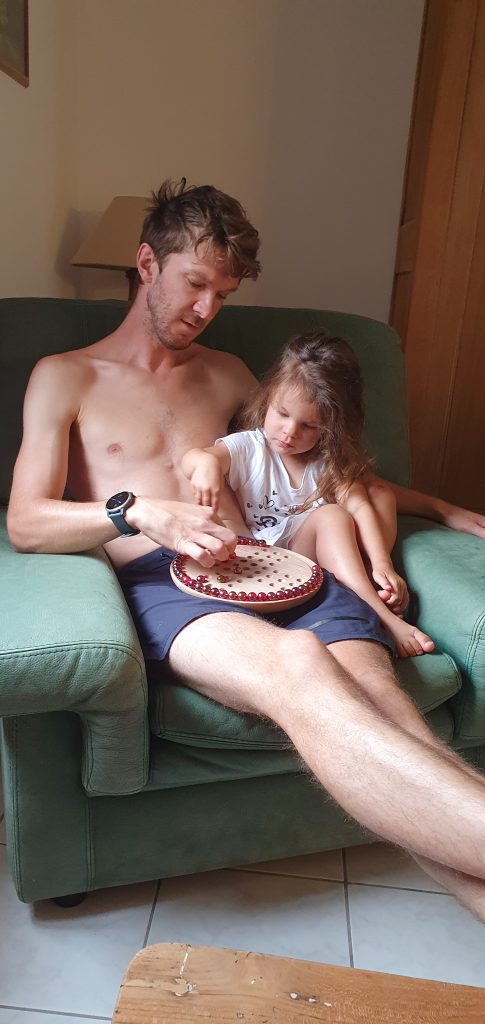
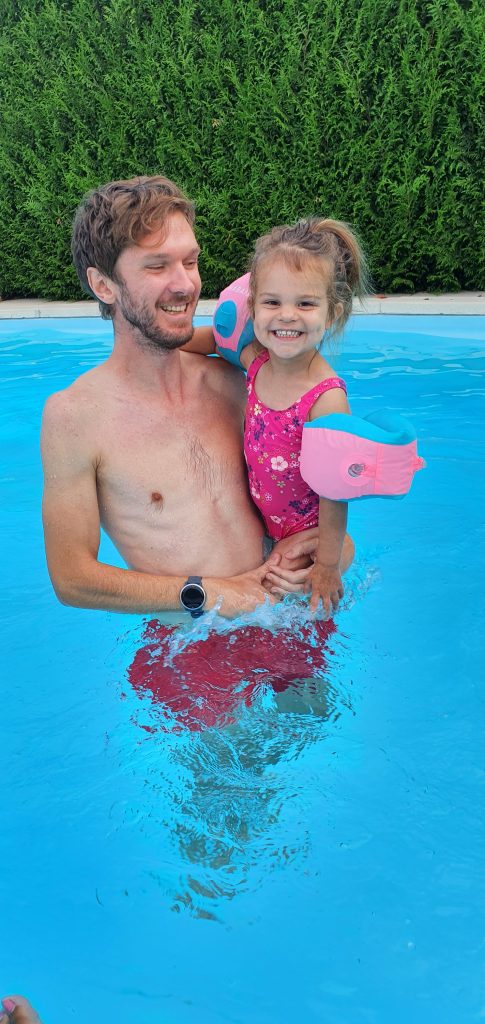
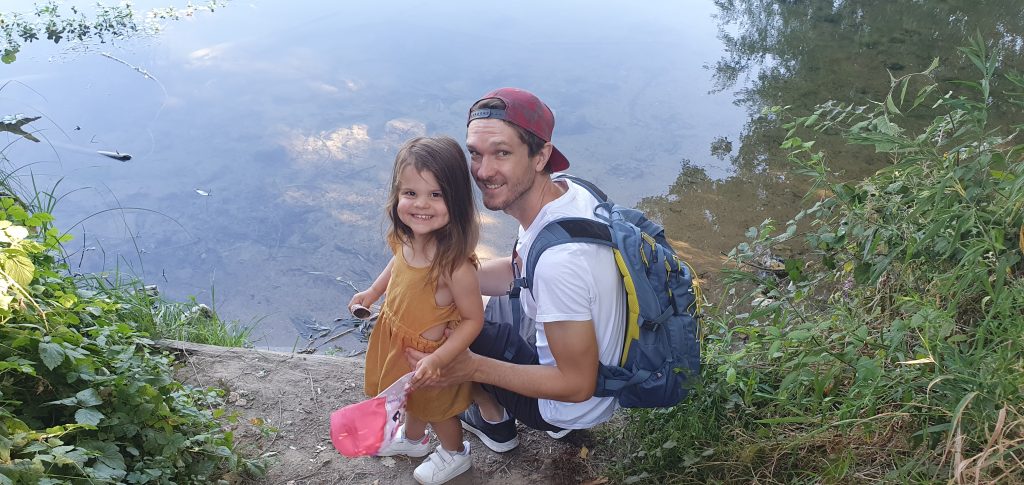
His wife, by contrast, faced a different kind of burden: the frustration of wanting to help physically but not being able to. Guillaume never needed hands-on care, and she could neither “take his place” at the hospital nor carry some of the treatment load for him. He realises now that he underestimated her emotional labour at the beginning and is trying to be more attentive to it.
Despite the current stability—Guillaume has already relapsed once, and he knows it could happen again and this uncertainty is felt by all. Daily planning within the family remains affected by treatment cycles, meaning holidays, birthdays and celebrations are scheduled around these to ensure optimum energy. In response, Guillaume feels that families who cope best are those who learn to treat the illness as a shared challenge while keeping the person’s identity bigger than their diagnosis: “still a parent, still a partner, still themselves”.
Intimate relationships: love in a changed body
Intimacy is often where chronic illness is felt most acutely and spoken about least. Pain, fatigue, altered body image and medication side effects (weight changes, scarring, mood swings, sexual dysfunction) can all intrude. Redefining intimacy and protecting the couple from these effects are crucial. So too are helping couples navigate the effect of uncertainty, which may rerail their plans and hopes for the future. Some days, intimacy is sex; other days, it’s a partner helping with injections or creams. Touch becomes both comfort and care.
When Guillaume started immunosuppressants, he and his wife were told he would need to stay on the protocol for three-to-five years, making conception of further children unsafe. Given their age at that time, they understood that this meant closing the door to something very significant. They had to “mentally let go of the idea” of extending their family and the vision of their life ahead.
Thankfully, and unexpectantly, that door reopened when Guillaume’s treatment regimen was changed and the possibility of a second child re-emerged. A possibility they embraced, and a new baby is due this summer. But Guillaume is aware that things do not always play in a couple’s favour in these situations.
Leisure and social life: choosing joy
Leisure opportunities are also impacted. While they don’t disappear; they become more intentional. Activities are filtered through both joy and cost.
For Guillaume his love of endurance sports has given way to gentler forms of movement, creative pursuits and advocacy work that offers meaning as well as connection. Exercise is reframed as therapy: rebuilding muscle, protecting long-term function, not chasing personal bests.
Social gatherings like parties, dinners and events are weighed up against a backdrop of infection risk and recovery time. Balancing one’s own health without disappearing socially becomes a conscious choice. For many, the hardest part is not the reduction in activity, but the misinterpretation of it: friends who assume disinterest, colleagues who read boundaries as laziness, strangers who see wellness where there is only well-masked effort.
Personally, this is an area where disease stability has equated to balance, as Guillaume explains, “Now I have a social life like before. I really thought that I would have to stop hugging people, stop shaking hands, stop travelling and so on. But honestly—I’m really living life well now.”
The mental marathon and looking ahead
Guillaume describes the early phase after diagnosis as “action mode”: treatment, hospital, survival. The psychological impact came later, once his body had stabilised.
“After one year of treatment. I felt better physically, but paradoxically, I had the greatest mental struggle. I felt the need to talk to my peers, seeing a psychologist helped me to pinpoint this need.”
For him, living with myositis is a constant discipline rather than a dramatic daily crisis:
“Living with a chronic condition is something particular. It’s really a day-to-day commitment towards yourself that you have to cope with daily. It is, he says, “a marathon. You cannot sprint your way through decades of disease management. You pace yourself. You adjust. You keep going.”
As Guillaume takes a hiatus from his 15-year career in biotech, including a decade in a company manufacturing raw materials for gene therapy he is considering how this wealth of knowledge can be best directed for impact. “I feel the urge to use my background for the community,” he explains. “I want to do something with greater focus on patients, and less on business.”
He’s careful not to “spit in the soup”—the industry taught him a great deal—but the experience of becoming a patient shifted his compass. With a PhD in molecular biology and lived experience of a rare autoimmune disease, he realised he could act as a bridge:
“I know I have this ability to understand the biology. I almost feel obliged because I understand things that some other patients perhaps don’t. I can be a bridge between the specialists, the researchers and patients.”
Today, he is “building something new” rather than returning to the biotech corporate track. The first brick was volunteering with AFM-Téléthon, France’s largest neuromuscular patient organisation—joining initially to connect with peers. Those conversations proved transformative—both emotionally and professionally.
Talking with other patients helped him process what had happened to him, and they, in turn, helped him recognise the value of his scientific and lived experience. Two years later, he joined the board of AFM-Téléthon. “A group of 20 parents and people affected by neuromuscular diseases, driving the strategy of the association for everyone affected directly or indirectly by the disease.”
The second brick was crafting his own project. With close friends, he founded Resonant Lives. This non-profit organisation creates and shares video portraits about illness, care and plasma and blood donation. Work, now, is less about productivity metrics and more about impact.
Myositis, in Guillaume’s life, means an ongoing recalibration of every part of daily living. It has reshaped his career, altered family dynamics, imposed a constant medical and emotional workload and forced him to be deliberate about energy, plans and priorities.
Guillaume has replaced the endurance sport of marathon running with the marathon of chronic illness—finding balance, purpose and an expanding family.
Articles are for information only and do not form the basis of medical advice. Individuals should always seek the guidance of their medical team before making changes to their treatment.
This article was sponsored by argenx.
argenx have had no editorial control over the copy, and all opinions are those of the contributor.
RARE Revolution Publishing® retains all copyright.