Listening to lead: how rare disease communities guide innovation

This article has been developed and funded by Ascendis Pharma UK Ltd.
Ben Whitehouse, general manager UK, Ascendis Pharma UK Ltd, underscores the importance of listening to and understanding the true patient experience in order to provide comprehensive care, and why a focus on quality of life must be central to defining meaningful outcomes
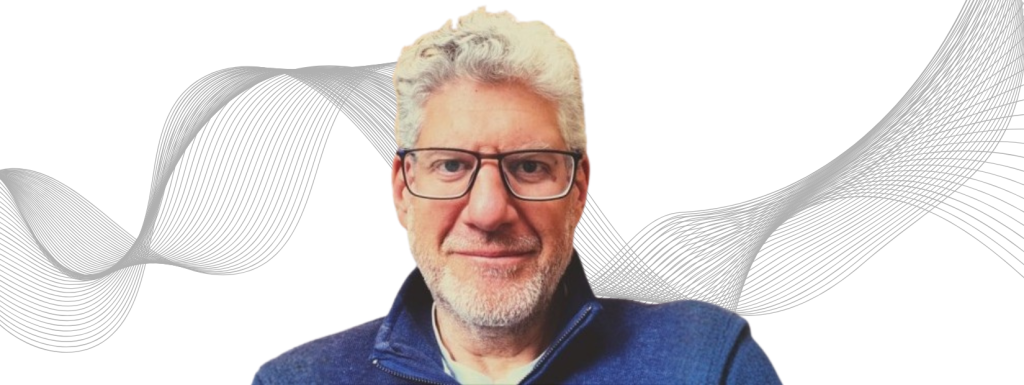
By Ben Whitehouse, general manager UK, Ascendis Pharma UK Ltd.
Across the UK, an estimated 3.5 million people live with a rare disease—conditions that may be uncommon individually but collectively shape millions of lives.1 Delayed diagnoses, fragmented expertise and limited treatment options mean many patients may experience challenges in accessing timely and effective care. They deserve greater visibility and understanding so that their needs are truly recognised and met.
Bridging the gap between scientific possibility and patient access is now one of the most important challenges—and opportunities—facing rare disease care.
Understanding the needs of rare disease communities
For people affected by rare endocrine conditions such as hypoparathyroidism, this reality is especially familiar. Yet behind every statistic is a story of resilience and desire for progress. Working in rare disease demands that we channel patient experiences into a drive to better understand, collaborate and improve outcomes. Across specialties, we must listen deeply, challenge conventions, break down organisational and clinical silos, and prioritise quality of life as the measure of success across the entire care ecosystem.
From my years of experience working in rare disease, putting effective support in place comes from understanding the clinical complexities of the condition as well as the lived realities that shape patients’ everyday experience. After all, patients and families develop deep expertise in their own condition, navigating challenges that aren’t always captured in clinical datasets but that are felt in homes, workplaces and relationships. They know best what meaningful improvement looks like.
For people and companies that deliver support to individuals affected by rare disease, hearing insights directly from patients is one of the first steps to truly understanding lived experiences. When we amplify and elevate patient voices, we create space for a more accurate and compassionate understanding of what it means to live with a rare disease.
Making quality of life a core goal of management
In my experience, grounding care in real-world experience can help ensure that patient management strategies are scientifically robust and aligned with what patients actually need. This is important in hypoparathyroidism, where conventional therapy with calcium and active vitamin D supplements aims to regulate clinical measures of serum calcium and phosphate levels. Yet many people who achieve these biochemical targets on conventional therapy still feel unwell, experiencing fatigue, muscle pain, anxiety and cognitive symptoms such as brain fog.
This disconnect between biochemical stability and still-diminished lived experience reinforces why quality of life must be central to how we define meaningful outcomes, rather than a “nice to have”.
Understanding the lived experiences of patients, improving how to best measure quality of life outcomes, and truly recognising the importance of quality of life in treatment guidelines is helping to bridge the gap. Encouragingly, the recently updated European Society of Endocrinology Clinical Practice Guideline on the treatment of chronic hypoparathyroidism in adults now acknowledges the importance of improving quality of life as well as relieving symptoms of the disease and long-term prognosis—a welcome shift that reflects what patients have been telling us for years.2
Equally important is communication with patients. Compassion is a hallmark of the NHS, and acknowledging the everyday impact of symptoms can spark more meaningful management conversations. Sometimes, asking the simple question “How have you been doing?” opens the door to better, more personalised care.
Shaping care to improve quality of life
Medicines play an essential role in improving outcomes. Yet the reality remains stark: only 1 in 20 of the approximately 7,000 known rare diseases currently has an available treatment on the NHS.3 As a result, UK patients may wait years for innovation to reach them or miss out entirely.2
At Ascendis UK & Ireland, we are committed to supporting initiatives that enhance care, understanding and awareness for people living with hypoparathyroidism. We work closely with healthcare professionals, patient organisations and other partners to help address the challenges faced by the community and to contribute to broader improvements in patient pathways and support.
But enhancing lived experience involves more than access to medicines. Rare disease care pathways are often fragmented, with limited specialist expertise and inequitable service provision across regions. In hypoparathyroidism, for instance, specialist support is available in a limited number of hospitals across the UK.
To deliver the best possible care, the health system must function as a joined‑up whole to support earlier diagnosis, clearer referral routes and stronger communication and continuity across all levels of care.
What guides us every day
At Ascendis Pharma UK & Ireland, our work is driven by our values of Patients, Science and Passion and is grounded in a central belief—that real progress comes from focusing on what matters most to patients: their unmet needs, their quality of life and the realities of their care. When efforts are aligned in this way, actions become more meaningful and progress more purposeful.
Given the complexity of rare disease care, cultivating the right internal culture is essential. Our teams are empowered to collaborate fluidly, bringing together diverse perspectives and holding ourselves collectively responsible for delivering meaningful change.
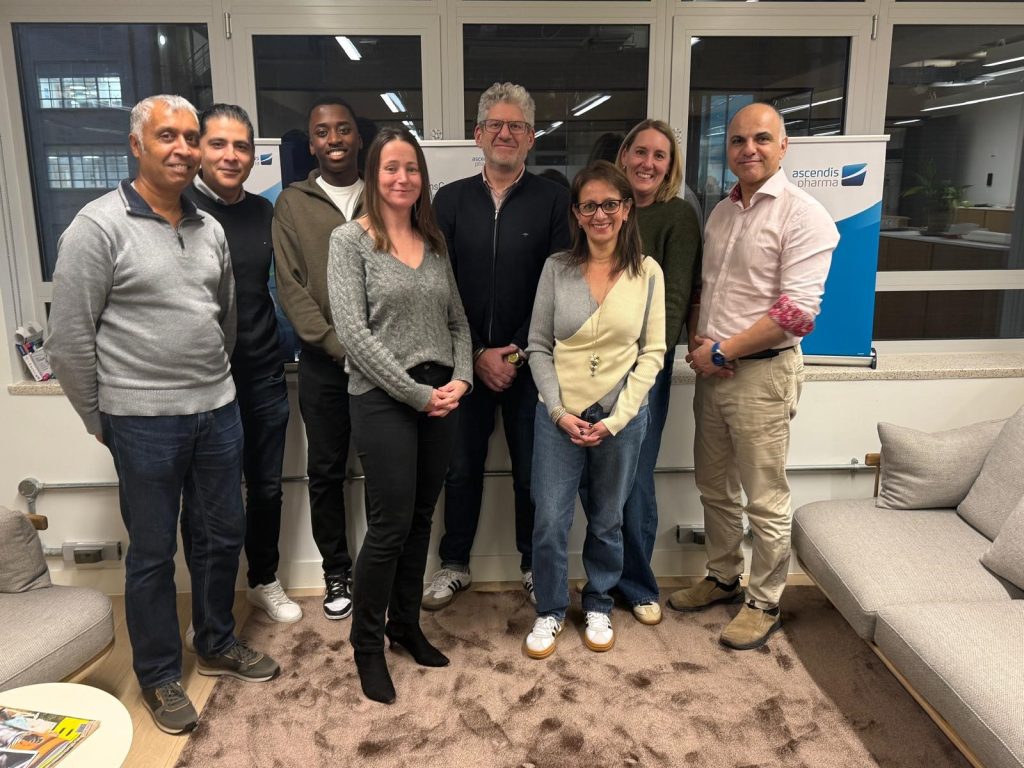
We work hard to lead with this sense of purpose at Ascendis UK & Ireland. As a result, our local team feels connected to the communities we serve. Rare diseases like hypoparathyroidism require leaders across specialties who listen as much as they act, who embrace complexity rather than shy away from it, and who treat overall health and quality of life as a north star.
Driving forward with purpose
Understanding how conditions like hypoparathyroidism shape daily life for patients living with significant health and quality of life impacts should compel all of us to do better.
Improving lived experience requires leveraging science to address unmet medical needs, doing all we can to ensure innovation reaches patients, coordinating services more effectively and, above all, asking people how they are really doing. Progress in rare disease is built on humility, courage and collaboration. When we listen to lead, we support a more comprehensive approach to health that is not only more effective, but more responsive and compassionate.
As we look ahead, I remain determined to deliver meaningful progress for the hypoparathyroidism community in the UK. This condition may be rare, but its impact is profound—and so is our opportunity to improve lives.
References
[1] Genetic Alliance. Facts and figures. Available at https://geneticalliance.org.uk/campaigns-and-research/facts-and-figures/. Accessed April 2026.
[2] Bollerslev, J., Buch, O., et al. Revised European Society of Endocrinology Clinical Practice Guideline: Treatment of Chronic Hypoparathyroidism in Adults, European Journal of Endocrinology, Volume 193, Issue 5, November 2025, Pages G83–G112, https://doi.org/10.1093/ejendo/lvaf222.
[3] Genetic Alliance. Access to rare disease medicines in the UK. Available at https://geneticalliance.org.uk/wp-content/uploads/2024/02/Access-to-medicines-factsheet.pdf. Accessed April 2026.
UK-CORP-2600012 | April 2026
This article has been developed and funded by Ascendis Pharma UK Ltd. For more information visit https://ascendispharma.uk