Living and advocating through a complex medical journey: erythromelalgia, visual snow syndrome and autoimmune dysregulation
Written by Sierra Domb
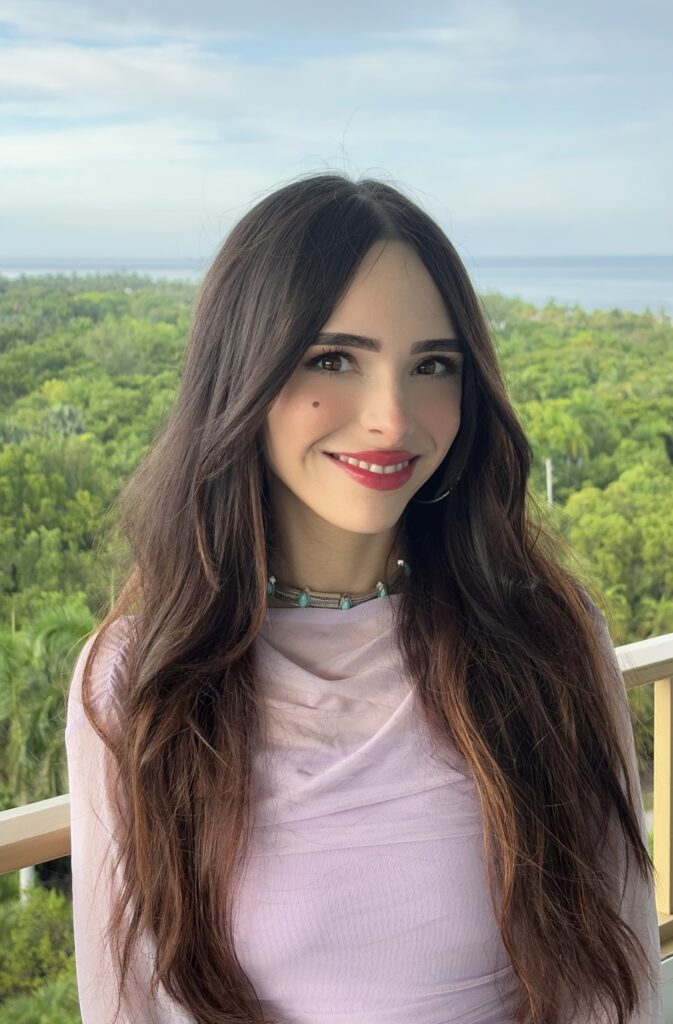
Sierra Domb shares her medical journey living with erythromelalgia and autoimmune dysregulation since childhood, and visual snow syndrome since young adulthood, reflecting on how these experiences shaped her global advocacy, scientific work, personal resilience and outlook on life
Erythromelalgia and autoimmune dysregulation since childhood: challenges, nuance and resilience
Living with a rare, chronic or misunderstood condition often means navigating a world that wasn’t designed with you in mind. I struggled with chronic immune and neurovascular conditions, primarily erythromelalgia (EM) and autoimmune dysregulation, which made daily life unpredictable and challenging. EM is a rare neurovascular disorder that causes episodes of severe burning pain, swelling, redness and heightened blood flow in the extremities, often triggered by heat, activity or stress. Autoimmune dysregulation is a condition in which the immune system malfunctions, attacking the body’s own tissues and creating a cascade of inflammation and immune-related complications.
My health issues frequently made me feel different from other kids. Adolescence was marked by physical pain, fatigue and frequent medical appointments, along with the emotional strain of managing my health and navigating a complex medical system at a young age, all while trying to keep up with school, work, activities and social life. Initially, I did my best to fit in, even when it felt impossible, but I did not always succeed.
Physical differences, whether from my conditions or visible side effects from various medicines to manage them, were often pointed out. At first, I wanted to hide these parts of myself just to make the cruelty stop, but they were not something I could simply will away. I felt as though I had to live life on the defensive, always expecting that someone might say or do something hurtful. There were days when the simplest tasks felt impossible and days when I managed to push through, reminding myself that every small effort was a victory. Looking back, I realise that these early experiences guided me to embrace nonconformity, empathy and the awareness that beneath the pleasantries and conventions society encourages, people are often facing struggles that are not always apparent, whether health-related or otherwise.
The onset of visual snow syndrome (vss) and cumulative struggles
At age 21, I developed a new condition, adding another complex layer to my medical journey: visual snow syndrome (VSS), a neurological disorder that affects vision, sensory processing and cognition, and caused debilitating visual and non-visual disturbances that severely impacted my daily life for years after onset. Fear and uncertainty became constant companions. Many doctors were unfamiliar with the condition and some initially misdiagnosed me with degenerative blindness or a terminal illness. Conventional tests repeatedly returned normal results, leaving me without answers, resources or validation, and in some cases, with doctors questioning whether my symptoms were real.
Faced with these challenges, there came a point when I could no longer push past my conditions. The combined impact of my symptoms, misdiagnoses medical marginalisation, and lack of resources and support had become overwhelming, particularly with the onset of visual snow syndrome. I could no longer see or function in a way that felt familiar and the combination of physical and emotional pain became difficult to bear. I had been part of the medical system from a young age, often hearing I was too young to be sick, not being taken seriously despite having legitimate, scientifically recognised conditions. and dealing with the consequences of limited awareness within the medical community. These experiences shaped my life in profound ways.
I worked as hard as I could to continue school and push through the pain, even when I could no longer drive or see clearly. I kept trying to be someone who could adapt to a world that often felt inaccessible and uninformed, but eventually the burden became too heavy.
Channelling physical and emotional pain into global advocacy and progress
I soon discovered I was not alone. Millions of people of all ages worldwide experience similar symptoms, yet awareness, research and resources were scarce. Connecting with others online revealed both new insights into these conditions and harsh realities. This shared struggle made it clear that patients with rare or misunderstood conditions often face not only the direct impact of their health but also systemic neglect, misunderstanding and lack of resources and support.
I had accepted suffering in silence, but learning how many others of all ages were affected worldwide impacted me in a way that my own experiences alone had not. As a way to cope, I channelled my experiences into educating myself on advocacy, building awareness, understanding, research and resources for those facing similar struggles. What I was going through was objectively negative, so reframing it allowed me to create something constructive from it. I wanted to look back and see that, despite the hardship, some good had come from it. With the experience and knowledge I gained, I could contribute in some way to something positive in the world that might make someone’s life a little easier.
This led me to found the Visual Snow Initiative (VSI) at age 23, through which I have worked on advocacy, global research collaborations and resource-development projects to improve the recognition of visual snow syndrome, including securing the first ICD-11 codes from the World Health Organization (WHO) for the condition and its hallmark symptom, visual snow. My work expanded to humanitarian initiatives for under-recognised medical conditions, fostering interdisciplinary collaboration, building research infrastructure and creating accessible, multimodal medical resources for conditions such as VSS, erythromelalgia and other neurological and neurodevelopmental disorders with severe symptoms and limited resources. I have also contributed as a guest speaker and writer for the Erythromelalgia Association (TEA), sharing insights from neuroscience and gradually expanded my advocacy to include additional underrepresented health topics, such as accessible education on homeostasis and the ways neurotransmitters and hormones affect women’s health and chronic illness.
Beyond the physical pain of many rare conditions lie additional challenges, including limited resources, lack of understanding, misdiagnoses, medical marginalisation, high costs and lengthy wait times, as well as navigating a society that is not designed with inclusivity, accessibility or support for individuals with invisible illnesses or conditions that are visible but not met with sensitivity or understanding. Daily responsibilities such as managing school or work, transportation, socialising, other tasks and simply being awake, sitting or lying in discomfort can be extremely difficult, compounding physical challenges and taking an emotional toll, often with devastating effects on patients of all ages and their loved ones. I now serve on the International Advisory Board for the Columbia-WHO Center for Global Mental Health, where I work to challenge stigmas surrounding neurological and neurodevelopmental disorders with severe symptoms and scarce resources, while advocating for improved support in underserved regions and addressing the impacts on both physical and mental health.
Isolation, impact and humanity: reflections on living with rare and chronic illnesses
While I often long for a fully healthy and functioning body, I’ve learned to appreciate the parts that do work and celebrate small victories. Living with multiple rare and chronic conditions brings constant medical, emotional and societal challenges, and navigating a world and systems that weren’t designed to include you can feel frustrating. I don’t think advocacy is for everyone, and that is okay. Some days, a victory feels monumental, helping millions by securing an ICD code from the WHO for a condition unrecognised since 1944, developing educational resources or facilitating research that uncovers biomarkers. Other days, a victory is much smaller but no less meaningful, simply sitting somewhere while fighting through sickness and pain, or making it to a doctor’s appointment when even the commute feels impossible. Those moments remind me that advocacy is not just about grand gestures; it is also about perseverance in the face of limitations.
Through it all, I’ve learned to embrace the parts of myself I can, to focus on what is within my control and advocate for what matters to me. Living with these conditions has also shown me that science and humanity are both essential. Every research breakthrough, every compassionate interaction with a caregiver or professional and every patient who shares their story brings us closer to a more informed world and constructive progress.
About the author
Sierra Domb is a medical advocate, health communicator and research collaborator who has helped advance care for under-recognised neurological and chronic conditions, including visual snow syndrome, erythromelalgia and autoimmune disorders, while also highlighting critical yet often overlooked topics such as women’s health, homeostasis and the role of neurotransmitters in overall health. She has created research collaborations, globally accessible educational resources and patient-centred initiatives that promote health literacy, physician-patient communication, resilience through adversity and healthcare reform. Drawing on her personal experience living with complex medical conditions, Sierra has transformed challenges into actionable initiatives that educate, inspire and drive impactful change worldwide.
Rare Patient Voice are the proud sponsors of the Patient Voice section of RARE Revolution for February, March and April 2026. They provide patients and family caregivers an opportunity to participate in all types of research including market research, health economics outcomes and real-world evidence, user experience/human factors studies and clinical trials. The RPV community includes over 185,000 patients and family caregivers across more than 1,500 diseases, both rare and non-rare, in nine countries. Learn more here.