One voice reaches RARE everywhere!
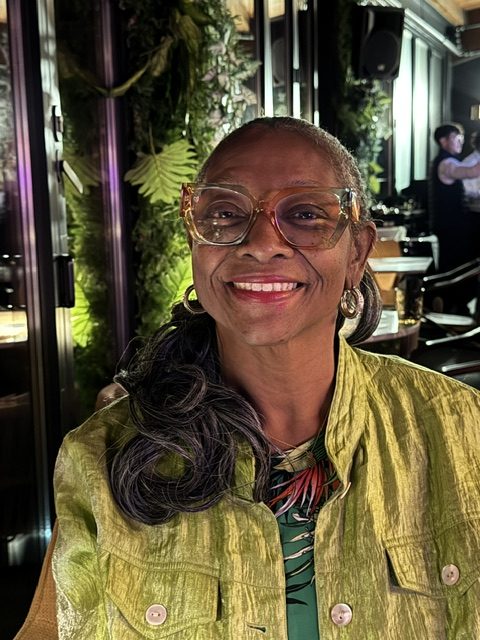
Growing up with negative experiences of healthcare and discouraged from openly sharing her health issues, today Connie Lee Montgomery shares her story on national and international stages and uses her voice to effect meaningful change, especially for underrepresented communities

Written by Connie Lee Montgomery, global patient advocate, retired occupational therapist
Most people are uncomfortable with things that present out of the ordinary. No one really knows why unique circumstances and non-traditional experiences give humans pause, but it happens. So often we are affected by this deeply and frequently in healthcare. A huge reason is because most healthcare protocols, research, programmes, medications and products are not implemented for, or with, individual patients in mind. Realising this, I took it upon myself to share my healthcare journey around the globe. This was not something people from where I grew up would do, but by the grace and mercy of God, I did it. My faith propelled me forward in all my challenging seasons and situations.
My individual voice has made a huge impact by being open, honest and transparent about things that are not easy to talk about. First being, telling folks about personal issues and experiences is not encouraged in the Gullah Geechee culture (descendants of West and Central Africa). Second, sharing with others that I have a chronic bleeding issue that impairs daily function can be emotionally taxing.
But I realise, as I move forward with sharing my story, it can encourage others and let them know we can all advocate for better care for ourselves and/or loved ones.
My mother, Willett G Montgomery, the matriarch of our family, believed that people would stigmatise or see me as weak if we shared my health issues. Our family did not have a formal diagnosis but we knew something was wrong. Nosebleeds for 10-15 minutes, black and purple bruising, huge swollen joints and menstrual problems that were never ending were common symptoms I lived with. My mother believed Western medical practitioners did not care about the health of Black and Brown patients. She had earlier experienced it herself and even while desperately trying to access medical attention for me, against her cultural beliefs, we were told we were lying and were dismissed. Therefore, I learned to use natural remedies to try and ease my symptoms.
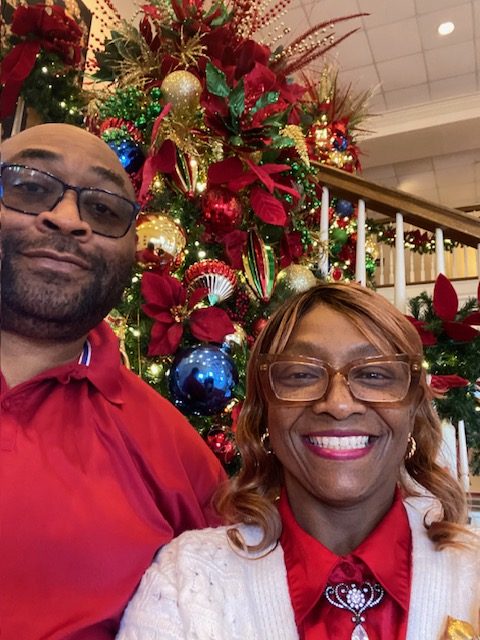
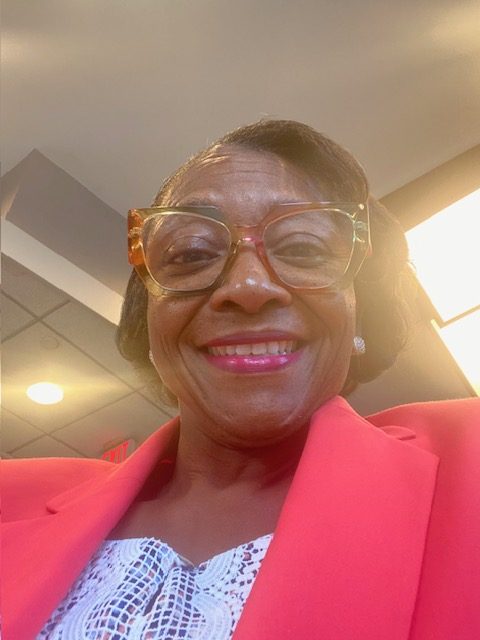
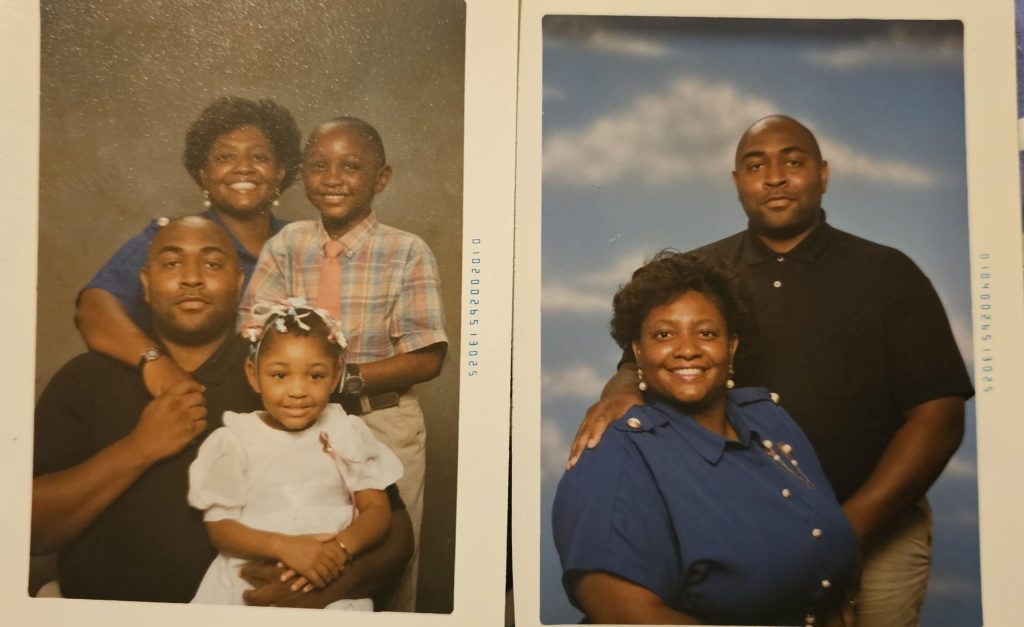
For years, after my negative experiences with previous clinicians, I did not return to a doctor until I was married and was family planning. That was an endless nightmare and all the clinicians I encountered did not listen to a word I shared. If they had listened, someone would have discovered my congenital bleeding disorder before my mid 30s. Also, I would not have had to have two emergency c-sections 3 and a half years apart, nearly dying both times while delivering my two children. Most importantly, my diagnoses of FVIId (factor VII deficiency) and pemphigus vulgaris would have been treated. Then maybe I could have had a treatment plan in place to have a safer and improved gestational experience and delivery.
All these events led me to voicing my concerns in healthcare research on national and international stages. Sharing these experiences paved the way to a global patient advocacy trajectory. I knew if I wanted to impact change, I needed to stress the importance of patients being at tables and in rooms where we have not been before. Then, encouraging folks to see the value in patient insights from wayfinding, designing patient facing materials and developing solutions in healthcare/research that worked for patients.
We, the patients, need to provide the input that only we have.
One room, one person and one voice conversing with many individuals at a time has been my mission. We are all complex, whole individuals that need ecosystems of care that work with, and for, us all. Health equity is possible when we start implementing and following up with people’s care this way. We also must consider the undervalued, unserved and underrepresented communities in healthcare research. This is the only way our methods of care are inclusive, validated and a true reflection of needs.
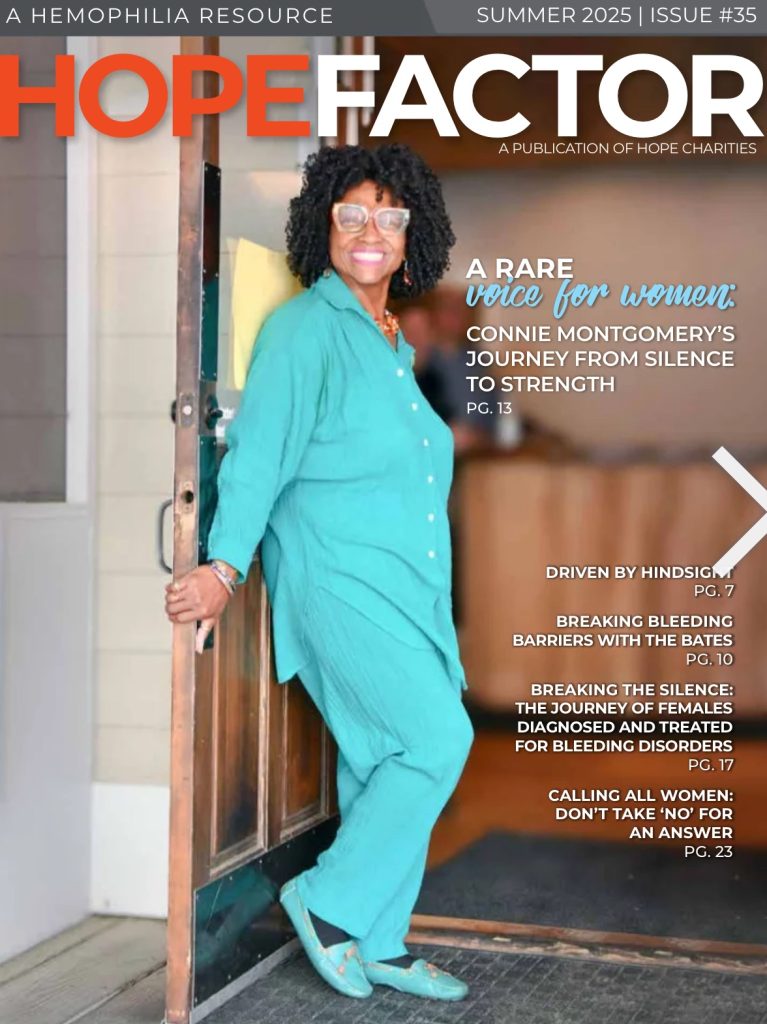
Now, a keen global ambassador for trialport.com, I encourage all individuals who are interested to get involved with healthcare and research. There are thousands of research surveys and clinical trials that may help someone or a loved one. Get registered and engaged in knowing what is out there that could help. If one has a rare condition, that is the best method to influence research information and clinical trials.
We in RARE are everywhere and now we are taking the lead for our care.
To connect with Connie, visit; connieleemontgomery.com or follow her YouTube channel, @EpicGlobalPatientAdvocate