Rare but strong: turning a diagnosis into a community

Like so many families receiving a rare diagnosis, when Marla Hamann’s daughter was diagnosed with TAR syndrome, she felt isolated. But in navigating this rare journey she has built a community and found there is true strength in belonging. Her mission today is to turn isolation into connection
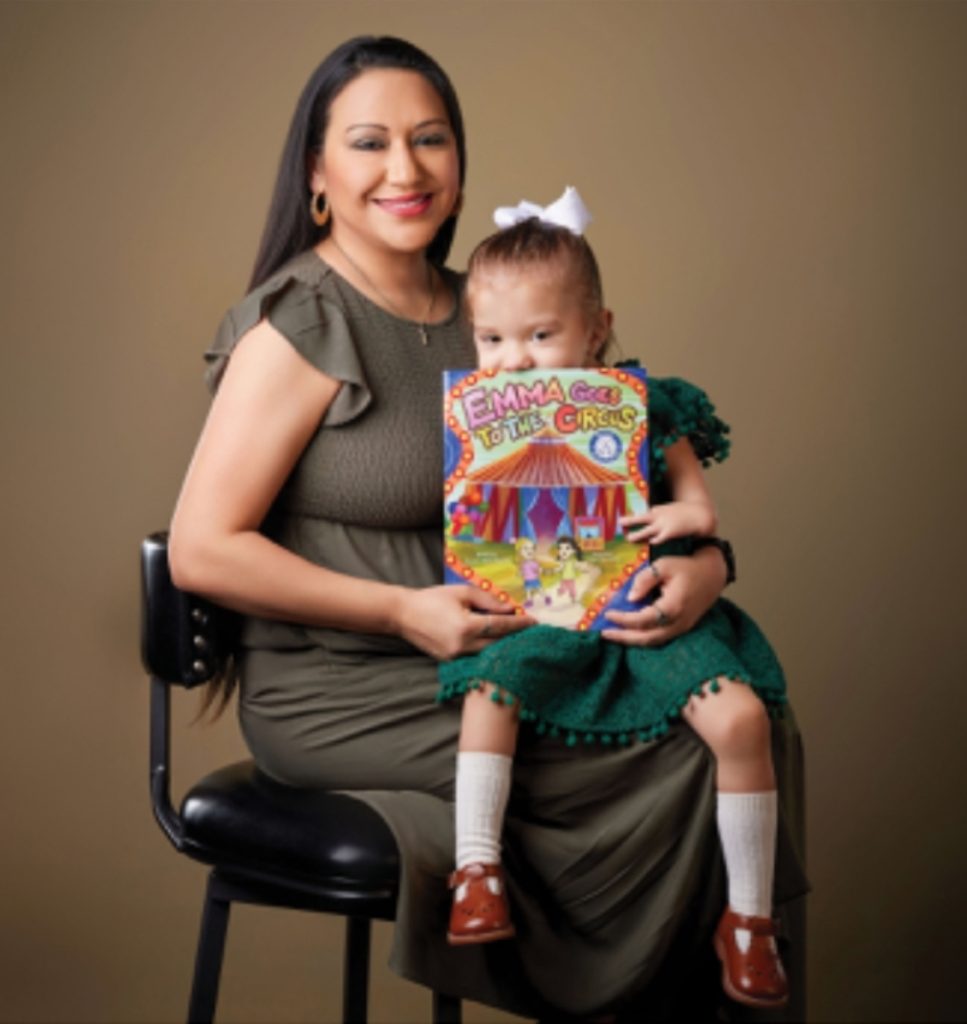
When my daughter Emma was born, I didn’t just receive a diagnosis—I stepped into a world I knew nothing about.
Emma was diagnosed with TAR syndrome (thrombocytopenia absent radius syndrome), a rare condition that affects limb development and platelet levels. Like many rare families, we were faced with more questions than answers. What did this mean for her future? What would her daily life look like? Where do we even begin?
In those early days, what stood out the most wasn’t just the medical complexity—it was the isolation. When a condition is rare, information can be limited and finding others who truly understand your journey can feel nearly impossible.
But what I’ve learned since then is this: rare does not mean alone.
Understanding TAR syndrome
TAR Syndrome is a rare genetic condition. Individuals are born without the radius bone in their forearms and may experience thrombocytopenia, which means low platelet counts. This can require careful monitoring, especially early in life.
While these clinical descriptions are important, they only tell part of the story.
Because behind every diagnosis is a child, a family and a life being lived in ways that don’t always fit expectations—but are no less full, meaningful or strong.
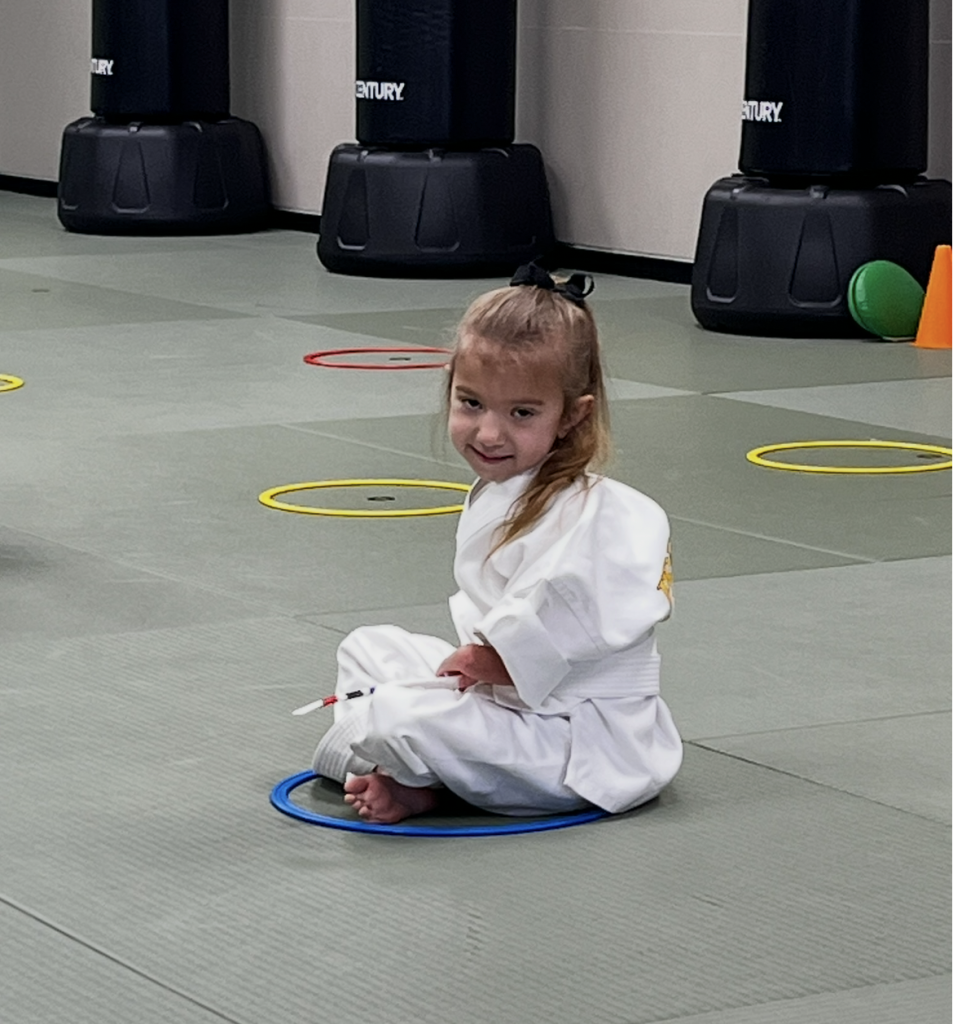
Emma loves soccer, playing the drums, karate and spending time with her baby brother. She adapts, she learns and she shows resilience in ways that continue to inspire me every day.
What life really looks like
Life with a rare condition often includes additional layers—more appointments, more planning and moments of uncertainty.
But it also includes laughter, growth, milestones and everyday moments that look just like any other family’s life.
Our children learn early how to navigate the world in their own way. They find solutions, build confidence and develop a strength that is hard to describe unless you’ve seen it firsthand.
What people don’t always see are the quieter moments—the questions, the unknowns and the emotional weight that can come with raising a child with a rare condition.
That’s why awareness matters. Because when people understand, even just a little more, it changes how they show up.
From isolation to community
Out of that early isolation, something began to grow.
What started as a personal journey became a mission to ensure that other families would not feel alone the way we once did. That mission led to the creation of TARS Awareness Texas and our inclusive community, TARS & Friends.
This community is built on connection, support and inclusion—not just for those affected by TAR Syndrome, but for families navigating all types of differences and disabilities.
It’s a space where people can show up as they are, share their experiences and feel understood.
Because belonging should never be rare.
Awareness in action
Awareness is important—but action is what creates change.
Through our work, we’ve focused on creating opportunities where inclusion is not just talked about but experienced.
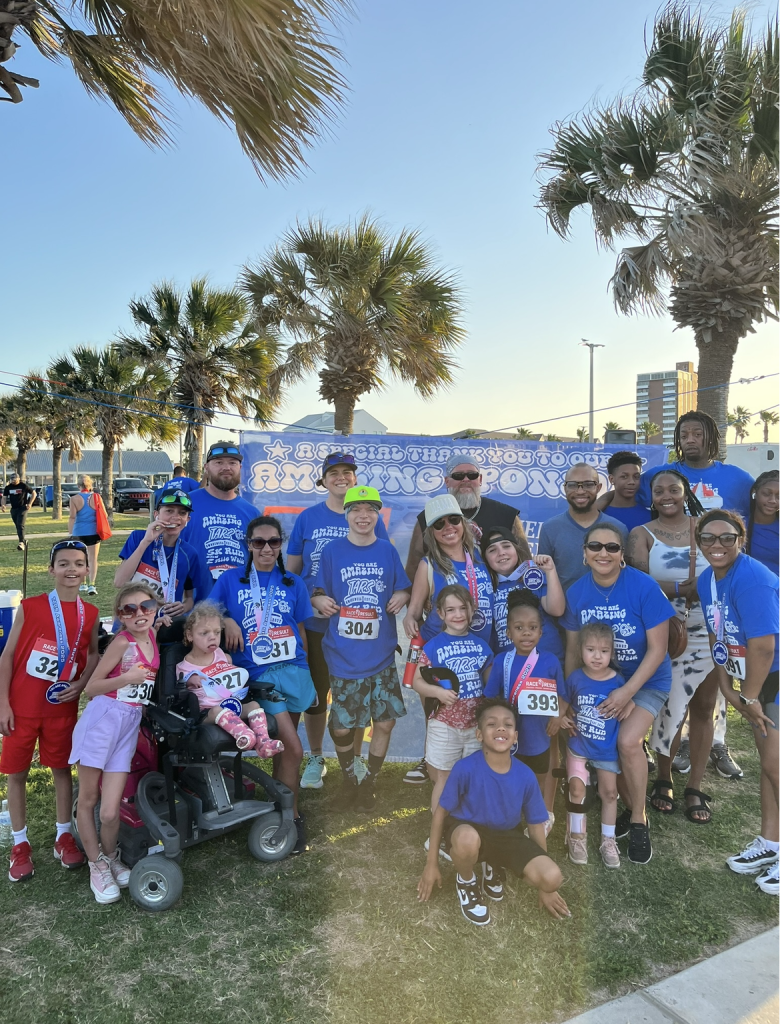
From community events to adaptive race chair programmes, we are working to make sure individuals of all abilities can participate, be seen and feel included.
These moments matter. Not just for the individuals participating, but for the families, the community and the broader understanding of what inclusion truly looks like.
Why this matters?
Rare conditions may not be widely known, but the people living with them are part of our everyday communities.
Awareness helps bridge that gap.
It helps families find support sooner.
It helps communities become more inclusive.
And it helps ensure that no one feels invisible simply because their condition is rare.
Rare, but strong
If there is one thing this journey has taught me, it’s that strength often shows up in the most unexpected ways.
In children who adapt and thrive.
In families who keep moving forward.
In communities that come together to support one another.
TARS may be rare.
But the strength within this community is not.
About the Author
Marla Hamann is a mother, advocate and the founder of TARS Awareness Texas. Inspired by her daughter Emma’s journey with TAR Syndrome, she works alongside a dedicated board and community to raise awareness, build inclusive spaces and support families navigating rare conditions. Together, their mission is to turn isolation into connection and ensure no family feels alone in their journey.