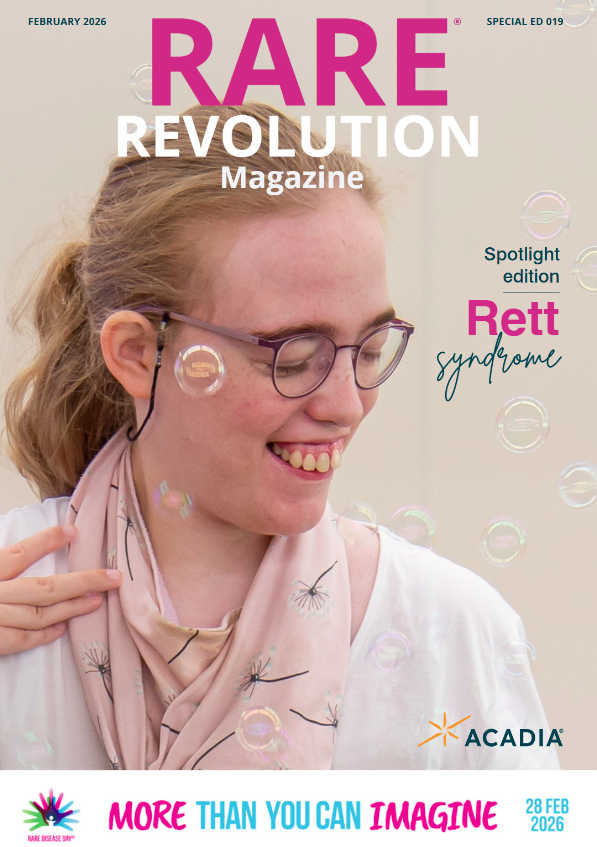
Rare Disease Day 2026 highlights global inequities and amplifies youth voices in call for lasting change

On 28 February 2026, Rare Disease Day will once again bring together millions of people worldwide to spotlight the realities faced by those living with rare diseases and to call for more equitable healthcare, research and social inclusion.
There are more than 6,000 identified rare diseases, together impacting an estimated 300 million people worldwide – between 3.5 and 5.9% of the global population.
Seventy-two per cent of rare diseases are genetic, and around 70% present in childhood. Many are chronic, progressive and life-limiting. One in five cancers is classified as rare. Despite this scale, people living with rare diseases frequently experience years of delayed diagnosis, limited or no treatment options, fragmented care, and significant social and economic barriers.
Rare Disease Day exists to address these inequities. Since its launch in 2008, when events were held in just 18 countries, the campaign has grown into a global movement now observed in more than 100 countries. Coordinated by national alliances and patient organisations across 77 countries, it creates a shared moment each year to make visible challenges that often remain overlooked in health and social care systems, and policy debates.
More than a slogan: a shared understanding
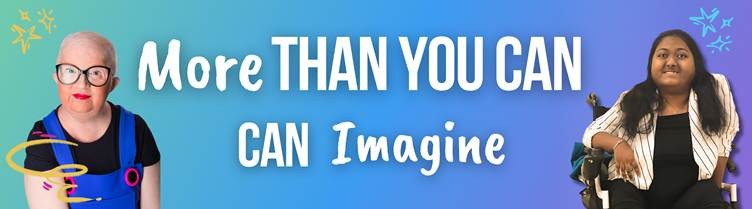
The 2026 campaign carries the message “More Than You Can Imagine” – a call to recognise both the scale of the rare disease community and the progress that remains possible when barriers to diagnosis, treatment, research and participation are removed.
For many families, the impact of rare diseases extends beyond medical symptoms. It affects education, employment, financial stability and mental health. The campaign message reflects the reality that while rare diseases differ in their clinical presentation, the structural challenges faced by those impacted are often shared.
Across countries and contexts, the message takes on different meanings. It can call for more access, more research, more inclusion or more awareness – bringing global momentum to national and local calls for equity. By connecting diverse lived experiences under a shared banner, the campaign underscores that meaningful change requires coordinated action across healthcare systems, research communities and policymakers.
Equity at the core of Rare Disease Day
This year’s campaign heroes illustrate what equity means in practice. From France, Mak reflects that equity means “more opportunities than you can imagine” – opportunities to learn, to work, to contribute and to thrive. From the United States, Micah speaks of “more community than you can imagine”, highlighting that connection, solidarity and belonging are essential to overcoming isolation. From Malaysia, Linges emphasises that equity for her means “more hope than you can imagine”. From Turkey, Ayça and Burak share a vision of “more breakthroughs than you can imagine” – breakthroughs in research, innovation and access that can transform lives.
Together, these voices demonstrate that equity is not abstract. It relates to timely diagnosis, access to appropriate and affordable care, sustained research investment, inclusive education systems, and opportunities for full participation in society.
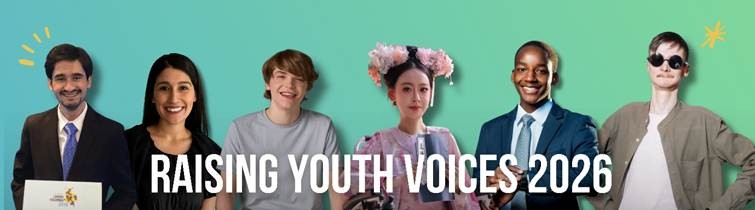
In the lead-up to Rare Disease Day 2026, the campaign placed particular emphasis on youth leadership in global advocacy. On 4 February, young leaders from six world regions gathered in Barcelona for the inaugural Raising Youth Voices event, a global, in-person initiative designed to ensure that young people living with rare diseases are actively involved in shaping health and social policy.
Organised through collaboration between EURORDIS-Rare Diseases Europe, the National Organization on Rare Disorders (NORD), and Rare Diseases International (RDI), with support from Fondation Ipsen under the aegis of Fondation de France, the event brought together Youth Regional Representatives from North America, Europe, Asia, South America, Africa and Australia.
Participants shared experiences of diagnostic delay, unequal access to treatment and support, and the financial and social pressures that shape daily life – from healthcare costs and insurance gaps to stigma and misinformation. They also presented projects already underway in their regions, from disability inclusion initiatives and educational toolkits to digital community-building campaigns and youth-led policy engagement.
Maksym, Youth Regional Representative for Europe, described the shift that youth leadership can create, outlining work “created by and for young people with rare diseases, where lived experience is turned into leadership, advocacy, and concrete action.”
Looking ahead – together

Across the globe, Rare Disease Day will be marked by local events, policy dialogues, community initiatives and online engagement. Through the Global Chain of Lights, homes, buildings and landmarks across continents will be illuminated in Rare Disease Day colours, symbolising solidarity with the rare disease community worldwide. Hundreds of activities are registered on the campaign’s Global Event Map, reflecting the scale and diversity of this growing movement.
While Rare Disease Day provides a focal point, organisers stress that awareness alone is not enough. Despite impacting hundreds of millions of people worldwide, rare diseases remain under-recognised and under-resourced in many health and social care systems.
As Rare Disease Day unfolds across time zones and communities, it will serve as both a moment of visibility and a call to action. Real change starts locally — by raising awareness, challenging stigma, supporting research, improving care, and listening to the voices of people living with rare diseases – and each action brings us closer to a more equitable future for the rare disease community worldwide.
Media contact
Julien Poulain
Communications & Policy Liaison Senior Manager
EURORDIS – Rare Diseases Europe
Paris Office – Plateforme Maladies Rares – 96 rue Didot – 75014 Paris – France
Phone: +33 6 42 98 14 32
More information: www.eurordis.org Follow us: Facebook Twitter Instagram LinkedIn