Rise up and leave an impact, despite the pain
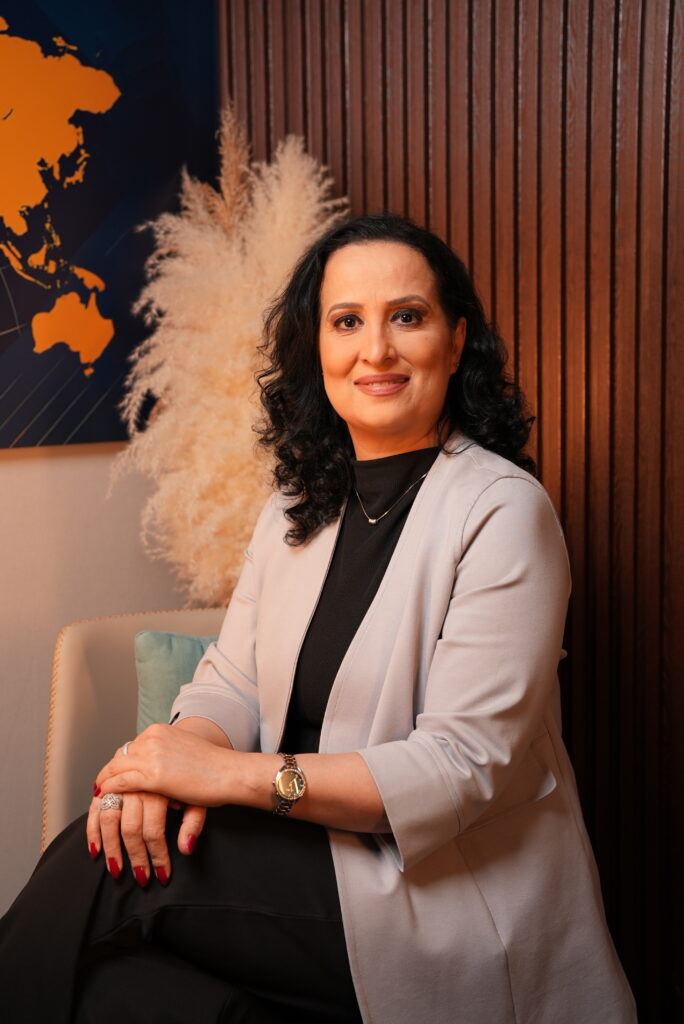
Written by Hala Abbas
In a world where mothers are severely tested by illness and loss, I am speaking out as an inspiring voice for every mother fighting a silent battle behind closed doors. I am a Palestinian woman who carried my message from the womb of a rare and painful experience, I faced life as a mother to two children with mitochondrial disease, then lost them, rising up to transform grief into awareness and a message
I am Hala Abbas, a Palestinian who has been living in the United Arab Emirates for over 25 years. I graduated from a university in Jordan with a bachelor’s degree in business administration and hold a diploma in mental health and psychological counselling from Dubai. I am an activist and advocate for rare diseases based on my personal experience.
I am a mother of two children, Mahmoud and Zain, who suffered from a rare disease caused by a variant in a gene known to cause mitochondrial disorders, which affects energy production in the body’s cells. Fortunately, this variant did not affect their brains in terms of awareness and cognition, which facilitated their inclusion in society and their enrolment in mainstream schools, in accordance with the standards set by the UAE Ministry of Education, which is committed to supporting people of determination to live dignified lives.
Mahmoud and Zain passed away, Mahmoud in 2019 at the age of 12, and Zain in 2024 at the age of 15, due to this disease.
The disease led to general muscle weakness, forcing them to use wheelchairs and making it difficult for them to lead independent daily lives. They were unable to eat, write or care for themselves. They also had speech difficulties. I took on all their caregiving tasks, from transportation to educational support, physical, occupational and speech therapy, until I learned the treatment techniques myself to implement at home, given the enormous costs parents may face in such cases.
Despite their physical challenges, they excelled in education and activities, and were distinguished by their special spirit and remarkable mental abilities.
My experience with my children, my constant travel with them between medical clinics, and my keenness to understand everything said in the doctor’s office were the primary motivation for my involvement in this field. Thanks to my residence in the UAE and the extensive support provided by government and community agencies, I now have a strong foundation upon which to base my work, which has helped me build a network of relationships.
From here, my journey began to become a founding member of MENA Congress for Rare Diseases, from 2021 to the present day. I was part of the team that helped lay the foundation for a platform serving patients with rare diseases and their families, including the congress. The congress aims to improve the lives of people with rare diseases and their families through lectures and workshops, and provides opportunities for meetings with experts, doctors and specialists from around the world.
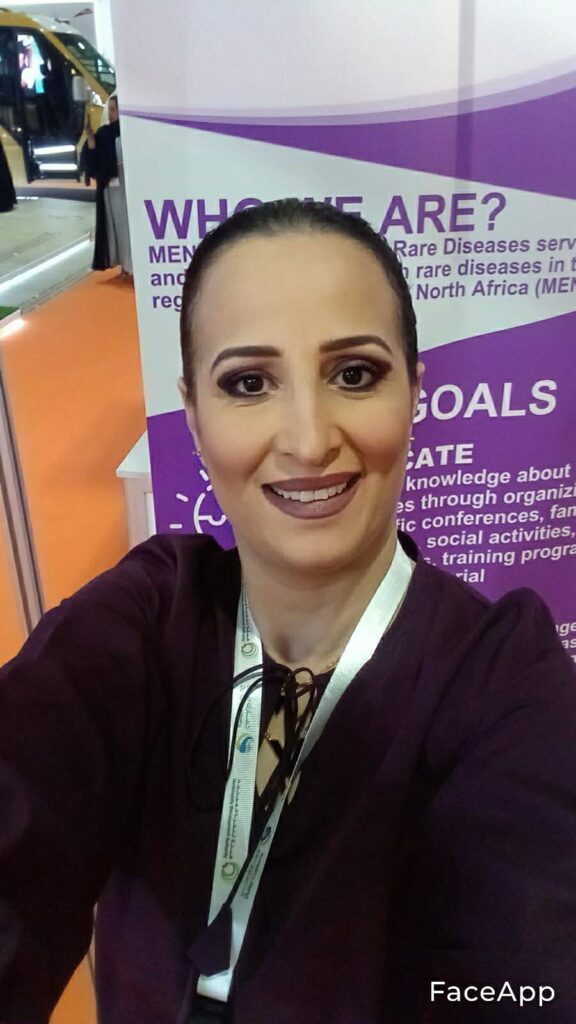
I have been a speaker in two consecutive sessions, sharing my journey with my children to raise awareness and support mothers. This year, I was keen to invite mothers from the Arab world, from countries like Kuwait, Sultanate Oman, Turkey and the UAE to talk about their experiences and insights with their children.
I organised two documentary videos with World Duchenne Organization in collaboration with MENA Organization for Rare Diseases 2025, filmed in UAE to focus on Duchenne in Arab regions.
I believe that a mother who demonstrates strength during her sick child’s journey is able to continue even after loss, in order to heal.
Mahmoud was the source of my determination and willpower and Zain was the hope that never left me. From my experience with them, I learned patience, self-love and deep faith. I lived life with them the way they loved it and together we experienced everything and created unforgettable memories.
When I lost Mahmoud, I cried a lot, but I realised that Zain still needed me. So, I set out with him again, despite his physical weakness, and together we created a story of hope. Zain accompanied me to all my activities and conferences and this had a clear positive impact on his speech and social interaction.
After Zain’s passing, I didn’t let my grief control me. I was a believer and I entrusted my affairs to God. After just a month, I gathered my energy, stood up again and began preparing for awareness-raising activities that would carry my sons’ message and continue their path.
Despite their physical disabilities, I focused on developing their remaining skills. I realised that their minds were healthy and could be supported educationally, so I accompanied them to school daily and collaborated with teachers and special education teachers to develop a curriculum that suited their abilities.
They participated in many activities, including the Arab Reading Award Challenge in 2016, which allowed people of determination to participate by reading 25 stories. Mahmoud was intelligent and loved reading and memorising, so I would read to him, repeat pages and teach him to connect the images to the content. Since he did not speak, I learned how to enable him to write to express his thoughts, serving as his unheard voice.
When he was presented to the judging panel he impressed them with his intelligence and quick wit. He did not win the final award, but he was honoured with a special meeting with His Highness Sheikh Mohammed bin Rashid Al Maktoum, a personal signature on the participation certificate and an on-stage presentation alongside the winners from the seven emirates.
As for Zain, after Mahmoud’s passing, I focused on developing his drawing skills. I discovered that he could draw whatever was presented to him, even if his mobility was limited. He participated in UNICEF’s “Blue Dot” competition in the Middle East and North Africa, which presented seven themes over seven weeks. Zain was able to complete his artwork and four of his drawings were selected to be published in a global digital book, which has spread to several countries around the world.
As an active participant in local and regional conferences, I have developed a broad network of relationships, not only in the Arab world, but also worldwide. Through my participation, I strive to meet mothers and families experiencing similar circumstances and encourage them to engage with supportive institutions and associations.
This year, I organised a symposium as part of the MENA for Rare Diseases Congress 2025, bringing together mothers of various nationalities to share their experiences, serving as a source of inspiration and knowledge for others. I met mothers who were unsure how to care for their children, or who were unaware of the services available to them in the UAE, either government or private, that could make their lives easier and ease the financial burden.
Here, I played a role in raising awareness, for knowledge is power. I may not be a doctor, but as the saying goes: ask someone who has experienced it, not a doctor. Having a person with disabilities in a family is a huge responsibility, and each case is unique and requires special treatment. This is where conferences and initiatives that support this group and educate parents to be an active part of their children’s lives come in.
My literary project is an honest expression of my timeless human moments with them: love, pain, fear, loss, strength and will. I want the reader to feel that they are not alone, and that life, despite its harshness, is not without spaces for wonder, healing and love.
My message is that every person has a story worth telling, even people of determination. Perhaps they are the most deserving of immortalising their stories, because they have laboured in every sense of the word and have proven that their illness is unique and truly rare.
Don’t play the “what if?” game, and don’t blame yourself. Make peace with yourself. Grief is natural but don’t dwell in its shadow for too long. We are believers, and we know that every person has a lifespan and events written for them from the moment they are born.
Don’t lose hope, and remember your child’s happy moments: his voice, his looks, his hugs, his words. And if you cry, then cry… because crying is healing, not weakness. He preceded you to mercy, and every prayer and every memory you dedicate to him will reach him, God willing. And just as God was with you during his life, He will be with you after him.
I say to the families of people with disabilities and rare diseases: focus on these angels. They don’t need looks of surprise or blame, but rather love, support and inclusion.
Be the heroes behind them, for you are a source of pride, and your giving is a blessing. These children are light, not shadows. Their presence is not a burden, but a message that elevates those around them to a higher level of humanity.
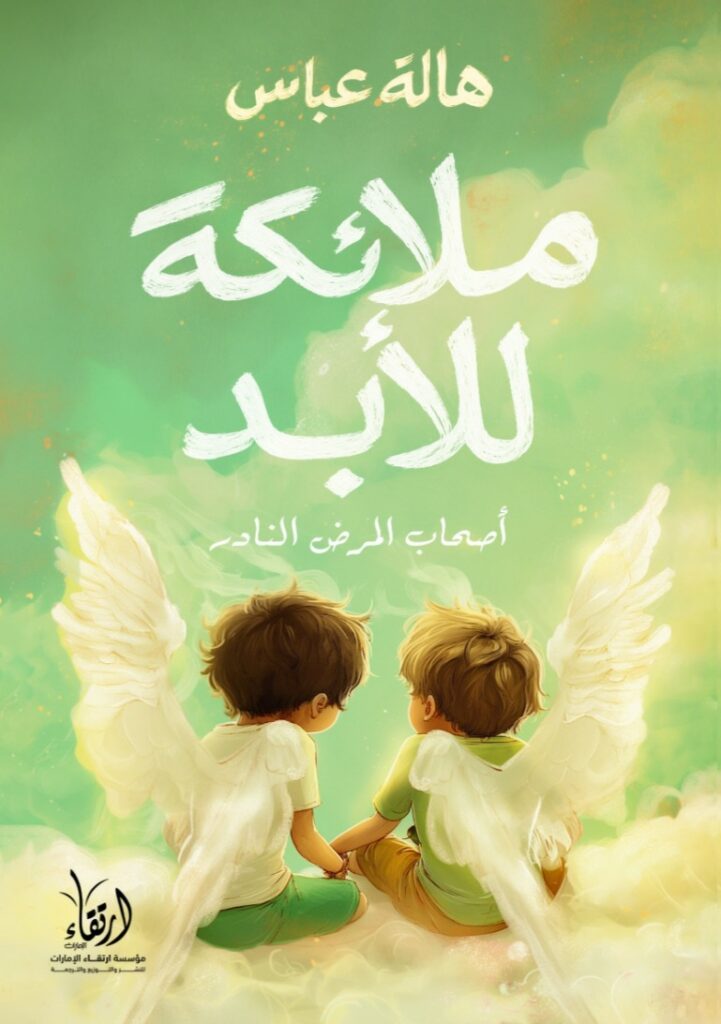
Hala published a book about her journey in November 2025 called Angels forever, people with a rare disease (English translation)