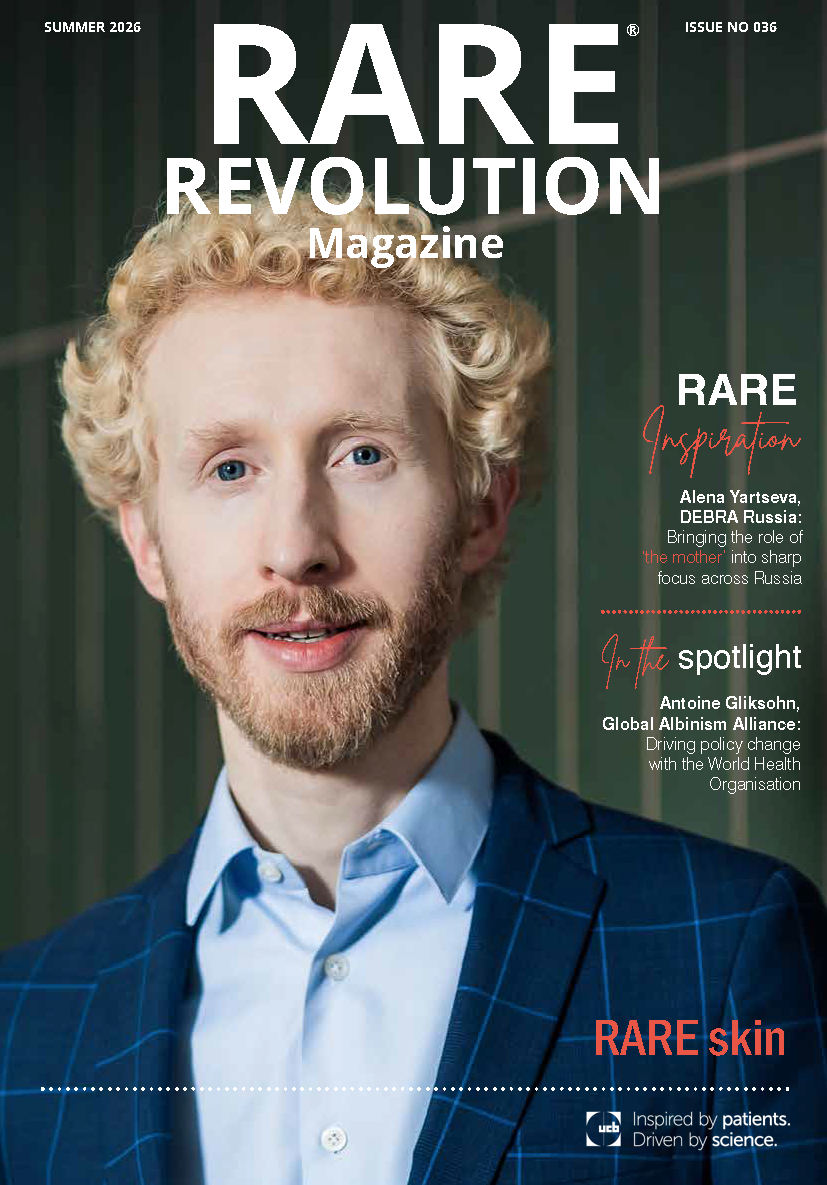
Staying wild: has the sun set on the zebra mascot?
Nicola Miller, RARE Revolution Magazine, poses more questions than answers as she asks: has the sun set on the zebra mascot or are we unified on staying wild?
Written by Nicola Miller, RARE Revolution
When someone first floated the idea past me that perhaps it was “time to be done with the zebra mascot” in rare disease advocacy, I have to admit to feeling quite irritated by the suggestion. ‘Of course not,’ I thought. It is a globally recognised symbol that unites us as one collective voice—a herd (if you will) moving together to drive change. ‘No way—the zebra is here to stay—right?’
But I couldn’t let it go without understanding more about this perspective, so I decided to dig a bit deeper beyond the #showyourstripes of it all, in case there was something I was missing.
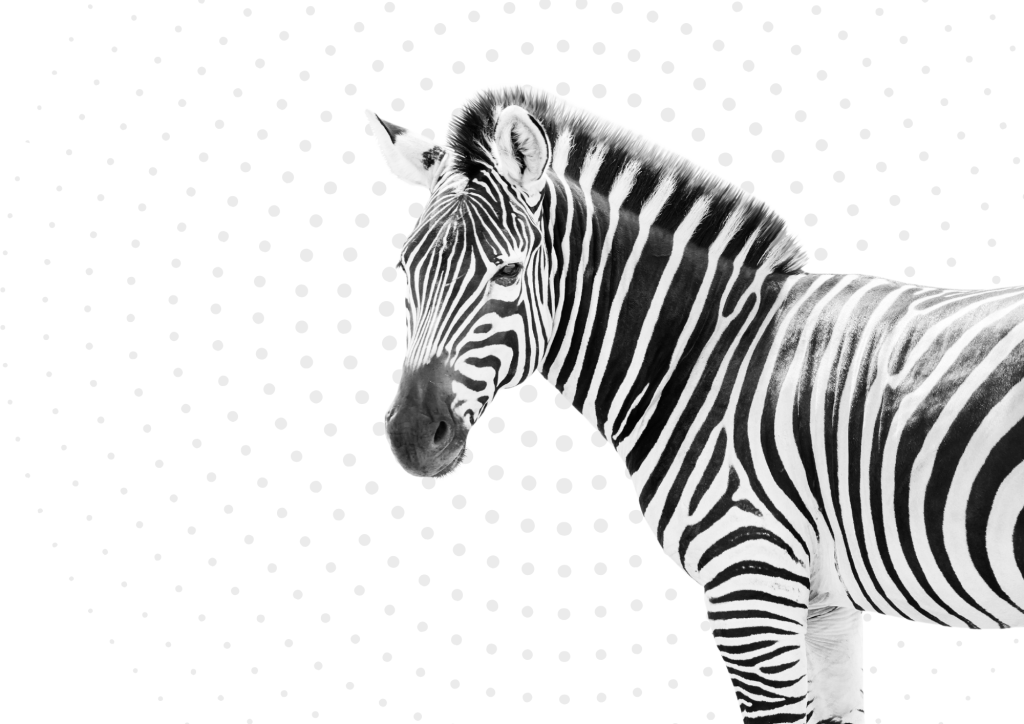
On the surface, the zebra in so many ways is the perfect mascot for the rare disease community. It has become an internationally recognised symbol that works on many levels. It is widely recounted that the origins of its association with rare disease link back to the well-known medical adage: “When you hear hoofbeats, think of horses, not zebras.”1 As an antithesis to this educational indoctrination, the zebra reminds us that in rare disease, the answer is the zebra and not the horse—a meaningful nod to the diagnostic odyssey the vast majority face.
But the zebra also works on another level. It beautifully depicts the uniqueness of rare diseases. Just as no two zebras share the same stripe pattern, no two rare disease journeys are identical. The pattern represents the individual and one-of-a-kind nature of rare conditions.
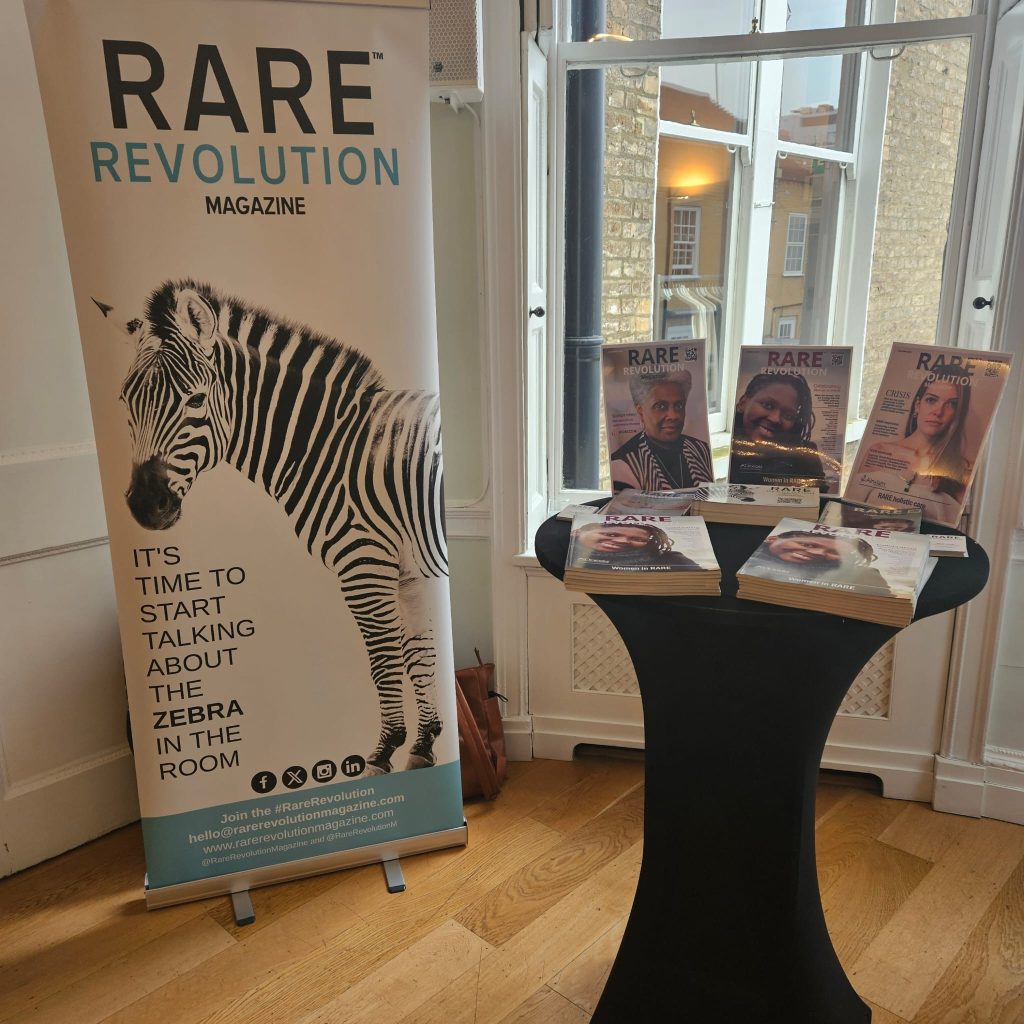
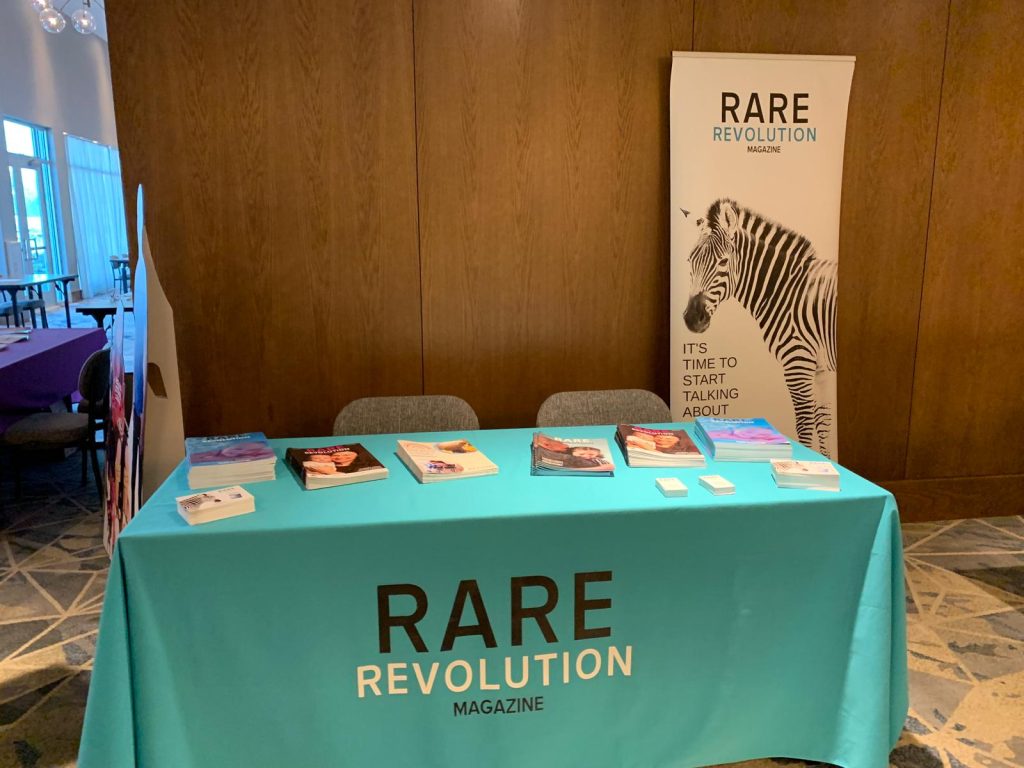
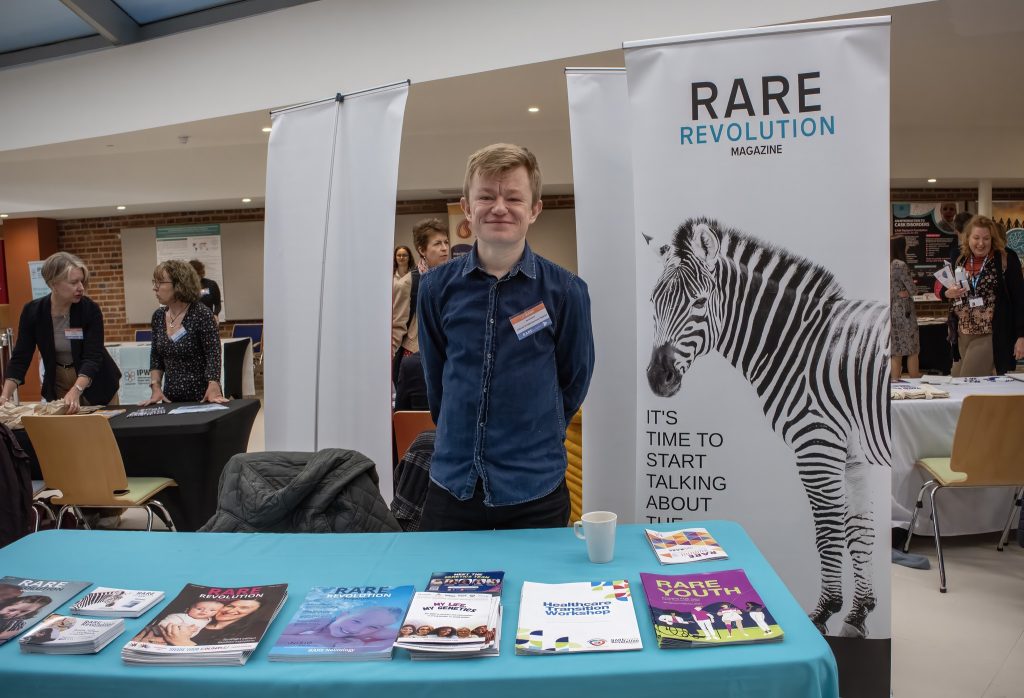
The rare community have taken the zebra to their heart, and this iconic symbol from nature features heavily in building global awareness. It features in campaigns like #showyourstripes, organisations’ branding, community events, merchandise and more. Here at RARE Revolution Magazine®, we are certainly fans of the zebra with our hashtag TimeToTalkAboutTheZebraInTheRoom, which features on our roller banners and merchandise.
But, as powerful as the symbol is for raising awareness, is it a perfect fit for everyone?
Does the zebra fall short in representing all?
Community relevance
Before we dive into some of the less obvious (well, they certainly were to me before I started looking in more detail) contradictions between rare disease and our beloved stripy mascot, let’s consider some more obvious factors that might be worth considering in terms of community relevance.
The camouflage paradox: invisible by nature’s design
As a prey animal the zebra’s distinct patternation is evolutionary, helping the animal blend into the herd and confuse predators. For many in the rare disease community, this is the exact opposite of what they want. Many rare diseases are ‘invisible illnesses,’ meaning patients already struggle to have their symptoms seen and taken seriously by doctors, employers and society. Using an animal famous for blending into a crowd is perhaps counterintuitive to a community fighting desperately to stand out and be noticed.
The EDS monopoly
While the zebra is meant to represent all 7,000 plus rare diseases, it has been heavily adopted in recent years and championed by the Ehlers-Danlos syndrome (EDS) and hypermobility communities. Because EDS advocates have done such a phenomenal job utilising the mascot and garnering widespread global attention, the zebra is now frequently associated specifically with connective tissue disorders. This strong association might lead to confusion for those on the outside of the rare disease space, meaning those with entirely different rare conditions (like rare metabolic disorders, rare cancers, mitochondrial or neurological diseases) might feel the mascot no longer represents the wider community.
What’s in a label—diagnostic odyssey and medical bias
The original hoofbeats medical phrase is a warning to medical students not to look for rare diagnoses first. Therefore, the zebra mascot inherently focuses on the search for a diagnosis. We might question, then, if perhaps for those who have already been diagnosed, the metaphor loses some of its steam. It doesn’t perhaps capture the gruelling reality of life after diagnosis: the lack of available treatments, the financial strain, the daily symptom management or the reality of societal stigmas and prejudice.
The rare disease community is incredibly fragmented. Every journey, regardless of condition, differs vastly through lived experience, medical pathway and prognosis. When we reflect, does grouping over 350 million people with completely unrelated conditions under a single, trendy striped umbrella feel reductive? Is there a danger that a single mascot oversimplifies the complexity of these varied conditions?
Another hard-to-ignore possible fallout of the identification with the zebra can also be found within the medical community—that of medical bias. Does a declared “medical zebra” risk being viewed by exhausted clinicians as a frustrating, time-consuming and overly complex patient? Does wearing a zebra ribbon signal to doctors, “I am going to be a difficult case”?
Understanding cultural relevance
When considering zebra relevance in 2026 and its appropriateness on an international stage, it is important to also consider cultural and geographical implications and glance back at long-held beliefs and traditions. While it successfully unites many advocacy groups in the West, the zebra relies on a specific linguistic and cultural framework, which may not always translate as well globally as we think.
Anglo-American medical bias
Unlike here in the West, where it is a near impossibility (unless visiting a zoo), in regions of East or Southern Africa, if you hear the sound of hoofbeats, a zebra is a very real, in fact, common possibility. Therefore, at the highest level, the metaphor surely loses its logical weight in areas where zebras are native wildlife rather than exotic anomalies.
Furthermore, not every medical school system worldwide uses this metaphor. For clinicians trained in countries outside of Western influence, the zebra symbology and phrases like “‘medical zebra”’ lack immediate context and require explanation.
Such phrases are notoriously difficult to translate across languages. When advocacy campaigns are translated into languages like Afrikaans, Mandarin or Arabic, the literal translation of “‘we are zebras”’ carries no inherent medical meaning. Without the conceptual link of the hoofbeats proverb, the mascot risks feeling entirely arbitrary or confusing to local populations.
Meaningful cultural contexts
In Western culture, zebras are viewed as exotic, beautiful animals of rarity. However, framing a human being’s medical hardship through the lens of an ‘exotic curiosity’ might carry uncomfortable cultural connotations. In many African cultures, for example, the zebra’s striking black-and-white coat is viewed as a symbol of balance and harmony, a far cry from medical hardship.
The truth is, culturally, zebras have very different connotations depending on where you live globally, and this can be very nuanced—several specific groups hold distinct superstitious or mythological beliefs that are worthy of note. In South Africa, Zulu traditions say zebra (known as idube) carry an omen. Sighting a zebra with certain distinct markings can bring either good luck or misfortune— determined entirely by the pattern.
The San People (Kalahari Desert) associate the zebra’s unique, fingerprint-like stripe patterns with rain and water spirits. The Maasai (Kenya & Tanzania) believe that the creator god, Engai, was so impressed by the zebra’s resilience that he bestowed the black stripes upon it as a physical symbol of power and protection.”2
And it isn’t just in Africa. If you travel through Thailand in Asia, you will frequently see hundreds of miniature zebra statues clustered around roadside shrines and spirit houses. Not being native to Thailand, this modern superstition and affinity with the animal often confuses outsiders.3
Closer to home in Europe, in France, the word zèbre has a heavily loaded meaning rooted in psychology. Reported to have been coined by psychologist Jeanne Siaud-Facchin, a ‘zebra’ is the standard colloquial term for a neurodivergent or gifted individual.5,6 While intended to be a positive alternative to ‘genius’, the term has developed a sometimes-negative connotation in French society. It is often associated with intense emotional hypersensitivity and social awkwardness.
The historical symbolism of stripes
And this can also creep into modern history. Visually, bold black-and-white horizontal stripes carry a heavy historical reference in Western society in prison uniforms and chain gangs. While in the wild, zebras run free on the African savannah, their pattern visually mirrors the uniform of captivity, punishment and ironically of being stripped of individuality. For individuals who already feel trapped or imprisoned by their failing bodies or medical debt, is this visual imagery, albeit subtle, oppressive rather than liberating?
In Canadian sports culture, I have come to learn that “zebra” is a universal, highly negative adopted term for sports referees and umpires due to their black-and-white striped shirts. Fans and athletes routinely use the term with deep frustration (“The zebras made a bad call,” “The zebras are biased.”) It carries connotations of rigid, bureaucratic rule-following, imposing unfair penalties, and ruining the experience for everyone else. Showing that zebras even crop up in our popular culture.
So, while the zebra doesn’t conjure the dark like, say, a vulture or black cat might in the UK, it does carry several specific negative or, at best, complicated connotations across different cultures, languages and subcultures that might be important to understand. Which begs the question: by leaning into the zebra as a mascot, might we accidentally bring along some baggage that we were unaware of, making its relevance to our diverse communities mixed?
From the wild
We (in Western culture) often romanticise zebras—typically viewed, naively, as “striped horses”. But the reality is quite different. In their native homes, they have a reputation for being notoriously aggressive, bad-tempered and untameable. Unlike horses, zebras cannot be truly domesticated. They have a vicious bite, and their kick can be fatal. In fact, they are apparently responsible for more injuries to zookeepers annually than almost any other animal due to their unpredictability and aggressive defence mechanisms.4

Does identifying with an animal known for being fiercely uncooperative and combative send a subconscious message at odds with the work of the patient community who are trying to foster collaborative, empathetic relationships? By embracing the zebra, we are adopting a symbol that, in medical school, represents the statistical anomaly you should ignore until you’ve ruled out everything else—something ‘unlikely’ or a ‘low-priority’ option in a clinical setting.
While the zebra has done wonders for community building and fundraising, like any mascot, it can’t capture every nuance. For many, it’s a badge of honour; for others, it’s a bit of a cliché that misses the mark on what it truly means to live with a rare condition. While it largely works well for advocacy, does it risk failing in relevance outside of many societies?
In truth, I have none of the answers. I remain conflicted.
So, my question remains: has the sun set on the zebra mascot, or are we unified on staying wild (at least for now)?
References
[1] https://pubmed.ncbi.nlm.nih.gov/41926035
[2] https://khumbula.ie/blog/stripes-of-significance-the-zebra-in-african-culture
[3] https://www.thaizer.com/why-are-there-zebras-at-shrines-in-thailand
[4] Diamond, J. (n.d.). Guns, germs, and steel.
[4] https://www.polytechnique-insights.com/en/columns/health-and-biotech/hpi-gifted-zebra-whats-the-scientific-reality-behind-these-terms
[5] (HPI – Haut Potentiel Intellectuel). https://suivezlezebre.com/en/why-zebre-for-hpi-high-potential-gifted-or-philo-cognitive