The mountain still calls
Written by Becky Johnson
Diagnosed with dystonia in 2022, Becky Johnson tells her story of living with RARE and how she is navigating a “new normal”
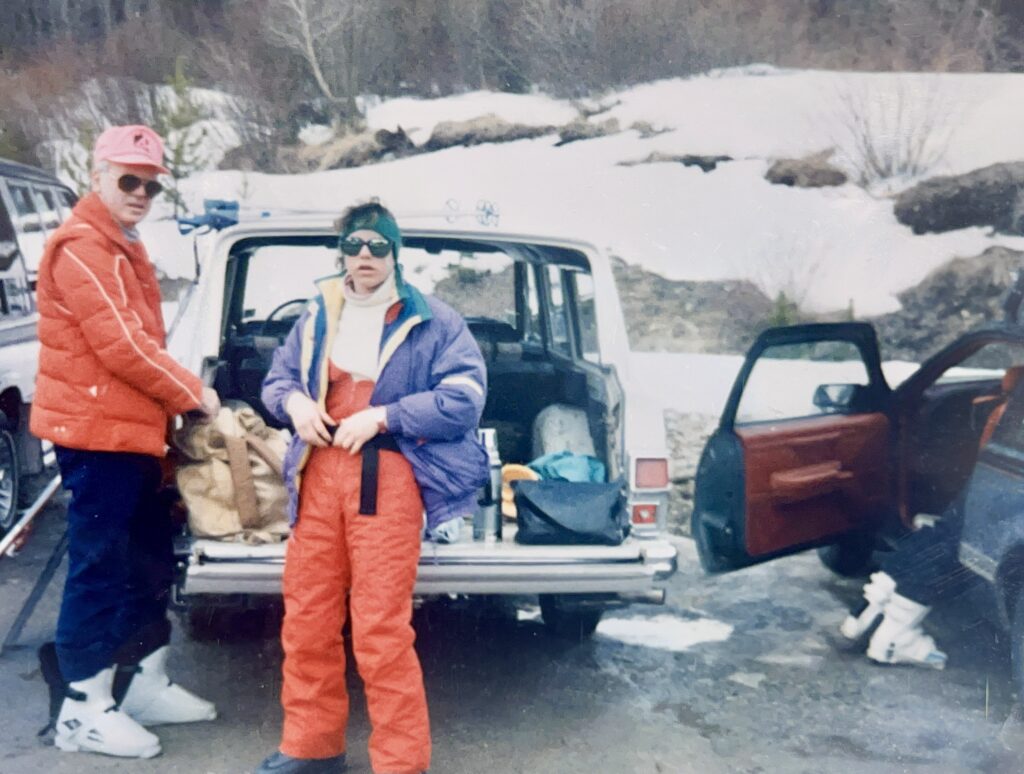
During the 1980s, my grandparents owned a condominium in Breckenridge, Colorado. Those were the formative years of my youth and that home remained a cornerstone of my childhood from the age of 4 until I was 14.
Every Friday evening, my family would navigate the ascent up I-70 to ensure we had two full days on the slopes. Even then, I recall the persistent hum of traffic; today, I recognise the immense sacrifice of time and resources my parents made. I am profoundly grateful they prioritised the mountains. Regardless of the biting cold, the slopes exhilarated me. I endured motion sickness on the drive and lugged heavy equipment across frozen parking lots, but my resolve never wavered. It was worth it. Those early challenges taught me that adventure is a treasure buried beneath the snow of perseverance.
My grandfather, a veteran of the 10th Mountain Division, often took me with him—just the two of us. We forged a deep bond during those drives, sharing a quiet passion for the sport. I can still vividly picture the last time he took me; I was in high school and he was nearly 80. He remains one of the most influential figures in my life.
My earliest memory of my father is of him cradling me between his legs, guiding us both down the mountain like a single shadow. I eventually mastered the “pizza” wedge, transitioned to parallel turns, and by elementary school, my dad and I would race ahead of the family. He taught me to navigate trees, float through powder and conquer the rhythm of the moguls.
When I met my husband, a snowboarder, he challenged me to try his sport. While I was capable on a board, I always felt most at peace gliding on two skis. As we grew our own family, we prioritised bringing our children to the Rockies. Even when lift tickets strained our budget, we made it a reality. Sharing the slopes with loved ones has always been my greatest joy.
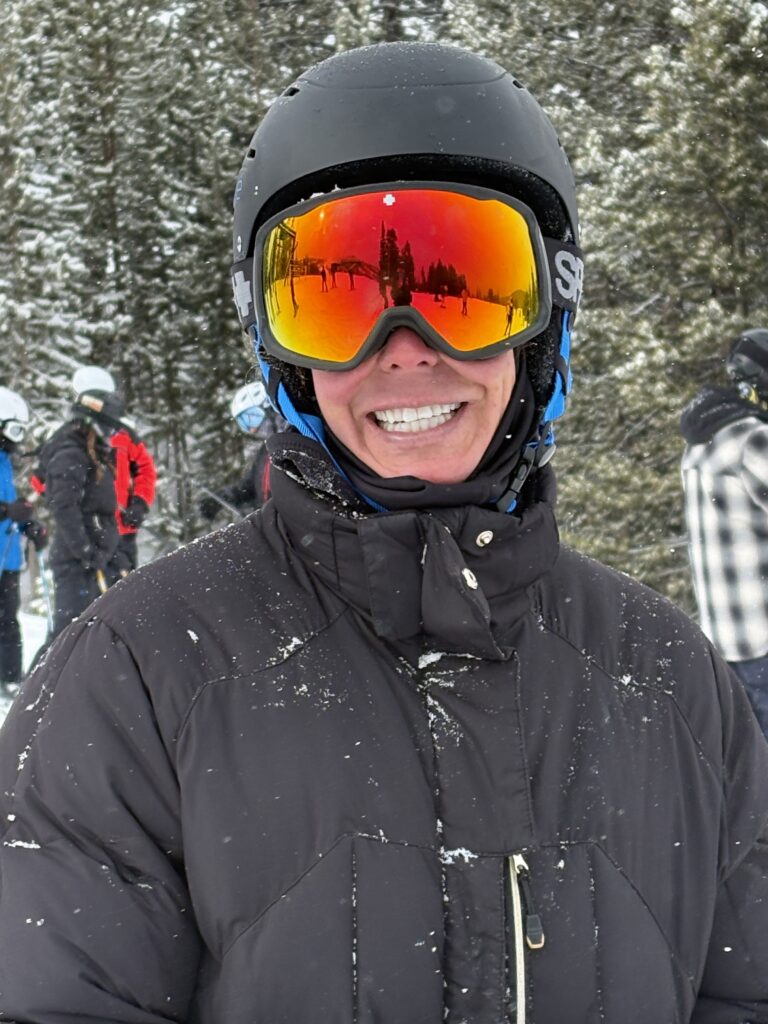
However, life eventually shifted into the detour of dystonia in August of 2022, a rare neurological movement disorder.
Living with dystonia is an unpredictable battle. I initially hoped that deep brain stimulation combined with ongoing neural-pathway programming, medication and botulinum toxin (commonly known as Botox) would restore my “old” life. I am now realising that while that chapter has closed, a new one has begun.
As I reflect on the certifications I have earned and the adventures I have shared during the season, I see that I still possess a beautiful life. My spirit is not a broken machine; it is a river finding a new path around a boulder.
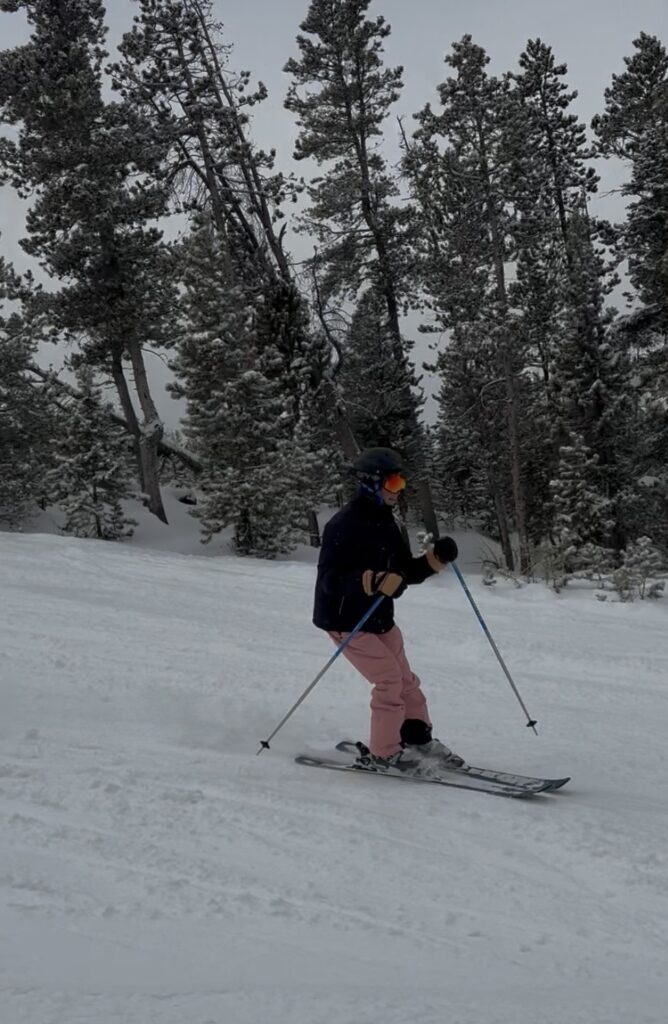
My physical therapist—a member of the ski patrol at Winter Park Ski Resort in Colorado—advised me that skiing solo would no longer be safe. However, he directed me toward the National Sports Center for the Disabled (NSCD). They graciously offered me a scholarship and suddenly the dream of returning to the mountain has become a reality. This January, I will be skiing every Thursday with an instructor at Winter Park.
I am currently fighting to reclaim my strength, even as fatigue and pain reach an all-time high. Dystonia is a shapeshifter, but I am determined to remain resilient and embrace this opportunity. My hope is that one day, my husband and I will be in a position to financially support the NSCD so that others can experience this same spark of hope as I never thought I’d ski again. I am eternally grateful, and more than anything, I am ready to fly down that hill once again.
Rare Patient Voice are the proud sponsors of the Patient Voice section of RARE Revolution for February, March and April 2026. They provide patients and family caregivers an opportunity to participate in all types of research including market research, health economics outcomes and real-world evidence, user experience/human factors studies and clinical trials. The RPV community includes over 185,000 patients and family caregivers across more than 1,500 diseases, both rare and non-rare, in nine countries. Learn more here.